Manufactured Home Rentals: Complete Guide to Leasing, Costs, and Regulations
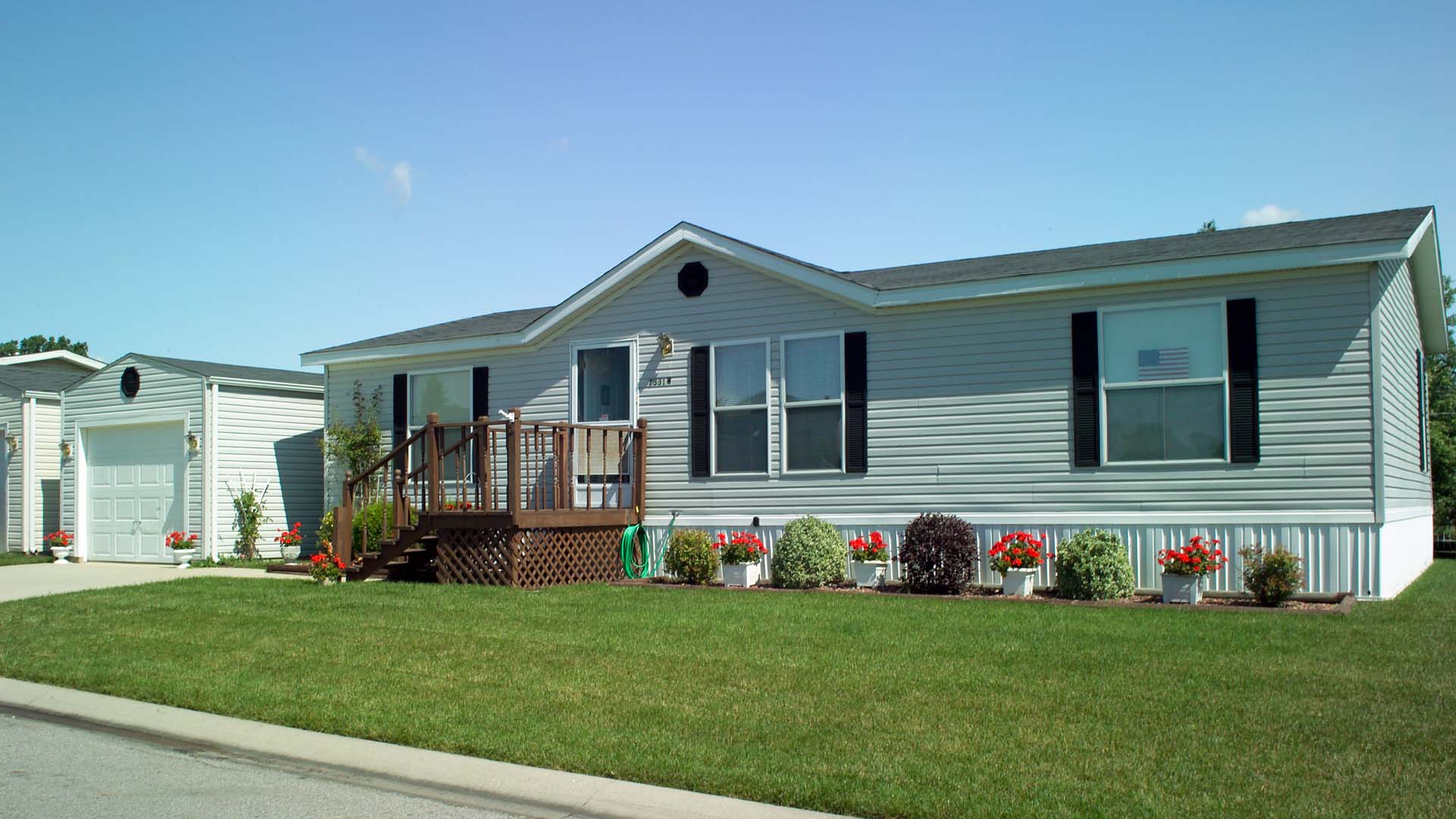
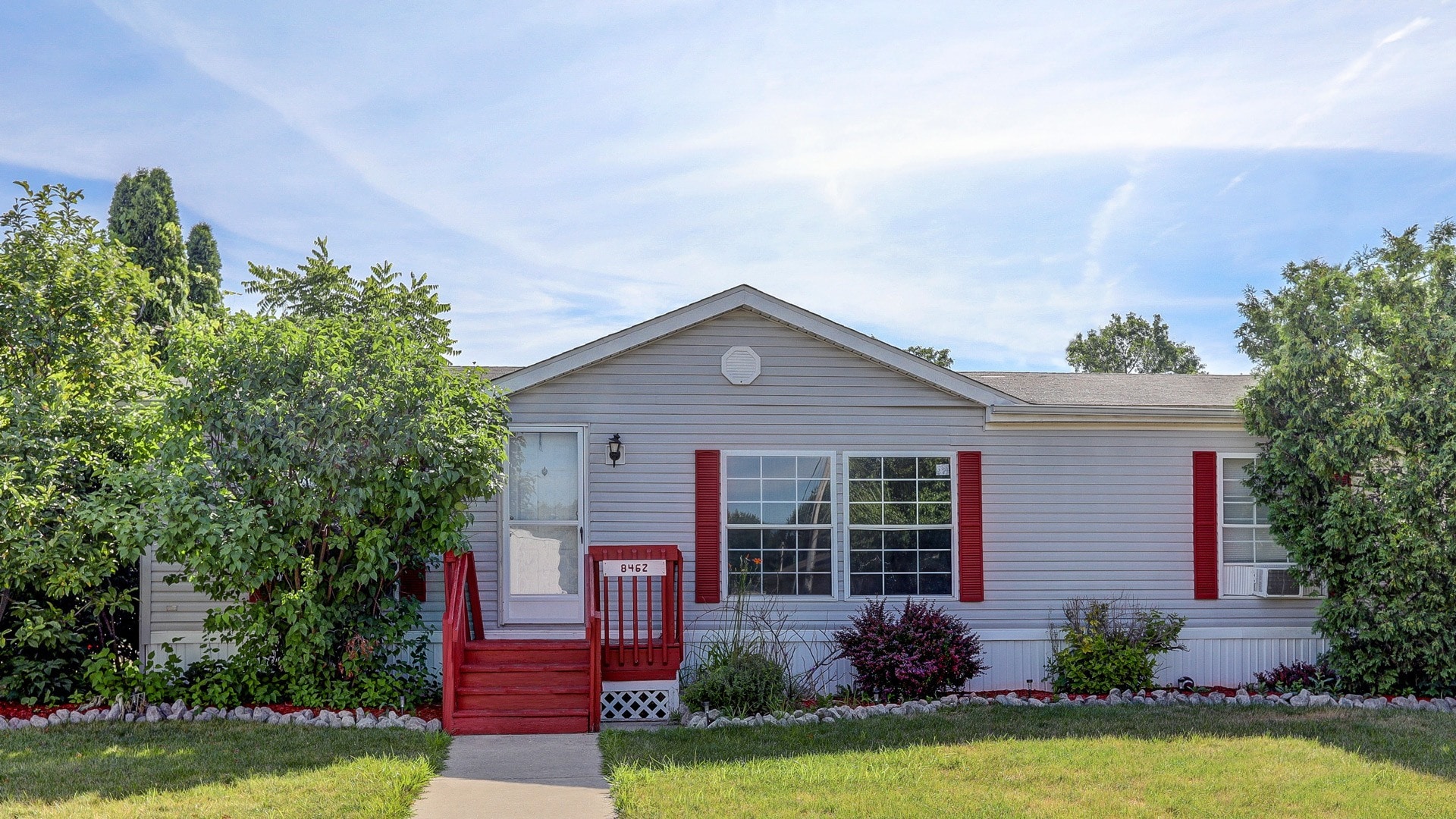
Manufactured home rentals provide an affordable alternative to traditional single-family home rentals and apartments by offering detached living space, dedicated yards, and private driveways at a lower monthly price point. Tenants can...
Manufactured home rentals provide an affordable alternative to traditional single-family home rentals and apartments by offering detached living space, dedicated yards, and private driveways at a lower monthly price point. Tenants can rent a community-owned home and lot together, rent a home on private land, or lease a land lot for a home they already own.
Contents
Renting a manufactured home requires navigating unique lease structures, community rules, utility metering systems, and federal safety standards. Understanding how these properties operate ensures you secure a safe, cost-effective rental while protecting your rights as a tenant.
Navigating Manufactured Home Rental Structures: Home-Only vs. Land-Lease Models
Manufactured homes are factory-built structures constructed off-site and transported to a permanent or semi-permanent destination. To understand manufactured home rentals, you must first distinguish them from historic "mobile homes." Under federal law, any factory-built home constructed prior to June 15, 1976, is classified as a mobile home. Structures built after June 15, 1976, must adhere to the Federal Manufactured Home Construction and Safety Standards, commonly known as the HUD Code (administered under 24 CFR Part 3280).
When searching for manufactured home rentals, tenancy generally falls under one of three structural arrangements:
- Turnkey Home and Lot Rental (Community Managed): The property management company or real estate investor owns both the physical home and the underlying land pad. The tenant pays a single monthly rental fee covering the structure and lot access, making it identical in operation to renting a traditional single-family detached home.
- Structure-Only Rental on Private Land: A private landowner leases a manufactured home located on their personal acreage or parcel. In this setting, the tenant rents the home and surrounding private land directly from an individual owner rather than a commercial community operator.
- Pad-Only Lease (Owner-Occupied Home): The tenant owns the physical manufactured home but leases the lot (pad) inside a land-lease community. The tenant pays monthly "lot rent" or "site rent" to access the land, community infrastructure, and shared amenities.
The physical layout of these homes usually dictates living space and rental price points. Single-wide homes typically measure 14 to 18 feet in width and 50 to 80 feet in length, providing efficient single-level living. Double-wide and triple-wide units are joined on-site, offering floor plans ranging from 1,000 to over 2,400 square feet that mirror standard site-built home layouts.
Manufactured home rentals located within managed communities operate under a dual-tier governance system. Tenants must comply with standard state residential landlord-tenant laws as well as the specific Rules and Regulations established by the community operator.
Monthly Costs and Financial Framework for Renters
Evaluating the financial commitment of a manufactured home rental involves looking beyond the base monthly rent figure. Operational costs vary depending on utility distribution systems, park management fees, and maintenance responsibilities outlined in the lease agreement.
Base rent for a fully integrated manufactured home (home plus lot) typically runs 20% to 40% lower per square foot than an equivalent site-built single-family rental in the same geographic region. However, utility structures require careful examination prior to signing a lease.
Utility Allocation and Sub-Metering Systems
Utilities in manufactured home rentals rarely follow standard municipal billing structures. Instead, communities utilize one of three allocation frameworks:
- Direct Utility Metering: Municipal providers meter electricity, natural gas, and water directly to the home. The tenant holds individual accounts with utility providers and pays standard retail rates.
- Sub-metered Distribution: The community owner maintains a master meter for the park and installs private sub-meters on individual lots. Management reads the meters monthly and bills tenants directly based on individual consumption. State regulations often cap the administrative fees park owners can charge for sub-metering services.
- Ratio Utility Billing Systems (RUBS): Common in older communities lacking individual sub-meters, RUBS allocates total park utility costs across residents based on home square footage, occupant count, or a flat monthly rate.
Heating fuel is another critical expense factor. Many rural or semi-rural manufactured home rentals rely on liquid propane (LP) or fuel oil stored in exterior tanks. Tenants are responsible for monitoring fuel levels and contracting with local bulk suppliers, which can lead to higher winter heating expenses compared to natural-gas-connected urban apartments.
| Metric / Cost Factor | Turnkey Manufactured Home Rental | Lot-Only Lease (Land-Lease) | Traditional Apartment Rental |
|---|---|---|---|
| Typical Monthly Base Rate (2026) | $950 – $1,850 / month | $450 – $950 / month (Lot Only) | $1,400 – $2,400 / month |
| Property Type | Detached Single-Level | Detached Single-Level | Attached Multi-Family Unit |
| Private Yard & Driveway | Yes (Included on Lot) | Yes (Included on Lot) | Rare (Shared Common Areas) |
| Maintenance Coverage | Landlord handles structural & appliance repairs | Tenant handles home; Landlord handles lot/grounds | Landlord handles all internal/external repairs |
| Utility Billing Types | Direct, Sub-metered, or Propane Tank | Direct or Sub-metered | Direct Municipal Metering |
| Parking & Storage | Dedicated Carport / Off-Street Driveway | Dedicated Carport / Off-Street Driveway | Shared Garage or Parking Lot |
Legal Protections and Standards Governing Manufactured Housing
Leasing a manufactured home involves specific federal standards and state landlord-tenant laws designed to protect health, safety, and tenant occupancy rights.
HUD Code and Structural Safety Standards
The federal HUD Code (24 CFR Part 3280) dictates strict design and construction criteria for manufactured homes, including structural strength, fire safety, energy efficiency, and plumbing/electrical systems. Homes are rated for specific geographical locations based on thermal zones, wind zones, and roof load capacities:
- Wind Zones: Zone I, Zone II (Hurricane-Prone Coastlines), and Zone III (High-Wind Coastal Regions). Rental units located in Zone II or III must feature heavy-duty tie-down systems and ground anchors specified under 24 CFR Part 3285 to withstand uplift and lateral wind loads.
- Thermal Zones: Zones 1, 2, and 3 define insulation requirements (U-factors) for floors, walls, and ceilings. Ensuring a rental home meets the designated thermal zone for your region prevents excessively high utility bills during peak summer or winter months.
State Tenant Rights and Community Regulations
Tenant rights for manufactured home renters are governed primarily at the state level. Many states enforce specific Manufactured Home Residency Laws (MHRL) or specialized chapters within their residential property codes (such as California Mobilehome Residency Law, Florida Chapter 723, or Texas Property Code Chapter 94).
These statutes govern mandatory notice periods for rent increases, lease renewal rights, and community rule changes. Landlords renting manufactured homes must maintain habitability standards, ensuring that:
- The home's chassis, floor joists, and load-bearing walls remain structurally sound.
- The underbelly insulation and vapor barrier (belly wrap) are free of tearing, rodent infestation, or water pooling.
- Skirt ventilation prevents moisture accumulation beneath the home, protecting the subfloor from rot and mold growth.
- Heating, cooling, and plumbing systems comply with safety codes.
In age-restricted 55+ manufactured home communities operating under the Housing for Older Persons Act (HOPA), federal law requires that at least 80% of occupied units contain at least one person aged 55 or older. Renters in these communities must pass age verification background checks prior to lease approval.
Step-by-Step Guide to Evaluating and Renting a Manufactured Home
Securing a rental manufactured home requires careful inspection of both the dwelling unit and the community infrastructure. Use this process to evaluate potential properties before signing a lease agreement.
Step 1: Verify Location and Site Placement
Determine whether the rental is situated on private acreage or within a organized land-lease community. Private land rentals offer greater privacy and freedom from park rules, but they may lack community maintenance services or dedicated trash pickup. Managed communities offer shared infrastructure, common amenities (such as clubhouses, pools, and security gates), and standardized maintenance, but they enforce strict site guidelines regarding vehicle parking, exterior storage, and pet ownership.
Step 2: Perform a Technical Physical Inspection
Unlike standard site-built homes, manufactured homes rely on specialized structural components that require physical verification during a walkthrough:
- Check Floor Leveling and Subfloor Firmness: Walk perimeter walls and center seams. Soft spots underfoot indicate water intrusion or rotting subfloor panels (often particleboard in older units). Slanted floors suggest the home's piers or jack stands have settled unevenly.
- Inspect Skirting and Underbelly: Examine the exterior skirting surrounding the base of the home. Skirting must be securely fastened, properly vented, and free of gaps that allow pest entry. Request access to inspect the underbelly wrap; damaged belly paper exposes insulation and piping to freezing temperatures and moisture.
- Evaluate HVAC and Ductwork Systems: Manufactured homes utilize specialized crossover ducts to distribute heated or cooled air between sections of single-wide or double-wide units. Verify that air flows strongly from all floor vents and that the central furnace or heat pump operates without excessive noise or burning odors.
- Inspect Plumbing Connections: Check water supply lines under sinks and near the water heater. Inspect for legacy polybutylene piping (grey flexible pipes common in older builds), which is prone to sudden joint failures, and confirm whether lines are retrofitted with PEX tubing. Verify that exterior fresh water supply lines feature functional heat tape and insulation to prevent freezing.
Step 3: Review Community Rules and Lease Terms
Before submitting an application fee, review the community’s written Rules and Regulations manual. Important elements to scrutinize include:
- Occupancy Restrictions: Rules limiting long-term guests, vehicle counts per lot, or commercial vehicle parking.
- Pet Policies: Weight limits, breed restrictions, or limitations on the number of domestic animals allowed on site.
- Modification Limits: Restrictions on building exterior structures such as sheds, carports, ramps, or garden beds.
- Subletting Clauses: Policies governing whether you can sublease the home or list it on short-term rental platforms.
Step 4: Complete Background Verification and Lease Execution
Application processes for manufactured home rentals in managed communities often require a two-part approval procedure: approval by the property owner (or management agency representing the owner) and secondary park background clearance by the community owner. Prepare standard proof-of-income documentation (pay stubs, tax returns), government identification, and personal references to expedite approval.
Advantages and Operational Drawbacks
Living in a rented manufactured home offers clear benefits over traditional apartment living, but renters must balance these advantages against distinct structural and operational limitations.
Advantages
- Privacy and Independence: Detached walls eliminate noise transfer from sharing floors or ceilings with adjacent neighbors.
- Private Outdoor Space: Most lots include private yards, dedicated driveways, and space for personal storage sheds or covered carports.
- Affordability: Lower base rental costs allow tenants to secure larger square footage for less money compared to site-built rentals.
- Accessible Layouts: Single-level floor plans eliminate stairs, providing an accessible design for seniors or individuals with mobility challenges.
Drawbacks and Pitfalls
- Thermal Efficiency Vulnerabilities: Older manufactured homes built with lower thermal insulation standards can incur high heating and cooling expenses during temperature extremes.
- Susceptibility to Weather Hazards: Manufactured homes face higher vulnerability to severe windstorms or tornadoes if ground anchors and tie-down straps are neglected or improperly installed.
- Park Rule Enforcement: Community management can issue strict lease violation notices for minor aesthetic issues, such as unwashed siding, unweeded yards, or unauthorized driveway parking.
Frequently Asked Questions
What is the primary legal difference between a mobile home rental and a manufactured home rental?
The primary legal distinction is the date of construction. Homes built before June 15, 1976, are legally classified as mobile homes and are subject to historic local codes, whereas homes constructed after June 15, 1976, are classified as manufactured homes and must comply with the federal HUD Code (24 CFR Part 3280).
Manufactured homes feature modern structural engineering, enhanced fire safety barriers, and regulated thermal insulation standards that older mobile home rentals lack.
Who is responsible for structural repairs on a rented manufactured home?
Under standard residential lease agreements, the landlord or property owner is responsible for maintaining all structural elements, mechanical systems, appliances, roofs, and underbelly insulation. The tenant is responsible for basic day-to-day upkeep, keeping the yard tidy, and preventing tenant-caused damage to skirting or plumbing.
If you own the manufactured home and only lease the land lot, you are responsible for maintaining the home structure, while the park management maintains the common lot infrastructure and underground utility lines.
Are manufactured home rentals more expensive to heat and cool than apartments?
Heating and cooling costs depend on the home's age, thermal zone rating, and HVAC efficiency. Manufactured homes built under modern energy standards offer energy efficiency comparable to site-built single-family homes. However, older units with thin wall cavities, single-pane windows, or damaged underbelly insulation lose thermal energy quickly, resulting in higher utility bills than centralized apartment buildings.
Can a park owner force a tenant renting a home to move their vehicle or remove yard items?
Yes, if those items violate the written community Rules and Regulations incorporated into the lease agreement. Community operators enforce rules regarding parked vehicles, lawn upkeep, exterior clutter, and outdoor storage to maintain community aesthetics and safety standards across all leased lots.
What happens to a manufactured home rental if the land-lease community is sold?
State laws govern property sales and land conversion scenarios. In many jurisdictions, if a land-lease community is sold or re-zoned for alternative development, property owners and tenants must receive formal advance notice ranging from 60 days to over a year. Standard residential leases remain legally binding through their active terms regardless of park ownership changes.
Securing Your Ideal Manufactured Home Rental
Finding the right manufactured home rental requires balancing physical home quality, community culture, utility costs, and lease terms. By inspecting critical structural components like floor levelness, underbelly insulation, and skirt venting, you protect yourself against hidden maintenance issues and unexpected utility expenses. Always review state-specific tenant rights statutes and community rule manuals before signing a lease to ensure your tenancy remains secure, affordable, and comfortable.
Image Gallery