Linus Torvalds and the Linux Legacy
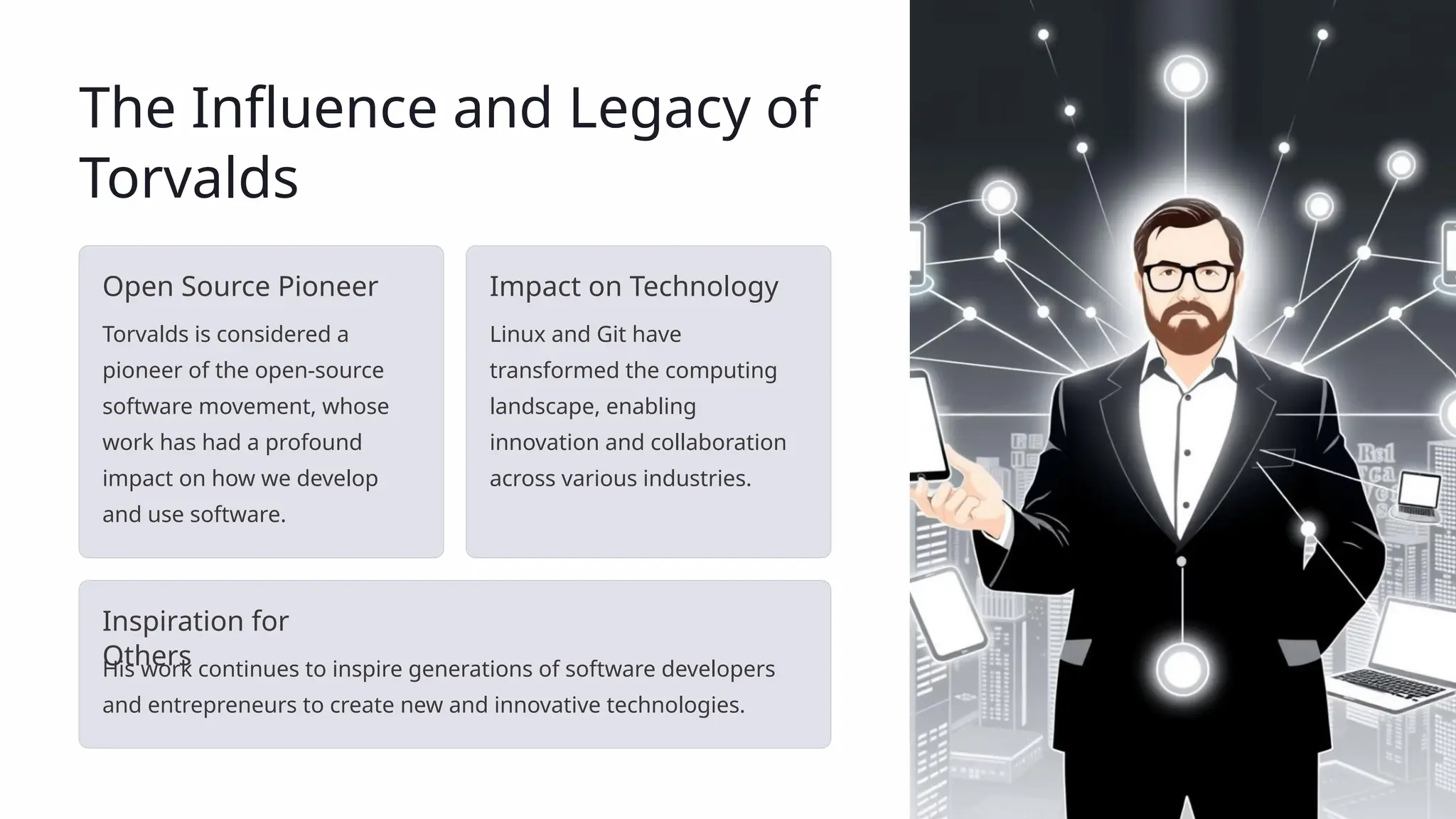
Linus Torvalds initiated a technological revolution in 1991 by releasing the Linux kernel, fundamentally transforming enterprise computing, modern web infrastructure, and mobile operating systems. His creation of Linux and Git establis...
Linus Torvalds initiated a technological revolution in 1991 by releasing the Linux kernel, fundamentally transforming enterprise computing, modern web infrastructure, and mobile operating systems. His creation of Linux and Git established a collaborative open-source model that changed how global software development operates today.
Contents
The Genesis of a Kernel in Helsinki
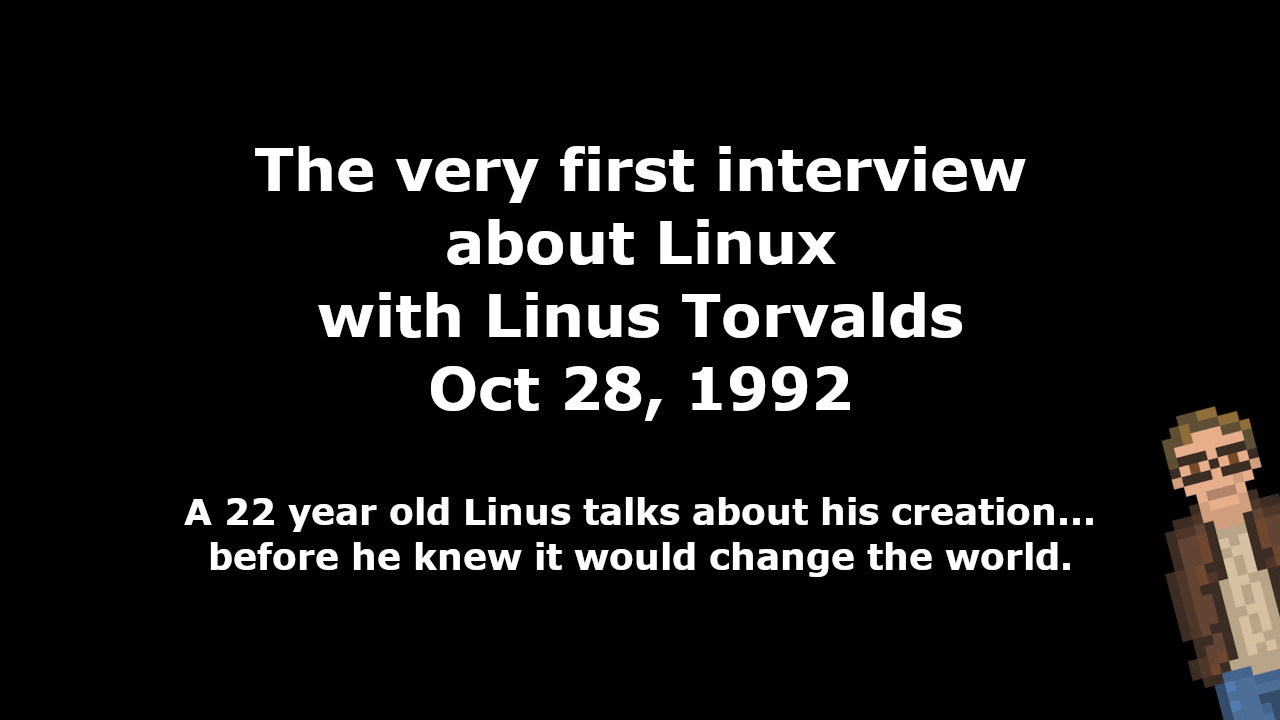
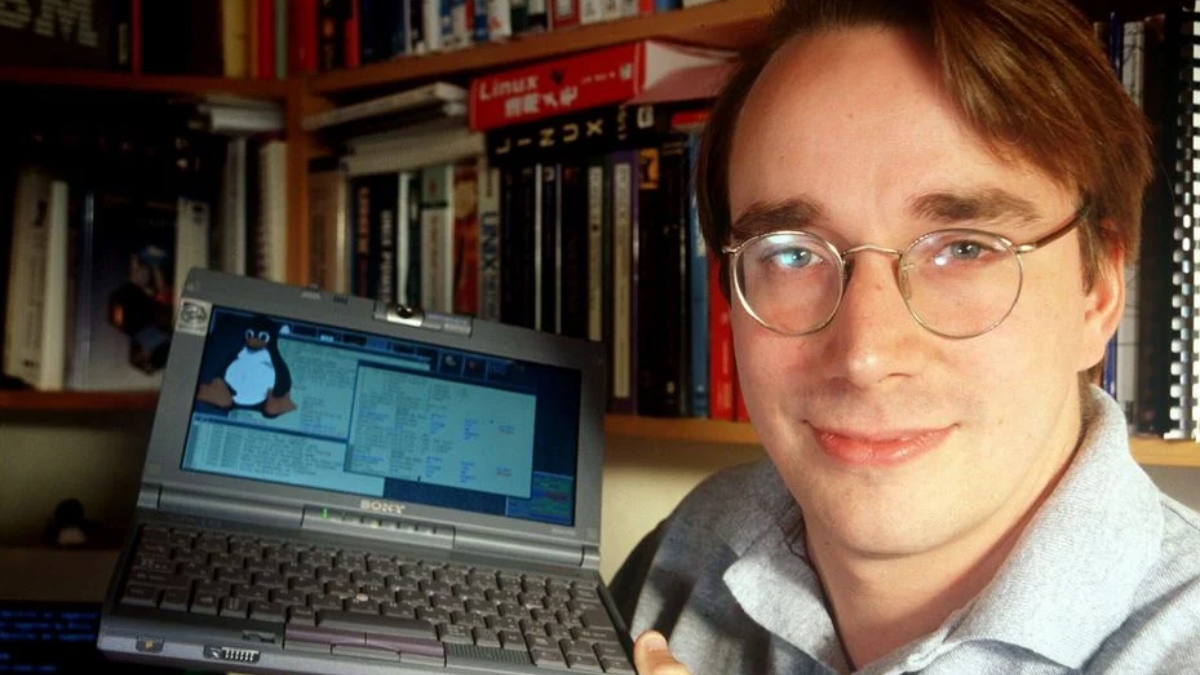
In the summer of 1991, a student at the University of Helsinki named Linus Torvalds sought a free, Unix-like operating system that could run on his personal Intel 386-based PC. Frustrated by the licensing restrictions and high costs of existing systems like MINIX and proprietary Unix variants, Torvalds began writing his own kernel from scratch. He famously posted a message to the Usenet newsgroup comp.os.minix in August 1991, describing his project as a hobby that "won't be big and professional like gnu."
This modest endeavor quickly evolved. Torvalds released the source code under a restrictive license that initially prohibited commercial redistribution, but by 1992, he relicensed Linux under the GNU General Public License (GPL). This decision proved pivotal, allowing developers worldwide to view, modify, and distribute the code freely as long as derivative works remained open source. The combination of Torvalds' kernel with the user-space utilities and compiler tools provided by Richard Stallman’s GNU Project created a complete, fully functional operating system: GNU/Linux.
Scaling Through the Open-Source Model
The true power of the Linux legacy lies not just in the code itself, but in the collaborative development model it popularized. Torvalds adopted a decentralized approach to software engineering, encouraging contributions from developers across the globe. Long before modern cloud-based development platforms existed, the Linux community coordinated via email and mailing lists, submitting patches for Torvalds and trusted lieutenants to review and integrate.
This cathedral-versus-bazaar dynamic—contrasting top-down proprietary software development with open, peer-reviewed collaboration—proved that a volunteer-driven community could produce software matching or exceeding the stability and performance of multi-billion-dollar corporate efforts. Torvalds positioned himself as a benevolent dictator, maintaining strict control over the core kernel architecture while empowering subsystem maintainers to handle specific components like networking, file systems, and hardware drivers.
Technical Milestones and Architectural Design
Unlike monolithic kernels that struggle with bloat or microkernels that can suffer from performance overhead due to heavy message-passing between services, Linux adopted a modular monolithic architecture. This design allowed device drivers and kernel modules to be loaded and unloaded dynamically while keeping core operating system services running within the same memory space for maximum execution speed.
| Era / Year | Milestone | Significance |
|---|---|---|
| 1991 | Initial Kernel Release (v0.01) | Marked the functional birth of the Linux operating system on x86 hardware. |
| 1996 | Linux 2.0 Release | Introduced symmetric multiprocessing (SMP) support and industrial-grade stability. |
| 2005 | Creation of Git | Torvalds developed Git to manage kernel source code tracking and version control. |
| 2011 | Linux 3.0 Release | Streamlined versioning numbers following the twentieth anniversary of the project. |
| Present | Linux 6.x Series | Powers modern hyperscale clouds, supercomputers, and embedded systems. |
The Creation of Git
Beyond the operating system kernel, Torvalds made another profound contribution to computer science: Git. In 2005, after the proprietary software agreement for BitKeeper—the version control system previously used by the kernel development team—was revoked, Torvalds faced a crisis. Dissatisfied with existing alternatives, he spent a few weeks designing and writing Git from scratch.
Git revolutionized version control by introducing a distributed architecture. Instead of relying on a single centralized server to store code history, every developer's local repository became a fully functioning repository complete with full history tracking. This design eliminated single points of failure, enabled lightning-fast branching and merging, and paved the way for platforms like GitHub and GitLab, which define modern software engineering workflows.
Global Impact Across Industries
Today, the footprint of the Linux legacy is ubiquitous. While desktop market share remains modest compared to consumer operating systems like Windows and macOS, Linux dominates almost every other computing sector:
- Enterprise Servers: The vast majority of enterprise data centers run enterprise Linux distributions such as Red Hat Enterprise Linux, Ubuntu, and Debian.
- Cloud Computing: Hyperscale cloud providers—including Amazon Web Services, Microsoft Azure, and Google Cloud Platform—rely on optimized Linux kernels to power virtual machines and containerized workloads.
- Supercomputing: According to historical metrics from the TOP500 project, 100% of the world's fastest supercomputers run on Linux.
- Mobile Devices: Android, the most widely deployed mobile operating system globally, is built directly on top of a customized Linux kernel.
- Embedded Systems and IoT: From automotive infotainment systems and smart home appliances to routers and medical equipment, Linux provides the stable foundation for connected hardware.
Ongoing Leadership and Stewardship
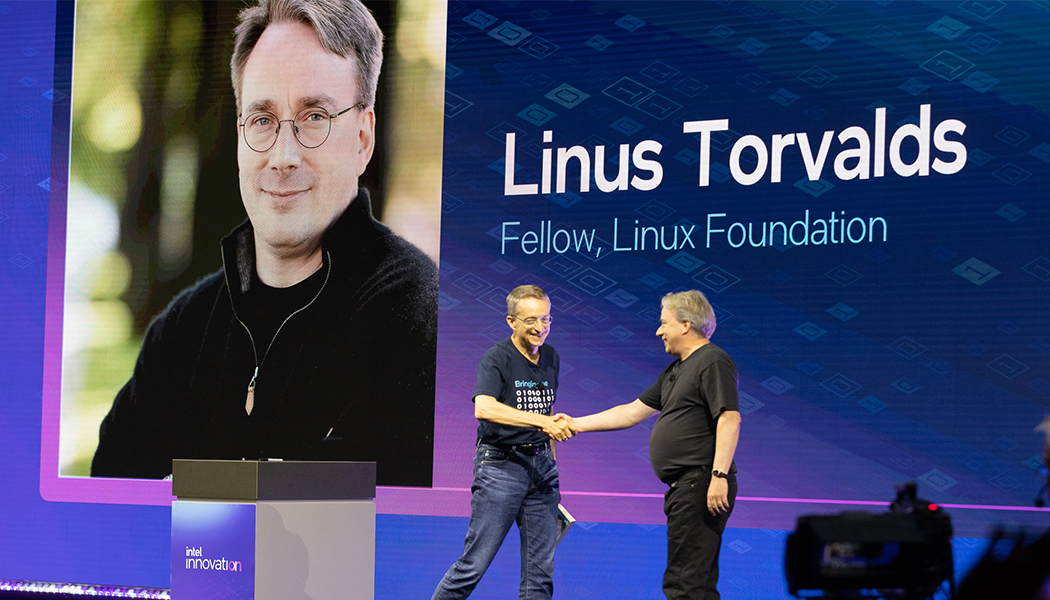
Even decades after his initial Usenet post, Linus Torvalds remains intimately involved in the development of the Linux kernel. Operating under the umbrella of the Linux Foundation—a non-profit consortium supported by major technology corporations—Torvalds continues to merge code, arbitrate architectural disputes, and oversee release cycles. His leadership style is characterized by pragmatism, technical meritocracy, and a relentless focus on stability and backwards compatibility. Torvalds famously established the golden rule of kernel development: "We never break user space," ensuring that updates to the kernel will never break applications built for previous versions.
Frequently Asked Questions
Did Linus Torvalds write the entire Linux operating system by himself?
No. Torvalds wrote the foundational core (the kernel) in 1991. The complete operating system, commonly known as GNU/Linux, combines the Linux kernel with software utilities, compilers, and libraries developed by thousands of independent programmers and the GNU Project.
Why is Git important to software development?
Git is a distributed version control system created by Torvalds in 2005 to manage Linux kernel development. It allows multiple developers to work on the same codebase simultaneously without overwriting each other's changes, tracking every modification with cryptographic security.
Is Linux free to use for commercial purposes?
Yes. The Linux kernel is licensed under the GNU General Public License version 2 (GPLv2). Businesses can use, modify, and distribute Linux in commercial products without paying licensing fees, provided they make the source code of the kernel and any modifications available under the same license terms.
How does Linus Torvalds maintain control over Linux development?
Torvalds acts as the lead maintainer of the Linux kernel. While thousands of developers contribute code patches, these patches must pass through a hierarchy of trusted subsystem maintainers before Torvalds personally reviews and merges them into the mainline repository.
What makes the Linux kernel architecture unique?
Linux uses a modular monolithic architecture. It runs core operating system services in a single memory space for high performance while allowing drivers and extensions to be loaded dynamically as modules when needed.
Conclusion and Next Actions
To understand modern computing is to understand the legacy of Linus Torvalds. His creation of both the Linux kernel and Git transformed software from a guarded corporate asset into a collaborative global resource. For developers, systems administrators, and technology strategists looking to engage with this legacy, studying Linux kernel internals, mastering Git workflows, and exploring open-source contribution guidelines provide essential pathways for professional growth in contemporary technology.
Image Gallery