The Biggest Prison in Texas: Structure, Capacity, and Operations
The biggest prison in Texas is the Estelle Unit, located in Huntsville, operating under the authority of the Texas Department of Criminal Justice (TDCJ). Spanning a massive operational footprint, this facility houses thousands of mediu...
The biggest prison in Texas is the Estelle Unit, located in Huntsville, operating under the authority of the Texas Department of Criminal Justice (TDCJ). Spanning a massive operational footprint, this facility houses thousands of medium-to-maximum security male inmates and serves as a central hub for specialized medical, psychiatric, and geriatric offender care within the state correctional system.
Contents
Understanding the Texas Department of Criminal Justice Infrastructure
The Texas Department of Criminal Justice manages one of the largest state correctional systems in the United States. To comprehend the scale of the biggest prison in Texas, one must analyze the broader organizational architecture that oversees dozens of units, thousands of correctional officers, and over 120,000 incarcerated individuals statewide.
State correctional planning relies on regional distribution, classification security levels ranging from minimum custody (G1) to administrative segregation, and specialized housing requirements. Prisons in Texas are categorized not just by their physical capacity, but by their functional mission—distinguishing between pre-release facilities, transfer units, substance abuse treatment centers, and high-security diagnostic hubs.
The Evolution of Corrections in the Lone Star State
Historically, the Texas prison system evolved from decentralized county-managed operations into a unified state agency following landmark federal litigation in the late 20th century. Modern facilities operate under strict operational mandates concerning population caps, medical care standards, and constitutional conditions of confinement.
Inside the Estelle Unit: Capacity and Operational Profile
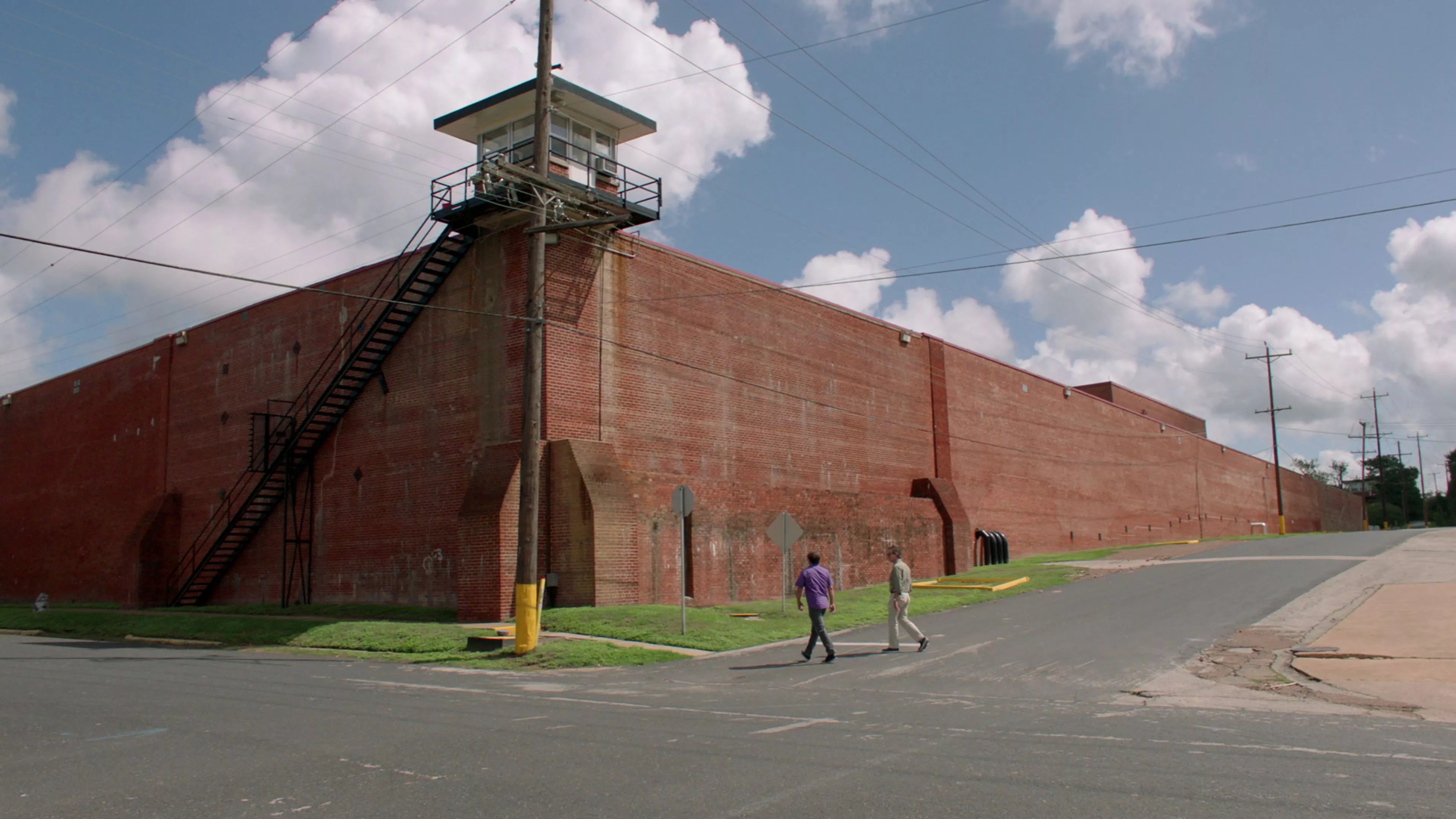
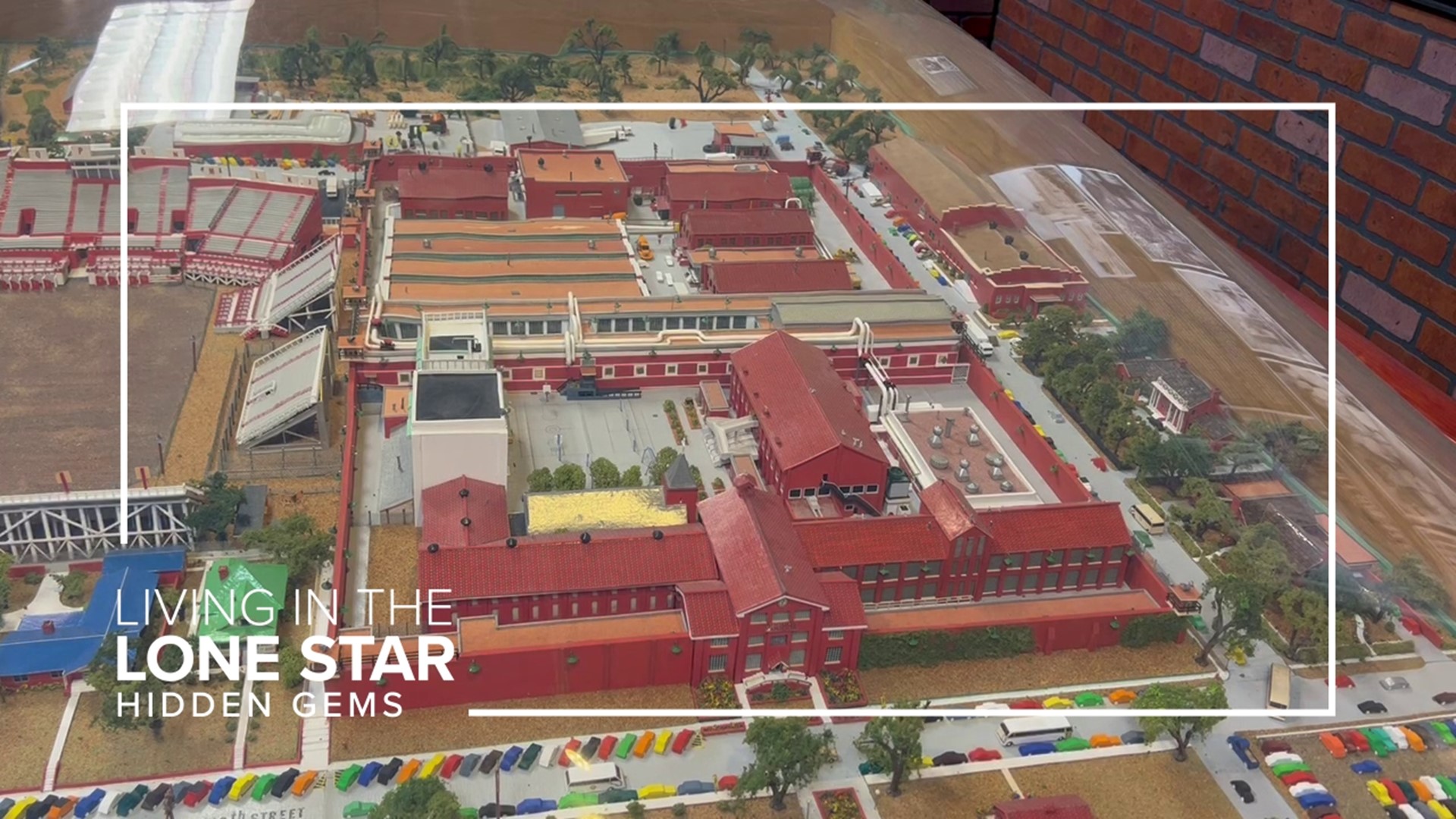
Located in Walker County, Huntsville, the Estelle High Security Unit stands as the largest prison facility in Texas by operational capacity and programmatic scope. Named after T.J. Estelle Jr., a former high-ranking TDCJ official, the facility functions as a multifaceted institution capable of housing over 3,000 male inmates at maximum security and administrative levels.
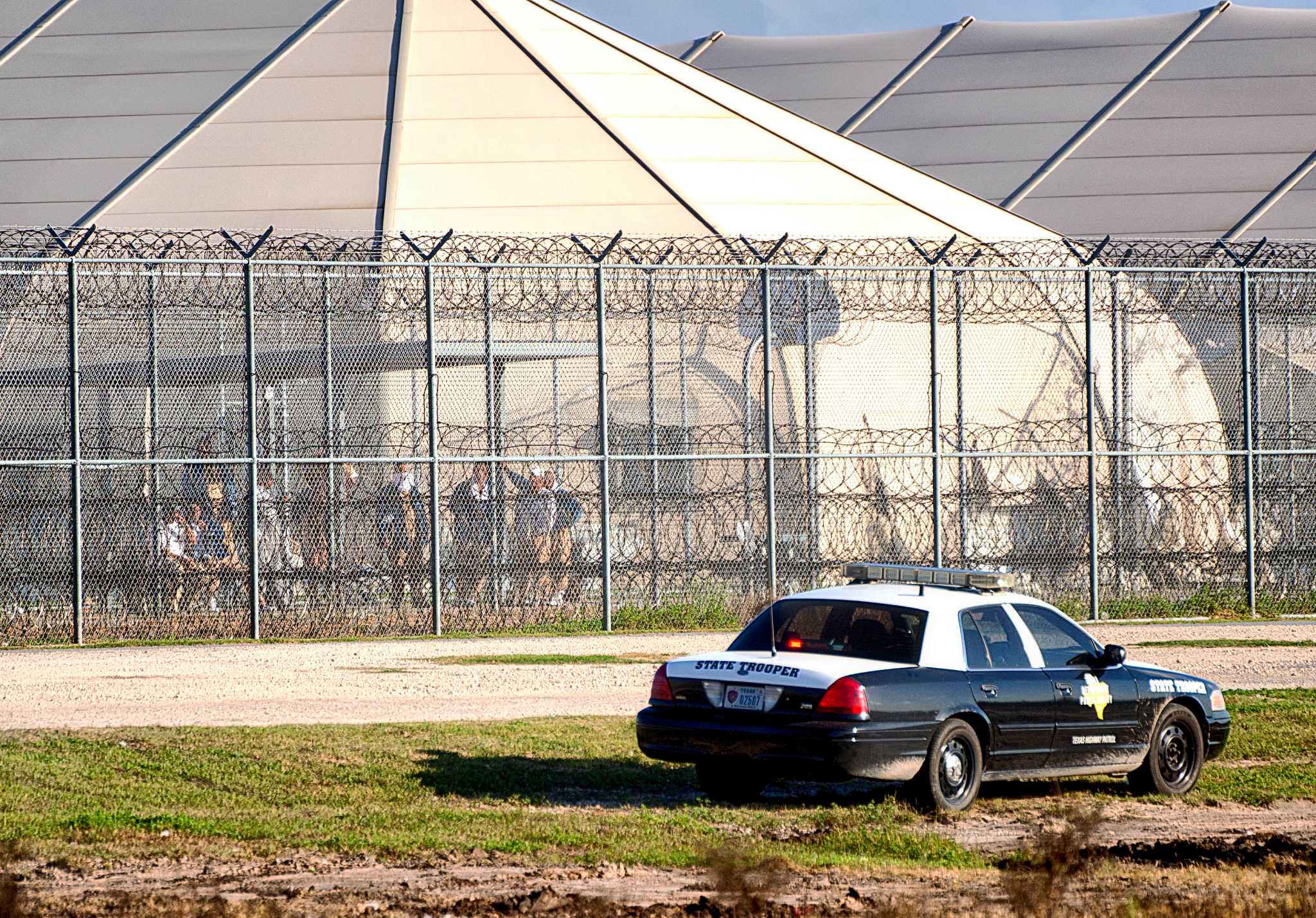
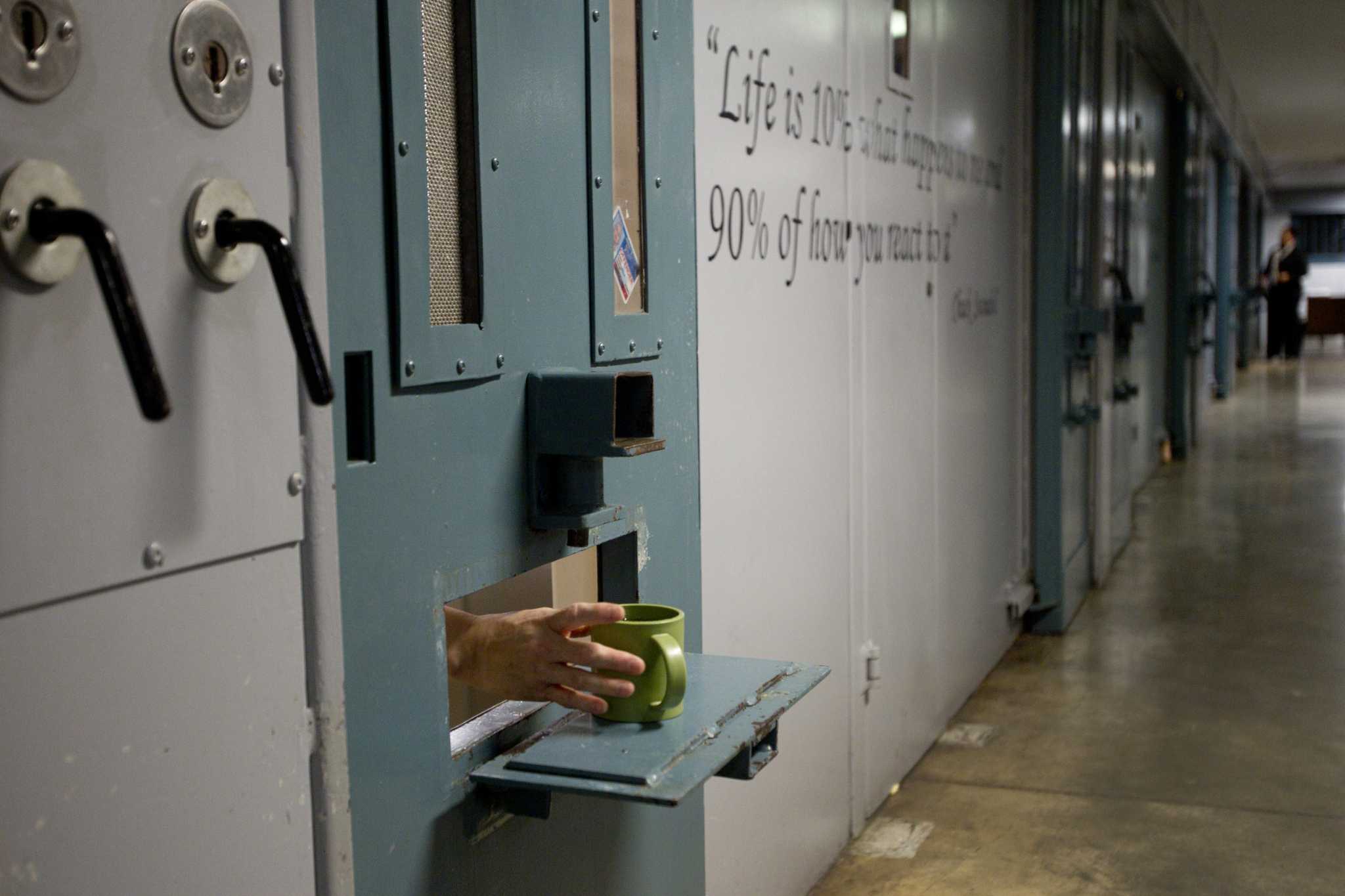
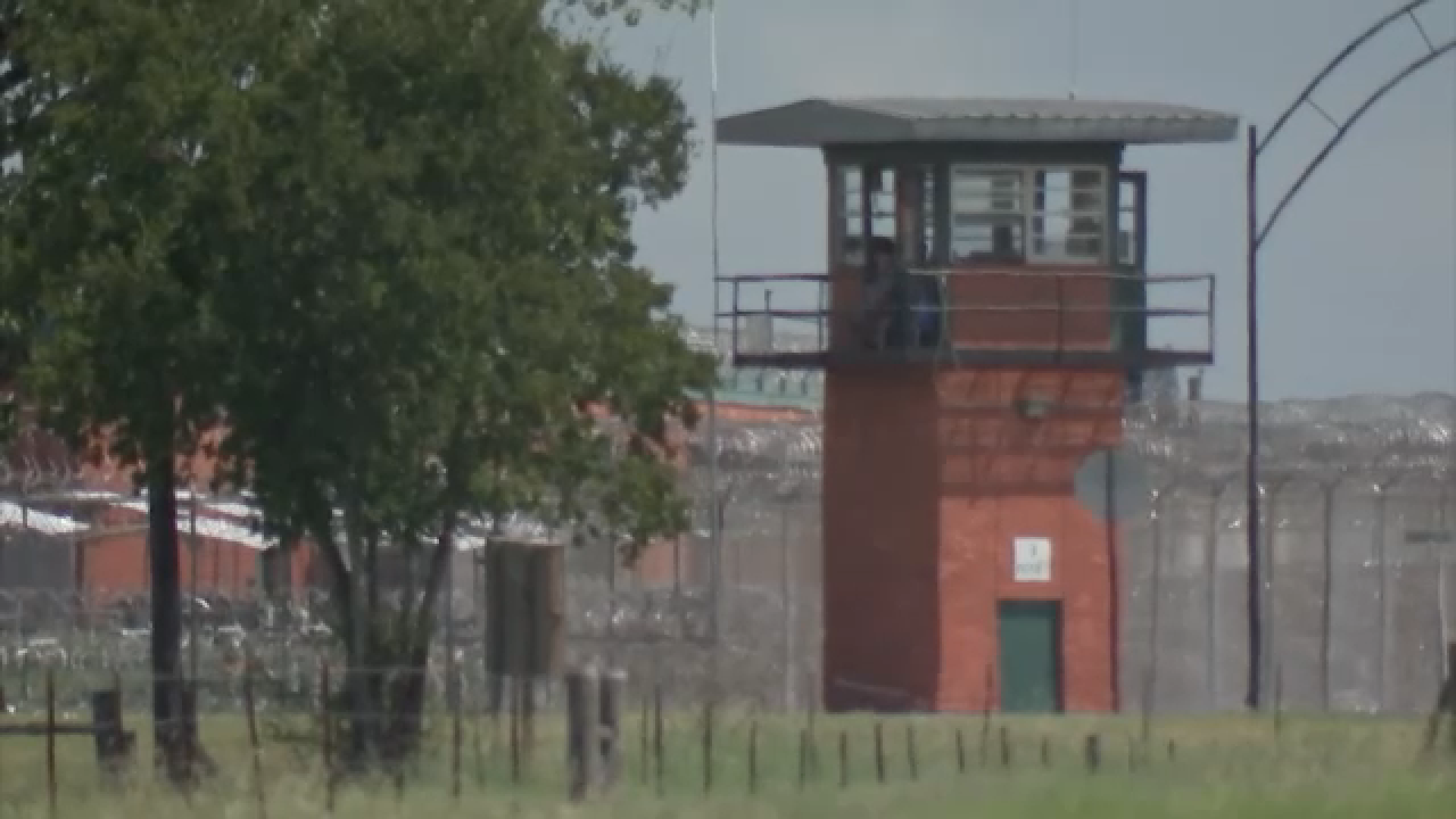
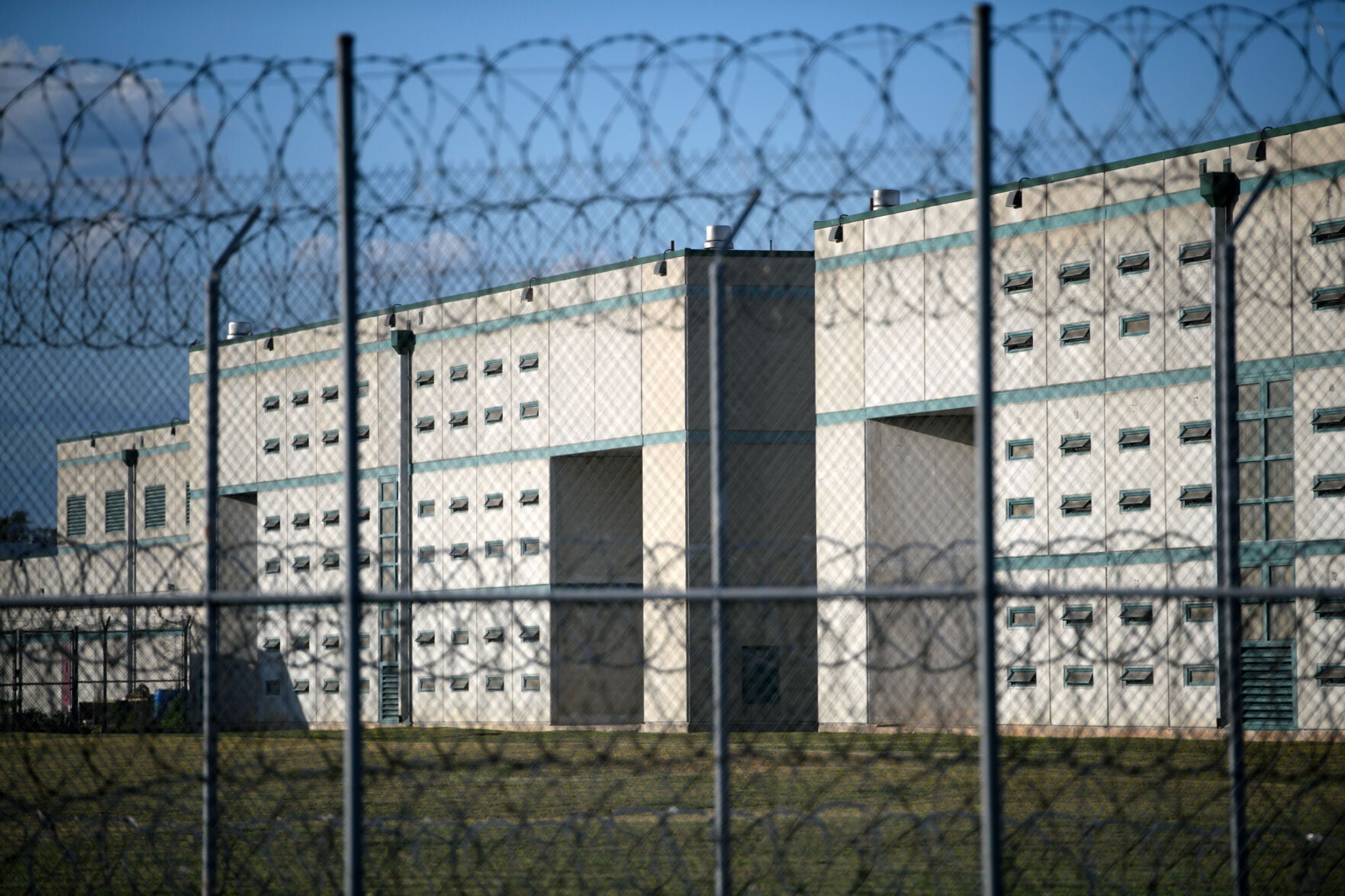
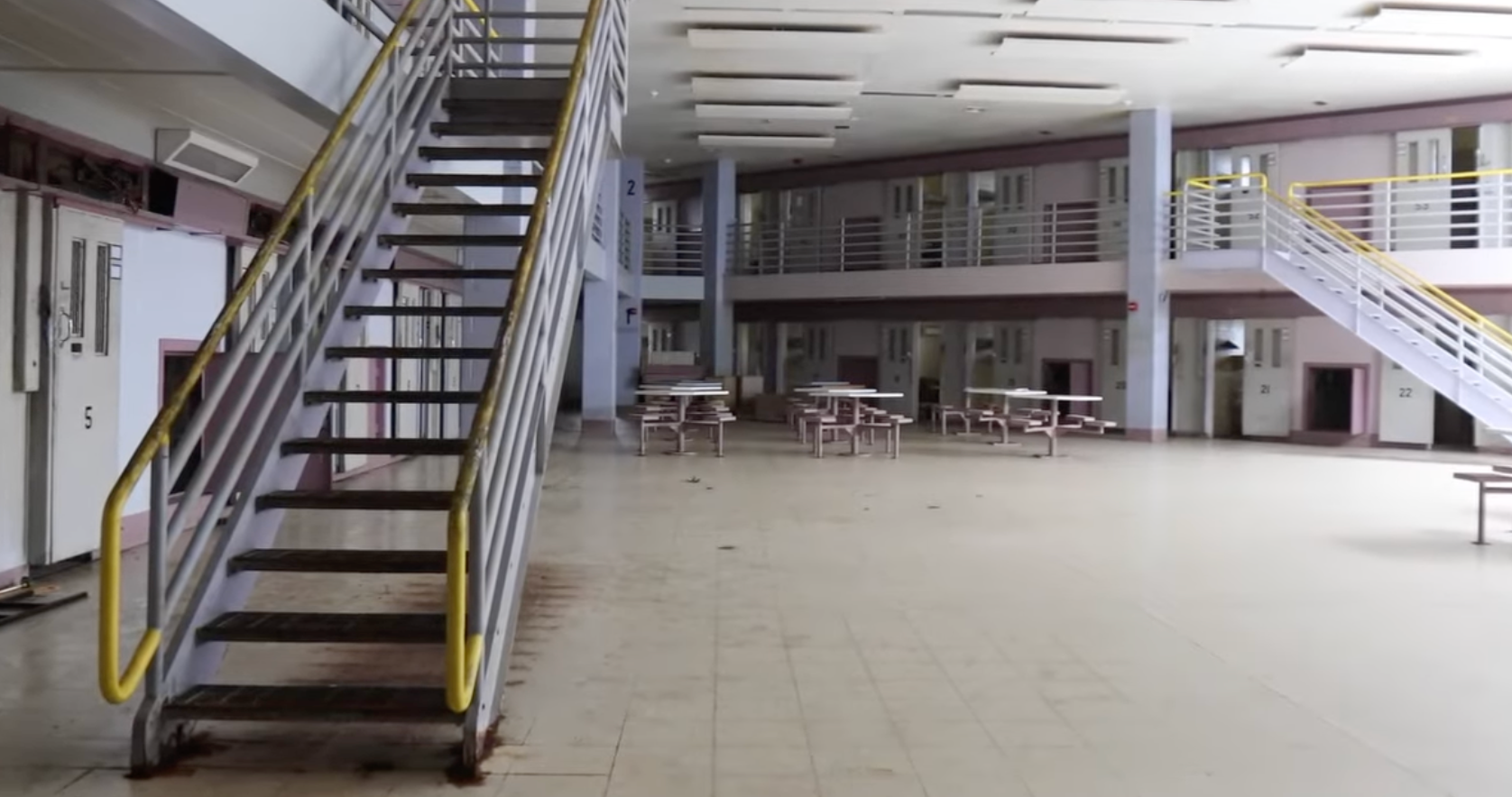
The facility's architectural and operational design emphasizes strict security protocols, perimeter control, and segmented housing pods. Inmates housed here often present significant behavioral challenges, long-term sentences, or specialized security risk group affiliations, requiring constant monitoring by specialized tactical and correctional personnel.
Key Facility Metrics of the Estelle Unit
- Location: Huntsville, Walker County, Texas
- Managing Agency: Texas Department of Criminal Justice (TDCJ)
- Gender: Male Offenders
- Security Classifications: Medium Security, Maximum Security, Administrative Segregation
- Specialized Services: Regional Medical Facility, Dialysis Center, Psychiatric Care
Specialized Medical and Psychiatric Infrastructure
Beyond its sheer population capacity, the Estelle Unit is critically important to the Texas correctional system because of its extensive medical infrastructure. Unlike standard facilities that handle only routine outpatient care, the Estelle Unit operates a major regional medical facility equipped to manage chronic illnesses, surgical recovery, and long-term geriatric care.
As the state's incarcerated population ages, facilities like Estelle face rising operational demands regarding chronic disease management, mobility assistance, and end-of-life care. The unit features specialized infirmary beds, dedicated pharmacy operations, and on-site dialysis capabilities to service inmates transferred from across the eastern region of Texas.
Healthcare Operations and Staffing Standards
- On-Site Services: 24/7 nursing triage, chronic disease clinics, physical therapy, and dental care.
- Psychiatric Housing: Specialized units designed for offenders with severe mental illness (SMI), supervised by licensed clinical psychologists and psychiatrists.
- Regional Transfers: Inmates requiring advanced diagnostics or extended recovery periods are routinely routed through Estelle to minimize external hospital transport risks and costs.
Comparison of Major Correctional Facilities in Texas
To contextualize the scale of the Estelle Unit, it helps to compare it with other prominent large-scale correctional facilities managed by the TDCJ. While Estelle holds the title for largest combined operational footprint and medical complexity, other units rival or exceed it in specific population metrics.
| Facility Name | Location | Primary Security Level | Approximate Capacity | Key Operational Focus |
|---|---|---|---|---|
| Estelle Unit | Huntsville | Medium to Maximum | ~3,300+ | Regional Medical Facility, Psychiatric Care, General Population |
| Clemens Unit | Brazoria County | Minimum to Medium | ~1,200+ | Agricultural Production, Work Programs |
| Polunsky Unit | Livingston | Maximum / Death Row | ~2,900+ | Administrative Segregation, State Death Row for Men |
| Powderly Unit | Lamar County | Minimum | ~600+ | Pre-release and Substance Abuse Treatment |
Daily Life, Rehabilitation, and Work Programs
Life inside the biggest prison in Texas is governed by rigid schedules, strict adherence to institutional rules, and structured daily routines. Despite the high-security environment, the TDCJ implements various rehabilitation, educational, and vocational programs designed to reduce recidivism upon release.
Inmates participate in work assignments essential to the self-sustainability of the facility, ranging from food service and laundry operations to building maintenance. Educational initiatives offer literacy programs, vocational training in trades such as carpentry and welding, and opportunities to earn General Educational Development (GED) certificates.
Institutional Security Protocols: All movement within the Estelle Unit is strictly monitored using electronic tracking, gated security sally ports, and armed supervisory posts. Inmates are subject to random contraband searches, scheduled headcounts multiple times per shift, and comprehensive classification reviews to ensure institutional safety.
Frequently Asked Questions
What is the largest prison in Texas?
The Estelle Unit in Huntsville, Texas, is recognized as the largest prison complex in the state, largely due to its massive operational capacity and extensive regional medical facilities. It houses thousands of male inmates across multiple security classifications.
Where is the Estelle Unit located?
The Estelle Unit is situated in Huntsville, Walker County, Texas, just north of Houston. It operates under the direct jurisdiction of the Texas Department of Criminal Justice (TDCJ).
Does the Estelle Unit house death row inmates?
No, male death row inmates in Texas are primarily housed at the Polunsky Unit located in Livingston, Texas. The Estelle Unit focuses on medium-to-maximum security general population and specialized medical/psychiatric care.
What kind of medical care is provided at Estelle?
The facility operates a major regional medical hospital unit equipped to handle chronic illnesses, major surgeries, psychiatric stabilization, and specialized treatments like dialysis for inmates from across the state system.
How can family members visit an inmate at the Estelle Unit?
Visitors must be pre-approved on the inmate's approved visitor list, pass a criminal background check, and schedule appointments according to TDCJ visitation guidelines, dress codes, and operational hours.
Navigating TDCJ Policies and Visitation Guidelines
For families and legal representatives interacting with inmates at the Estelle Unit, adherence to TDCJ administrative rules is mandatory. Visitation schedules are strictly regulated, requiring online visitor applications, valid government-issued identification, and adherence to strict dress codes. Inmates may also communicate via authorized electronic messaging platforms and monitored telephone systems managed through contracted state vendors. Understanding these operational parameters ensures compliance and maintains consistent communication channels with incarcerated individuals.
Image Gallery