Complete Guide to Emergency Exit Seats on Planes: Rules, Extra Legroom, and Responsibilities
Emergency exit seats on commercial aircraft offer significantly more legroom than standard economy seats, making them highly desirable for air travelers. However, sitting in an exit row comes with strict legal requirements, physical ex...
Emergency exit seats on commercial aircraft offer significantly more legroom than standard economy seats, making them highly desirable for air travelers. However, sitting in an exit row comes with strict legal requirements, physical expectations, and safety responsibilities mandated by civil aviation authorities worldwide. Understanding eligibility criteria, seat trade-offs, and emergency protocols ensures a safe and comfortable flight.
Contents
What Are Emergency Exit Seats on Planes?
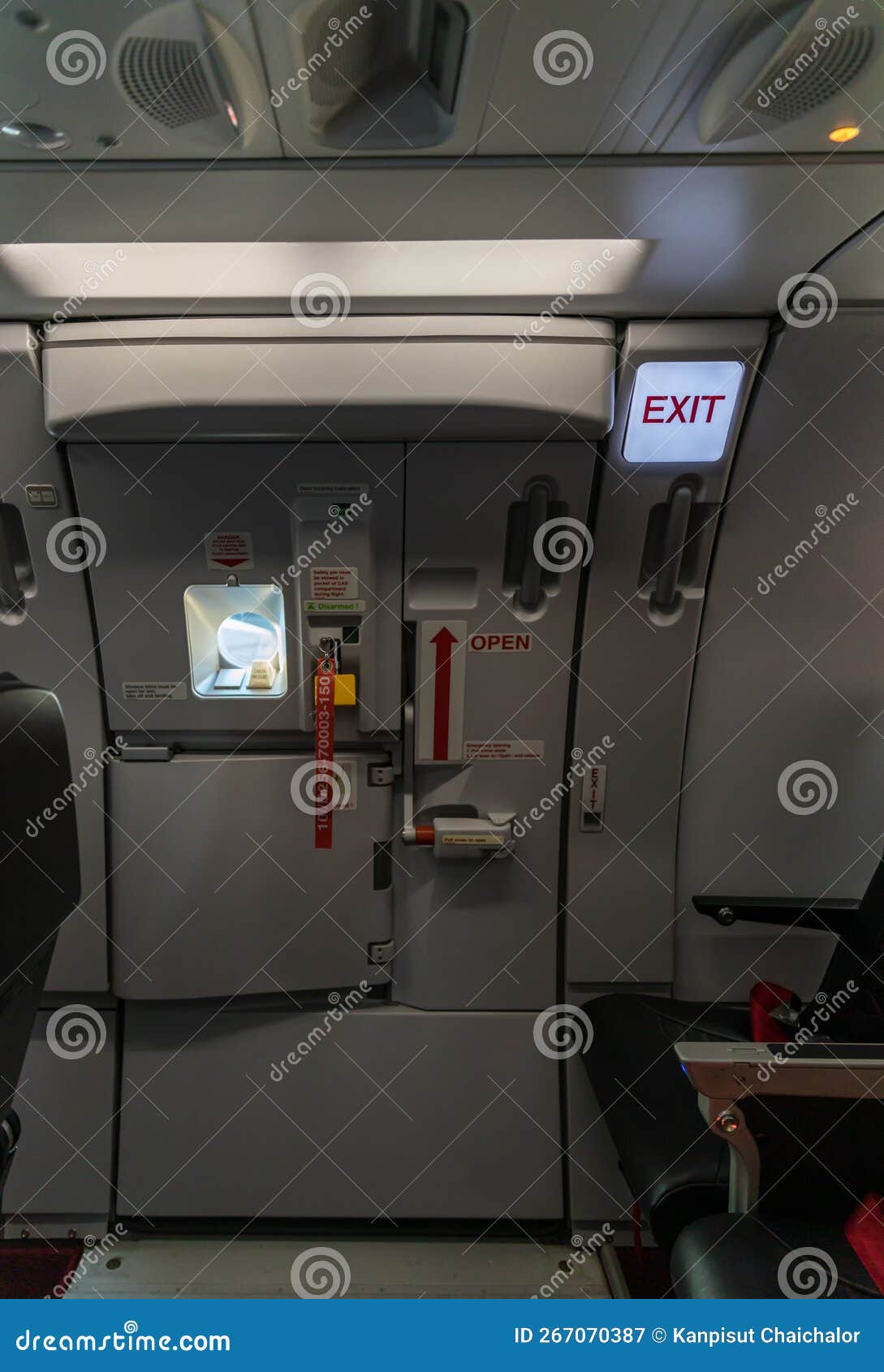
Emergency exit seats are rows located adjacent to aircraft emergency exits, designed to facilitate rapid passenger evacuation during an aviation incident. Civil aviation regulators mandate that exit pathways remain unobstructed, which requires airlines to maintain wider spacing between exit rows than in standard economy seating.
Depending on the aircraft's size and configuration, exit seats generally fall into two structural categories:
- Overwing Exits: Common on narrow-body aircraft like the Boeing 737 and Airbus A320 families, these exits consist of removable hatches or plug doors situated over the aircraft wings. Passengers in these rows sit directly next to hatch mechanisms that weigh between 30 and 45 pounds (14 to 20 kg).
- Floor-Level Door Exits: Found on wide-body long-haul aircraft like the Boeing 787, Boeing 777, and Airbus A350, as well as at the main boarding doors of narrow-body jets. These exits feature heavy mechanical doors equipped with inflatable evacuation slides or rafts.
Because these rows form critical pathways for passenger evacuation, civil aviation agencies enforce strict operational standards. The extended space between rows is designed primarily to allow quick passage for dozens of passengers, though it double-functions as premium legroom for occupants during normal operations.
Legal Requirements and Passenger Eligibility Criteria
Sitting in an emergency exit row is a functional role, not merely a comfortable upgrade. Aviation safety authorities—such as the United States Federal Aviation Administration (FAA) under 14 CFR 121.585 and the European Union Aviation Safety Agency (EASA)—legally mandate that cabin crew evaluate and approve every passenger seated in an exit row.
- Exit Row Passenger Qualifications
- Physical Ability
- Lift 30-50 lbs
- Reach & operate
- Mobility & agil
- Capacity & Age
- Age 15+ (US)
- Fluent language
- Hearing & vision
- Physical Ability
Mandatory Prerequisites for Exit Row Passengers
To qualify for an exit row seat, a passenger must meet all of the following criteria:
- Minimum Age: In the United States, passengers must be at least 15 years old. In Europe and other international jurisdictions, minimum age requirements range from 12 to 16 years, depending on national aviation rules and individual airline policies.
- Physical Strength and Mobility: The occupant must possess sufficient strength, dexterity, and mobility in both arms, hands, and legs to reach, grasp, manipulate, push, pull, or lift heavy exit mechanisms and toss hatches weighing up to 45 pounds outside the aircraft.
- Visual and Hearing Acuity: The passenger must be able to assess outside conditions (looking for fire, smoke, water levels, or debris) without aids other than eyeglasses or contact lenses, and hear oral instructions given by cabin crew members.
- Language Proficiency: The passenger must be fully proficient in the primary official language of the operating airline (or designated crew language) to understand written safety instructions and verbal commands during an emergency.
- Willingness and Mental Capacity: The occupant must be willing to perform emergency functions without assistance, possess the cognitive capacity to follow complex steps under intense stress, and refrain from traveling with responsibilities—such as caring for small children—that could distract them during an evacuation.
Disqualifying Factors
Flight attendants will reassign any passenger who exhibits any of the following disqualifying conditions prior to departure:
- Traveling with Dependents: Anyone traveling with infants, small children, or individuals requiring continuous care.
- Service Animals: Passengers traveling with service animals, emotional support animals, or pets in cabin carriers.
- Use of Seat Belt Extenders: Most regulatory frameworks and airline operating manuals prohibit passengers requiring seat belt extenders from sitting in exit rows, as extra belt webbing poses a trip hazard in narrow evacuation corridors.
- Pre-existing Medical Conditions or Injuries: Temporary or permanent physical limitations, including wearing a cast, using a cane, pregnancy, severe arthritis, or visual/hearing impairments not corrected by basic glasses/hearing aids.
Pros and Cons of Booking Exit Row Seats
While extra legroom is the most obvious benefit of exit row seating, travelers should weigh several practical advantages and limitations before selecting or paying extra for these seats.
- Exit Row Seating Trade-Offs
- Pros
- 3 to 8+ inches extra legroom
- No seat reclining into space
- Easier access for tall travelers
- Faster deplaning options
- Cons
- No floor storage for takeoff
- Fixed, narrower armrests
- Tray tables in armrest
- Restricted recline on row in front or within exit rows
- Pros
Key Advantages
- Expanded Seat Pitch: Exit rows typically offer 35 to 42 inches of seat pitch (the distance from one seat back to the next), compared to 29 to 31 inches in standard economy rows. This provides ample knee room for tall passengers.
- Unobstructed Workspace: Extra space makes it easier to use laptops or tablets without the seat ahead leaning into your workspace.
- Fewer Neighbor Disruptions: Aisle passengers in exit rows rarely need to stand up to allow window or middle seat occupants to exit toward the lavatory.
Drawbacks and Comfort Trade-offs
- Strict Storage Restrictions: During taxi, takeoff, and landing, no loose items (including backpacks, purses, laptops, or coats) may be placed under the seat in front or on the floor. Everything must go into the overhead bins to keep the evacuation pathway clear.
- Narrower Seat Width: In many exit rows, tray tables and inflight entertainment screens are stowed inside the armrests rather than attached to the seat back ahead. This design makes armrests fixed and immovable, reducing seat width by roughly 0.5 to 1 inch.
- Recline Restrictions: Rows directly in front of an exit row often do not recline, ensuring they do not encroach on the emergency pathway. Conversely, the exit row seat itself may have limited or zero recline if there is a second exit row directly behind it.
- Temperature Variations: Exits doors and emergency hatch seals let in more cold ambient air at cruising altitudes, making exit rows noticeably cooler than middle-cabin seating.
Emergency Exit Seat Specifications across Common Aircraft
Aircraft layout varies by manufacturer, airline seating configuration, and door mechanisms. The following comparison illustrates typical specifications across major commercial aircraft types operating in modern fleets.
| Aircraft Model | Exit Door Type | Average Legroom / Pitch | Tray Table Location | Under-Seat Storage (Taxi/Takeoff/Landing) | Seat Recline Availability |
|---|---|---|---|---|---|
| Boeing 737-800 / MAX 8 | Double Overwing Hatches | 38 – 41 inches | In Seat Back (or Armrest) | Prohibited | Row 14: No / Row 15: Full |
| Airbus A320neo | Overwing Exits (Self-disposing) | 37 – 39 inches | In Seat Back | Prohibited | Row 12: No / Row 13: Full |
| Boeing 787-9 Dreamliner | Floor-Level Main Doors | 36 – 38 inches | In Armrest | Prohibited | Full |
| Airbus A350-900 | Floor-Level Main Doors | 36 – 40 inches | In Armrest | Prohibited | Full |
| Embraer E190 / E195 | Overwing Exits | 36 – 38 inches | In Seat Back | Prohibited | Full |
Note: Specific row numbers and seat pitch measurements vary by individual airline configuration.
Duties and Responsibilities of Exit Row Occupants
When seating in an exit row, passengers accept a legal obligation to assist the flight crew during an emergency evacuation. Before departure, cabin crew conduct an operational verbal briefing.
Emergency Evacuation Sequence:
- Remain calm & await crew command / assess outside conditions
- Unlatch and operate hatch or door mechanism (30-45 lbs)
- Dispose of hatch outside or verify slite inflation
- Assist and direct passengers away from aircraft hazards
Verbal Briefing and Consent
Prior to pushing back from the gate, a flight attendant will approach the exit row to:
- Verify that each occupant meets all legal age and physical criteria.
- Brief passengers on opening mechanisms and safety instructions located on the seat-back safety card.
- Ask for an explicit, audible verbal response confirming willingness to assist (a head nod is legally insufficient).
If a passenger feels uncomfortable, unprepared, or physically unable to fulfill these duties, they must request reassignment immediately. Flight attendants will relocate them to a standard economy seat without prejudice.
Action Protocols in an Emergency Evacuation
If an emergency landing occurs and the captain or lead flight attendant commands an evacuation, exit row passengers must follow these steps:
- Assess Outside Conditions: Look through the exit window before touching the release handle. Do not open the door if you see fire, heavy smoke, pooled fuel, obstruction, or high water levels outside.
- Unlatch the Exit Mechanism:
- For overwing hatches: Remove the cover guard, pull the release handle downward, lift the door inward, rotate it horizontally, and toss it outward onto the wing away from the escape route.
- For floor-level doors: Move the operating lever fully in the direction of the arrow and allow the power-assist or slide mechanism to open the door completely.
- Deploy Evacuation Slides (if applicable): Ensure the escape slide automatically inflates. If it fails, manually pull the manual inflation handle located at the door sill.
- Direct Passenger Flow: Step outside onto the wing or stand firm near the door structure, holding the assist handle, and direct evacuees away from hazards using clear, loud commands (e.g., "Come this way! Step out! Slide!").
How to Book and Secure Exit Row Seats
Airlines frequently sell exit row seats as preferred economy or extra-legroom seats for an additional fee, or offer them as complimentary perks to elite frequent flyer members.
Booking Methods
- Advance Purchase Online: During initial flight reservation, passenger maps highlight exit rows with distinct icons. You can select and pay for these seats during checkout.
- Frequent Flyer Privileges: Elite status members with programs like American Airlines AAdvantage, Delta SkyMiles, or United MileagePlus can often reserve exit row seating at no extra charge during booking or check-in windows.
- Check-In Availability: Unreserved exit row seats may become available 24 hours prior to departure. Passengers can upgrade during online check-in or at airport self-service kiosks.
Airport Gate Screening
Because self-service web check-in cannot fully verify physical ability, airline gate agents and flight attendants reserve the final right to assess passengers. If an agent determines at the gate or aboard the aircraft that a passenger does not meet eligibility guidelines, the airline will reassign that passenger to a standard seat.
If you are relocated due to safety non-compliance, seat fee refund policies vary by carrier; non-eligibility usually forfeits eligibility for automated refunds unless requested through customer service.
Frequently Asked Questions
Do emergency exit seats recline?
It depends on the row's position relative to other exits. If an aircraft has two consecutive exit rows (such as Rows 14 and 15 on many Boeing 737s), the forward exit row (Row 14) will not recline to avoid obstructing the exit route behind it. The aft exit row (Row 15) usually reclines normally. Seats in the row directly in front of an exit row also typically have locked seat backs to protect the emergency aisle clearance.
Can I place my bag under the seat in front of me in an exit row?
No. During taxi, takeoff, and landing, the floor area in an exit row must remain entirely clear of loose personal items, including small purses, laptop bags, and coats. All personal items must be stored in the overhead bins. Once the aircraft reaches cruising altitude and the seatbelt sign is turned off, some airlines allow small personal items to be retrieved, but they must be returned to overhead storage before landing preparation begins.
Are seat belt extenders allowed in the exit row?
Generally, no. Federal aviation regulations and carrier operating procedures prohibit passengers who require seat belt extenders from sitting in exit rows. Excess belt strap material presents a potential tripping hazard along critical evacuation routes. If you require an extender, cabin crew will move you to a standard seat row.
What happens if I am seated in an exit row and do not want the responsibility?
You have the right to request a seat change at any time before departure. Simply inform a flight attendant during boarding or during the exit row safety briefing that you prefer not to sit in an exit row. Crew members will swap your seat with another willing passenger elsewhere in the cabin without asking for explanation.
Why do airlines charge extra for exit row seats if they come with duties?
Airlines charge premium fees for exit row seats primarily because they offer several inches of additional legroom, comparable to premium economy space. Passengers pay for the added physical space and comfort during flight, provided they meet the legal safety requirements to occupy the row.
Final Guidance for Travelers
When deciding whether to select an exit row seat for your next flight:
- Evaluate Physical Preparedness: Ensure you are physically capable of lifting heavy hatch equipment and acting decisively in an emergency.
- Review Luggage Habits: If you rely on keeping medications, electronics, or personal items at your feet for immediate access during takeoff or landing, choose a standard economy or bulkhead seat instead.
- Check Aircraft Layout Maps: Consult resources like airline seat maps to confirm whether a specific exit row reclines or features fixed armrests that narrow seat width.
- Confirm Eligibility Requirements: Ensure no members of your travel party are under the age limit or traveling with young children, pets, or physical conditions that mandate reassignment.
Occupying an emergency exit row offers exceptional comfort on long flights, provided you accept both the physical restrictions and safety responsibilities required by flight safety regulations.
Image Gallery