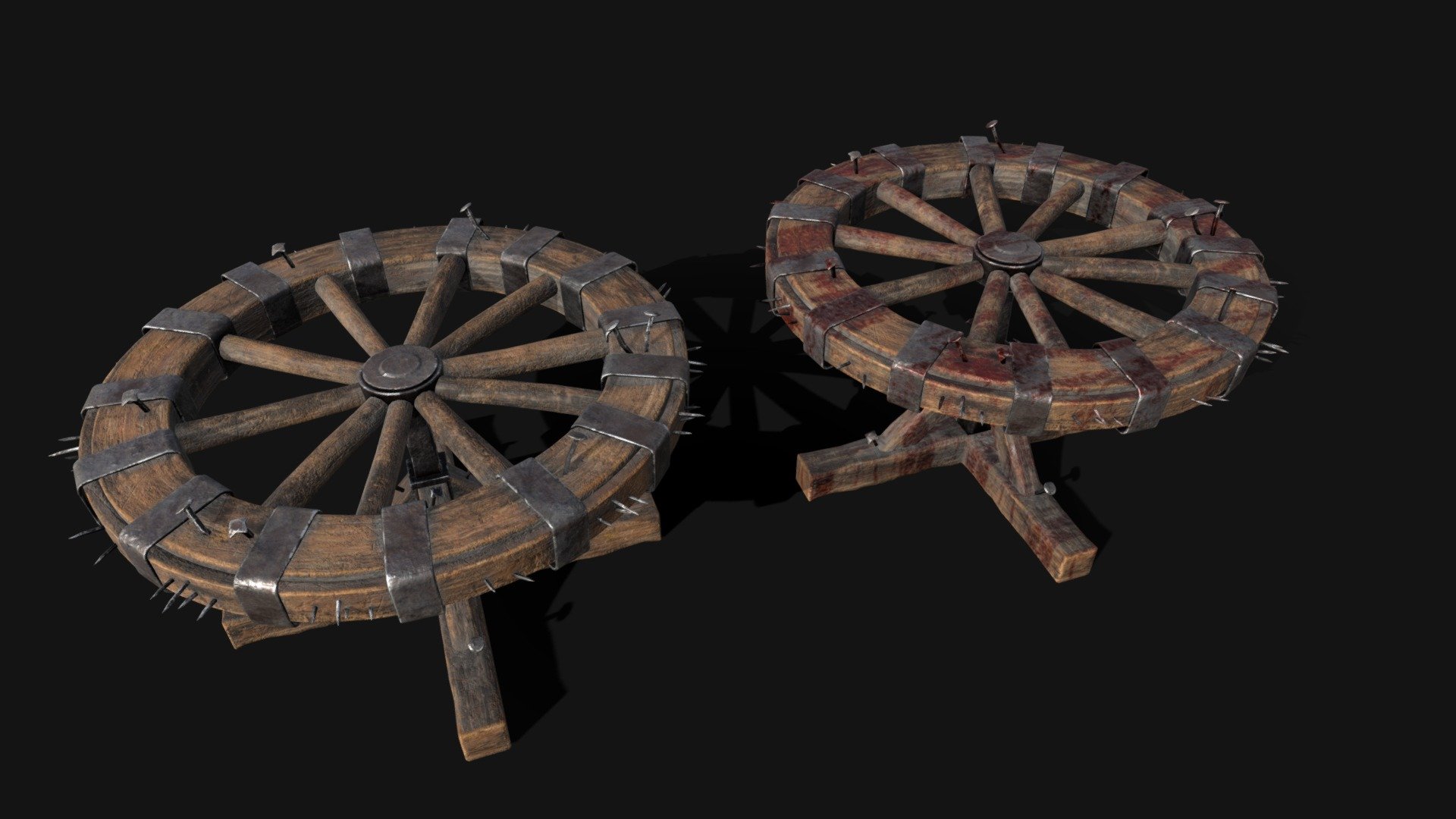
Understanding the History and Mechanics of Breaking on the Wheel
Breaking on the wheel, also known as the Catherine wheel, was a method of capital punishment used for centuries across Europe to execute those convicted of the most heinous crimes. It involved systematically fracturing the victim's lim...
Breaking on the wheel, also known as the Catherine wheel, was a method of capital punishment used for centuries across Europe to execute those convicted of the most heinous crimes. It involved systematically fracturing the victim's limbs with a heavy iron-shod wheel or a bludgeon before display, often resulting in a prolonged and agonizing death.
Contents
As of 2026, breaking on the wheel remains one of the most studied subjects in the history of judicial violence and penal evolution. While the practice was eventually phased out during the Enlightenment and the 19th century, its legacy persists in legal history, art, and the hagiography of various saints. This article examines the procedural mechanics, legal frameworks, and cultural implications of this form of execution, providing a comprehensive look at why and how it was utilized for over half a millennium.
The Legal Framework of Judicial Breaking
To understand breaking on the wheel, one must first understand the legal environment of the Middle Ages and the early modern period. In the Holy Roman Empire, the definitive legal text was the Constitutio Criminalis Carolina (CCC), established in 1532 by Emperor Charles V. This code codified the use of the wheel as a punishment for crimes that were considered particularly "dishonorable" or damaging to the social fabric, such as aggravated murder, parricide, and highway robbery.
The law did not view the wheel simply as a means of killing; it was a symbolic "breaking" of the criminal’s power and a public cleansing of the community. Unlike beheading, which was often reserved for the nobility and viewed as a "clean" death, breaking on the wheel was designed to deny the body its integrity. The shattered state of the remains was intended to serve as a visceral deterrent to the public.
The Mechanics of Execution: Two Primary Methods
There were two main variations of the execution, depending on the jurisdiction and the severity of the crime. Both required a professional executioner skilled in the "art" of bone-breaking without causing immediate death.
1. Breaking from the Bottom Up
This was the most severe form of the punishment. The executioner began by breaking the ankles and moved upward to the shins, thighs, wrists, and elbows. By starting with the extremities, the executioner ensured the victim remained conscious for as long as possible. The final blows were delivered to the chest or neck, though in many cases, these "mercy blows" (known as coups de grâce) were specifically forbidden or delayed.
2. Breaking from the Top Down
Reserved for crimes deemed slightly less offensive, or when a judge showed a modicum of "mercy," the executioner would deliver the first blows to the neck or chest. This usually resulted in immediate death or unconsciousness, after which the remaining limbs were broken to fulfill the statutory requirement of the sentence.
The Use of the Wheel Itself
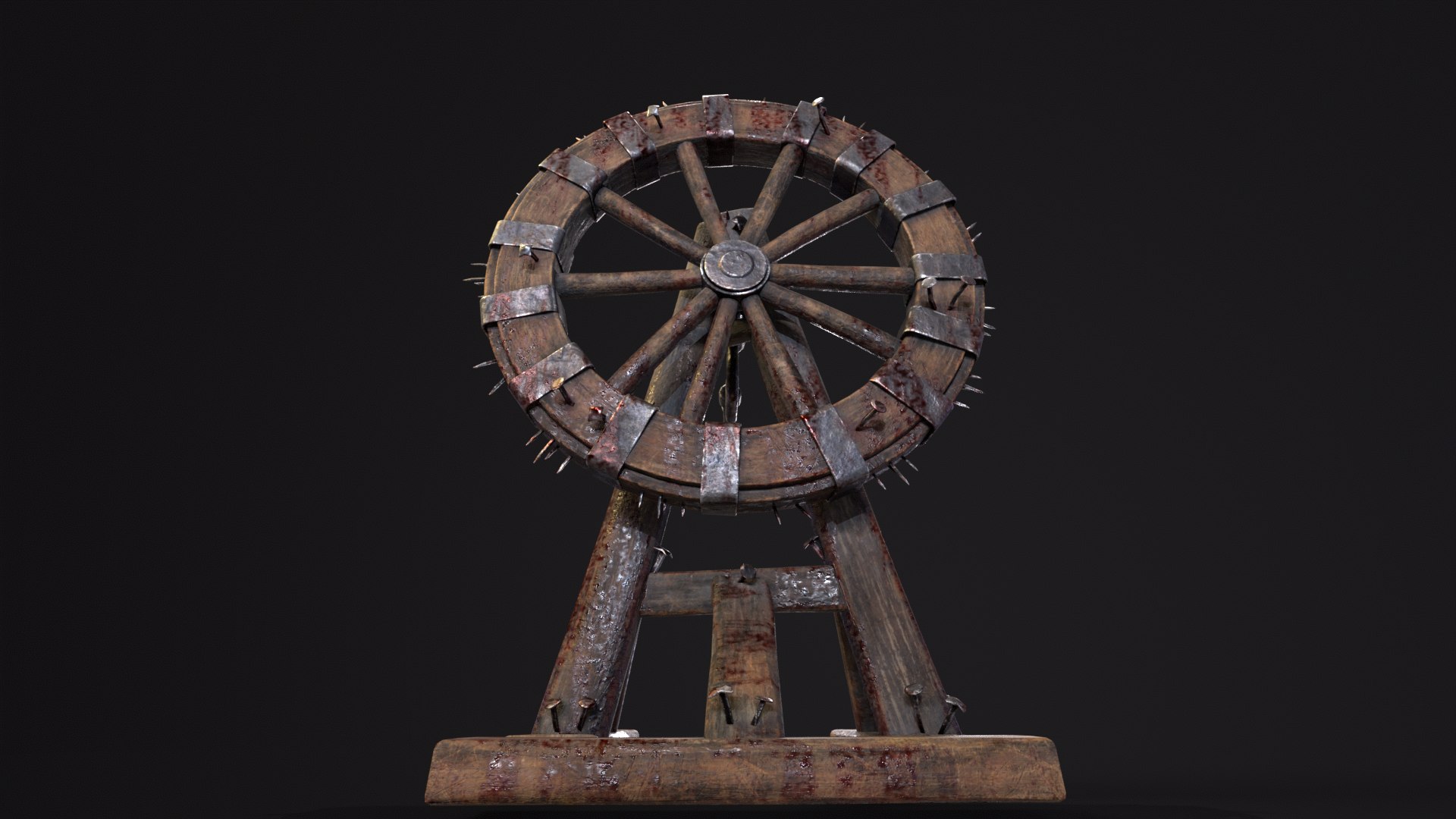
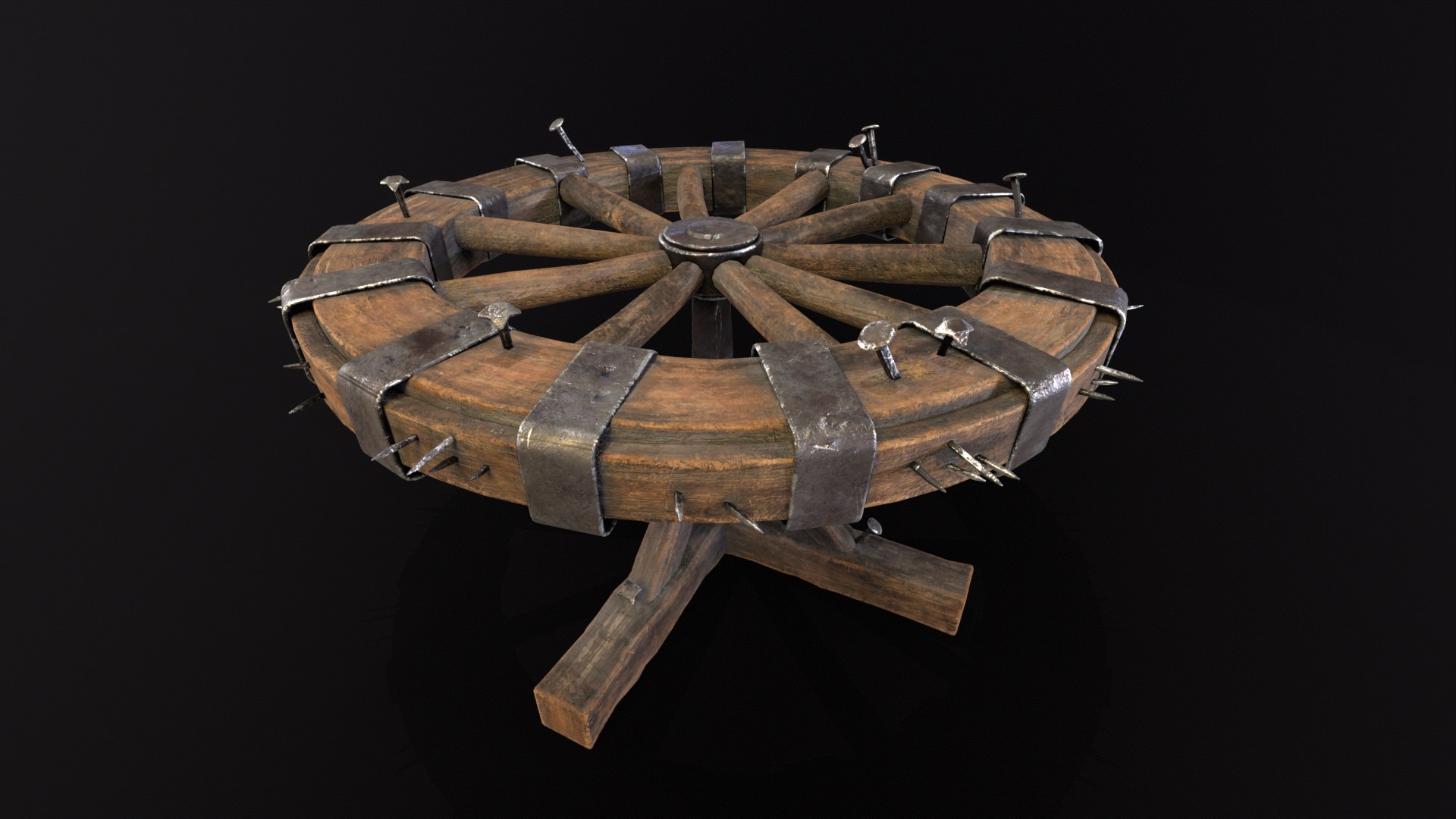
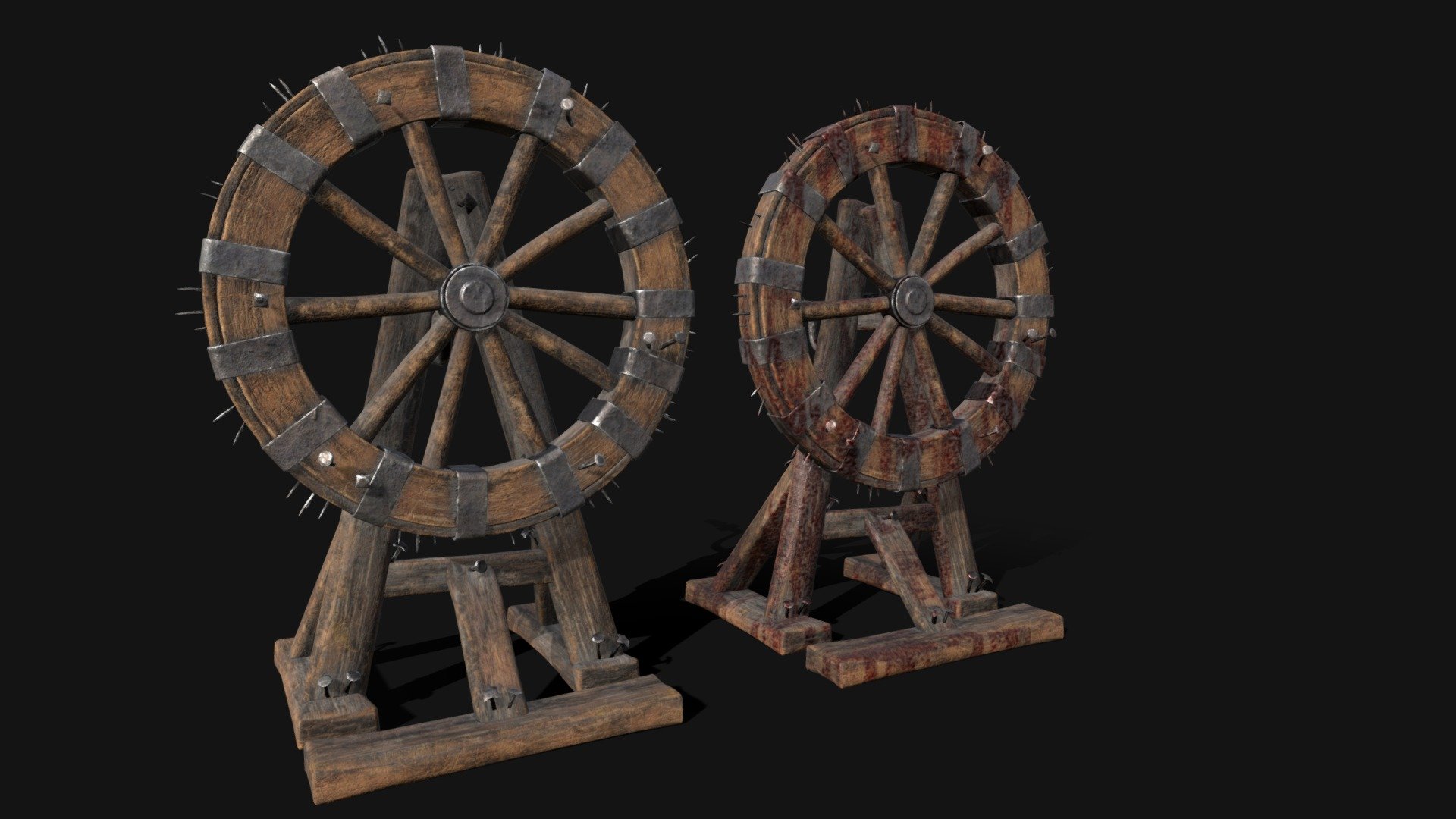
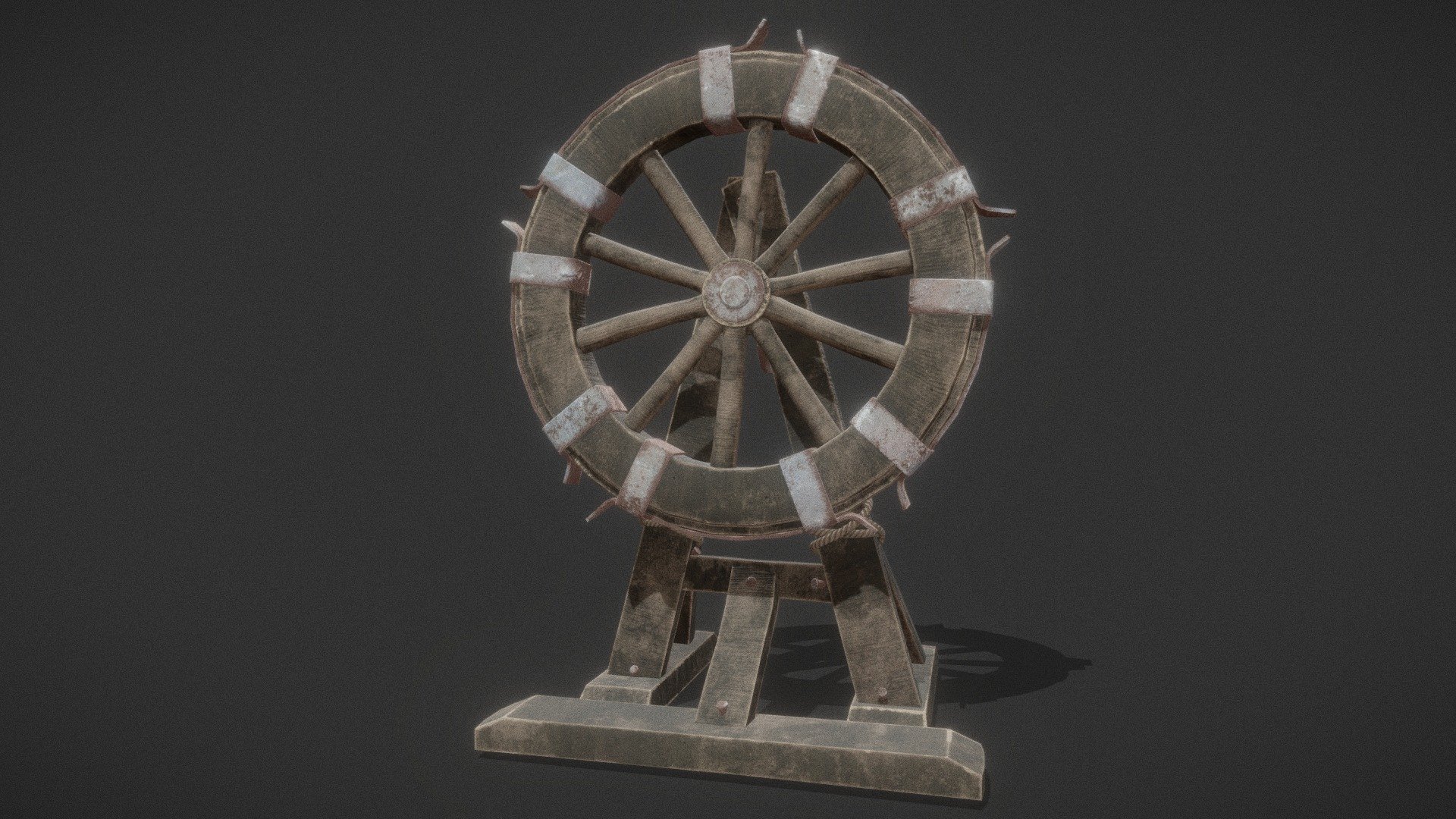
Contrary to some popular depictions, the wheel was not always used to strike the blows. Often, a heavy iron bar or a wooden mallet was used to break the bones while the victim was tied to a wooden frame or a large cross (the "St. Andrew’s Cross"). The wheel itself was then used for the second stage: the broken limbs were "threaded" through the spokes of the wheel, and the wheel was hoisted onto a vertical pole. The victim—alive or dead—was left there to be consumed by birds and the elements.
Regional Variations Across Europe
While the general concept remained the same, different nations adapted the wheel to their specific legal traditions.
- France: In the Ancien Régime, the roue was the standard punishment for highway robbery. The executioner would strike the victim eleven times. A "retentum" clause was sometimes secretly added to the sentence, allowing the executioner to strangle the victim with a cord before the breaking began to spare them the pain, though the public would believe they were being broken alive.
- The German States: Here, the process was often followed by the "braiding" of the body into the wheel. The shattered limbs were woven around the spokes so that the victim’s heels touched the back of their head, creating a circular shape that mirrored the wheel itself.
- Russia: Peter the Great formalized the use of the wheel in the early 18th century. It remained a common punishment for those involved in rebellions or high treason until the late 1700s.
Comparison of Historical Capital Punishments
The following table compares breaking on the wheel with other contemporary methods used in Europe between 1500 and 1800.
| Method | Primary Target Crimes | Social Status of Victim | Duration of Execution | Primary Goal |
|---|---|---|---|---|
| Breaking on the Wheel | Murder, Robbery, Treason | Commoners/Peasants | Hours to Days | Maximum Deterrence & Infamy |
| Beheading (Sword/Ax) | Political Crimes, Treason | Nobility/Elite | Instant (usually) | Honorable Death |
| Hanging | Theft, General Felony | Lower Classes | Minutes | Public Shame & Efficiency |
| Burning at the Stake | Heresy, Witchcraft, Arson | Any (Religious focus) | 10–30 Minutes | Total Destruction of Body |
The Symbolic Association: The Catherine Wheel
The term "Catherine wheel" stems from the legend of Saint Catherine of Alexandria. According to hagiography, she was sentenced to die on a spiked wheel in the 4th century for her Christian faith. However, upon her touch, the wheel miraculously shattered. She was subsequently beheaded, but the wheel remained her primary iconographic symbol.
Because of this association, the wheel became a common motif in heraldry and art. In the late Middle Ages, the "breaking wheel" became a symbol of both divine martyrdom and secular justice. It is an irony of history that a device intended to represent the ultimate state-sponsored cruelty became inextricably linked with the image of a refined and holy martyr.
The Path to Abolition
The decline of breaking on the wheel was a direct result of the Enlightenment. Philosophers like Cesare Beccaria, in his 1764 work On Crimes and Punishments, argued that the effectiveness of a punishment was determined by its certainty, not its severity. He posited that state-sponsored torture was counterproductive and uncivilized.
Timeline of Abolition
The removal of the wheel from European legal codes was a gradual process:
- France (1792): Following the French Revolution, the wheel was replaced by the guillotine to ensure "equality in death" and a swift, painless execution.
- Prussia (1841): King Frederick William IV officially abolished the practice, though it had fallen into disuse decades prior.
- Hesse (1811) and Bavaria (1813): Most German states removed the wheel during the Napoleonic era or shortly thereafter as they modernized their criminal codes.
By the mid-19th century, the spectacle of public torture had largely vanished from Europe, replaced by private hangings or more "humane" mechanical methods. The last recorded execution by the wheel in Germany took place in Prussia in 1841 (the execution of Rudolf Kühnapfel), marking the end of an era of judicial brutality.
Technical Aspects of the Executioner's Role
The executioner, or "Master of the High Works," was a social pariah but a necessary state official. Breaking a body on the wheel required significant physical strength and anatomical knowledge. If an executioner failed to break the bones correctly or killed the victim too quickly when they were sentenced to "life on the wheel," they could face the wrath of the crowd or even legal prosecution themselves.
Executioners often maintained journals. These records, such as those of the famous Sanson family in France or Franz Schmidt of Nuremberg, provide modern historians with a chillingly objective look at the procedure. They viewed their work not as an act of sadism, but as a technical requirement of the law. They had to maintain their equipment, including the heavy iron-rimmed wheels, to ensure that the "justice" was delivered according to the specific wording of the court's decree.
Frequently Asked Questions
Did anyone ever survive breaking on the wheel?
Survival was extremely rare and usually only occurred if the execution apparatus failed or if a pardon was granted mid-execution. Because the injuries included multiple compound fractures and internal hemorrhaging, those who were "taken down" alive usually succumbed to infection or shock within days. Historical records occasionally mention "miracles" where the wheel broke, which sometimes led to a commutation of the sentence to life imprisonment.
What was the purpose of displaying the body on the wheel after death?
The post-mortem display served a dual purpose: it served as a warning to passersby (deterrence) and was believed to prevent the "evil" spirit of the criminal from resting. In many cultures, a broken body that was not buried in consecrated ground was seen as a way to protect the community from the criminal’s ghost.
Was the wheel used in the United States?
While never a standard part of the English Common Law used in the American colonies, there are isolated instances of the wheel being used in French-controlled territories (like Louisiana) and during slave revolts. In 1730 and 1754, records indicate that individuals involved in uprisings in New Orleans were broken on the wheel under French colonial law.
How heavy was an execution wheel?
A standard wagon wheel used for this purpose could weigh between 150 and 200 pounds. Specialized execution wheels were often reinforced with iron bands to ensure they did not break upon impact with the victim’s limbs.
What is the origin of the phrase "break a butterfly on a wheel"?
This phrase, popularized by the poet Alexander Pope in the 18th century, refers to using massive, excessive force to achieve a minor or insignificant goal. It highlights the sheer overkill of using a device designed for the most brutal criminals on something small or delicate.
Final Perspective and Next Actions
The history of breaking on the wheel serves as a stark reminder of the evolution of human rights and judicial ethics. For those interested in exploring this topic further, a visit to the Museum of Torture in Rothenburg ob der Tauber, Germany, or the Criminal Museum in Vienna offers a look at preserved historical wheels and contemporary legal documents.
For students of legal history, researching the Constitutio Criminalis Carolina provides the necessary context to understand how such punishments were justified within the framework of the Holy Roman Empire. Understanding these past brutalities is essential for contextualizing modern debates on capital punishment and the standards of "cruel and unusual punishment" that define 21st-century jurisprudence.
Image Gallery