Why 1-Inch Aluminum Blinds Are the Ideal Choice for Modern Homes in 2026
1-inch aluminum blinds work for modern homes because their slim profile and crisp lines align with minimalist architectural aesthetics. They provide exceptional durability, precise light control, and moisture resistance, making them su...
1-inch aluminum blinds work for modern homes because their slim profile and crisp lines align with minimalist architectural aesthetics. They provide exceptional durability, precise light control, and moisture resistance, making them superior to vinyl or wood in high-utility spaces. In 2026, their recyclability and cordless safety features further cement their status as a sustainable, functional window treatment.
Contents
The Minimalist Aesthetic of 1-Inch Aluminum Slats
The primary reason 1-inch aluminum blinds, often referred to as "mini blinds," have seen a resurgence in 2026 modern home design is their inherent minimalism. Modern architecture frequently emphasizes clean lines, unobstructed views, and a "less is more" philosophy. Larger 2-inch or 2.5-inch slats, common in traditional faux wood or Venetian blinds, can often feel bulky or "heavy" against the slim window frames found in contemporary builds.
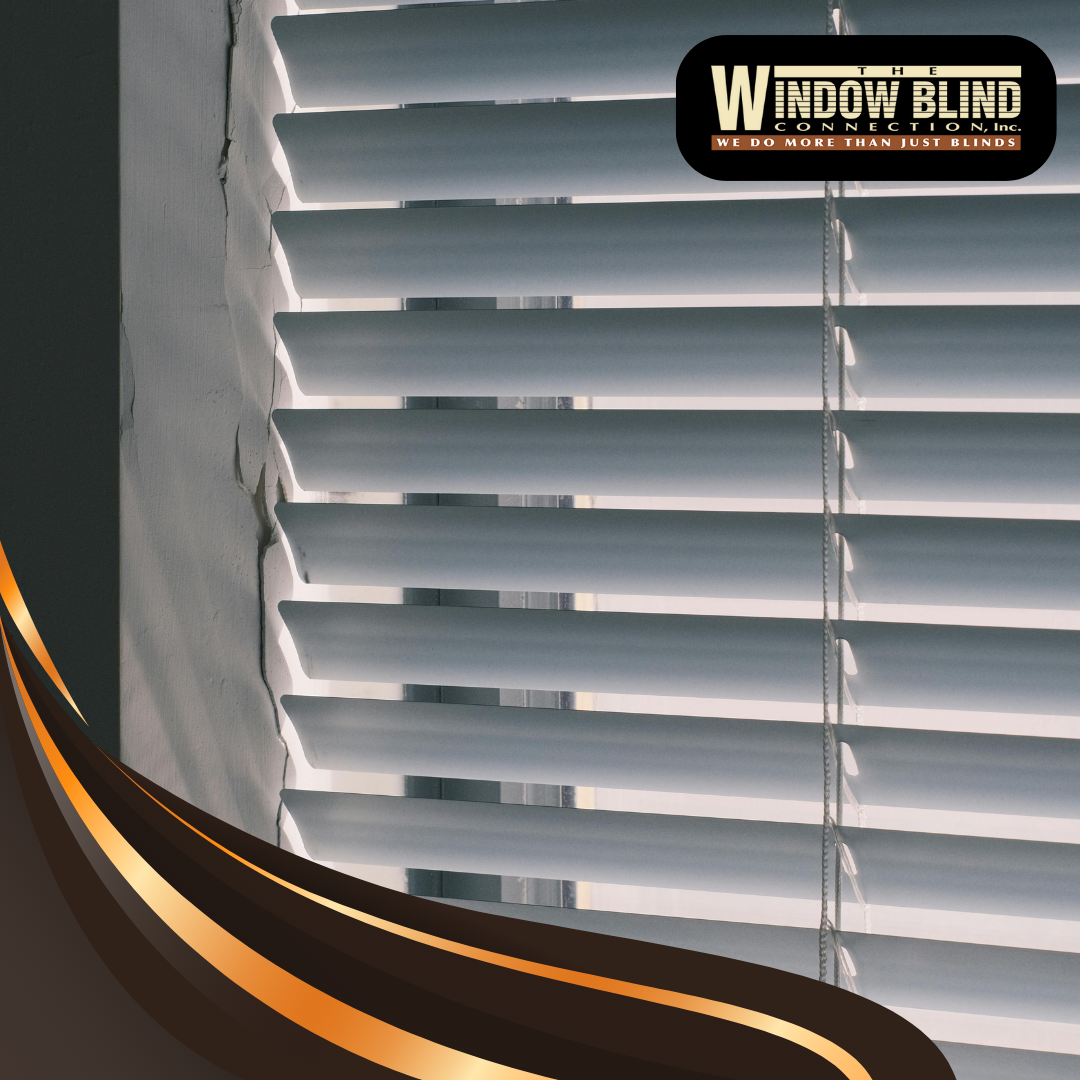
The 1-inch slat width offers a much tighter stack when the blinds are fully raised. This is a critical consideration for homeowners who want to maximize natural light during the day. When lowered, the thinness of the slats creates a subtle, rhythmic horizontal pattern that complements the geometric precision of modern furniture and cabinetry. Furthermore, the metallic nature of aluminum allows for finishes that other materials cannot replicate, such as brushed nickel, matte charcoal, and anodized bronze, which integrate seamlessly with modern hardware and lighting fixtures.
Technical Durability and Material Composition
Not all aluminum blinds are created equal. For a modern home in 2026, the focus is on high-performance materials. Quality 1-inch aluminum blinds are typically manufactured using spring-tempered aluminum. This specific alloy is designed to be "bounce-back" resistant. Unlike cheaper retail versions that might kink or crease when touched, spring-tempered slats maintain their shape even after significant pressure or accidental bending.
Slat Gauge and Thickness
The durability of these blinds is largely determined by their gauge. In 2026, the industry standard for high-end residential aluminum blinds is usually .008-gauge or .006-gauge.
- .008-gauge aluminum: Often used in commercial settings or high-traffic residential areas, these slats are thicker and provide maximum rigidity. They resist sagging and are nearly impossible to dent under normal household conditions.
- .006-gauge aluminum: These are the standard for most modern residences, offering a balance between lightweight operation and structural integrity.
The slats are typically coated with a baked-on enamel finish. This process ensures that the color does not fade, chip, or peel when exposed to the intense UV radiation common in homes with large, floor-to-ceiling windows. This technical resilience ensures that the investment lasts for decades, matching the longevity of the home itself.
Superior Light Control and Privacy Mechanics
Modern home layouts often include open-concept living areas and large windows that require precise light management to prevent screen glare and protect interior finishes. Aluminum blinds offer a level of tilt precision that is difficult to achieve with heavier materials.
Because aluminum is opaque, it provides a total light block through the slat itself. While light can still enter between the slats, many modern 1-inch aluminum blinds feature "de-Light" or "hidden hole" designs. In a traditional blind, the lift cords pass through small routed holes in each slat; these holes allow tiny pinpoints of light to leak through. High-end modern versions move these holes to the back of the slat or hide them within the ladder tape, allowing for a significantly darker room when the blinds are fully closed.
The 1-inch slat also allows for more increments of light adjustment. Because there are more slats per vertical foot of window height compared to 2-inch blinds, the user has finer control over the angle of light entering the room. This makes it easier to deflect light toward the ceiling for ambient brightness while maintaining privacy at eye level.
Moisture Resistance: Performance in High-Humidity Zones
One of the most practical reasons 1-inch aluminum blinds work so well in modern homes is their performance in "wet" areas like kitchens, bathrooms, and laundry rooms. Modern interior design often uses consistent window treatments throughout the entire house for a unified look. However, organic materials like real wood can warp or rot in high humidity, and even some faux woods can struggle with extreme temperature fluctuations near stoves or showers.
Aluminum is naturally non-corrosive and moisture-proof. It does not absorb water, it will not harbor mold or mildew growth, and it remains stable in temperature-variant environments. For a modern kitchen with high-output ranges and steam-heavy cooking, or a master bath with a rainfall shower, aluminum blinds provide a sterile, easy-to-clean surface that maintains its structural integrity indefinitely.
Sustainable Design and the Recyclability Factor
In 2026, sustainability is no longer an optional feature; it is a core requirement for modern homeowners. Aluminum is one of the most sustainable materials used in home construction. It is infinitely recyclable, meaning it can be melted down and repurposed without losing any of its physical properties.
Most aluminum blinds manufactured today consist of a high percentage of post-consumer recycled content. When a homeowner eventually decides to update their decor, the blinds do not need to end up in a landfill. They can be processed at standard metal recycling facilities. This "cradle-to-cradle" lifecycle is a significant advantage over vinyl (PVC) blinds, which are difficult to recycle and can off-gas volatile organic compounds (VOCs) into the home’s air supply.
Comparison of Window Treatment Materials
To understand why 1-inch aluminum blinds are a strategic choice, it is helpful to compare them against other common modern window treatments.
| Feature | 1-Inch Aluminum | Faux Wood (Composite) | Vinyl (PVC) | Cellular Shades |
|---|---|---|---|---|
| Profile Depth | Very Slim (1") | Wide (2"+) | Moderate (1"-2") | Varies |
| Moisture Resistance | Excellent | High | High | Low |
| Durability | High (Spring-tempered) | High | Low (Brittle) | Moderate (Fabric) |
| Recyclability | Excellent | Poor | Poor | Low |
| Light Control | Precise Tilt | Good Tilt | Moderate Tilt | Diffuse/Blackout |
| Color Variety | Metallic & Solid | Wood Tones/White | Limited | Fabric Patterns |
| Cleaning | Dust/Wipe | Wipe | Wipe | Vacuum Only |
Integration with Smart Home Technology and Safety Standards
By 2026, safety regulations regarding corded window treatments have become strictly enforced globally to prevent hazards to children and pets. Modern 1-inch aluminum blinds have evolved to meet these standards through cordless lift systems.
Instead of dangling cords, these blinds use a tension-based system or a simple handle on the bottom rail. To raise or lower the blinds, the user simply pushes or pulls the rail to the desired height. For the tilt function, many still use a sleek plastic or metal wand, but motorized tilt options are increasingly common. These motorized versions can be integrated into smart home ecosystems (like Matter-enabled hubs), allowing homeowners to schedule slat tilting based on the sun's position, further improving the home's energy efficiency by reducing solar heat gain during peak hours.
Maintenance and Long-Term Care
Modern homeowners prioritize low-maintenance solutions. Aluminum blinds are inherently antistatic, meaning they do not attract dust as aggressively as plastic or fabric treatments. When cleaning is required, they are remarkably resilient. Unlike fabric shades that may require professional ultrasonic cleaning, aluminum blinds can be dusted with a microfiber cloth or even wiped down with a damp sponge and mild detergent.
Because the color is baked into the metal, there is no risk of the finish "yellowing" over time—a common problem with white vinyl blinds. The mechanical components, including the headrail and the internal tilter, are usually made of heavy-duty steel or high-impact polymers, ensuring that the daily operation remains smooth for years.
Common Misconceptions About Aluminum Blinds
Despite their benefits, some homeowners hesitate due to outdated perceptions of aluminum blinds as "cheap" or "institutional."
- "They are noisy": While aluminum is a metal, modern tension systems and high-quality ladder tapes minimize the "clanking" sound associated with older models.
- "They look like an office": The availability of matte, textured, and "pearlescent" finishes in 2026 has completely transformed the look of aluminum blinds, allowing them to feel like a high-end architectural element rather than office furniture.
- "They are cold": While metal is a conductor, the air gap created between the window and the blind still provides a thermal barrier. When closed, they reflect a significant amount of radiant heat away from the window during summer.
FAQs
Are 1-inch aluminum blinds better than 2-inch faux wood?
It depends on the window size and the room's style. For smaller windows or modern, minimalist rooms, 1-inch aluminum is superior because it doesn't overwhelm the space. For very large windows where a traditional "shutter" look is desired, 2-inch faux wood may be preferred, though it is much heavier and harder to lift.
Do aluminum blinds provide complete blackout?
Aluminum slats are 100% opaque, meaning light cannot pass through the material. However, light can still seep through the edges and the cord holes. If you choose a "no-holes" or "de-Light" model, you will achieve nearly total darkness, though for 100% blackout, a side-channel cellular shade or heavy drapery is usually required.
Can 1-inch aluminum blinds be repaired if a slat bends?
If the blinds are made of spring-tempered aluminum, they should resist bending. However, if a slat is severely creased, it cannot be perfectly "unbent." In many high-quality models, individual slats can be replaced by a professional, but for standard units, replacing the entire blind is often more cost-effective.
How do I clean 1-inch aluminum blinds without damaging them?
The best method is to close the slats flat and wipe them with a microfiber cloth. For deeper cleans, you can use a vacuum with a soft brush attachment. Avoid using abrasive chemicals or steel wool, as these can scratch the baked-on enamel coating.
Final Recommendation
For a modern home in 2026, 1-inch aluminum blinds represent the intersection of industrial durability and minimalist design. They are particularly recommended for kitchens, bathrooms, and home offices where precision, moisture resistance, and a slim visual footprint are paramount. When purchasing, prioritize .008-gauge spring-tempered slats and cordless operation to ensure your window treatments are safe, durable, and aesthetically aligned with contemporary interior standards.
Image Gallery