What Is the Masters Payout Structure? Understanding Golf’s Prize Allocation Formula
The Masters payout structure is the pre-established percentage-based formula used by Augusta National Golf Club to distribute the tournament’s multi-million dollar prize purse. The winner receives 18% of the total purse, second place r...
The Masters payout structure is the pre-established percentage-based formula used by Augusta National Golf Club to distribute the tournament’s multi-million dollar prize purse. The winner receives 18% of the total purse, second place receives 10.8%, and third place receives 6.8%, with descending percentages allocated to every professional making the cut and baseline stipends for those missing it.
Contents
How the Masters Prize Purse Distribution Works
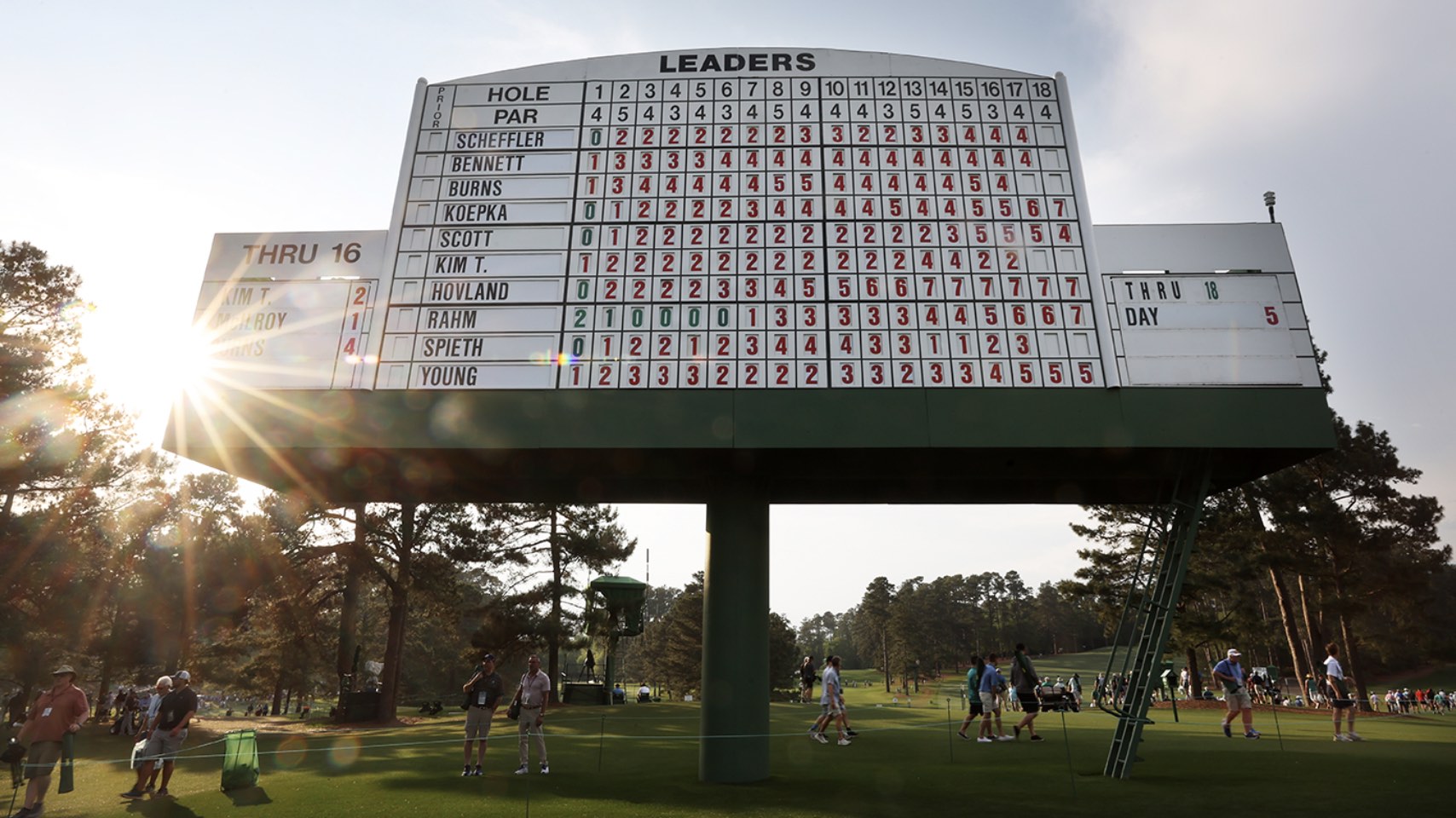
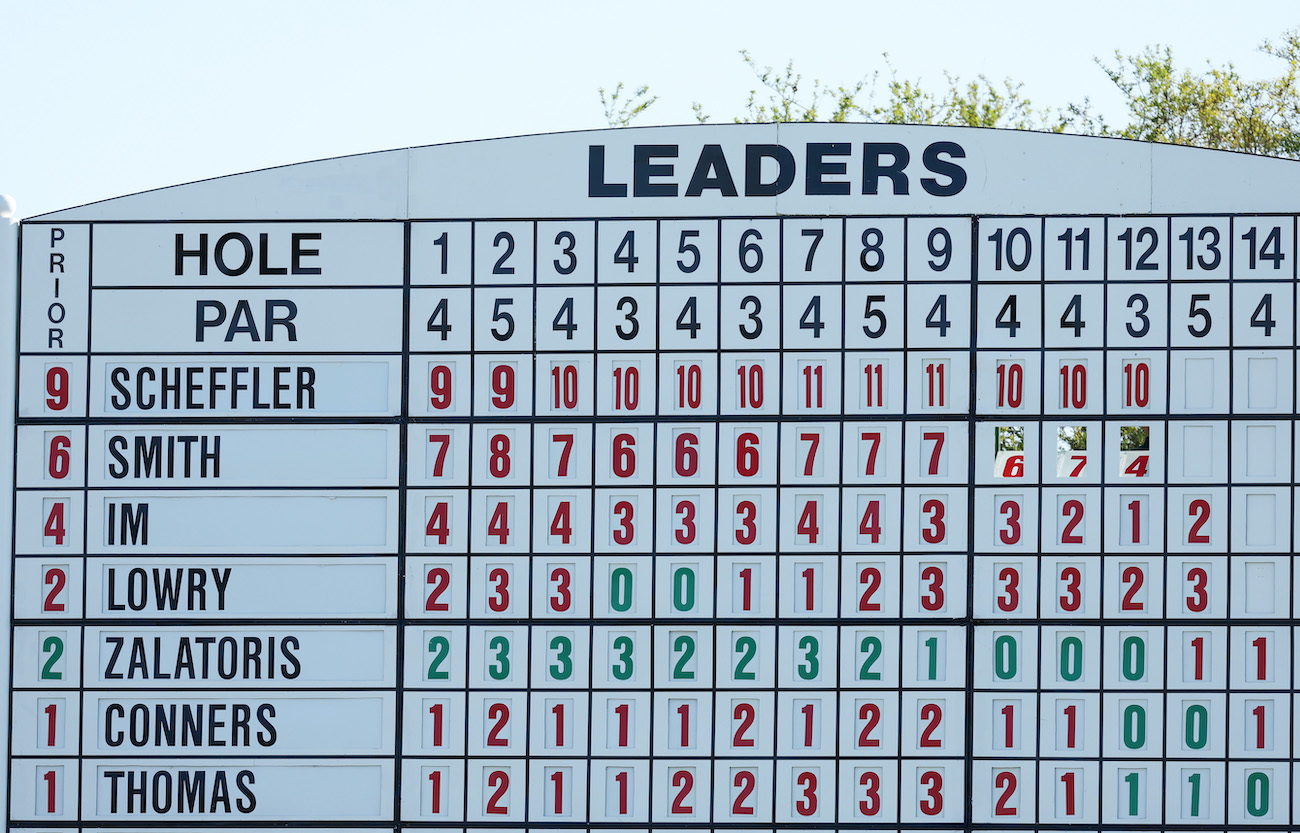
The Masters Tournament at Augusta National Golf Club represents one of the most lucrative and prestigious events in professional sports. While the green jacket, gold medal, and lifetime exemption are priceless competitive rewards, the monetary payout is equally significant. Unlike standard regular-season tour events where total purses are set months in advance, Augusta National traditionally announces the final official purse size during tournament week, typically on the Saturday before the final round.
Once the total purse figure is set, Augusta National applies a structured percentage matrix across the field. The allocation model follows a strict hierarchy based on final leaderboard positions:
- Top Finishes: The champion receives exactly 18.0% of the total prize pool. The runner-up secures 10.8%, while the third-place finisher takes home 6.8%.
- The Cut Line Division: All professional golfers who make the 36-hole cut (top 50 players and ties) earn official prize money according to their final 72-hole ranking.
- Missed-Cut Stipends: Professionals who fail to make the cut after 36 holes do not leave empty-handed. Augusta National awards fixed cash stipends—typically ranging from $10,000 upward depending on modern purse adjustments—to assist with travel, caddie fees, and operational expenses.
- Amateur Eligibility Rules: Amateur golfers competing in the Masters are strictly prohibited from receiving prize money under international amateur status guidelines. If an amateur finishes within paying positions, their monetary allocation is omitted, and professional payouts do not simply shift upward; the financial accounting remains anchored to professional placements.
This revenue framework ensures that every professional player invited to Augusta National receives compensation for participating, while concentrating the vast majority of financial rewards on high-tier weekend performances.
Breakdown of the Masters Payout Percentages and Baseline Amounts
To understand how individual paychecks are calculated, it helps to examine the percentage allocation applied across the top finishing spots. Over recent years, the Masters purse has expanded significantly, reaching $20 million in recent tournaments.
When the total purse sits at $20,000,000, the top 50 individual payout distribution reflects the following standard breakdown:
| Position | Payout Percentage (%) | Payout Amount ($20M Purse Baseline) |
|---|---|---|
| 1st (Champion) | 18.00% | $3,600,000 |
| 2nd | 10.80% | $2,160,000 |
| 3rd | 6.80% | $1,360,000 |
| 4th | 4.80% | $960,000 |
| 5th | 4.00% | $800,000 |
| 6th | 3.60% | $720,000 |
| 7th | 3.35% | $670,000 |
| 8th | 3.10% | $620,000 |
| 9th | 2.90% | $580,000 |
| 10th | 2.70% | $540,000 |
| 11th | 2.50% | $500,000 |
| 12th | 2.30% | $460,000 |
| 13th | 2.10% | $420,000 |
| 14th | 1.90% | $380,000 |
| 15th | 1.80% | $360,000 |
| 20th | 1.30% | $260,000 |
| 30th | 0.80% | $160,000 |
| 40th | 0.50% | $100,000 |
| 50th | 0.24% | $48,000 |
Note: For positions beyond 50th place among players who made the cut, values decrease in smaller increments, with amounts generally scaling downward depending on the total number of players qualifying for weekend play.
How Tie Scores Affect Payout Splits
In professional golf, deadlocks on the leaderboard are frequent. When two or more players finish tied for a position (other than first place, which is decided by a sudden-death playoff), the payout structure averages the combined prize allocations for those tied positions and splits the total equally among the tied players.
For example, if two players finish tied for 2nd place on a $20 million purse:
- The 2nd place allocation ($2,160,000) and the 3rd place allocation ($1,360,000) are combined to total $3,520,000.
- That sum is divided equally between the two players, resulting in $1,760,000 for each golfer.
This mathematical smoothing applies across all tied positions down the entire leaderboard, ensuring complete fairness without requiring artificial tiebreakers for monetary distribution.
Special Payout Rules: Missed Cuts, Amateurs, and Withdrawals
Augusta National maintains several distinct regulations regarding non-standard tournament scenarios, including players who miss the 36-hole cut, amateur participants, and mid-tournament withdrawals.
1. Missed Cut Compensation
Unlike regular PGA Tour events where players who fail to make the cut earn zero official dollars, the Masters guarantees baseline compensation for professional contestants.
- Professionals who complete 36 holes but fail to make the cut receive a flat stipend (historically set around $10,000 in recent $18M–$20M purse years).
- This payout helps offset the significant financial outlay required for players, including accommodation in Augusta, caddie wages, flights, and support staff expenses.
- Missed-cut earnings are considered unofficial money on standard tour earnings lists but represent guaranteed cash flow for participants.
2. Amateur Competitors and the Silver Cup
The Masters maintains a rich tradition of inviting elite amateur golfers, including champions of the U.S. Amateur, Amateur Championship, Asia-Pacific Amateur, and Latin America Amateur.
- Under strict amateur status provisions maintained by the USGA and The R&A, amateur golfers cannot accept prize money.
- If an amateur finishes in a position that would normally earn cash (e.g., finishing inside the top 10), the money assigned to that position is not paid out. It remains within Augusta National's tournament funds rather than redistributing to the next professional player.
- Instead of money, the lowest-scoring amateur who completes 72 holes receives the prestigious Silver Cup, provided they make the 36-hole cut.
3. Withdrawals and Disqualifications (WD / DQ)
If a professional player withdraws prior to completing 36 holes due to injury or illness, Augusta National typically provides a reduced appearance stipend intended to cover travel expenses. However, players who are disqualified for rules violations before completing 36 holes generally forfeit eligibility for official payout consideration.
Historical Growth of the Masters Prize Purse
The financial scope of the Masters has evolved dramatically since its inception in 1934. Horton Smith won the inaugural tournament (then named the Augusta National Invitation Tournament) and earned $1,500 out of a total prize pool of $5,000.
Over the decades, media rights fees, corporate partnerships, merchandise revenue, and global television distributions have propelled the tournament purse into eight figures.
Purse Growth Milestones at The Masters: -------------------------------------------------- 1934: Total Purse $5,000 | Winner: $1,500 1954: Total Purse $25,000 | Winner: $5,000 1974: Total Purse $226,300 | Winner: $35,000 1994: Total Purse $2,000,000 | Winner: $360,000 2004: Total Purse $6,000,000 | Winner: $1,170,000 2014: Total Purse $9,000,000 | Winner: $1,620,000 2022: Total Purse $15,000,000 | Winner: $2,700,000 2024: Total Purse $20,000,000 | Winner: $3,600,000
The expansion from a $1.5M winner payout in the early 2000s to $3.6M reflects broader economic escalation in men's professional golf, driven by competitive market dynamics and surging broadcast valuations across global major championships.
Comparing the Masters Payout to Other Major Championships
While the Masters offers one of the largest financial payouts in sports, it operates within a broader ecosystem of elite golf events. Each of golf's four major championships—alongside signature events like The Players Championship—maintains its own purse structure.
| Event | Approximate Total Purse | Winner Payout Percentage | Winner Prize Share | Missed-Cut Financial Coverage |
|---|---|---|---|---|
| The Masters | $20,000,000 | 18.0% | $3,600,000 | Yes (~$10,000 stipend) |
| U.S. Open | $21,500,000 | 19.0% | $4,300,000 | Yes ($10,000 stipend) |
| PGA Championship | $18,500,000 | 18.0% | $3,330,000 | Yes (~$4,000 - $6,000) |
| The Open Championship | $17,000,000 | 18.0% | $3,100,000 | Yes (~$8,500 - $10,500) |
| The Players Championship | $25,000,000 | 18.0% | $4,500,000 | Yes ($10,000 stipend) |
Across most majors, the 18% winner rule remains standard industry consensus, with minor variations in total overall purse sizes establishing final dollar differences.
Tax Implications and Financial Distribution Details
Receiving a payout check from Augusta National involves complex financial and tax considerations for professional golfers.
- State and Federal Income Tax: Players are subject to Georgia state income tax on earnings generated while playing in the state, in addition to federal income tax liabilities. Foreign players are subject to standard U.S. non-resident tax withholdings (typically 30% upfront) unless reduced by bilateral tax treaties.
- Caddie Commissions: Standard professional golf practice dictates that caddies receive a percentage of the player's gross earnings:
- 10% for a 1st-place victory (e.g., $360,000 on a $3.6M payout).
- 7% for a top-10 finish.
- 5% for making the cut outside the top 10.
- Expense Deductions: Travel, accommodation, coaching staff, and support team fees are paid directly out of the player’s gross payout earnings.
Frequently Asked Questions
How much does 1st place get at the Masters?
The winner of the Masters receives 18% of the total official prize purse. On a $20 million purse baseline, the champion earns $3,600,000 alongside the Green Jacket and gold medal.
Do players who miss the cut get paid at the Masters?
Yes. Unlike most standard tour events, Augusta National provides fixed financial stipends (typically around $10,000) to professional golfers who miss the 36-hole cut to assist with tournament costs.
Do amateur golfers get paid money at the Masters?
No. Under amateur eligibility regulations enforced by governing bodies like the USGA and R&A, amateur golfers cannot accept cash prize money. Any prize allocations assigned to their finishing rank are retained by the tournament.
When is the Masters purse size announced?
Augusta National Golf Club traditionally announces the total official purse and complete payout breakdown on Saturday morning during tournament week, prior to the third round.
How are ties split in the payout structure?
When players tie for a finishing position (excluding 1st place, which uses a sudden-death playoff), the money allocated for those positions is added together and divided equally among all tied players.
Summary and Next Steps
The Masters payout structure is designed to reward elite performance at the top of the leaderboard while ensuring all professional participants receive fair baseline compensation. With 18% reserved for the winner and tiered percentages cascading down through 50th place, the framework provides one of the clearest financial templates in professional sport.
For golf fans, fantasy managers, and sports analysts, tracking the Saturday morning purse announcement provides the definitive key to calculating exact weekend stakes, potential career earnings jumps, and final financial outcomes for the world's best golfers.
Image Gallery