The Dawn Robinson Songs Timeline: A Career in Vocal Power
Dawn Robinson’s career serves as a masterclass in vocal versatility and the evolution of 1990s R&B. As a founding member of En Vogue and Lucy Pearl, Robinson’s discography is marked by her distinct, soulful contralto and her pivotal ro...
Dawn Robinson’s career serves as a masterclass in vocal versatility and the evolution of 1990s R&B. As a founding member of En Vogue and Lucy Pearl, Robinson’s discography is marked by her distinct, soulful contralto and her pivotal role in defining the sound of contemporary vocal groups. This timeline traces her professional recording history, highlighting key albums, essential tracks, and the stylistic shifts that defined her artistic trajectory across several decades.
Contents
The Foundation: The En Vogue Era (1990–1997)
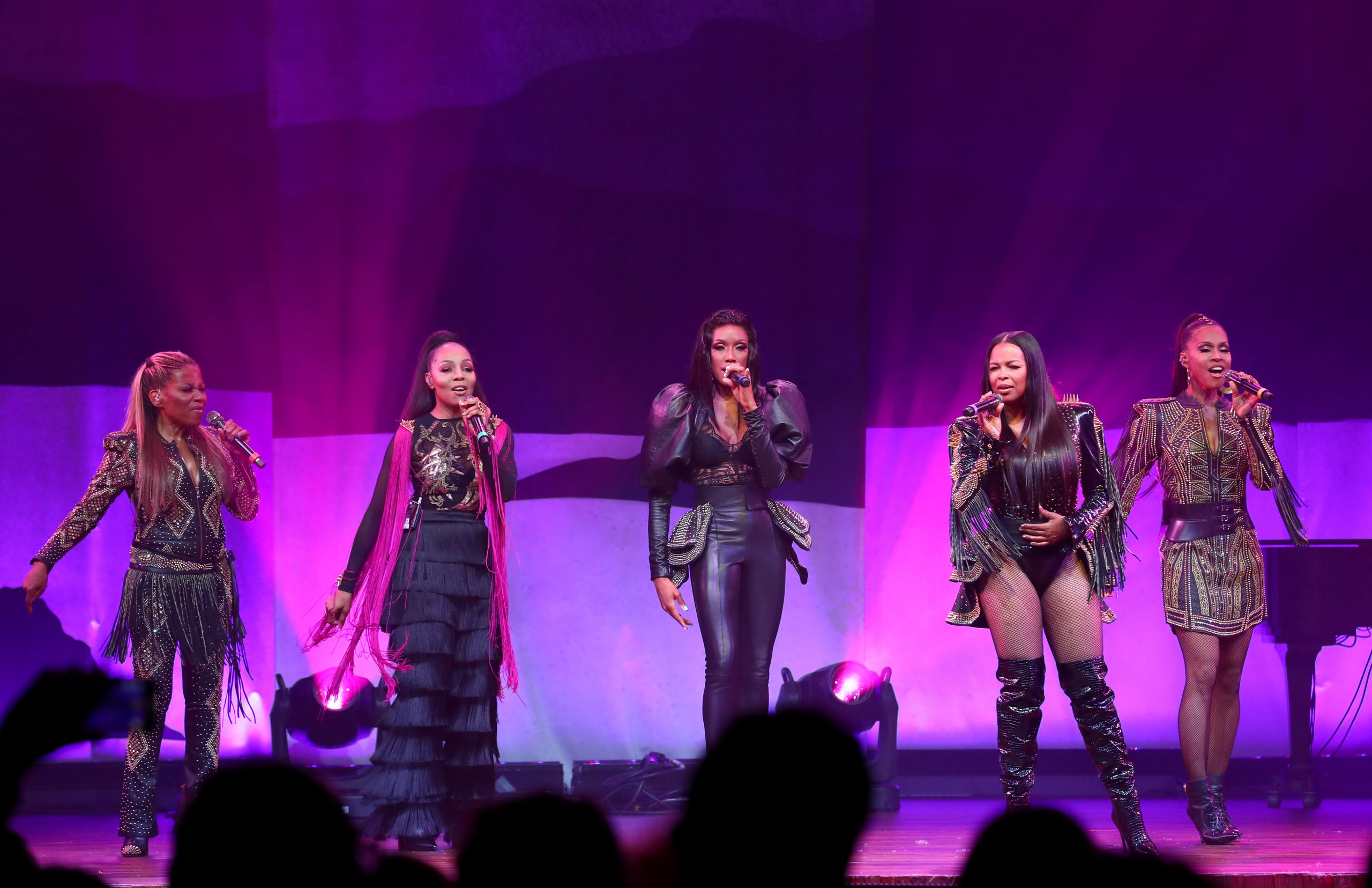
The inception of Dawn Robinson’s professional recording timeline began in the late 1980s, culminating in the 1990 release of Born to Sing. As one of the original four members of the R&B quartet En Vogue, Robinson’s voice became synonymous with a polished, technically proficient vocal sound that blended gospel influences with pop sensibilities.
- 1990: Born to Sing: The group’s debut album featured Robinson on signature tracks such as "Hold On" and "Lies." Her contributions were vital to the group’s tight, four-part harmony arrangements.
- 1992: Funky Divas: Widely considered the group's magnum opus, this album solidified Robinson’s status as a premier vocalist. Her lead and supporting vocals on tracks like "Giving Him Something He Can Feel" and "Free Your Mind" showcased a grit and soulful depth that balanced the group’s smoother pop textures.
- 1993: Runaway Love: During this EP release, Robinson continued to be a driving force, providing the foundational low-end harmonies that defined the "En Vogue sound."
Robinson’s departure from En Vogue in 1997 marked a significant transition. Her tenure with the group established a blueprint for 90s girl groups, and her exit remains a point of historical significance for fans of the era’s R&B landscape.
The Lucy Pearl Collaboration (1999–2000)
Following her time with En Vogue, Robinson entered a creative partnership with Raphael Saadiq and Ali Shaheed Muhammad. This short-lived but highly influential supergroup, Lucy Pearl, allowed Robinson to explore a more experimental, neo-soul, and hip-hop-influenced sound.
- 2000: Lucy Pearl (Self-Titled Album): The album featured the massive hit single "Don't Mess with My Man." Robinson’s performance on this track is a definitive highlight of her career, showcasing a more contemporary, rhythmic delivery that diverged from her earlier work with En Vogue. The song remains a staple of 2000s R&B and cemented her reputation as a formidable solo-capable artist within an ensemble.
This period is frequently cited as one of the most creatively adventurous phases of her timeline, as the production style of Saadiq and Muhammad pushed her vocal performance into tighter, funk-driven arrangements.
Solo Endeavors and Later Contributions
After her departure from Lucy Pearl, Robinson pursued various solo projects and collaborations. While her solo discography saw less commercial dominance than her group-based work, she maintained a consistent presence in the R&B and soul scene.
- 2002: Dawn: Robinson released her self-titled solo debut, which explored a more introspective and personalized R&B sound. Tracks from this period reflected her ability to command a song independently, moving away from the complex vocal layering required in group dynamics.
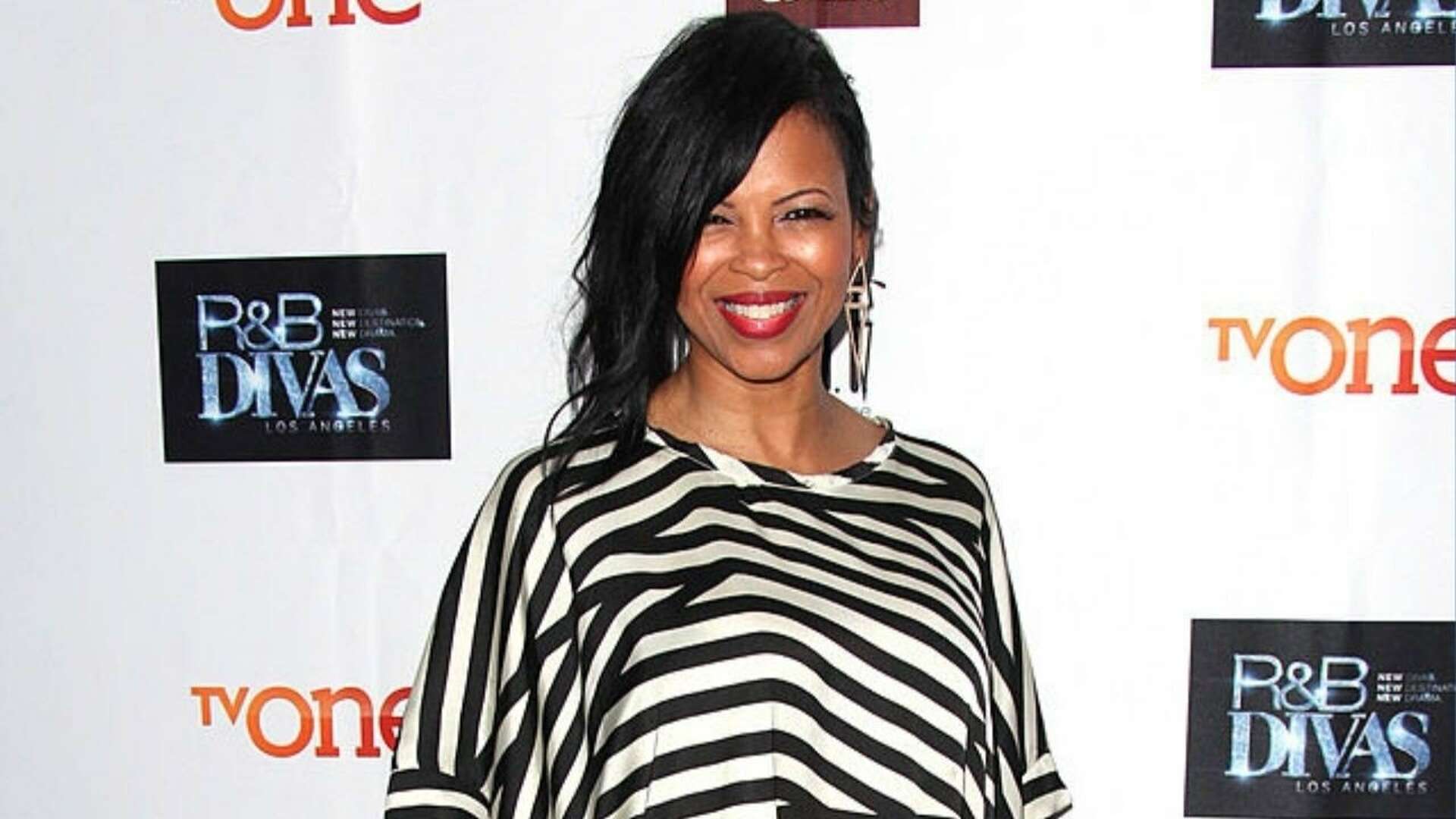
- 2009–2010: R&B Divas and Continued Collaboration: Robinson participated in various reality television projects that focused on her legacy as an R&B pioneer. During this time, she engaged in occasional recording sessions and performances that kept her signature sound relevant to a new generation of listeners.
Analysis of Key Musical Contributions
Understanding Robinson’s timeline requires looking at the specific technical demands of the music she performed. Her voice is characterized by a rich, resonant lower register, which made her the anchor for many of En Vogue’s harmonies.
| Period | Project/Group | Key Signature Tracks | Stylistic Focus |
|---|---|---|---|
| 1990–1992 | En Vogue | Hold On, Giving Him Something He Can Feel | R&B, Pop, Soul Harmony |
| 1993–1996 | En Vogue | Whatta Man, Don't Let Go (Love) | Contemporary R&B, Funk |
| 2000 | Lucy Pearl | Don't Mess with My Man | Neo-Soul, Funk, Hip-Hop |
| 2002 | Solo | Various | Soul, R&B Solo Performance |
The transition from the structured, multi-vocalist approach of En Vogue to the experimental funk of Lucy Pearl demonstrates Robinson's ability to adapt to varying production philosophies. While her earlier work relied on the "diva" ensemble structure, her later work emphasized her individual vocal texture.
Prerequisites for Understanding the Timeline
To fully appreciate the scope of Dawn Robinson’s work, one must understand the shift in the R&B landscape during the 1990s. The industry moved from the clean, highly produced vocal groups of the early 90s toward the more experimental, producer-led "supergroup" era of the late 90s and early 2000s.
- Vocal Arrangement: Recognizing the difference between her harmonizing roles in En Vogue and her lead-focused role in Lucy Pearl is essential to tracking her development.
- Producer Influence: The sound of her discography is heavily dictated by the production teams she collaborated with, most notably Denzil Foster and Thomas McElroy during her En Vogue years, and Raphael Saadiq during her Lucy Pearl tenure.
- Historical Context: Awareness of the cultural impact of "Don't Mess with My Man" is required to understand the longevity of her influence in the modern R&B space.
Frequently Asked Questions
Which En Vogue songs feature Dawn Robinson as a lead vocalist? Robinson provided lead or prominent solo vocals on several tracks, most notably the remake of "Giving Him Something He Can Feel" and parts of "Don't Let Go (Love)." Her voice is often the grounding element in the group's mid-tempo songs.
Why is the Lucy Pearl era considered a turning point in her career? The Lucy Pearl project allowed Robinson to step out of the "girl group" mold and work within a more avant-garde soul and funk environment. It showcased her ability to adapt her vocal style to fit a smaller, more rhythm-oriented ensemble.
Did Dawn Robinson release a solo album? Yes, she released a solo album titled Dawn in 2002. This project allowed her to explore themes and vocal textures that were not previously possible within the group dynamic of her earlier years.
What is the defining characteristic of Dawn Robinson's vocal style? Her voice is best described as a soulful, rich contralto. She is particularly noted for her ability to maintain pitch and tone in the lower registers while providing powerful, sustained notes in the middle and upper registers.
How does her timeline impact current R&B music? Many modern vocalists cite the harmonic complexity of the En Vogue era as a primary influence. Robinson’s specific contributions to those vocal arrangements remain a case study for contemporary harmony and group dynamics.
Final Actions for Researchers and Fans
For those looking to research or revisit Dawn Robinson’s career, the primary recommendation is to listen to the Funky Divas album in its entirety to understand her foundational work. Following this, the Lucy Pearl self-titled album provides the necessary contrast to see how her vocal performance evolved outside of the En Vogue collective. Collectors should prioritize the original studio recordings from the 1990-2000 window, as these represent the definitive historical document of her most prolific and influential period. Whether studying the history of R&B or tracking the evolution of 90s pop, Robinson remains a pivotal figure whose timeline continues to offer insight into the craft of vocal performance.
Image Gallery