DMV Lunch Time Policies, Staffing Rotations, and Scheduling Strategies for 2026
Navigating the Department of Motor Vehicles during midday hours requires an understanding of staggered staffing schedules, appointment windows, and peak operational bottlenecks. Most state and local motor vehicle agencies keep their ph...
Navigating the Department of Motor Vehicles during midday hours requires an understanding of staggered staffing schedules, appointment windows, and peak operational bottlenecks. Most state and local motor vehicle agencies keep their physical doors open through the standard midday hours, but internal staff lunch rotations frequently reduce processing capacity, lengthen wait times, and close specific service windows like testing or specialized titles.
Contents
Understanding DMV Operating Hours and Midday Staffing Shifts
Department of Motor Vehicles offices across various jurisdictions rarely close entirely for a midday meal break, contrary to popular public assumption. Instead, these public sector agencies utilize rolling staff rotations to maintain continuous operation during standard business hours. However, understanding how these internal shifts impact service delivery is essential for minimizing wait times.
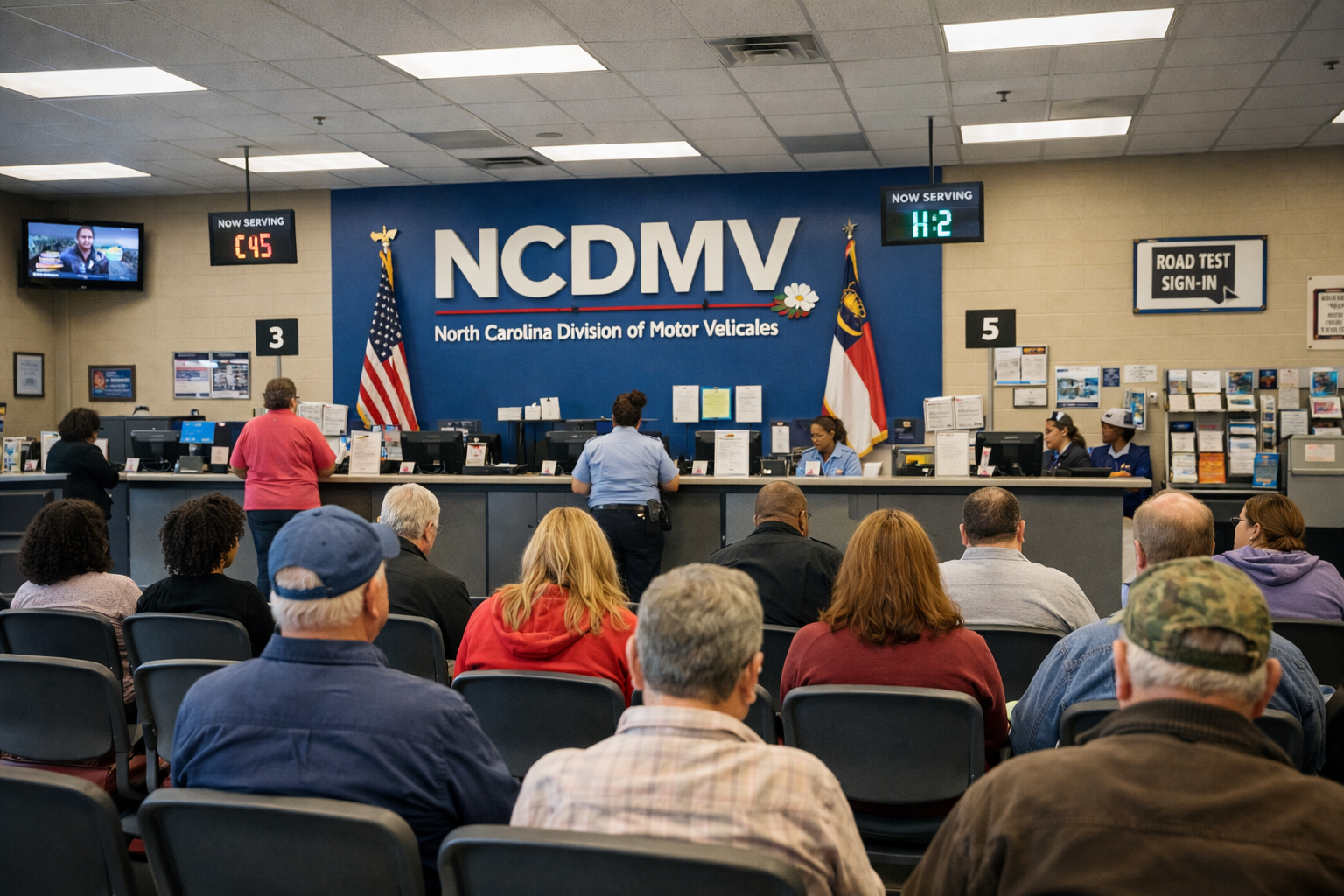
When front-line customer service representatives, compliance officers, and cashiers rotate off for their scheduled breaks between 11:30 AM and 2:00 PM, available window capacity often drops by 30 to 50 percent. This reduction in active workstations coincides directly with peak visitor volume, as many individuals attempt to complete transactions during their own lunch breaks.
- Staggered Shifts: Supervisors divide personnel into distinct teams, ensuring at least half of the service windows remain operational during peak midday hours.
- Backlog Accumulation: Reduced staffing levels during high-demand windows create cumulative delays that often persist well into the mid-afternoon hours.
- System Maintenance: IT infrastructure and database synchronization routines are occasionally scheduled during lower-traffic windows, which can temporarily halt processing speeds.
Regional Variations in Midday Processing and Closures
Operational policies regarding midday hours vary significantly depending on state, county, and municipal administrative frameworks. While densely populated urban centers typically maintain continuous service through rolling shifts, smaller rural offices or specialized licensing centers may implement direct midday closures or restrict walk-in intake during specific hours.
| Region Type | Midday Operational Policy | Average Wait Time Impact | Walk-In Availability |
|---|---|---|---|
| Urban Metro Centers | Continuous operation via staggered staff rotations | High (+45 to +90 minutes) | Restricted during peak hours; reservations prioritized |
| Suburban County Offices | Rolling breaks with potential reduction in active windows | Moderate (+20 to +45 minutes) | Open, but subject to daily capacity limits |
| Rural Outposts | Potential full office closure for 30 to 60 minutes | Variable (dependent on single-staff presence) | Intermittent; early arrival strongly advised |
| Express Kiosk Centers | Fully automated; unaffected by staff meal breaks | Negligible (1 to 5 minutes) | Unrestricted for supported transactions |
Reviewing local municipal guidelines before departing ensures alignment with specific regional mandates. For official state-by-state portal access and verified operating schedules, consult the USA.gov Motor Vehicle Services Directory.
Strategic Timing: Best and Worst Windows for DMV Visits
Optimizing a trip to the motor vehicle agency requires analyzing visitor behavior patterns alongside internal administrative schedules. The midday block between 11:00 AM and 2:00 PM represents the most volatile period of the operational day, combining reduced staff capacity with peak public demand.
Midday Efficiency Warning: Arriving between 11:30 AM and 1:30 PM places visitors directly into the highest congestion threshold of the day. Combining public lunch-hour volume with internal employee shift changes routinely doubles or triples standard processing wait times compared to early morning hours.
The Daily Operational Timeline
- Early Morning Arrival (Pre-Opening to 9:00 AM): Statistically yields the shortest wait times. Offices open with fully rested staff, fresh database syncs, and minimal line accumulation.
- Late Morning Plateau (9:30 AM to 11:00 AM): Moderate wait times. Queues stabilize, but processing speeds remain consistent across all open windows.
- Midday Rush and Staff Rotation (11:30 AM to 2:00 PM): Highest wait times. Staff rotations reduce active windows while professional and personal lunch-hour visitors flood the facility.
- Early Afternoon Recovery (2:15 PM to 4:00 PM): Staff returns from full rotations, but remaining daily ticket capacity may be capped if lines exceed closing-time projections.
- Late Afternoon Cutoff (4:00 PM to Close): Offices frequently stop distributing new queue tickets early to ensure all waiting citizens are served before official closing time.
Digital Alternatives to Avoid Midday Queue Bottlenecks
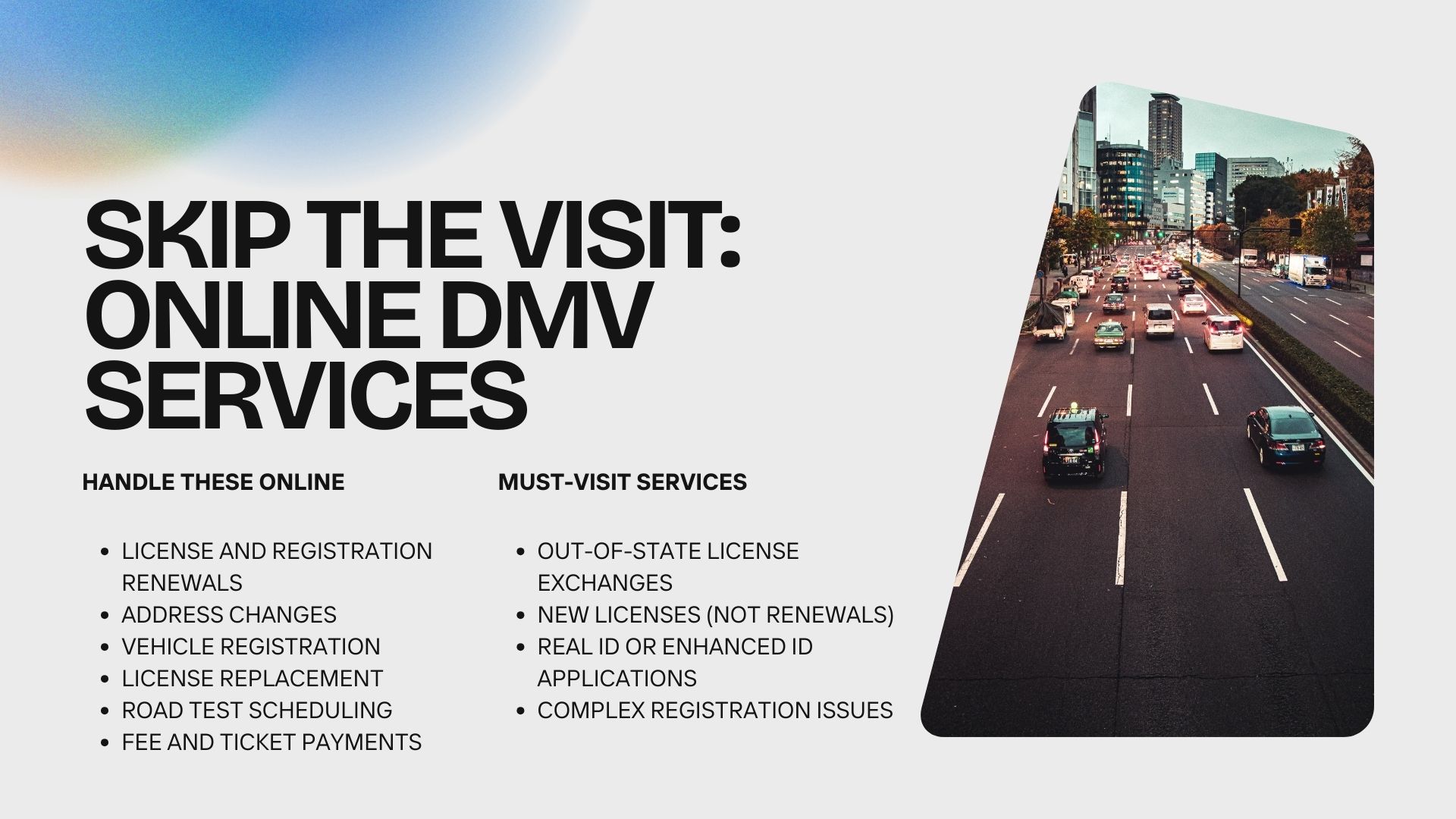
Modern administrative technology has transformed motor vehicle compliance, allowing citizens to bypass physical office visits entirely for routine transactions. Leveraging online portals, mobile applications, and authorized third-party retail partners eliminates the need to factor lunch-time staffing constraints into personal schedules.
- Online Renewal Portals: Standard driver license renewals, vehicle registration extensions, and duplicate title requests can typically be completed via secure state portals within minutes.
- Self-Service Kiosks: Located in grocery stores, municipal libraries, and select agency lobbies, these terminals print registration tags and renew credentials instantly.
- Appointment Scheduling Systems: Booking a confirmed reservation weeks in advance guarantees priority processing, largely insulating the applicant from walk-in midday congestion.
Preparation Checklist for High-Efficiency Transactions
When a physical office visit is mandatory—such as for initial REAL ID issuance, comprehensive driving tests, or complex title transfers—thorough preparation mitigates the friction caused by limited midday staffing. Missing a single document during a reduced-capacity shift can force a complete restart of the queue process.
- Document Verification: Cross-reference official state checklists to ensure identity, Social Security verification, and residency proofs meet exact specifications.
- Form Preregistration: Complete and print all required application forms prior to arrival to reduce window transaction times.
- Payment Compliance: Verify accepted payment methods (credit cards, checks, exact cash) beforehand, as financial transaction errors cause severe processing delays during busy operational hours.
Frequently Asked Questions Regarding DMV Scheduling
Do all DMV offices close for lunch?
Most modern motor vehicle offices do not close entirely for lunch; instead, they utilize staggered staff rotations to keep service windows open continuously. However, smaller rural branches or specialized testing centers may occasionally close their doors or suspend walk-in intake for a brief period midday.
What is the absolute worst time of day to visit the DMV?
The worst time to visit is between 11:30 AM and 1:30 PM. This window experiences simultaneous surges in public visitors on their own meal breaks and reduced active window staffing due to employee shift rotations.
Can I make an appointment to avoid waiting during peak hours?
Yes, most state and regional agencies offer online reservation systems that allow citizens to secure specific time slots. Holding a verified appointment typically grants priority entry, bypassing general walk-in queues entirely.
Are vehicle registration renewals faster online than in person?
Processing vehicle registrations online is significantly faster, eliminating wait times and staff-rotation bottlenecks completely. Most online systems process renewals instantly and mail credentials within standard postal timeframes.
What should I do if my local DMV caps walk-in tickets before midday?
If an office reaches maximum daily capacity early, agents may stop distributing queue tickets to ensure all waiting visitors are cleared by closing time. Arriving before the facility opens or utilizing online scheduling tools provides a reliable workaround to capacity limits.
Strategic Recommendation for Your Next Visit
To ensure a streamlined and efficient experience, prioritize scheduling an advance appointment during the earliest available morning window. If a midday visit is unavoidable due to professional or personal constraints, verify that all paperwork, identification documents, and acceptable payment methods are meticulously organized beforehand to minimize window processing duration during high-traffic staff rotations.
Image Gallery