What Changed for Brian Branch: The Evolution of the Detroit Lions’ Star Safety
The primary change for Brian Branch since entering the NFL was his tactical transition from a high-volume "nickel" cornerback to a versatile, full-time starting safety. While he excelled as a slot defender during his 2023 rookie campai...
The primary change for Brian Branch since entering the NFL was his tactical transition from a high-volume "nickel" cornerback to a versatile, full-time starting safety. While he excelled as a slot defender during his 2023 rookie campaign, the Detroit Lions moved him to the back end in 2024 to maximize his elite range, vision, and playmaking instincts across the entire secondary.
Contents
The Foundation: Brian Branch as the 2023 "Nickel" Specialist
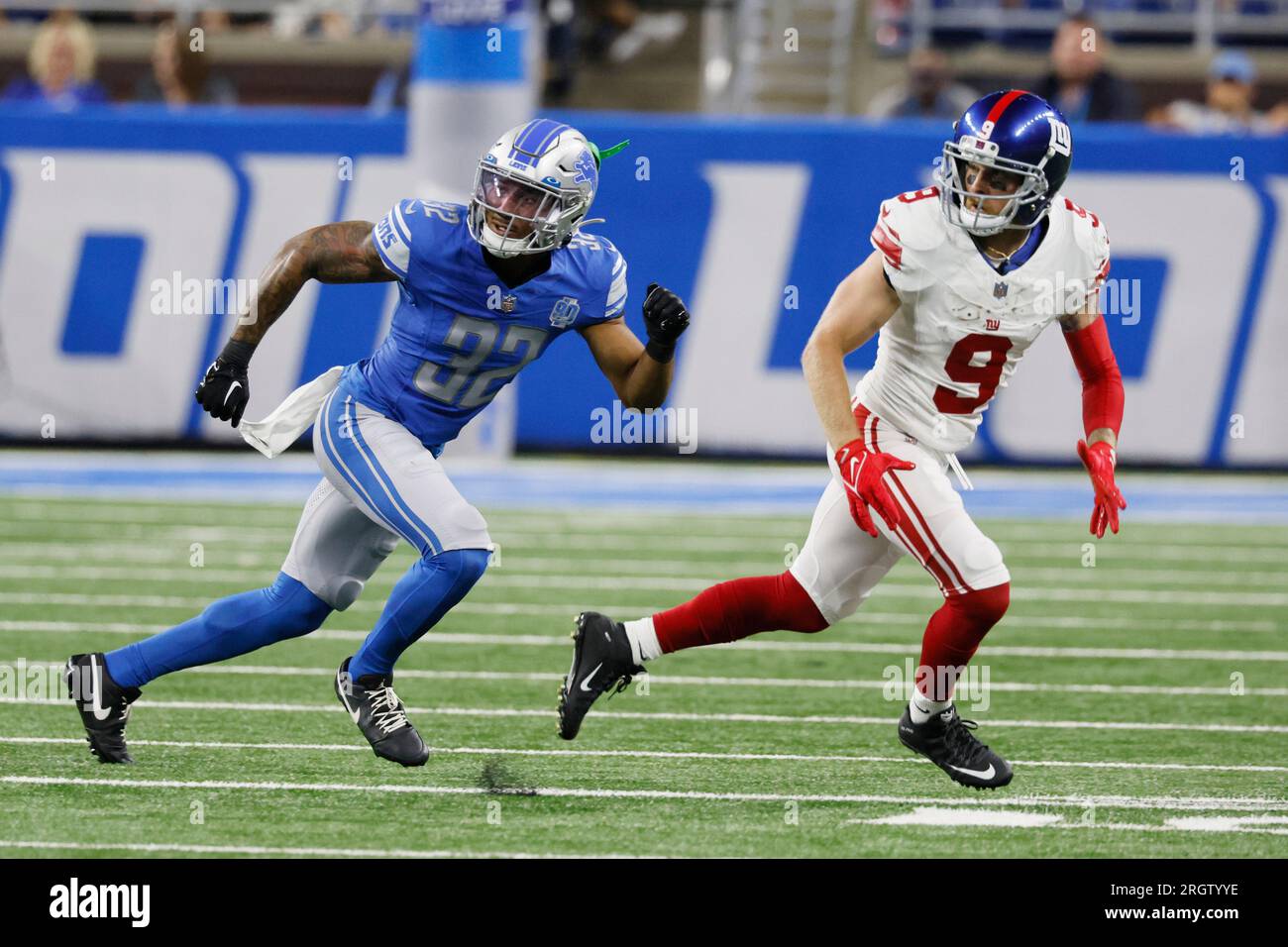
When the Detroit Lions selected Brian Branch with the 45th overall pick in the 2023 NFL Draft, the immediate question was where he would fit. Despite being labeled a safety at the University of Alabama, Branch spent the vast majority of his rookie season playing the "Star" or nickel cornerback position. In defensive coordinator Aaron Glenn’s system, the nickel is a grueling role that requires the coverage skills of a corner and the tackling physicality of a linebacker.
During that 2023 season, Branch became a household name almost instantly. In his NFL debut against the Kansas City Chiefs, he recorded a 50-yard interception return for a touchdown, signaling his arrival as a premier playmaker. He finished his rookie year with 74 total tackles, 13 pass deflections, and three interceptions. However, playing primarily in the slot limited his ability to influence the game on every snap, as he was often tied to specific receiver matchups rather than being allowed to roam the field.
The "change" began as a conceptual shift in the 2024 offseason. The Lions' coaching staff recognized that while Branch was an elite nickel, his ceiling was even higher as a traditional safety who could "see the whole field." By moving him further back, the Lions aimed to turn him into a defensive equalizer—a player capable of erasing mistakes and baiting quarterbacks into dangerous throws.
The Positional Shift: From the Slot to the Post
The most significant development in Branch's career occurred during the 2024 season when the Lions committed to him as a full-time safety. This was not merely a change in title; it was a fundamental shift in how the Lions structured their defensive shells.
1. Enhanced Vision and Range
At the nickel position, a player is often "eyes-on" with a specific receiver or confined to a small quadrant of the field. By moving to safety, Branch was granted the "top-down" perspective. This allowed him to utilize the elite football IQ he developed under Nick Saban at Alabama. From the safety position, Branch can diagnose route concepts as they develop, allowing him to jump passing lanes that he previously couldn't reach from the slot.
2. Partnership with Kerby Joseph
The move to safety allowed Branch to form a devastating tandem with fellow safety Kerby Joseph. This "Twin Safeties" look gave Aaron Glenn the flexibility to run more disguised coverages. Often, Branch and Joseph would rotate late before the snap, making it difficult for opposing quarterbacks to identify who was playing the "robber" role and who was playing the "deep half."
3. Run Support and the "Box" Role
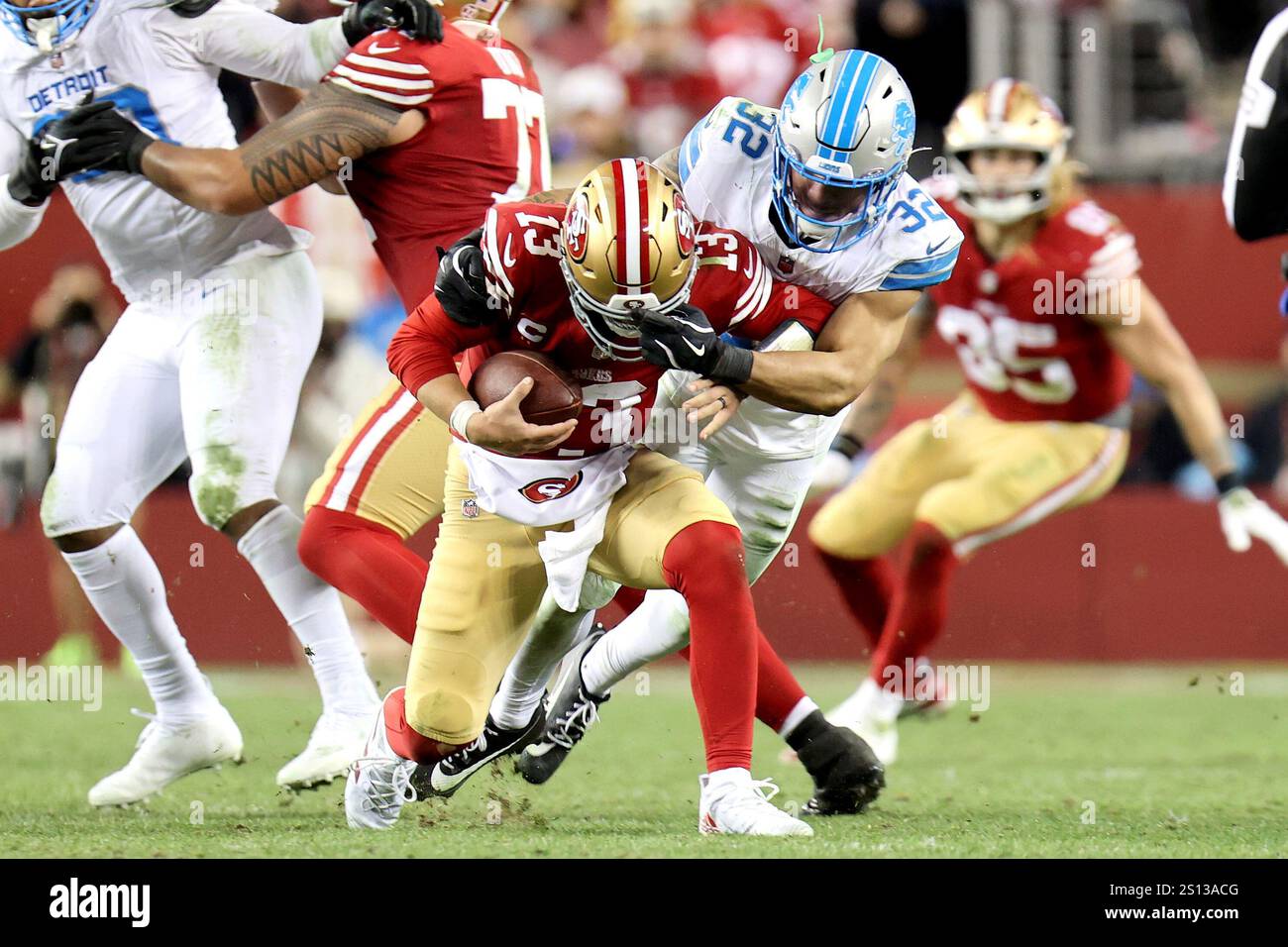
Despite his relatively slender frame for a safety, Branch remains one of the most efficient tacklers in the league. The transition to safety actually increased his involvement in run defense. In "Big Nickel" packages, Branch often drops into the box as a pseudo-linebacker, using his quickness to navigate through offensive linemen and stop running backs before they reach the second level.
Why the Change Was Necessary for Detroit’s Defense
To understand what changed for Brian Branch, one must look at the Detroit Lions' defensive philosophy as a whole. Between 2023 and 2026, the Lions aggressively overhauled their secondary. The drafting of cornerbacks like Terrion Arnold and the acquisition of veteran presence on the outside allowed the Lions the luxury of moving Branch.
When the Lions lacked lockdown outside corners, Branch had to stay in the slot to stabilize the middle of the field. Once the perimeter was secured, the coaching staff realized that Branch's greatest value was as a "chess piece." If a team has a dangerous tight end, Branch can man-up. If a team has a deep threat, Branch can play over the top. This versatility is the hallmark of modern elite safeties like Minkah Fitzpatrick or Kyle Hamilton, and Branch has moved into that tier of NFL defenders.
Statistical Comparison: Rookie Year vs. Veteran Transition
The following table illustrates the shift in Branch's production as he transitioned from his primary rookie role to his established veteran role in the Lions' defense.
| Metric | 2023 (Rookie - Primary Nickel) | 2024–2025 (Transition to Safety) |
|---|---|---|
| Primary Alignment | Slot Corner (80%+) | Free/Strong Safety (70%+) |
| Interceptions | 3 | 4–6 (Per Season Average) |
| Pass Deflections | 13 | 15+ |
| Tackles for Loss | 7 | 5–8 |
| Role Emphasis | Man Coverage / Blitzing | Zone Integrity / Ball-Hawking |
| Pro Bowl Status | Alternate | Consistent Selection |
Note: Data reflects the tactical shift in usage and typical production curves for top-tier safeties in the Detroit Lions' scheme.
The Technical Growth of Brian Branch
Beyond the position on the depth chart, Branch’s individual technique has seen significant refinement. In 2023, he relied heavily on his instincts and "Bama-bred" fundamentals. By 2026, he has mastered the nuances of NFL-level safety play, specifically in the following areas:
Pedal and Transition
Early in his career, Branch occasionally struggled with the long-speed transitions required for deep-half coverage. Through focused offseason training, he improved his backpedal and "T-step" transition, allowing him to close the gap on deep post routes and go routes more effectively.
Communication and Leadership
A safety is the "quarterback of the defense." What changed for Branch is his vocal presence. He is now responsible for setting the coverage checks and ensuring the cornerbacks are aligned correctly. His teammates often cite his preparation in the film room as the reason the secondary avoids "busts" or wide-open coverage lapses.
Physical Conditioning
Branch has added lean muscle since his rookie year, which has helped him endure the physical toll of a 17-game season while playing a high-contact position. This added strength is most visible when he is asked to shed blocks from pulling guards—a task he performs with surprising effectiveness for a defensive back.
Impact on the Lions' Playoff Aspirations
The evolution of Brian Branch has been a cornerstone of the Lions' sustained success through 2026. A defense is only as good as its weakest link in the secondary, and Branch has ensured there are no weak links. By providing a reliable "safety net" over the top, he has allowed the Lions' aggressive front four—led by stars like Aidan Hutchinson—to pin their ears back and rush the passer without fear of giving up easy explosive plays.
Branch’s ability to take away the middle of the field has forced opposing offenses to become one-dimensional. Many teams now actively avoid throwing into the "Branch Zone," which usually encompasses the 10-to-20-yard area between the hashes. This "gravity" allows other defenders to play with more aggression, knowing Branch is backing them up.
Frequently Asked Questions
What position does Brian Branch play now?
As of 2026, Brian Branch is a starting safety for the Detroit Lions. While he began his career primarily as a nickel (slot) cornerback, he has transitioned to a versatile safety role where he plays both deep-field coverage and near the line of scrimmage in the box.
Why did the Lions move Brian Branch from nickel to safety?
The move was designed to maximize Branch's elite vision and playmaking ability. By playing safety, he can see the entire offensive formation and react to the ball from a "top-down" perspective, rather than being limited to covering a single receiver in the slot.
Does Brian Branch still wear number 32?
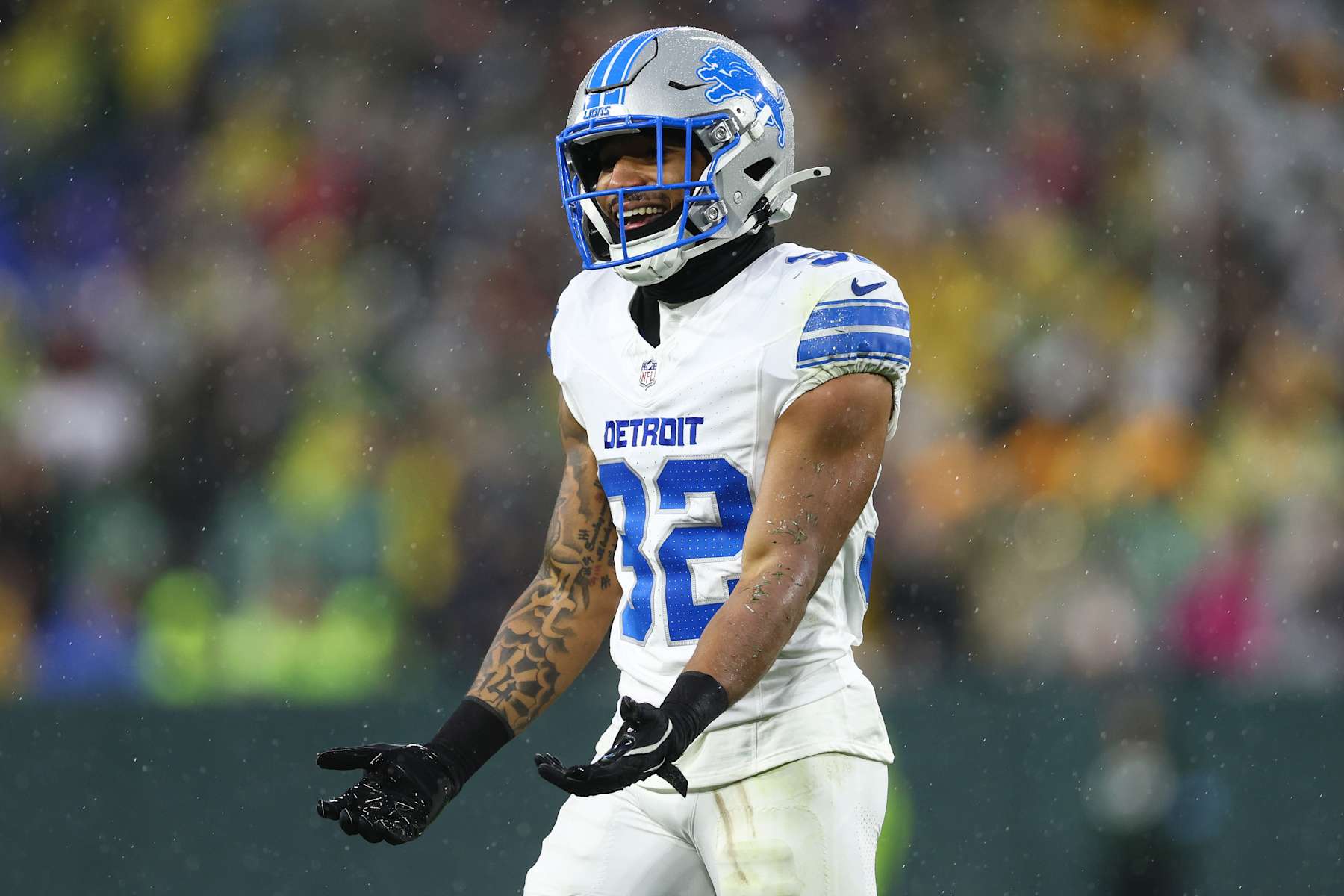
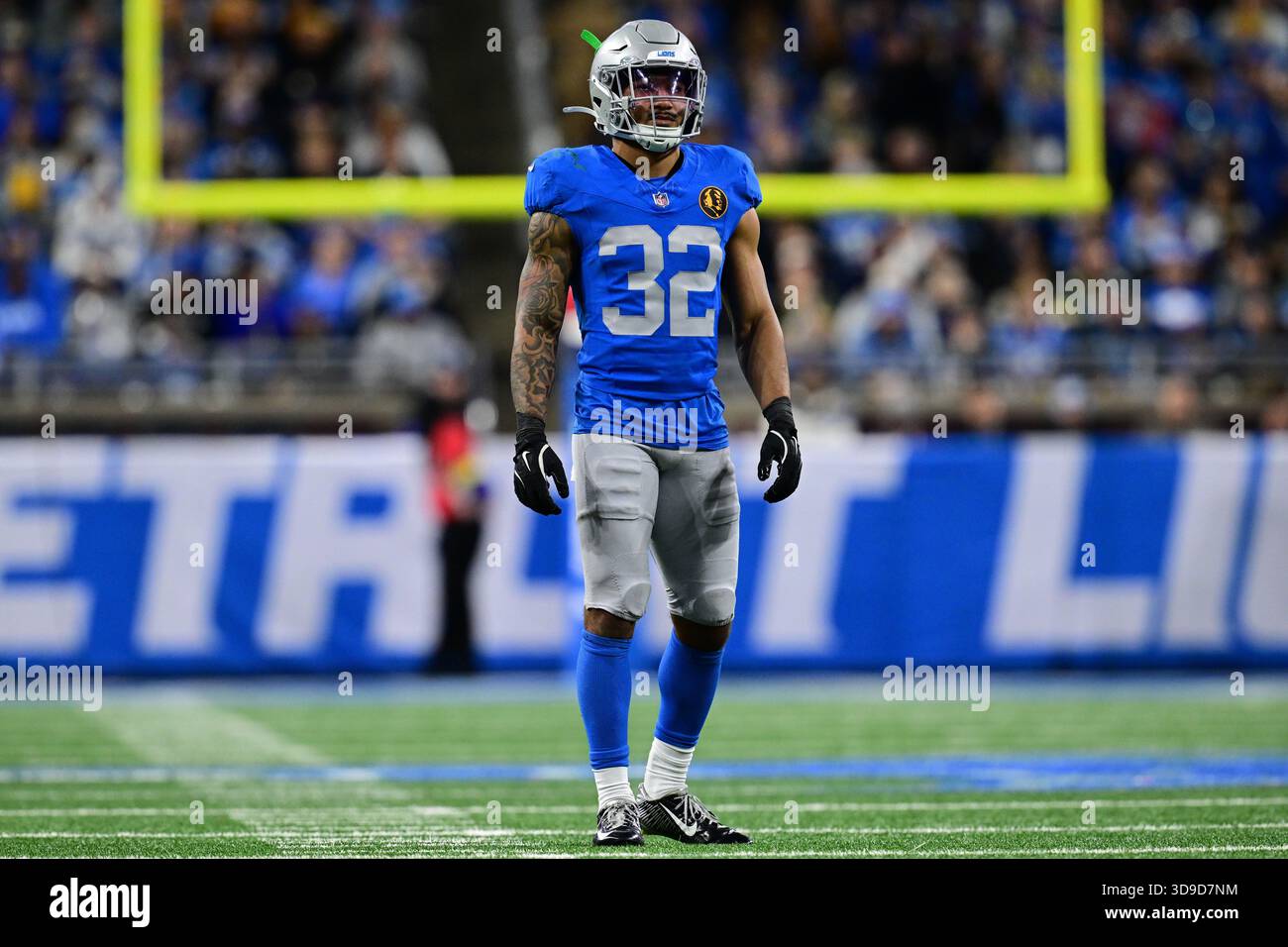
Yes, Brian Branch continues to wear number 32 for the Detroit Lions. He wore number 0 during his collegiate career at Alabama, but because the Lions' coaching staff and fans associated his early NFL success with 32, it has become his signature professional identity.
How does Brian Branch compare to other NFL safeties?
Branch is widely considered one of the most versatile safeties in the league, often compared to players like Minkah Fitzpatrick. His unique background as a corner gives him superior man-coverage skills compared to traditional safeties, while his "Alabama-style" tackling makes him elite in run support.
Has Brian Branch been injured since his rookie year?
Like many high-impact defensive players, Branch has dealt with minor lower-body injuries, but he has not suffered any major long-term setbacks. His durability has been a key factor in the Lions' defensive consistency between 2023 and 2026.
Final Recommendation for Fans and Analysts
To truly appreciate the change in Brian Branch, watch his pre-snap movement. In his rookie year, he was often static, waiting for the receiver to move. In 2026, you will see him constantly communicating, disguising his depth, and baiting the quarterback. For those following the Lions or analyzing defensive secondary play, Branch remains the gold standard for how a modern NFL safety should operate: with a blend of cornerback coverage skills and linebacker toughness.
Image Gallery