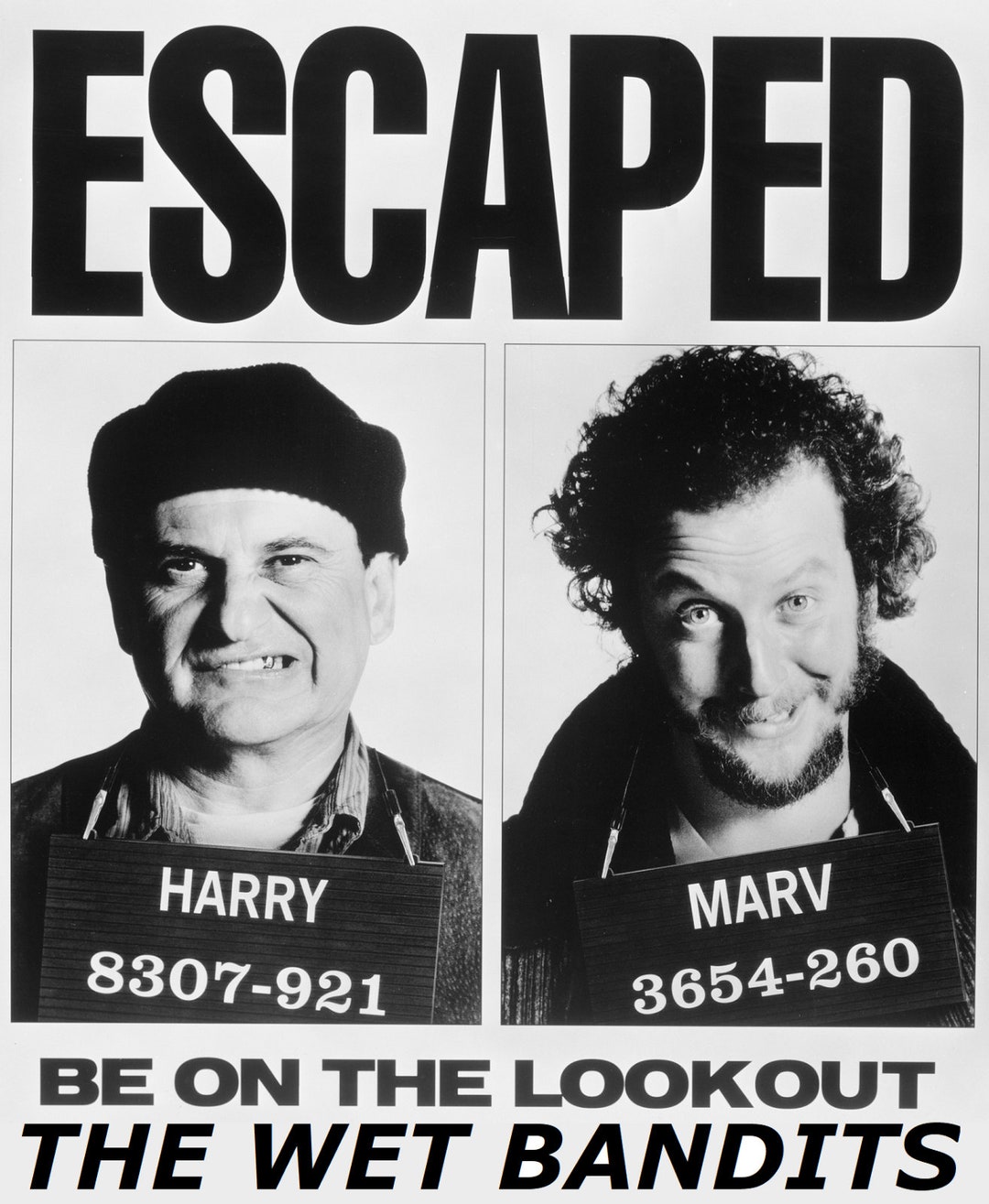
Home Alone Bandit Names: The Complete Guide to the Wet Bandits and Sticky Bandits
The primary antagonists of the classic holiday films Home Alone (1990) and Home Alone 2: Lost in New York (1992) are Harry Lime and Marv Merchants, collectively known first as the Wet Bandits and later as the Sticky Bandits. Portrayed...
The primary antagonists of the classic holiday films Home Alone (1990) and Home Alone 2: Lost in New York (1992) are Harry Lime and Marv Merchants, collectively known first as the Wet Bandits and later as the Sticky Bandits. Portrayed by Joe Pesci and Daniel Stern, these iconic criminal characters earned their nicknames based on their signature burglary modus operandi: clogging household sinks and leaving faucets running to flood properties after robbing them, and later, targeting high-end toy stores during the holiday season.
Contents
Cinematic Origins and Character Profiles of the Notorious Duo
Understanding the cultural footprint of the Home Alone franchise requires examining the two central figures of criminal incompetence. Written by John Hughes and directed by Chris Columbus, the first two films establish a distinct criminal dynamic that relies heavily on physical comedy, slapstick violence, and contrasting character personalities.
Harry Lime acts as the mastermind of the operation. Sharp-tongued, aggressive, and easily frustrated, Harry views himself as a professional criminal strategist, though his plans are continually derailed by poor risk assessment and his partner's blunders. His moniker, the Wet Bandits, originates from his habit of leaving water running in every house they burglarize to ensure maximum property damage.
Marv Merchants serves as the tall, scatterbrained accomplice whose lack of common sense provides much of the comedic relief. Easily distracted and remarkably resilient to physical trauma, Marv adopts the moniker the Sticky Bandits in the 1992 sequel after changing their criminal strategy from residential burglaries to retail theft in Manhattan.
Evolution of Modus Operandi: The Wet Bandits Versus the Sticky Bandits
The criminal methodology utilized by Harry and Marv shifts significantly between the first and second installments of the franchise. This tactical evolution directly influences their criminal nicknames and the specific threats they pose to their victims.
The Wet Bandits Operational Strategy (1990)
- Target Profile: Affluent, upscale suburban neighborhoods in Winnetka, Illinois, during the Christmas holiday season when families travel.
- Entry Method: Forced entry through back doors, basement windows, or second-story access points.
- Signature Trademark: Plugging sinks and bathtubs, turning on all faucets, and letting water run to flood the premises, causing thousands of dollars in secondary structural damage.
- Key Vulnerability: Underestimating the resourcefulness of a locked-in minor, Kevin McCallister, who defends his home using improvised traps.
The Sticky Bandits Operational Strategy (1992)
- Target Profile: High-traffic commercial retail locations in New York City, specifically operating during charitable donation events.
- Entry Method: Window smashing, impersonation, and exploiting holiday crowds to blend into the urban environment.
- Signature Trademark: Stealing large sums of cash directly from charitable registers, such as the Duncan's Toy Chest holiday fund, without leaving structural water damage.
- Key Vulnerability: Persistent pursuit of the same child in a sprawling metropolitan area, leading to predictable traps in an under-renovation brownstone.
Comparative Breakdown of the Bandit Personas
| Bandit Name | Real Actor | Primary Nickname | Signature Trait | Ultimate Fate |
|---|---|---|---|---|
| Harry Lime | Joe Pesci | The Wet Bandits (Brain) | Short-tempered, gold-tooth smile, criminal strategist | Arrested by police after falling into traps set by Kevin McCallister |
| Marv Merchants | Daniel Stern | The Sticky Bandits (Brawn) | Gullible, electrocuted, bricked in the face, highly resilient | Arrested alongside Harry in both Chicago and New York |
Behind the Scenes: Naming Conventions and Cultural Impact
The creation of the bandit names was a deliberate screenwriting choice designed to make the antagonists memorable to a younger demographic while remaining inherently humorous. While Harry and Marv are never formally referred to by professional gang names in the underworld, their self-assigned titles reflect their distinct branding of their criminal sprees.
In Home Alone 2, the transition to the Sticky Bandits highlights their adaptation to a new environment. Moving from the quiet suburbs of Cook County, Illinois, to the dense urban landscape of Manhattan required a revised approach to theft, though their ultimate downfall remained tied to their inability to outsmart a determined child equipped with everyday household items and hardware tools.
Frequently Asked Questions About the Home Alone Bandits
What are the real names of the Wet Bandits?
The real names of the Wet Bandits are Harry Lime and Marv Merchants. They are played by veteran actors Joe Pesci and Daniel Stern in the feature films.
Why did they change their name to the Sticky Bandits?
They changed their name to the Sticky Bandits in Home Alone 2: Lost in New York because their criminal focus shifted from residential burglaries involving water damage to stealing cash directly from cash registers and charity donations.
Are the Wet Bandits based on real criminals?
No, the Wet Bandits are entirely fictional characters created by screenwriter John Hughes for comedic cinematic purposes. Their slapstick injuries and cartoonish resilience are designed specifically for family-friendly physical comedy.
What city were the Wet Bandits operating in during the first movie?
The Wet Bandits operated in Winnetka, an affluent suburb located north of Chicago, Illinois, targeting upscale homes left vacant during holiday travels.
How many Home Alone movies feature Harry and Marv?
Harry and Marv appear as the primary antagonists in the first two films of the franchise: Home Alone (1990) and Home Alone 2: Lost in New York (1992). Subsequent sequels feature entirely different villains and plots.
Expert Recommendations for Movie Fans and Trivia Enthusiasts
For those examining the technical filmmaking aspects, stunt coordination, or screenwriting structure of the Home Alone series, reviewing the original screenplays offers insight into how physical comedy is paced. Pay close attention to the sound design, which amplifies the impact of bricks, blowtorches, and paint cans, turning cartoonish violence into timeless holiday entertainment. Ensure you revisit the original 1990 and 1992 theatrical cuts to study the full evolution of Harry and Marv's criminal careers before diving into modern franchise revivals.
Image Gallery