Understanding the Murder Rate in the US: Data, Trends, and Analytical Frameworks for 2026
The murder rate in the United States serves as a critical public safety and criminological metric tracked extensively by federal agencies. Analyzing these figures requires examining multi-year data from the FBI's Uniform Crime Reportin...
The murder rate in the United States serves as a critical public safety and criminological metric tracked extensively by federal agencies. Analyzing these figures requires examining multi-year data from the FBI's Uniform Crime Reporting (UCR) program and the Centers for Disease Control and Prevention (CDC), separating short-term fluctuations from long-term systemic trends.
Contents
Defining and Measuring Homicide in the United States
Accurately understanding the murder rate in the US requires a clear distinction between how federal agencies collect, categorize, and report violent crime data. Criminologists and public policy experts rely on two primary data streams to measure the incidence of homicide nationwide: law enforcement reporting and public health vital statistics.
The Uniform Crime Reporting (UCR) Program and National Incident-Based Reporting System (NIBRS)
Administered by the Federal Bureau of Investigation (FBI), the UCR program has historically collected offense data from thousands of local, state, and tribal law enforcement agencies. In recent years, the transition to the National Incident-Based Reporting System (NIBRS) has modernized this data architecture. NIBRS captures granular details about individual crime incidents, including the relationship between victim and offender, weapon types, location characteristics, and associated circumstances.
The CDC National Center for Health Statistics (NCHS)
While law enforcement data captures crimes reported to or discovered by police, the Centers for Disease Control and Prevention tracks homicides through death certificates compiled by the National Vital Statistics System. The CDC dataset often captures homicides that may be classified differently or underreported in local police department summaries, making it an essential benchmark for epidemiological and public health evaluations.
Historical Trajectory and Current 2026 Statistical Landscape
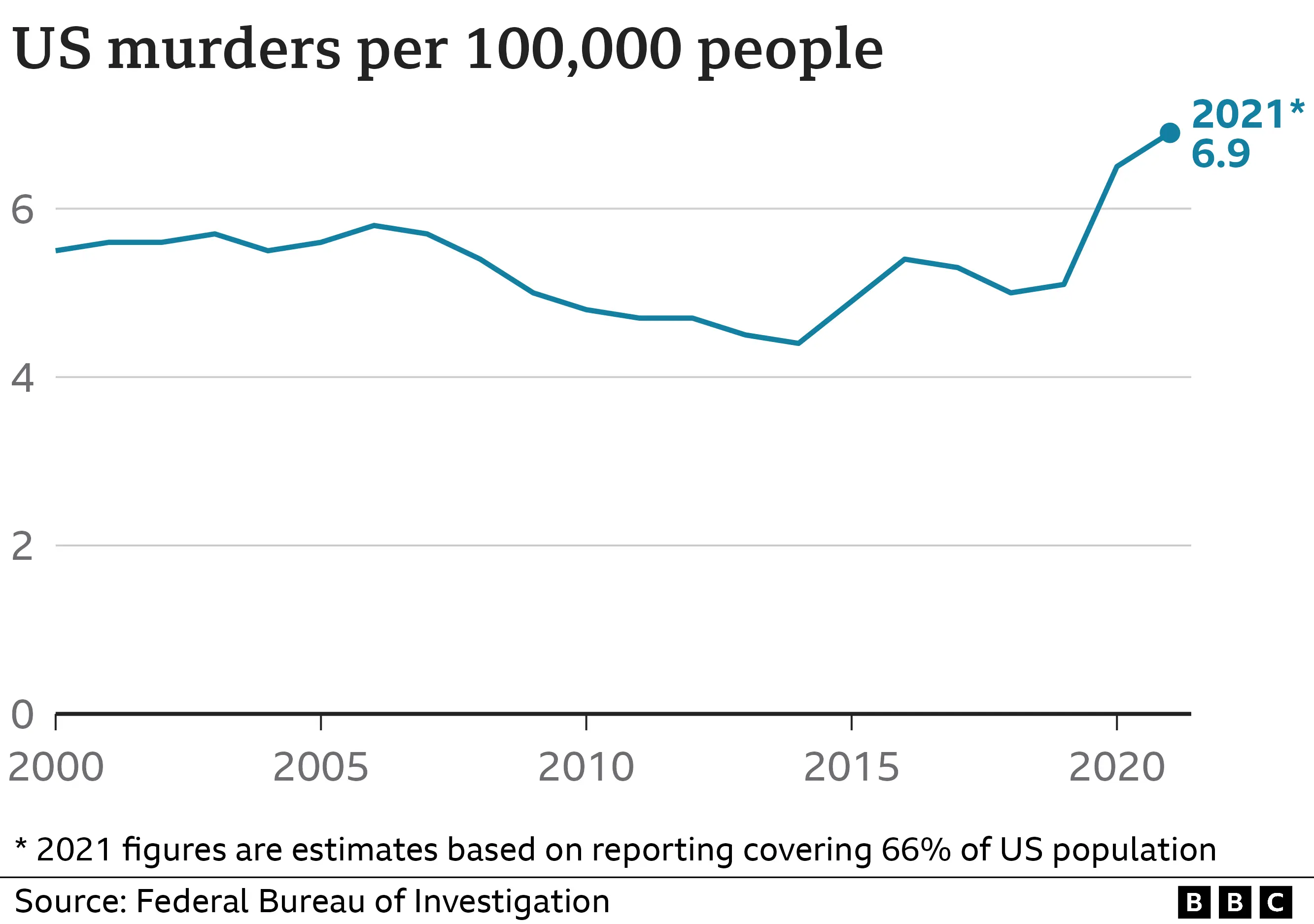
To contextualize the current murder rate in the US, analysts evaluate multi-decade trajectories marked by significant historical shifts. The following breakdown illustrates the structural evolution of American homicide rates from the late 20th century into the mid-2020s.
- The 1990s Peak: The US experienced historically high homicide rates during the late 1980s and early 1990s, peaking in 1980 and again in 1991, largely driven by urban gang violence and the crack cocaine epidemic.
- The Decades-Long Decline: From the mid-1990s through 2014, the national murder rate experienced a steady, sweeping downward trend, reaching historic lows not seen since the 1960s.
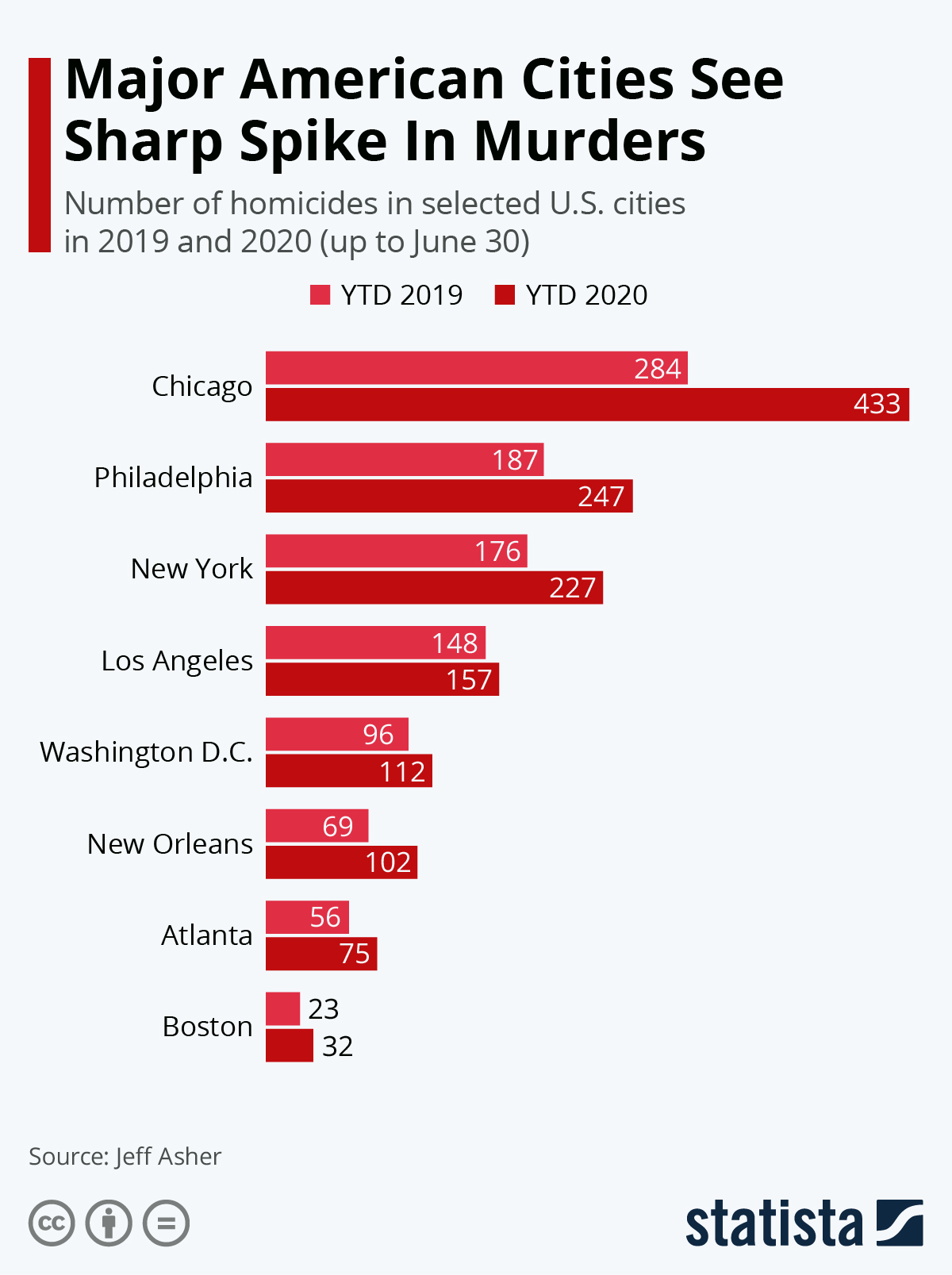
- The 2020 Pandemic Surge: The year 2020 marked an unprecedented single-year spike in the homicide rate, rising by nearly 30% amidst widespread social disruption, economic stress, and institutional strain caused by the COVID-19 pandemic.
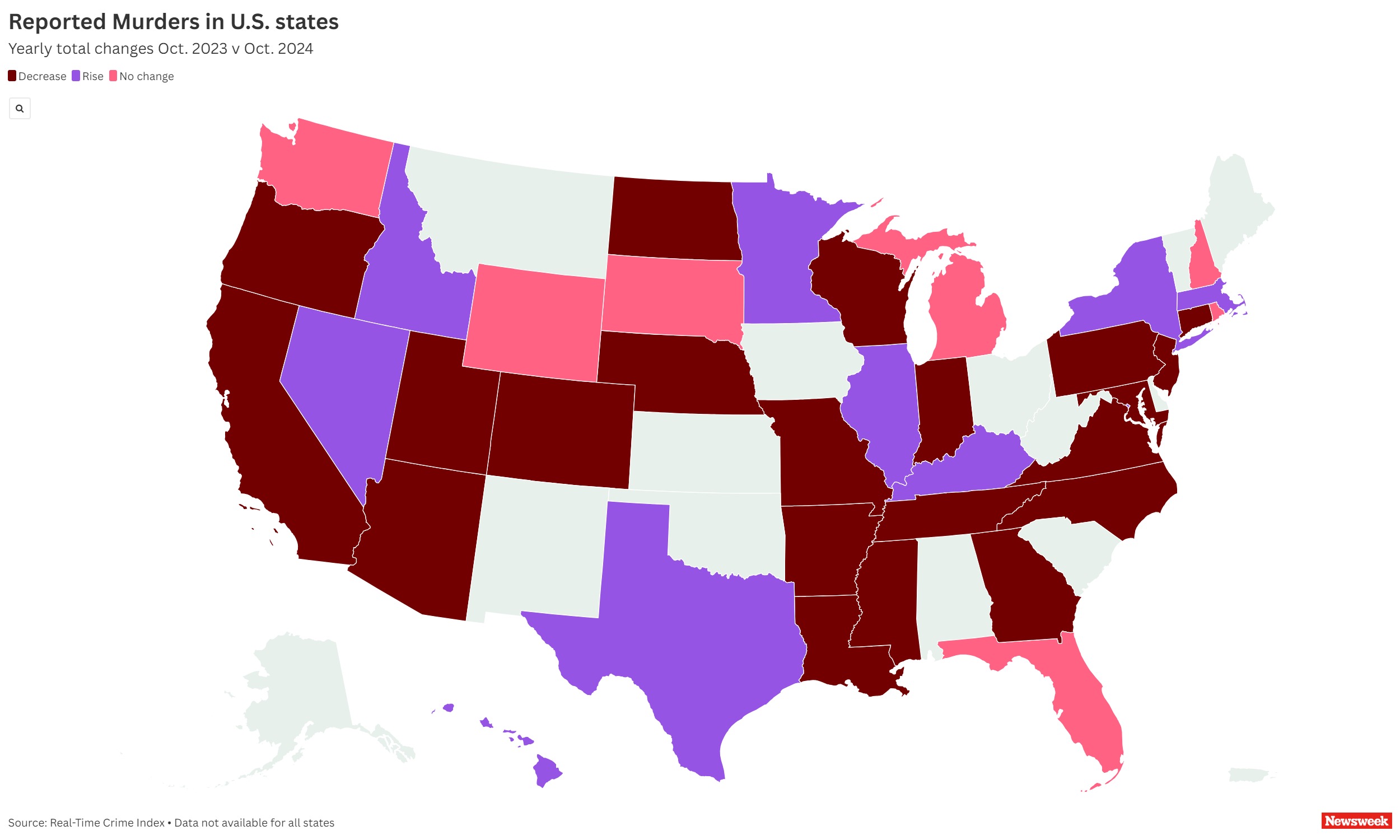
- The Post-Pandemic Correction: Following the 2020 peak, preliminary and finalized federal data through 2024 and moving into 2026 indicate a sharp, sustained downward correction, with year-over-year declines rivaling or exceeding the magnitude of the 2020 increase.
Methodological Comparison of Crime Data Sources
| Data Source | Primary Agency | Collection Method | Key Strengths | Primary Limitations |
|---|---|---|---|---|
| UCR / NIBRS | Federal Bureau of Investigation (FBI) | Voluntary reports submitted by local and state police departments. | Provides detailed contextual data on weapons, arrests, and victim-offender relationships. | Subject to reporting gaps if local agencies fail to transition or submit data consistently. |
| NVSS | Centers for Disease Control and Prevention (CDC) | Standardized medical death certificates compiled from all 50 states. | Near-universal coverage of actual mortality; independent of police reporting practices. | Lacks granular criminal justice context, such as suspect details, motive, or arrest outcomes. |
| BJS NCVS | Bureau of Justice Statistics | Nationally representative household victimization surveys. | Captures both reported and unreported crimes; assesses broader community victimization. | Relies on respondent memory; excludes homicides because victims cannot be surveyed. |
Key Demographic and Geographic Variables
Homicide in the United States is rarely distributed uniformly across populations or geography. Decades of criminological research demonstrate distinct demographic patterns regarding victims and offenders, as well as significant geographic variance between densely populated urban cores and rural jurisdictions.
Demographic Disparities
Federal data consistently shows that homicide victimization and perpetration are heavily concentrated among specific demographic groups, particularly young adult males. Furthermore, systemic socioeconomic factors—such as localized poverty, educational disparities, and historical residential segregation—correlate strongly with elevated neighborhood-level violence rates.
Geographic Concentration
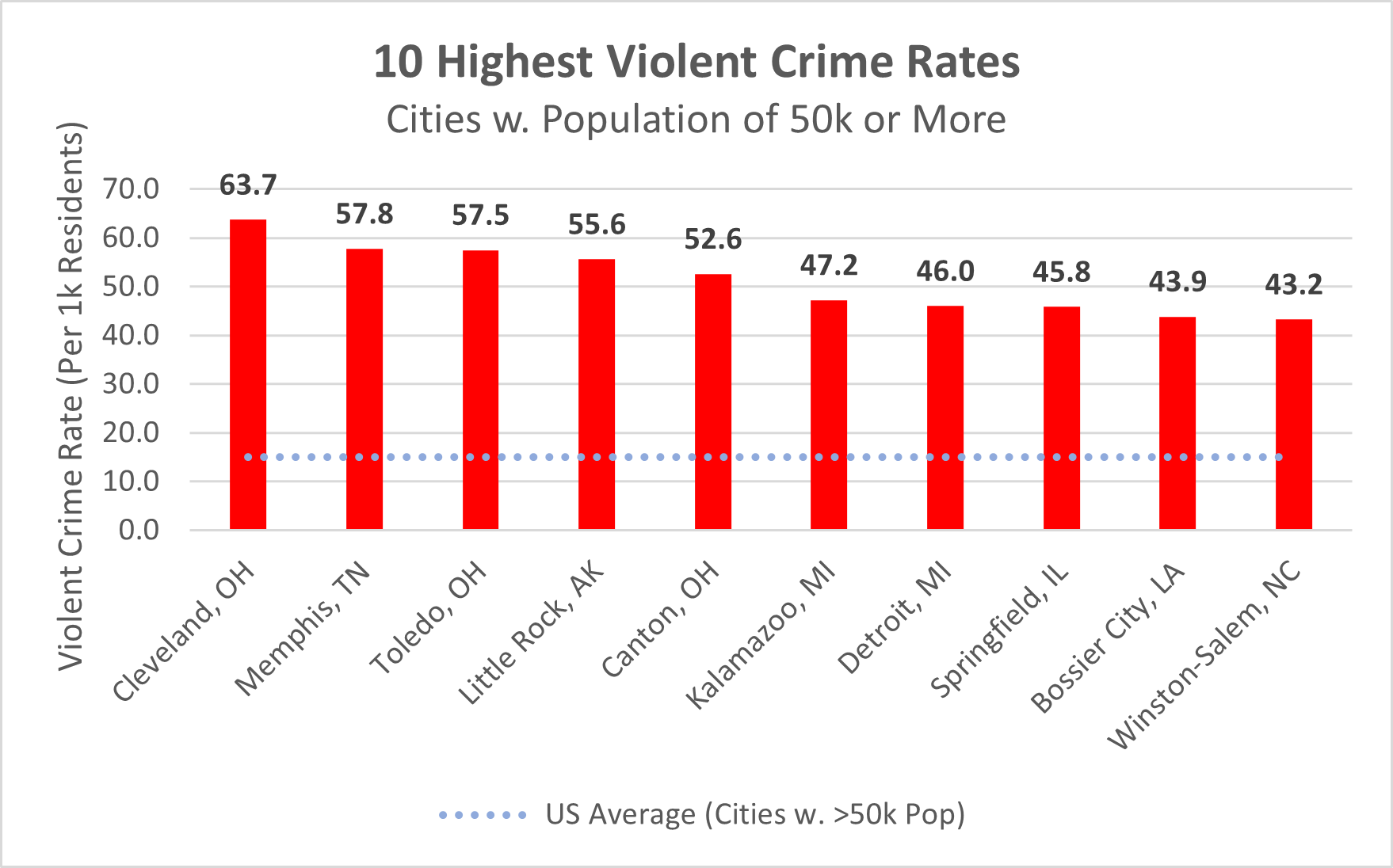
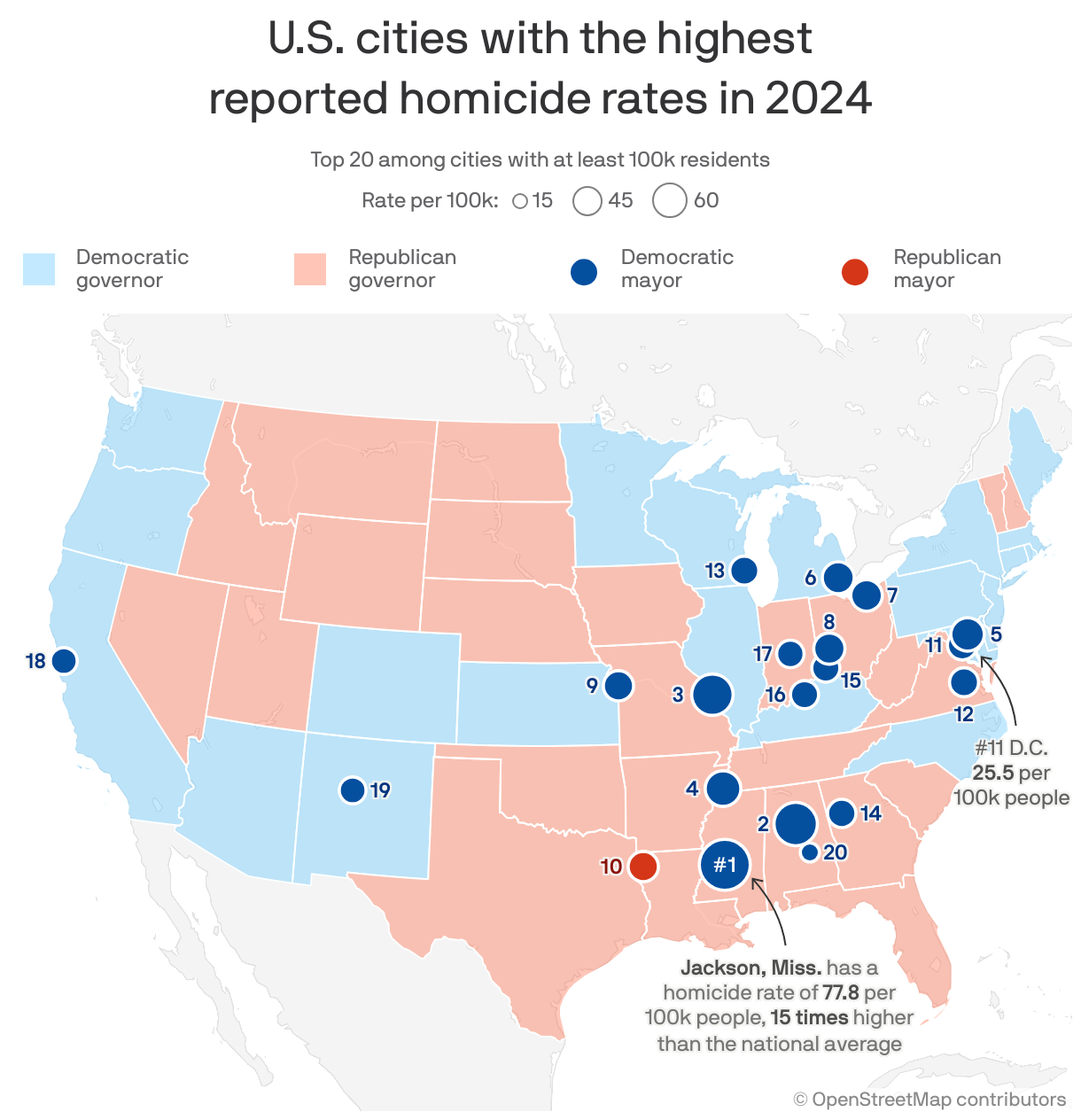
While national averages provide a macro-level overview, the murder rate in the US is highly localized. A disproportionate percentage of homicides occur within a small fraction of census tracts concentrated in major metropolitan areas. Conversely, many rural counties and suburban municipalities maintain homicide rates near or at zero over multi-year periods.
Primary Drivers and Correlates of Homicide Rate Fluctuations
Understanding why the murder rate in the US rises or falls requires examining the structural, social, and economic variables that influence criminal behavior and community stability.
Socioeconomic Strain and Economic Instability Economic deprivation, high unemployment rates, and lack of institutional investment in marginalized neighborhoods strongly correlate with elevated rates of violent crime and community instability.
- Firearm Availability and Lethality: The vast majority of homicides in the US involve firearms. Changes in gun ownership rates, trafficking patterns, and the prevalence of ghost guns or high-capacity semi-automatic weapons directly impact the lethality of interpersonal conflicts.
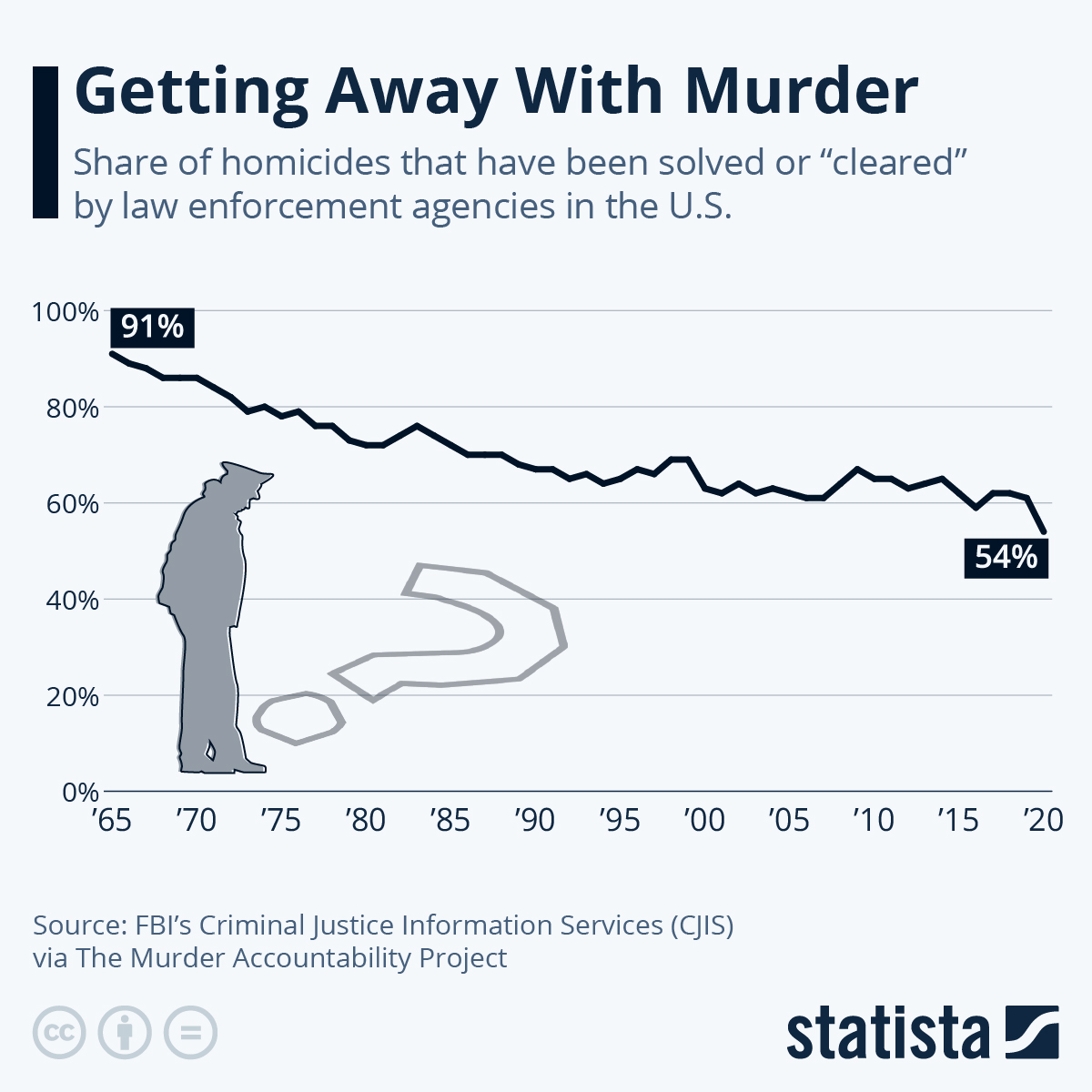
- Police-Community Relations: Trust between local communities and law enforcement agencies plays a vital role in crime reporting, witness cooperation, and proactive policing strategies. Strained relations often lead to lower clearance rates and retaliatory cycles of violence.
- Community Violence Intervention (CVI) Programs: Evidence-based public health interventions that treat violence as a contagious disease—deploying credible messengers to mediate conflicts before they escalate—have gained widespread adoption and municipal funding across major US cities.
Comparative Analysis: Law Enforcement Strategies vs. Public Health Frameworks
| Strategic Framework | Core Philosophy | Primary Tools & Tactics | Advantages | Limitations |
|---|---|---|---|---|
| Traditional Policing | Deterrence and apprehension through law enforcement presence. | Directed patrols, hot-spots policing, rapid response times, and increased arrests. | Direct accountability; rapid deployment in active crime spikes. | Can strain community relations; reactive rather than preventative. |
| Public Health Approach | Treating violence as a preventable disease affecting populations. | Hospital-based violence intervention, conflict mediation, and economic support. | Addresses root causes; reduces long-term recidivism and retaliation. | Requires sustained long-term funding and inter-agency coordination. |
Frequently Asked Questions About the US Murder Rate
What is the current trend of the murder rate in the US?
The murder rate in the US has experienced a significant, historic decline following the temporary surge seen in 2020. Federal data from law enforcement and public health agencies show consecutive years of steep downward adjustments moving toward 2026. This downward trajectory spans dozens of major American cities and rural counties alike.
How does the US murder rate compare to other developed nations?
The US murder rate is substantially higher than that of other high-income, industrialized nations, such as Western European countries, Canada, Japan, and Australia. Criminologists attribute this disparity primarily to higher rates of firearm prevalence and lethality, combined with unique socioeconomic and historical factors within the United States.
Which agency provides the most accurate data on US homicides?
Both the FBI (via NIBRS) and the CDC (via the National Vital Statistics System) provide authoritative data, but they measure different things. The CDC offers the most complete count of total deaths resulting from homicide based on medical certification, while the FBI provides deeper criminal justice context regarding arrests, weapons, and circumstances.
What factors contributed to the spike in homicides during 2020?
The 2020 homicide surge was driven by a complex convergence of stressors, including widespread economic disruption, the closure of schools and social support programs, heightened civil unrest, institutional strain on the justice system, and a significant nationwide increase in firearm sales and community anxiety.
Are most homicides in the US committed by strangers or acquaintances?
According to federal crime statistics, the vast majority of homicides in the United States involve individuals who know each other. This includes family members, romantic partners, acquaintances, and rival gang or group members, whereas stranger homicides constitute a smaller percentage of all recorded incidents.
Strategic Conclusion and Policy Recommendations
Analyzing the murder rate in the US requires balancing rigorous quantitative data from federal repositories with qualitative insights from public health and criminal justice research. Addressing violent crime effectively demands a dual-track strategy: maintaining targeted, data-driven law enforcement operations focused on violent repeat offenders and illegal firearms trafficking, while simultaneously scaling evidence-based community violence intervention programs that address the root socioeconomic causes of urban violence. Policymakers, researchers, and community leaders must rely on transparent, standardized data streams to evaluate interventions and foster long-term public safety.
Image Gallery