The Comprehensive Guide to Dash Cams in the United States: Laws, Technology, and Best Practices for 2026
Dash cams in the United States serve as critical digital witnesses, providing objective evidence for insurance claims, legal disputes, and road safety. While legal in all 50 states, their usage is governed by a complex web of state-spe...
Dash cams in the United States serve as critical digital witnesses, providing objective evidence for insurance claims, legal disputes, and road safety. While legal in all 50 states, their usage is governed by a complex web of state-specific mounting regulations and privacy laws regarding audio recording and data storage.
Contents
As we move through 2026, the dash cam has evolved from a niche gadget for enthusiasts into an essential tool for the American driver. Whether you are navigating the dense traffic of Manhattan, traversing the long stretches of I-10 in Texas, or managing a commercial fleet in Chicago, understanding the technical and legal nuances of the U.S. dash cam market is vital for protecting your assets and your rights.
The Legal Landscape of Dash Cams in the U.S.
The primary concern for any driver installing a camera is staying within the bounds of both federal and state laws. In the United States, there is no federal law prohibiting the use of a dashboard camera, but two main areas of law dictate how you can use them: windshield obstruction statutes and wiretapping/privacy laws.
Windshield Mounting and Obstruction Laws
Most states have "clear view" or "obstruction of vision" laws that prohibit placing objects on the windshield that might interfere with the driver's line of sight. However, the interpretation of these laws varies significantly. For example, in California and Maryland, specific sections of the windshield are legally designated for "video event recorders."
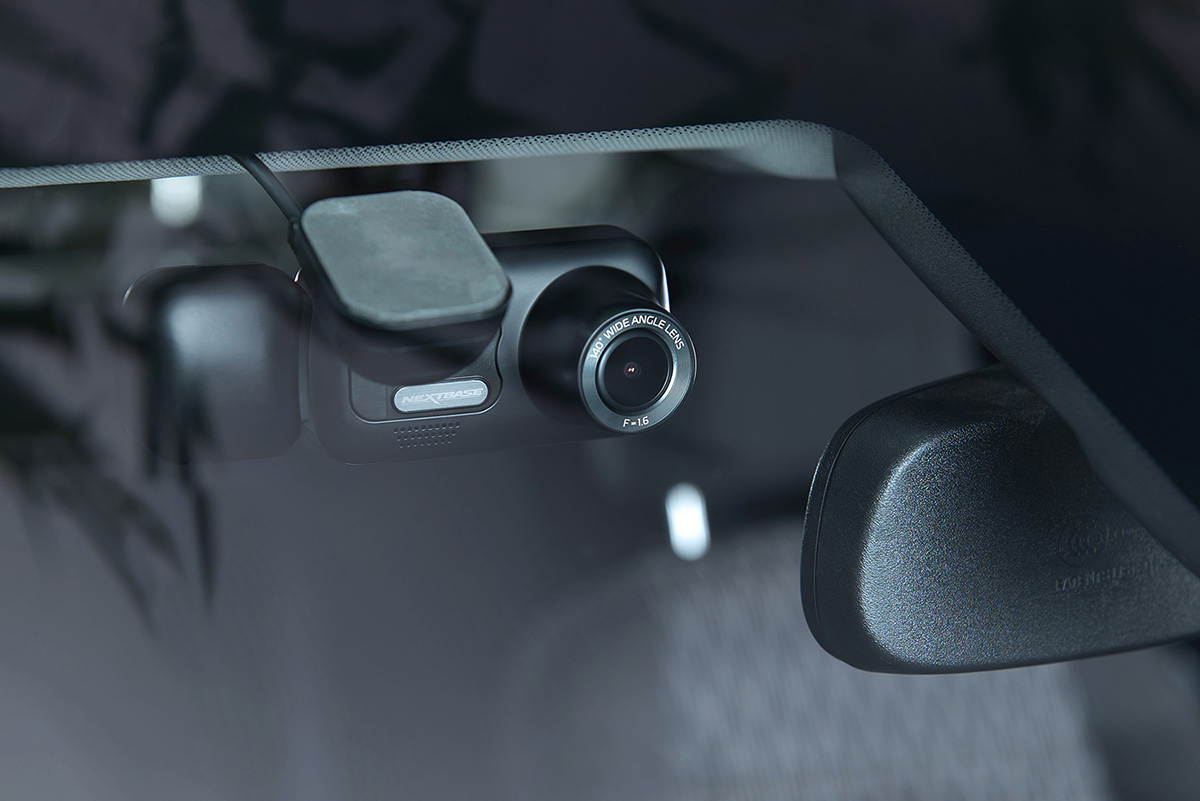
In California, under Vehicle Code Section 26708, a dash cam can be mounted in a seven-inch square in the lower corner of the windshield on the passenger side, or a five-inch square in the lower corner on the driver's side. It can also be placed in the upper center of the windshield. Conversely, states like Pennsylvania and New Hampshire have historically had much stricter "no-obstruction" rules, often leading drivers to favor dashboard-mounted units or "stealth" cameras that hide behind the rearview mirror. Always ensure your camera is placed above the AS-1 line (the shaded area at the top of the windshield) or in a corner to minimize the risk of a citation.
Audio Recording and Privacy (Wiretapping Laws)
While video recording in public spaces (like a public road) is generally protected by the First Amendment, audio recording falls under state wiretapping statutes. The U.S. is divided into "one-party consent" and "two-party (all-party) consent" states.
In a one-party state like Texas or New York, you can legally record audio as long as you are part of the conversation. In two-party states like Illinois, Florida, and Washington, all persons being recorded must consent to the audio capture. This becomes particularly relevant for rideshare drivers (Uber/Lyft). In 2026, the standard practice is to place a visible window decal stating that "Audio and Video Recording is in Progress" to imply consent for anyone entering the vehicle, thereby satisfying legal requirements in most jurisdictions.
Essential Technical Specifications for 2026 Models
The technological baseline for a U.S. dash cam has shifted significantly over the last few years. To ensure that footage is admissible in court or useful for an insurance adjuster, certain technical standards must be met.
Resolution and Image Sensors
By 2026, 4K (3840 x 2160 pixels) has become the standard for front-facing cameras. However, resolution is secondary to the quality of the image sensor. High-end units now utilize the Sony Starvis 2 or equivalent sensors, which offer superior dynamic range. This is crucial for capturing license plates in high-contrast situations, such as driving toward the sun or at night under harsh streetlights.
High Dynamic Range (HDR) is no longer an optional feature; it is mandatory for resolving details in the shadows of "hit and run" incidents that occur at night. A camera that "blows out" a license plate due to headlight reflection is effectively useless as an evidentiary tool.
Storage and Reliability
With the increase in resolution comes an increase in data rates. In 2026, many premium dash cams have moved away from traditional microSD cards—which are prone to heat-related failure—toward integrated eMMC (embedded MultiMediaCard) storage or high-endurance industrial-grade SD cards. For American drivers in regions with extreme temperatures, such as Arizona or Minnesota, "supercapacitor" power systems have completely replaced lithium-ion batteries. Supercapacitors can withstand the internal cabin temperatures of a car parked in the summer sun without the risk of swelling or exploding.
5G and Cloud Connectivity
The integration of 5G modules in dash cams allows for real-time "impact " uploads. If a vehicle is struck while parked (Parking Mode), the camera immediately uploads a high-definition clip to a secure cloud server and sends a push notification to the owner’s smartphone. This "Live View" capability has become a major deterrent against vehicle theft and vandalism across major U.S. metropolitan areas.
Comparison of Dash Cam Categories in the U.S. Market
When selecting a unit, it is helpful to categorize cameras based on their intended use and coverage.
| Category | Typical Channels | Key Features | Ideal User |
|---|---|---|---|
| Entry-Level | 1 (Front Only) | 2K Resolution, GPS Logging, Loop Recording | Budget-conscious commuters. |
| High-End Consumer | 2 (Front & Rear) | 4K/60fps, HDR, 5G Cloud, AI Incident Detection | Families, luxury car owners. |
| Rideshare/Professional | 3 (Front, Interior, Rear) | IR Night Vision (Interior), Two-Way Audio, Tamper-Proof | Uber, Lyft, and Taxi drivers. |
| Commercial Fleet | 2-4+ | Driver Monitoring (DMS), Telematics, Hardwired | Trucking companies, delivery vans. |
Installation Methods: Best Practices for Performance
Proper installation is the difference between a functional safety device and a cluttered dashboard. In the U.S., three primary methods are used to power a dash cam.
- Cigarette Lighter/12V Outlet: This is the simplest DIY method. While convenient, it often leaves wires hanging across the dashboard and occupies a power port. More importantly, most 12V outlets turn off with the ignition, meaning the camera cannot record while the car is parked.
- OBD-II Port Power: Many manufacturers now offer cables that plug directly into the vehicle's On-Board Diagnostics (OBD-II) port. This provides a "plug-and-play" way to get constant power for parking mode without complicated wiring.
- Hardwiring to the Fuse Box: This is the gold standard. By tapping into a constant power fuse and a switched power fuse, the camera can intelligently switch between "Driving Mode" and "Parking Mode." This method also allows for a "low-voltage cutoff," ensuring the camera shuts down before it drains the car's battery to the point where it cannot start.
The Role of AI and Incident Detection
Artificial Intelligence has revolutionized the utility of the U.S. dash cam in 2026. Modern units no longer just record video; they interpret the environment. Advanced Driver Assistance Systems (ADAS) features—such as Lane Departure Warnings and Forward Collision Warnings—are now standard in many aftermarket cameras.
More importantly, AI-driven "Incident Filtering" helps users find relevant footage. Instead of sifting through hours of highway driving, the AI identifies specific events like heavy braking, swerving, or the sound of breaking glass. This metadata is tagged in the file system, making it instantly accessible for legal or insurance reviews. For commercial drivers, AI also monitors for distracted driving behaviors, such as phone usage or drowsiness, providing real-time alerts to prevent accidents before they occur.
Maximizing Insurance Benefits and Legal Admissibility
In the United States, insurance companies increasingly encourage the use of dash cams. While very few insurers offer a direct premium discount for having a camera (due to state-level insurance regulations), the "indirect" savings are massive.
Resolving "He-Said, She-Said" Disputes
In many accidents, especially at intersections or during lane changes, determining fault is difficult. A dash cam provides the "silent witness" necessary to prove the other party’s negligence. This speeds up the claims process significantly, often resolving in days rather than months.
Legal Admissibility
For dash cam footage to be used as evidence in a U.S. court, it must be "authenticated." This involves proving that the video is a fair and accurate representation of what happened. Modern cameras facilitate this by embedding GPS coordinates, date/time stamps, and G-sensor data (speed and impact force) directly into the video metadata. This "digital footprint" makes it much harder for opposing counsel to challenge the validity of the evidence.
Frequently Asked Questions
Is it legal to have a dash cam that records the cabin interior? Yes, it is legal to record the interior of your own vehicle. However, as noted in the legal section, if you are recording audio in a two-party consent state, you should display a notice to passengers. This is standard practice for rideshare drivers to protect themselves from false allegations or to document unruly passenger behavior.
Can the police seize my dash cam after an accident? Under the Fourth Amendment, police generally need a warrant to seize your property or its data. However, in "exigent circumstances" where evidence might be destroyed, or if the camera is in plain view during a serious criminal investigation, the rules can vary by jurisdiction. Many drivers prefer cameras with "Cloud" backup so that the footage is preserved even if the physical device is taken or damaged.
Do dash cams work well at night in poorly lit areas? Performance in low light depends entirely on the sensor and lens aperture. Cameras equipped with Sony Starvis 2 sensors and an aperture of f/1.8 or lower are currently the top performers for night driving. They use advanced noise reduction algorithms to maintain clarity even when the only light source is the vehicle's headlights.
Will a dash cam drain my car battery while parked? If hardwired correctly with a "low-voltage protection" kit, the camera will automatically shut off if it detects the car's battery falling below a certain threshold (typically 12V or 12.4V). This ensures you always have enough power to start the engine while still providing several hours or days of parking protection.
Next Steps for U.S. Drivers
If you are looking to secure your vehicle in 2026, your first action should be to identify your primary goal: is it basic liability protection, rideshare security, or 24/7 parking surveillance?
- Research your state's mounting laws to ensure you buy a form factor (wedge-shaped vs. hanging) that complies with local visibility statutes.
- Select a dual-channel system (front and rear) to ensure total coverage, as rear-end collisions are the most common type of multi-vehicle accident in the U.S.
- Invest in professional installation if you are not comfortable working with your vehicle's fuse box, as a clean hardwire setup is essential for the reliability of high-end features like parking mode and cloud connectivity.
Image Gallery