Professional Guide to Safe and Effective Blackhead Removal in 2026
Effective blackhead removal requires a scientific approach combining chemical exfoliation, proper extraction techniques, and preventative skincare habits to clear clogged pores without damaging the skin barrier. Blackheads, or open com...
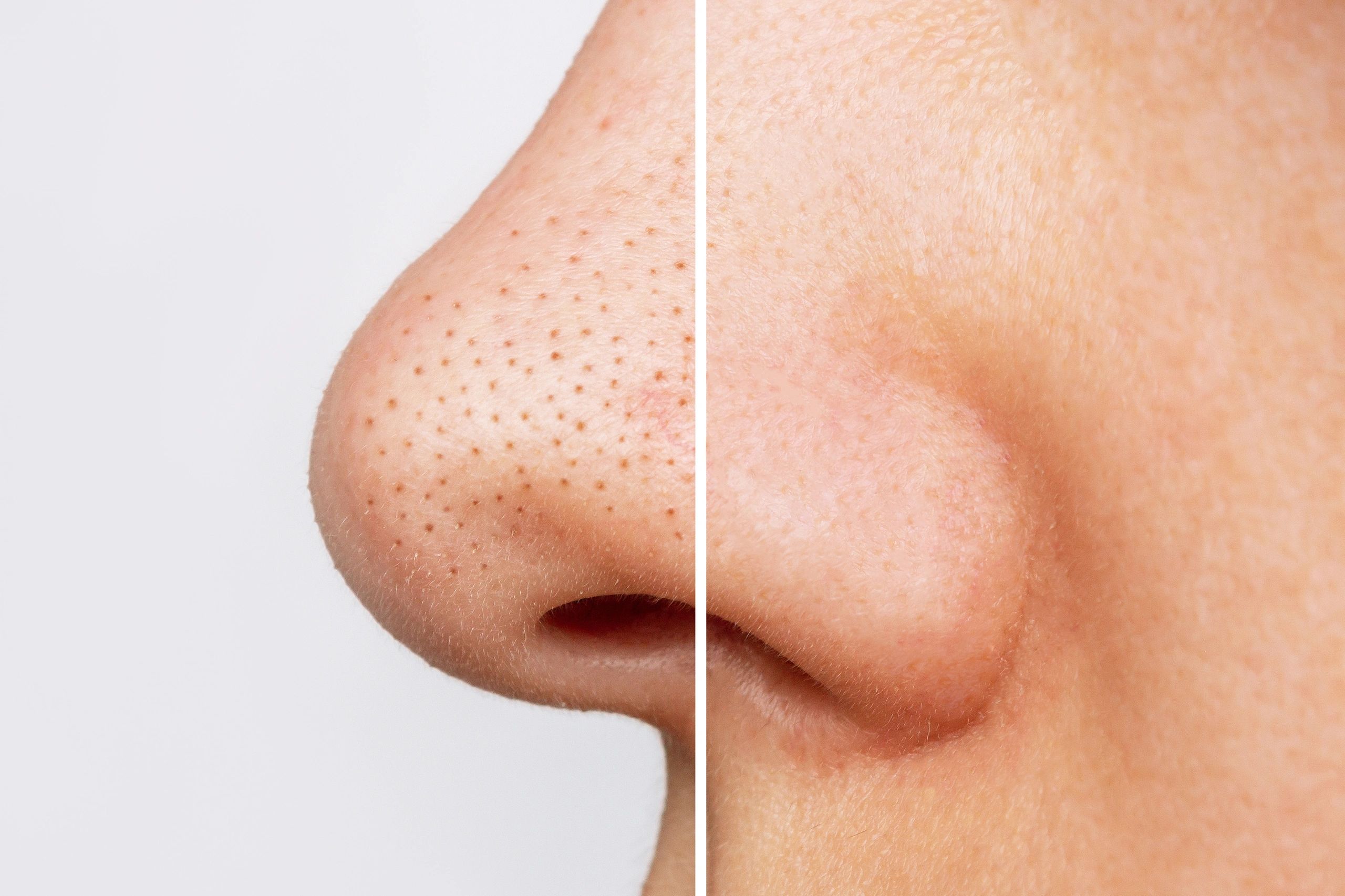
Effective blackhead removal requires a scientific approach combining chemical exfoliation, proper extraction techniques, and preventative skincare habits to clear clogged pores without damaging the skin barrier. Blackheads, or open comedones, form when hair follicles become blocked with sebum and dead skin cells, oxidizing upon exposure to air to turn a dark color.
Contents
Understanding the underlying physiology of open comedones and the structural integrity of the skin is essential before attempting any extraction protocol. Professional dermatological standards emphasize gentle, consistent chemical management over aggressive mechanical manipulation. This guide explores the mechanisms of pore congestion, reviews evidence-based removal methods, evaluates clinical versus at-home treatments, and outlines a structured routine for long-term clarity in 2026.
Physiological Causes of Pore Congestion and Blackhead Formation
The formation of a blackhead begins deep within the pilosebaceous unit, which consists of a hair follicle and its associated sebaceous gland. Under the influence of androgens, these glands produce sebum, an oily substance designed to lubricate and protect the skin. When cellular turnover within the follicle is irregular—a process known as retention hyperkeratosis—shed dead skin cells (corneocytes) do not slough off efficiently. Instead, they mix with sticky sebum, forming a plug inside the pore.
Unlike whiteheads (closed comedones), which remain sealed beneath the skin surface, blackheads remain open to the air. The dark coloration is not dirt, as is commonly misunderstood, but rather the result of enzymatic oxidation of melanin and lipids within the plug when exposed to oxygen.
- Sebum Overproduction: Excess lipid production driven by hormonal fluctuations or genetic predisposition creates the raw material for clogs.
- Abnormal Keratinization: Sticky skin cells accumulate inside the pore lining rather than shedding cleanly to the surface.
- Environmental Factors: Heavy cosmetics, occlusive sunscreens, and urban particulate pollution can mix with surface oils to accelerate pore impaction.
- Microbiome Shifts: An overgrowth of the bacterium Cutibacterium acnes can contribute to inflammation within the localized follicular environment.
Topical Chemical Treatments for Non-Invasive Clearance
Before considering physical extraction, topical keratolytic agents and chemical exfoliants should be utilized to dissolve the bonds holding dead skin cells together. These molecules penetrate the pore lining to clear out existing blockages and regulate cellular turnover.
Alpha and Beta Hydroxy Acids
Beta-hydroxy acid (BHA), specifically salicylic acid, is the gold standard for blackhead management. Because salicylic acid is lipophilic (oil-loving), it easily penetrates lipid-rich sebum to dissolve plugs deep inside the pore. Alpha-hydroxy acids (AHAs), such as glycolic and lactic acid, work on the surface of the skin to sweep away dead cells, improving overall texture and enhancing the penetration of BHAs.
- Salicylic Acid (0.5% to 2%): Clears inside the pore, reduces inflammation, and regulates sebum output.
- Glycolic Acid (5% to 10%): Exfoliates the stratum corneum and stimulates collagen production.
- Lactic Acid: Provides gentler surface exfoliation suitable for sensitive or dry skin types.
Retinoids and Vitamin A Derivatives
Retinoids, including over-the-counter retinol and prescription tretinoin or adapalene, normalize the lifecycle of follicular skin cells. By speeding up cellular turnover, retinoids prevent dead cells from clumping together inside the pore. Consistent long-term use gradually shrinks the appearance of enlarged pores and keeps the follicular canal clear.
Professional Extraction Techniques Versus At-Home Risks
When topical treatments are insufficient, extraction becomes necessary. However, improper mechanical force can rupture the follicle wall, driving debris deeper into the dermis and causing inflammatory cystic lesions, hyperpigmentation, and scarring.
| Extraction Method | Safety Level | Efficacy | Risk Profile |
|---|---|---|---|
| Dermatologist / Esthetician Extraction | High | High | Minimal scarring risk when performed with sterile steel loop extractors and proper prep. |
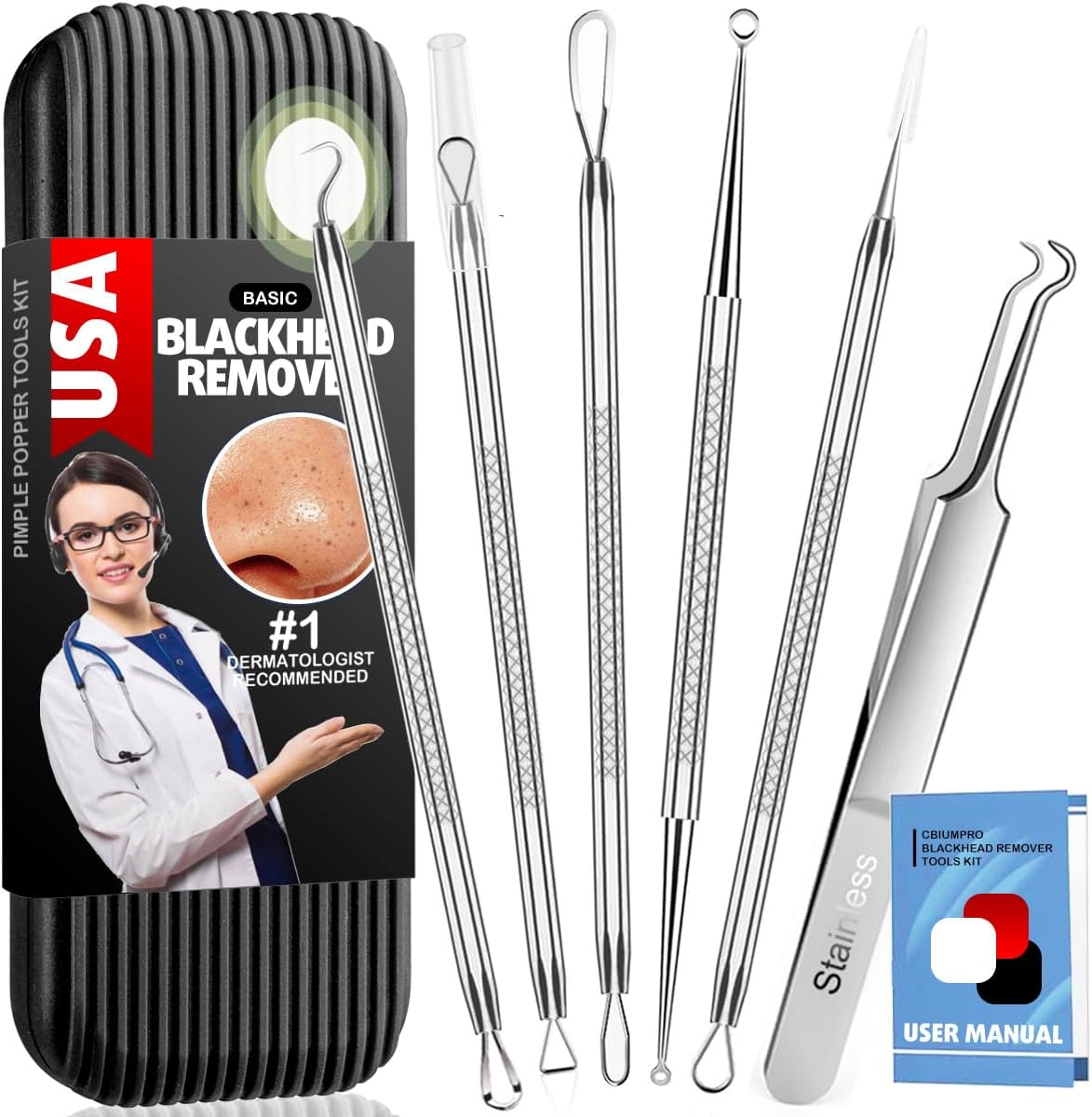
| At-Home Metal Extractor Tool | Moderate | Moderate | Moderate risk of bruising, broken capillaries, and tissue trauma if pressure is miscalculated. |
| Manual Finger Squeezing | Dangerous | Low | High risk of bacterial transfer, inflammation, scarring, and permanent skin indentation. |
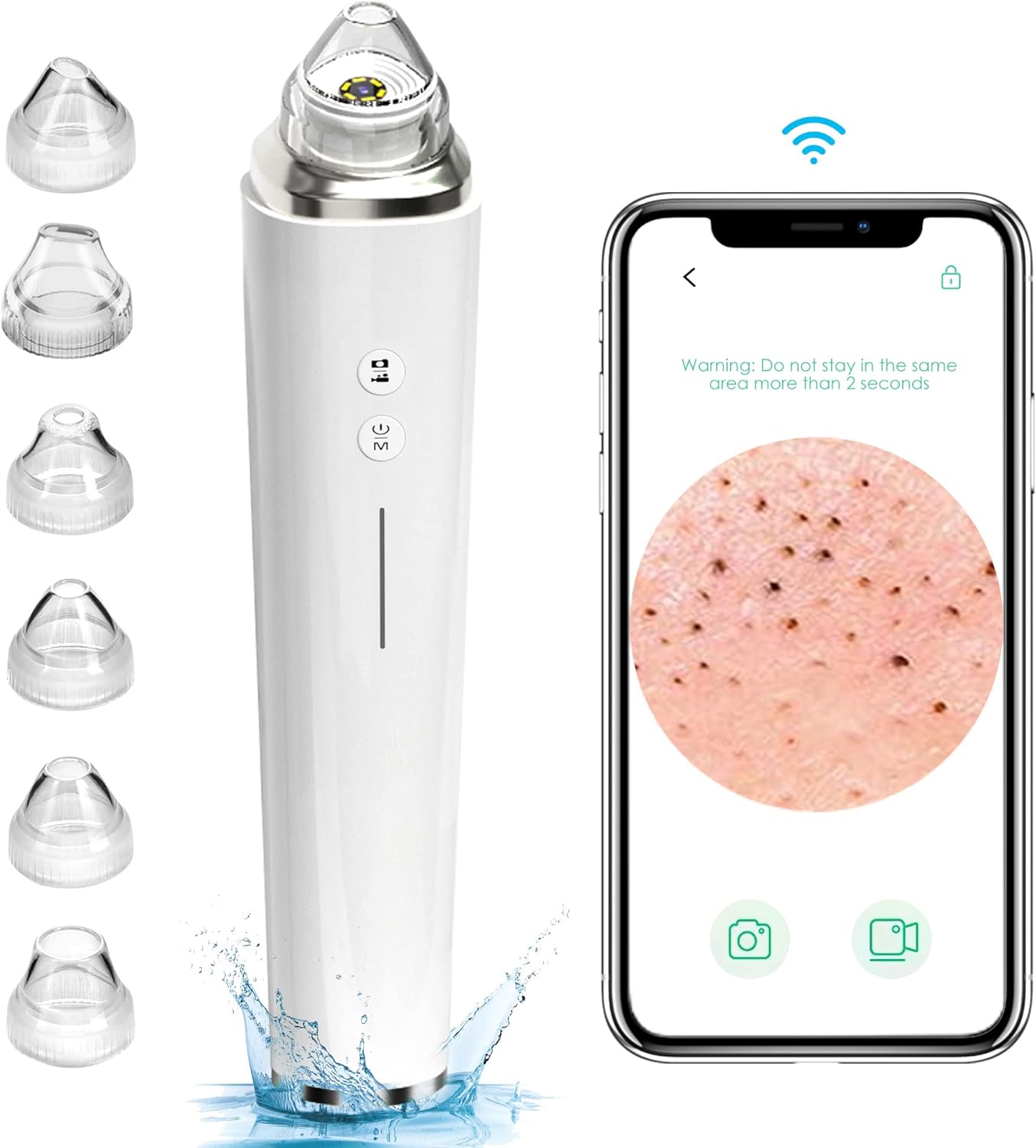
| Pore Vacuum Devices | Moderate | Low to Moderate | Risk of purpura (bruising), broken capillaries, and skin stretching if suction is too high. |
The Professional Protocol
In a clinical setting, extractions are performed following skin softening through steam or chemical keratolytics. A trained professional uses a sterilized metal comedone extractor or wrapped fingers with controlled, multidirectional pressure to gently ease the core out of the follicle. Post-extraction, high-frequency currents or antibacterial serums are often applied to sanitize the area and calm inflammation.
Step-by-Step At-Home Blackhead Management Guide
Managing blackheads at home safely requires discipline, patience, and adherence to a structured routine. Avoid aggressive scrubbing with jagged physical exfoliants, which tear the skin barrier and worsen inflammation.
- Cleanse with a Gentle Cleanser: Wash the face twice daily using a non-stripping, pH-balanced cleanser to remove surface sweat, makeup, and pollutants without disrupting the lipid barrier.
- Apply a Salicylic Acid Treatment: 3 to 4 times a week, apply a leave-on 2% salicylic acid toner or serum to target pore congestion. Allow it to absorb fully for 5 to 10 minutes before layering other products.
- Incorporate a Retinoid at Night: Introduce a retinoid (such as adapalene 0.1%) two nights a week, gradually increasing frequency as tolerated to regulate cellular shedding.
- Hydrate and Protect: Always finish with a non-comedogenic, oil-free moisturizer to support skin barrier recovery, followed by a broad-spectrum mineral sunscreen during daytime routines.
- Perform Safe Extractions Sparingly: If an extraction must be done, do so strictly after a warm shower. Use sanitized cotton swabs to apply gentle, lateral pressure around the blemish. Never force a plug that resists initial movement.
Comparing Blackhead Removal Modalities
Choosing the right approach depends on skin sensitivity, budget, severity, and time constraints. A comparative overview highlights the trade-offs between methods.
Topical Skincare Routine (Daily) ---> Chemical Exfoliation ---> Clinical Extractions (As Needed)
- Topical Regimens: Cost-effective, preventative, and maintainable long-term, but require weeks or months to yield visible clearing.
- Chemical Peels: Fast-acting surface renewal performed by professionals, but carry potential downtime and peel sensitivity.
- Laser and Light Therapies: Advanced dermatological procedures (such as carbon laser peels or blue light therapy) reduce sebum production and kill acne-causing bacteria, though they involve higher out-of-pocket costs.
Frequently Asked Questions About Blackhead Removal
Can blackheads be permanently cured or removed forever?
Blackheads cannot be permanently cured because sebum production and cellular turnover are ongoing biological processes. Consistent maintenance using retinoids and salicylic acid is required to prevent pores from becoming clogged again.
Are pore strips effective for blackhead removal?
Pore strips provide temporary cosmetic improvement by pulling out the oxidized tops of superficial plugs, but they leave the root of the clog intact. Furthermore, aggressive adhesive strips can strip the skin barrier and damage delicate capillaries around the nose.
Why do blackheads keep returning in the exact same spot?
Pores that frequently form blackheads often have stretched follicular walls or hyperactive sebaceous glands genetically programmed to produce thicker sebum. These vulnerable areas require continuous targeted topical management to stay clear.
Is physical extraction safe to do every day?
No. Daily physical manipulation causes chronic microtrauma, leading to thickened scar tissue, enlarged pores, broken capillaries, and persistent skin redness. Extractions should be rare and handled with extreme care.
What is the difference between sebaceous filaments and blackheads?
Sebaceous filaments are normal, tube-like structures that channel sebum to the skin surface to keep it hydrated, typically appearing light gray and uniform. Blackheads are actual blockages composed of hardened sebum and dead skin cells that have oxidized to a dark brown or black hue.
Professional Skincare Recommendations
Achieving and maintaining clear skin requires patience and a commitment to preserving the skin barrier. Avoid harsh physical abrasives, never force stubborn plugs, and prioritize daily chemical regulation over reactive squeezing. For persistent or severe comedonal acne, consult a board-certified dermatologist to establish a personalized, medical-grade treatment plan.
Image Gallery