Ashton Kutcher and Chris Sacca Net Worth Comparison: How Two Tech Investors Built Their Fortunes
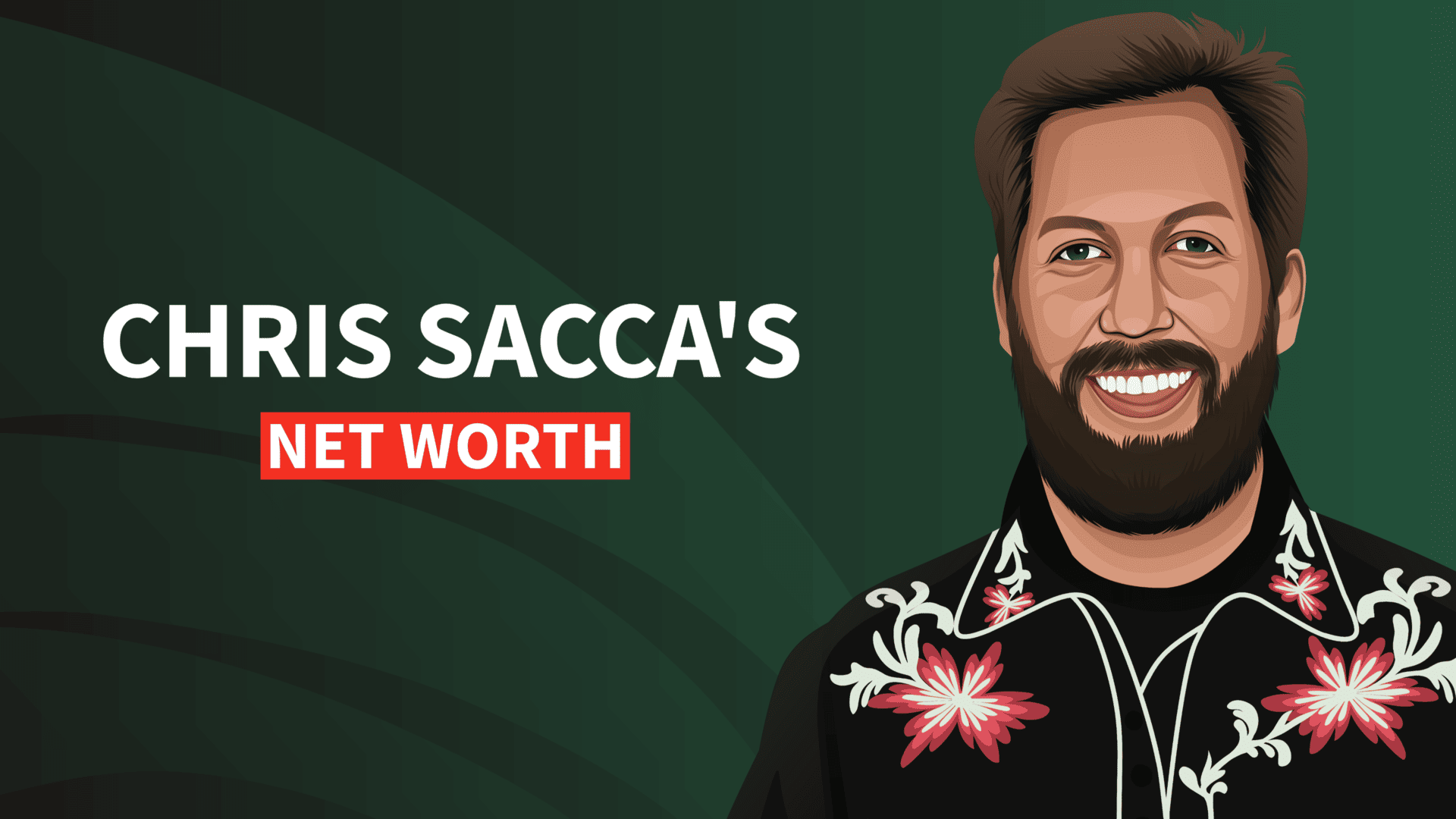
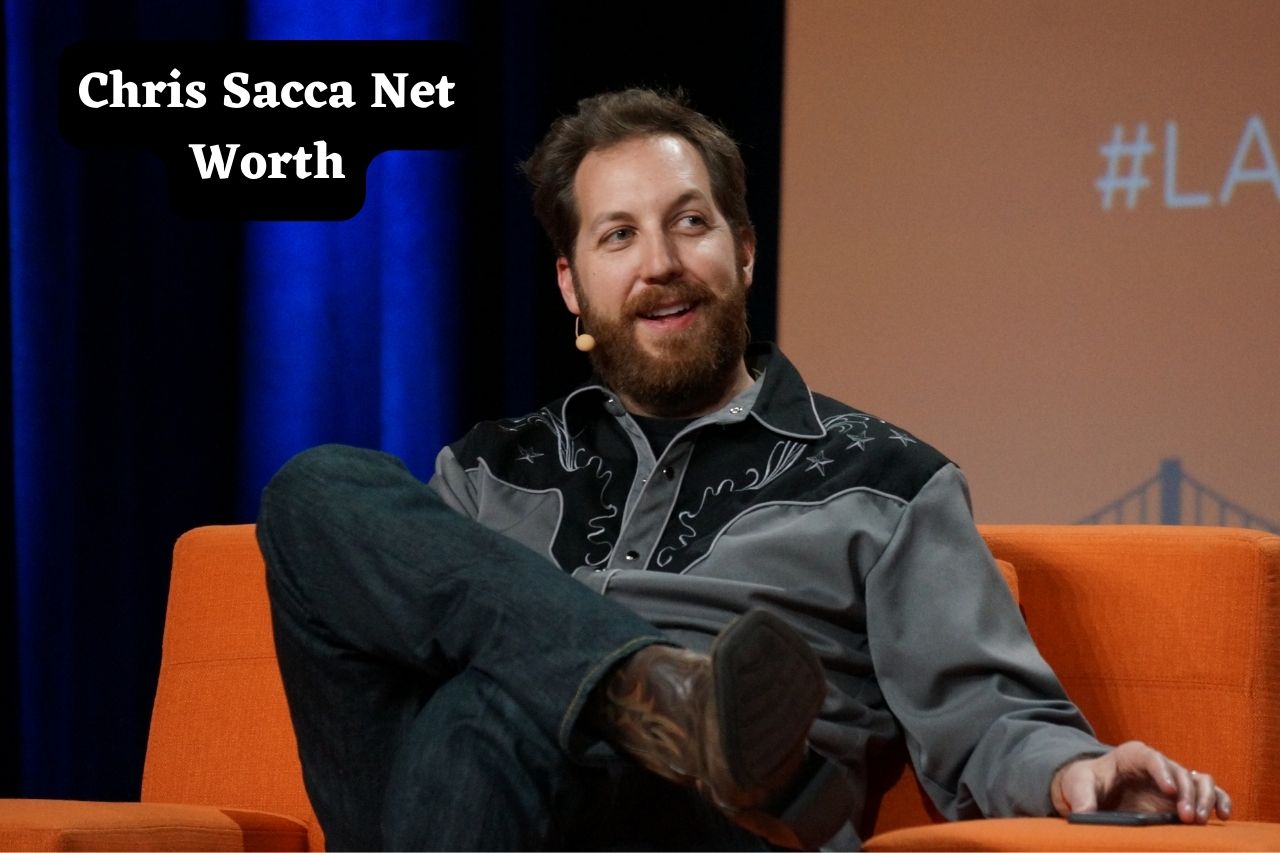
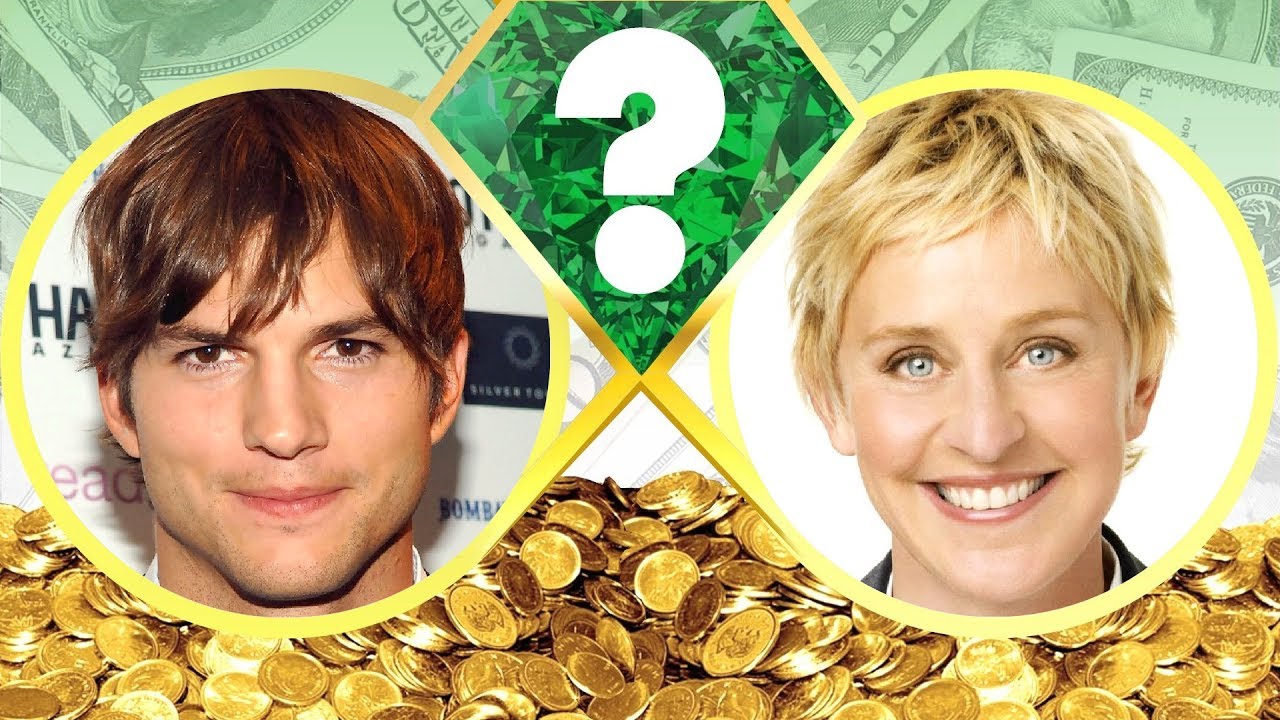
Chris Sacca holds an estimated net worth of approximately $1.2 billion, whereas Ashton Kutcher’s net worth is estimated between $200 million and $250 million. While Kutcher built his base fortune in entertainment before scaling it thro...
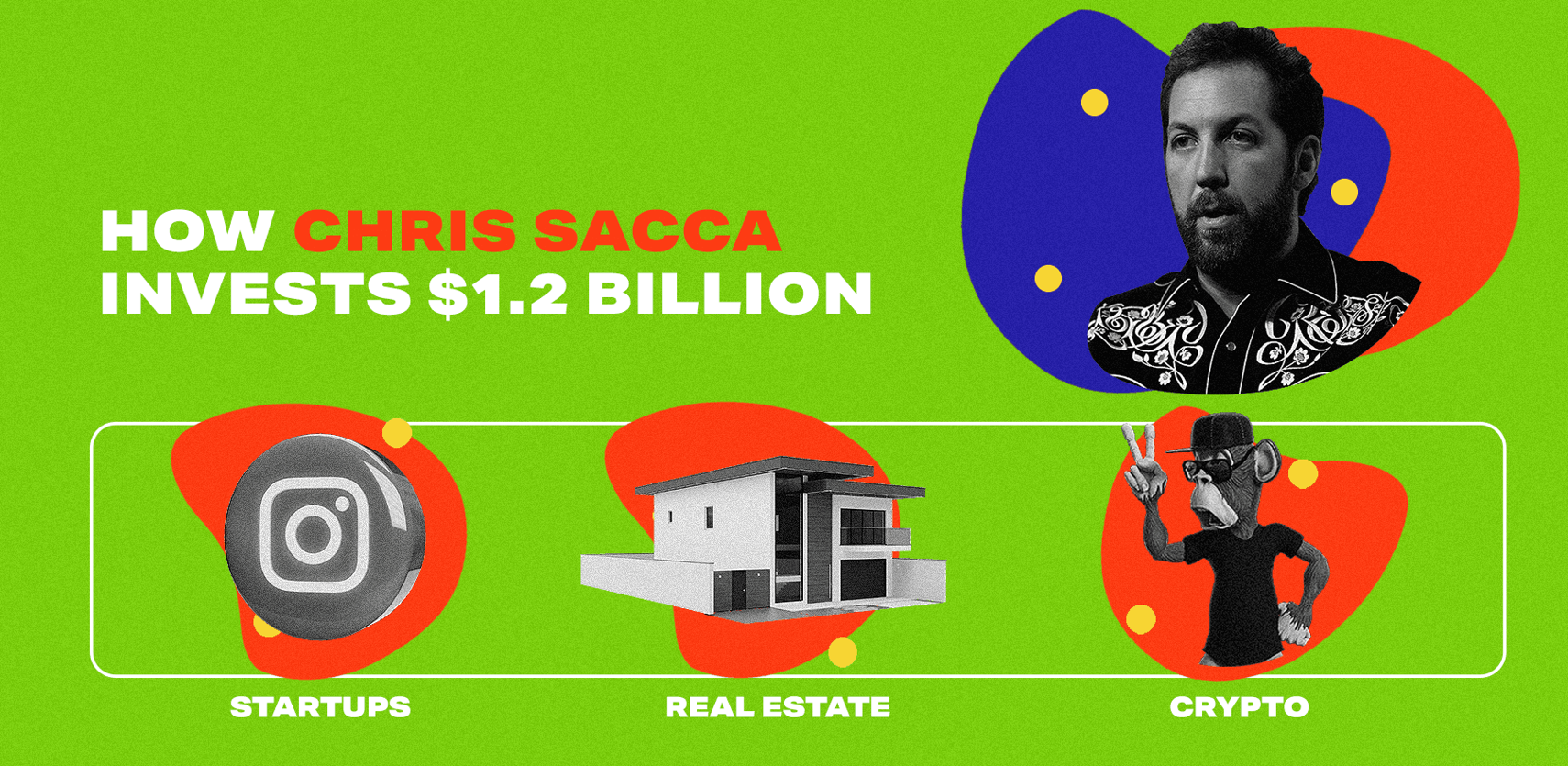
Chris Sacca holds an estimated net worth of approximately $1.2 billion, whereas Ashton Kutcher’s net worth is estimated between $200 million and $250 million. While Kutcher built his base fortune in entertainment before scaling it through tech investing, Sacca generated his billionaire status directly through early venture capital bets on companies like Twitter and Uber.
Contents
Net Worth Overview: Ashton Kutcher vs. Chris Sacca
Both Ashton Kutcher and Chris Sacca represent a unique era in Silicon Valley where non-traditional angel investors secured outsized returns during the mobile and Web 2.0 boom of the 2010s. However, their total net worths reflect fundamental differences in asset scale, fund management structure, and entry points into tech financing.
| Metric / Financial Detail | Ashton Kutcher | Chris Sacca |
|---|---|---|
| Estimated Net Worth | $200 Million – $250 Million | ~$1.2 Billion |
| Primary Sources of Wealth | Acting, TV Syndication, A-Grade Investments, Sound Ventures | Lowercase Capital, Early Google Equity, Lowercarbon Capital |
| Key Early Startup Bets | Uber, Airbnb, Spotify, Skype, Duolingo, Airtable | Twitter, Uber, Instagram, Twilio, Kickstarter, Stripe |
| Primary Investment Firms | A-Grade Investments, Sound Ventures | Lowercase Capital, Lowercarbon Capital |
| Media / TV Profile | That '70s Show, Two and a Half Men, Shark Tank Guest | Shark Tank Guest, Silicon Valley Speaker |
| Core Investment Strategy | Consumer tech focus, brand amplification, co-investing with tier-1 VCs | High-conviction seed bets, secondary market accumulation, deep operational involvement |
While net worth valuations for private investors fluctuate based on private venture valuations and market liquidity, public estimates consistently place Sacca in the billionaire tier and Kutcher in the high-hundred-millions tier.
Disclaimer: Private investment holdings, venture fund stakes, and non-public assets cannot be independently audited down to exact dollar amounts. Figures presented reflect industry estimates, SEC disclosures, and verified historical returns.
How Ashton Kutcher Built His Fortune: From Hollywood to Silicon Valley
Ashton Kutcher’s path to financial success began in television and film, but his long-term wealth compounding is the product of disciplined venture investing.
1. Television and Film Earnings
Kutcher first gained widespread recognition playing Michael Kelso on That '70s Show (1998–2006). Beyond baseline salary earnings, syndication rights from the show provided a long-term passive income stream. He expanded his earnings through feature films (Dude, Where's My Car?, The Butterfly Effect, What Happens in Vegas) and television production via his firm, Katalyst Media, which created MTV’s Punk’d.
His highest-earning acting period occurred between 2011 and 2015 when he replaced Charlie Sheen on CBS’s Two and a Half Men. Kutcher earned a reported $750,000 per episode, making him the highest-paid actor on American television at the time, generating over $20 million annually before investment allocations.
2. The Turn to Angel Investing and A-Grade Investments
Rather than retaining his television earnings in traditional asset classes like real estate or public equity index funds, Kutcher sought mentorship from prominent Silicon Valley figures, including billionaire Ron Burkle and venture capitalist Marc Andreessen.
In 2010, Kutcher co-founded A-Grade Investments alongside talent manager Guy Oseary and Ron Burkle. With an initial capital pool of approximately $30 million—much of it Kutcher's personal capital alongside contributions from Burkle—A-Grade targeted early-stage consumer tech startups.
A-Grade’s venture bets yielded remarkable returns:
- Uber: An early $500,000 investment made through lower-tier funding rounds grew to a position worth tens of millions upon liquidity events.
- Airbnb: Early participation in seed and Series A rounds yielded massive multiples as short-term rental adoption accelerated worldwide.
- Skype & Spotify: Strategic early-stage checks capitalized on the shift toward digital audio streaming and VoIP communications.
By 2016, reports indicated that A-Grade had turned its initial $30 million fund into more than $250 million, establishing Kutcher as one of Hollywood's most successful tech investors.
3. Sound Ventures and Institutional Scale
Building on A-Grade's track record, Kutcher and Oseary launched Sound Ventures in 2015. Transitioning from an informal syndicate model to a formal institutional venture firm, Sound Ventures raised external capital from institutional limited partners (LPs).
Sound Ventures expanded its focus into enterprise software, fintech, and emerging technology:
- Fund Growth: Sound Ventures manages hundreds of millions in assets under management (AUM) across multiple fund vehicles.
- AI Fund Initiatives: In 2023, Sound Ventures launched a dedicated $240 million Artificial Intelligence fund targeting early-stage foundational AI companies, securing stakes in high-profile platforms like OpenAI, Anthropic, and Stability AI.
How Chris Sacca Built His Fortune: High-Conviction Venture Capital
Chris Sacca achieved billionaire status almost entirely through early-stage venture capital, leveraging strategic timing, aggressive equity accumulation, and operational background at Google.
1. Early Career and Google
After earning his Juris Doctor from Georgetown University Law Center, Sacca worked as a corporate lawyer before transitioning into Silicon Valley tech. In 2003, he joined Google as Head of Special Projects. During his tenure, he worked on data center acquisition, wireless network initiatives, and spectrum auctions.
His time at Google provided two critical advantages: equity in a rapidly appreciating public tech giant and an insider network of engineers, executives, and founders who would later launch the next generation of web platforms.
2. Lowercase Capital and the "Seed Fund" Revolution
Sacca left Google in 2007 to start investing independently, eventually formalizing his efforts under Lowercase Capital. Operating out of Truckee, California, Sacca raised relatively small funds by modern venture standards, but his investment multiple metrics became historic.
Sacca’s investment philosophy differed from traditional Sand Hill Road firms. Rather than spreading small checks across hundreds of startups, Sacca focused on high-conviction bets where he could personally influence company strategy, hire key talent, and negotiate favorable equity terms.
Key investments that drove Sacca’s net worth past the billion-dollar mark include:
- Twitter: Sacca was an early advisor and investor in Twitter (then Odeo/Twitter). Crucially, beyond his initial angel investment, Sacca created dedicated single-purpose vehicles (SPVs) to buy up early employee and investor shares on secondary markets before Twitter’s 2013 IPO. At the time of Twitter's public listing, Lowercase Capital held stakes valued in the billions, generating historic returns for his funds.
- Uber: Sacca was one of Uber's earliest investors, participating in its seed round alongside Travis Kalanick. Sacca’s relentless push to acquire equity in Uber yielded one of the highest individual venture fund returns in financial history.
- Instagram: Sacca invested early in Kevin Systrom and Mike Krieger’s photo-sharing application, realizing a rapid return when Facebook acquired Instagram for $1 billion in 2012.
- Twilio & Stripe: Early positions in core developer infrastructure platforms expanded his portfolio's performance well beyond consumer applications.
According to Forbes, Lowercase Capital’s main fund achieved an internal rate of return (IRR) that ranks among the highest in venture capital history, turning Sacca into a mainstay on the annual Forbes Midas List.
3. Retirement and Lowercarbon Capital
In 2017, Sacca publicly announced his retirement from active early-stage startup investing, stating he would no longer manage external money for traditional tech funds. However, he later returned to investing alongside his wife, Crystal Sacca, to launch Lowercarbon Capital.
Lowercarbon Capital focuses exclusively on climate technologies, carbon removal, clean energy, and sustainable agriculture, managing over $1 billion in capital aimed at funding solutions to global climate change.
Portfolio Overlap and Strategic Differences
Although Ashton Kutcher and Chris Sacca often competed for early equity in top Silicon Valley startups, their investment mechanics and personal involvement strategies were distinct.
- EARLY TECH BOOM
- ASHTON KUTCHER (A-Grade / Sound Vent.)
- Brand Amplification
- Consumer Product Focus
- Hollywood Marketing Access
- CHRIS SACCA (Lowercase Capital)
- Secondary Share Sweeps
- Direct Product Engineering
- High-Density Board Guidance
- SHARED WIN: UBER SEED
- ASHTON KUTCHER (A-Grade / Sound Vent.)
1. Tactical Execution: Brand Power vs. Structural Ownership
Kutcher’s key value proposition to startup founders centered on reach and marketing amplification. When Kutcher invested in companies like Airbnb or Duolingo, he utilized his massive public platform, television appearances, and pop-culture influence to drive consumer adoption. Founders granted Kutcher allocation in competitive funding rounds because his presence offered marketing value that traditional VC checks could not provide.
In contrast, Sacca’s value proposition was tactical, aggressive operational integration. Sacca frequently attended internal product sprints, assisted founders with corporate governance, and aggressively bought out early employees who wanted liquidity prior to IPOs. His accumulation of secondary stock in companies like Twitter allowed him to control a far larger portion of cap tables than standard seed investors.
2. The Uber Connection
Both investors secured life-changing positions in Uber, but their entries reflected their distinct models:
- Sacca invested at the absolute initial stages, helping refine the product's early rollout and negotiating equity positions across multiple capital rounds.
- Kutcher entered shortly thereafter, utilizing A-Grade’s capital pool to back Travis Kalanick while promoting the ride-hailing concept across broadcast media and digital networks.
Venture Performance & Current Financial Positioning
Comparing the ultimate net worth of both investors requires analyzing their underlying asset liquidity and fund ownership structures.
Chris Sacca's Billionaire Scale
Sacca’s wealth is concentrated in highly liquid assets, distributions from closed venture funds, and real estate holdings. Because Lowercase Capital’s early funds generated cash distributions following the public listings of Twitter, Twilio, and Uber, Sacca realized tangible capital gains rather than paper wealth. His personal carried interest (the percentage of fund profits retained by the fund manager) on multi-billion-dollar exits directly vaulted his personal network above $1 billion.
Ashton Kutcher's Compound Wealth Model
Kutcher’s wealth is split across entertainment earnings, real estate portfolios, direct private equity holdings, and carried interest in Sound Ventures. While Kutcher holds valuable equity across tech scale-ups and AI firms, much of his venture net worth is tied to fund performance alongside limited partners. His personal fortune of $200M–$250M represents an exceptional capital conversion rate from television salary into high-growth investment assets.
Frequently Asked Questions
Did Ashton Kutcher and Chris Sacca invest in the same fund?
No. Ashton Kutcher co-founded A-Grade Investments and Sound Ventures, while Chris Sacca managed Lowercase Capital and Lowercarbon Capital. While they frequently co-invested in the same early-stage startups (such as Uber), they operated separate investment management companies.
Who made more money from the early Uber investment?
Chris Sacca realized higher absolute returns from Uber. Because Sacca’s fund, Lowercase Capital, secured large initial allocations in Uber's early rounds and maintained aggressive ownership percentages throughout follow-on rounds, his fund's total financial return from Uber exceeded Kutcher's, though both achieved exceptional return multiples.
Are Ashton Kutcher and Chris Sacca still actively investing?
Yes, but in different sectors. Ashton Kutcher remains actively involved with Sound Ventures, which recently launched major fund initiatives focused on generative AI. Chris Sacca retired from traditional consumer tech venture capital in 2017 but remains active in climate tech investing through Lowercarbon Capital.
Did both Ashton Kutcher and Chris Sacca appear on Shark Tank?
Yes. Both Kutcher and Sacca served as guest "Sharks" on ABC’s reality television show Shark Tank. Sacca appeared as a guest investor in Seasons 7, 8, and 9, while Kutcher appeared as a guest investor starting in Season 7.
Strategic Takeaway for Investors
The net worth comparison between Ashton Kutcher ($200M–$250M) and Chris Sacca ($1.2B) highlights two distinct strategies for long-term wealth creation:
- Ashton Kutcher’s Model: Utilizing income from a primary career (entertainment) to gain access to exclusive private asset classes, leveraging personal brand reach to secure access to competitive early-stage funding rounds.
- Chris Sacca’s Model: Concentrating capital into high-conviction seed investments, aggressively building equity positions through secondary markets, and driving company outcomes through direct operational involvement.
Both approaches confirm that outsized investment returns require getting into high-growth companies early, holding through periods of private market volatility, and offering value beyond simple capital allocations.
Image Gallery