Navigating Legal Recourse: The Role of an Oil Field Injury Lawyer
An oil field injury lawyer specializes in representing workers who have sustained life-altering injuries or fatalities during energy extraction operations. These legal professionals navigate complex liability frameworks involving third...
An oil field injury lawyer specializes in representing workers who have sustained life-altering injuries or fatalities during energy extraction operations. These legal professionals navigate complex liability frameworks involving third-party contractors, equipment manufacturers, and regulatory compliance under the Occupational Safety and Health Administration (OSHA), ensuring that victims secure compensation beyond standard workers' compensation benefits.
Contents
Understanding the High-Stakes Environment of Oil Field Litigation
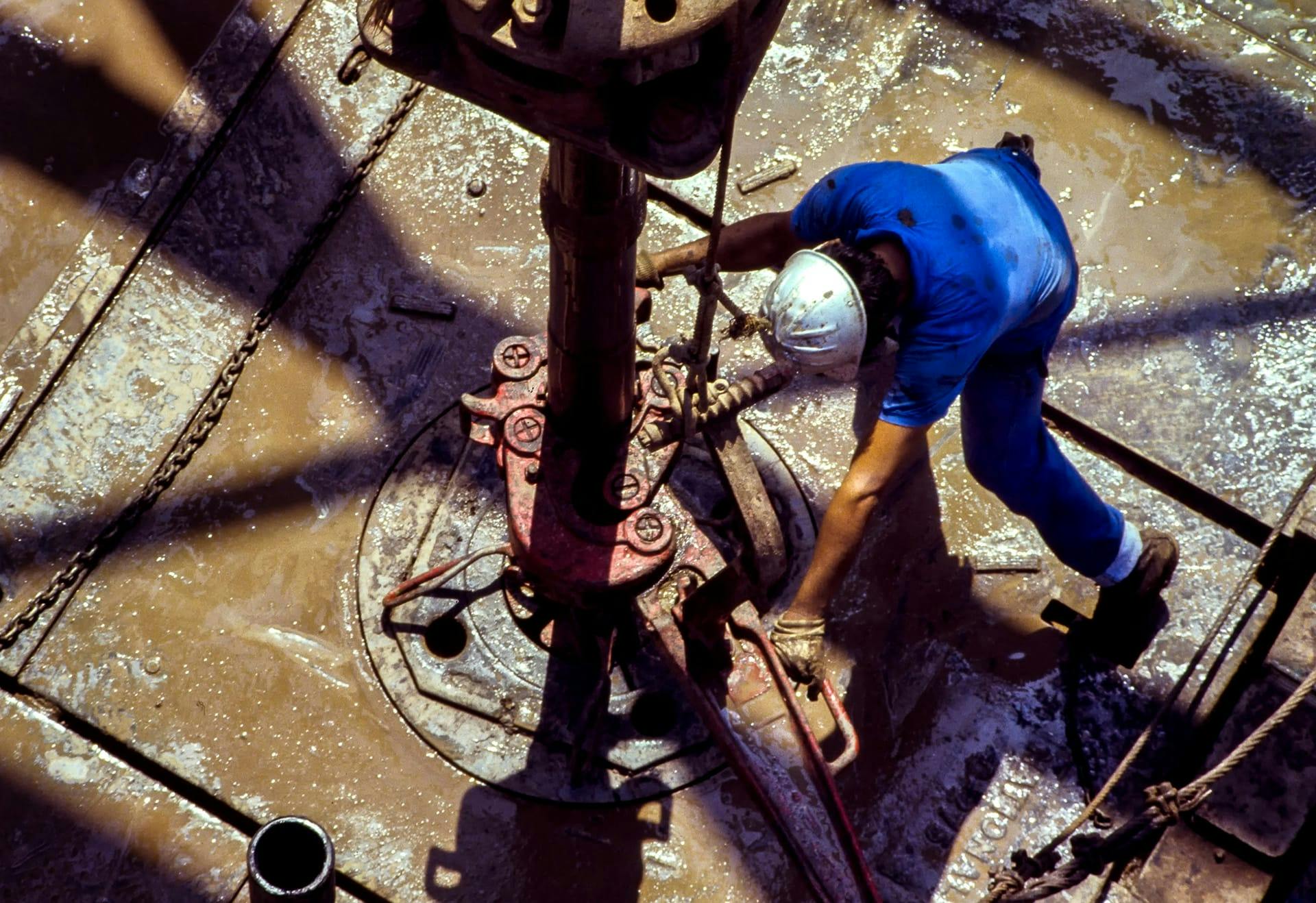
Oil field work remains one of the most hazardous occupations globally. When accidents occur—whether through blowouts, vehicle collisions on lease roads, heavy equipment failure, or chemical exposure—the legal ramifications are rarely straightforward. Unlike a typical workplace injury, an oil field accident often involves a web of multiple entities. A single drilling site might host employees from the primary operator, multiple subcontractors, and specialized service providers.
An oil field injury lawyer serves as the primary investigator for the victim. Because drilling sites are private industrial zones, gathering evidence requires immediate action before equipment is repaired, sites are cleared, or evidence is inadvertently destroyed. These lawyers focus on identifying negligence—whether it resides in faulty maintenance, inadequate safety training, or the failure of a third-party vendor to adhere to industry standards—to establish liability that transcends the "exclusive remedy" bar often found in state workers' compensation statutes.
Legal Distinctions: Workers' Compensation vs. Third-Party Liability
One of the most critical aspects of oil field injury law is the distinction between a workers' compensation claim and a third-party liability lawsuit. In many jurisdictions, workers' compensation is a "no-fault" system that provides limited benefits for medical expenses and lost wages but prohibits employees from suing their direct employer for negligence.
However, oil fields are uniquely complex environments. When a worker is injured due to the actions of a party other than their direct employer—such as the owner of the drilling site, a manufacturer of a defective blowout preventer, or a negligent trucking company—the injured worker may pursue a third-party liability claim. These lawsuits are distinct from workers' compensation because they allow for the recovery of full damages, including pain and suffering, loss of enjoyment of life, and punitive damages. An experienced lawyer will meticulously analyze the contracts between companies on-site to determine if a third party created the hazard that led to the injury.
Common Types of Oil Field Accidents
Oil field injuries often result from high-pressure environments where safety protocols are sometimes neglected in favor of production speed. Legal counsel in this niche is typically sought for the following types of incidents:
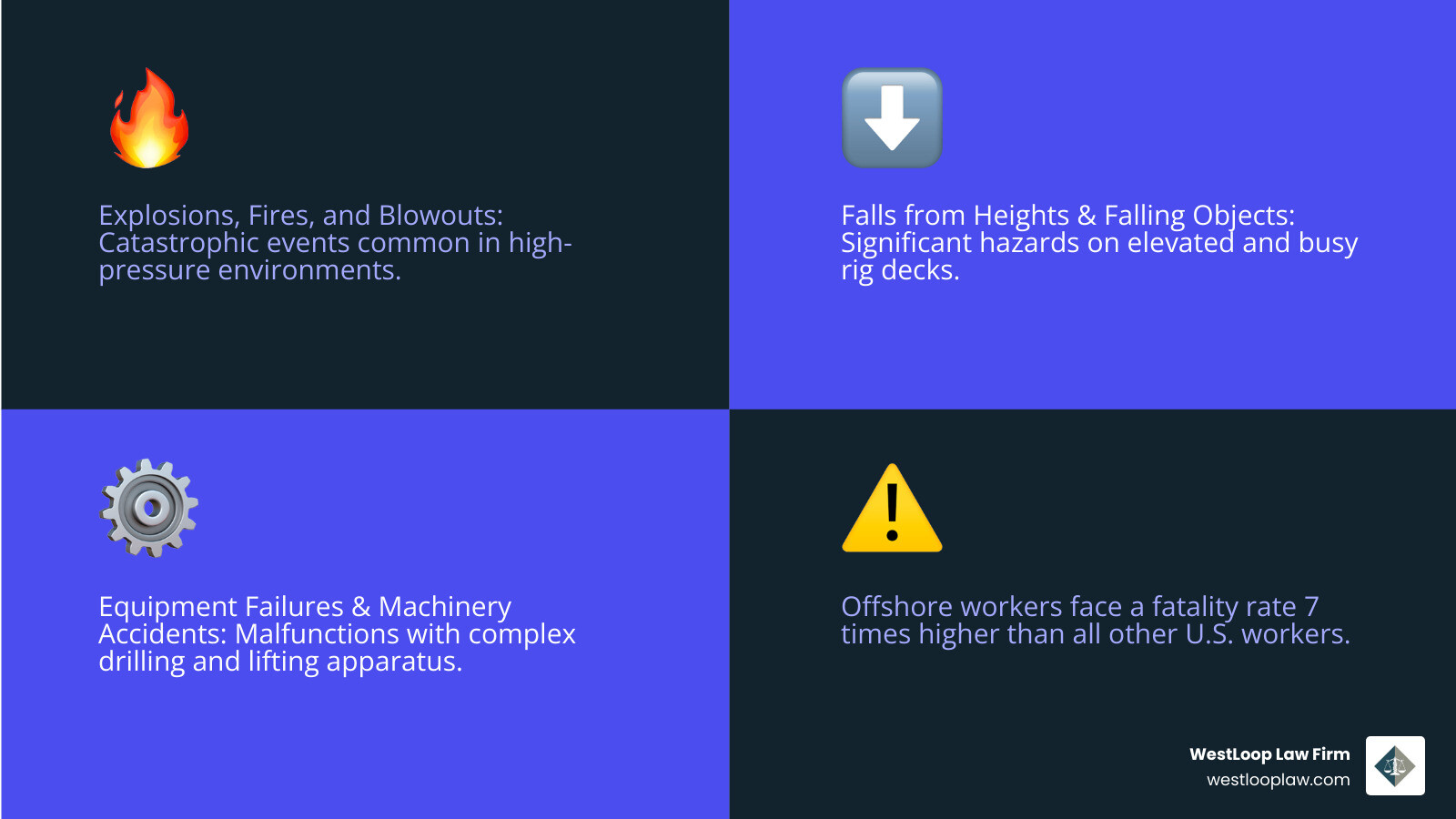
- Blowouts and Explosions: Often caused by the failure of pressure control equipment. These cases frequently involve multi-defendant litigation against manufacturers and operators.
- Heavy Machinery Failures: Entanglements in pulleys, drill pipes, or conveyor systems often stem from lack of proper guarding or maintenance.
- Transportation Incidents: Accidents involving heavy trucks on lease roads, which are often poorly maintained and lack standard traffic controls.
- Chemical Exposure: Injuries related to toxic substance inhalation or skin contact, often resulting from improper storage or labeling of drilling mud and fracking chemicals.
- Falls from Heights: Working on derrick platforms or elevated rigs necessitates rigorous fall protection systems; failure to provide these is a frequent basis for litigation.
Comparative Factors in Selecting Legal Representation
When evaluating potential legal counsel, workers and their families should consider several factors specific to the complexities of the energy sector.
| Feature | General Personal Injury Lawyer | Specialized Oil Field Injury Lawyer |
|---|---|---|
| Industry Knowledge | Broad, general knowledge of tort law. | Deep familiarity with API/OSHA standards. |
| Discovery Scope | Limited to standard incident reports. | Ability to subpoena engineering/contract logs. |
| Expert Access | General medical experts. | Petroleum engineers, accident reconstructionists. |
| Liability Strategy | Focuses on single-party negligence. | Analyzes complex multi-employer site contracts. |
| Financial Resources | Limited budget for expert testimony. | Significant funding for complex technical litigation. |
The Investigation and Litigation Process
Securing a favorable outcome begins with the preservation of the scene. Once a lawyer is retained, the first priority is often the issuance of a "spoliation letter." This legal document notifies the oil field operator and any involved contractors that they are legally obligated to preserve all evidence, including maintenance logs, training records, radio logs, and the specific equipment involved in the accident.
Following the evidence-gathering phase, the litigation moves into the discovery process. During this time, the attorney will depose site managers, safety officers, and corporate executives. The primary goal is to determine if the company prioritized profit margins over the safety of the crew. By leveraging internal corporate communications and past safety records, a skilled lawyer can often establish a pattern of negligence that is essential for proving liability in a court of law.
Financial Considerations and Legal Fees
Most oil field injury lawyers operate on a contingency fee basis. This means the client does not pay upfront legal fees. Instead, the lawyer’s payment is a percentage of the final settlement or court judgment. If the lawyer fails to recover compensation, the client typically does not owe legal fees.
It is important to discuss the "costs of litigation" during the initial consultation. These include the expenses for hiring expert witnesses, such as petroleum engineers or safety specialists, and the costs associated with depositions and court filings. Understanding whether these costs are deducted before or after the contingency fee is calculated is a vital part of the fee agreement and should be reviewed thoroughly before signing any representation contract.
Frequently Asked Questions
1. Can I sue my employer if I am injured in an oil field? Generally, state laws restrict your ability to sue your direct employer if you are covered by workers' compensation. However, you may be able to file a third-party claim against a contractor, site owner, or equipment manufacturer if their negligence caused your injury.
2. How long do I have to file a claim? Every state has a "statute of limitations," which is a strict deadline for filing a lawsuit. In many jurisdictions, this can be as short as two years from the date of the incident. Missing this deadline can permanently bar your right to compensation.
3. What if I was partially at fault for the accident? Many states follow "comparative negligence" rules. This means you may still recover damages even if you were partially responsible for the accident, provided your share of the fault does not exceed a certain threshold, such as 50% or 51%.
4. Why is a specific oil field lawyer necessary? Oil field litigation involves complex regulatory standards (OSHA, API) and specialized equipment. A lawyer who does not understand the technical nuances of drilling, fracking, or midstream operations will struggle to cross-examine expert witnesses or identify critical safety violations.
5. What is the value of my case? There is no "standard" value. Compensation is determined by the severity of the injury, the impact on your future earning capacity, the cost of ongoing medical care, and the degree of negligence demonstrated by the defendants.
Moving Forward After an Incident
If you or a loved one have been injured in an oil field accident, the immediate priority is medical care and the subsequent gathering of documentation. Contacting an attorney early allows them to protect evidence before it is altered or destroyed. When choosing representation, prioritize firms with a verifiable track record in industrial and energy-sector litigation. Review their history of handling complex liability cases and ensure you have a clear understanding of their fee structure before moving forward.
Image Gallery