How Much Does a 2013 Nissan Sentra Transmission Replacement Cost?
Replacing a 2013 Nissan Sentra transmission typically costs between $3,500 and $5,500 total, including parts and labor. The price varies depending on whether you choose a new Original Equipment Manufacturer (OEM) unit, a remanufactured...
Replacing a 2013 Nissan Sentra transmission typically costs between $3,500 and $5,500 total, including parts and labor. The price varies depending on whether you choose a new Original Equipment Manufacturer (OEM) unit, a remanufactured transmission, or a used unit from a salvage yard. Labor fees generally account for $800 to $1,500 of the total invoice.
Contents
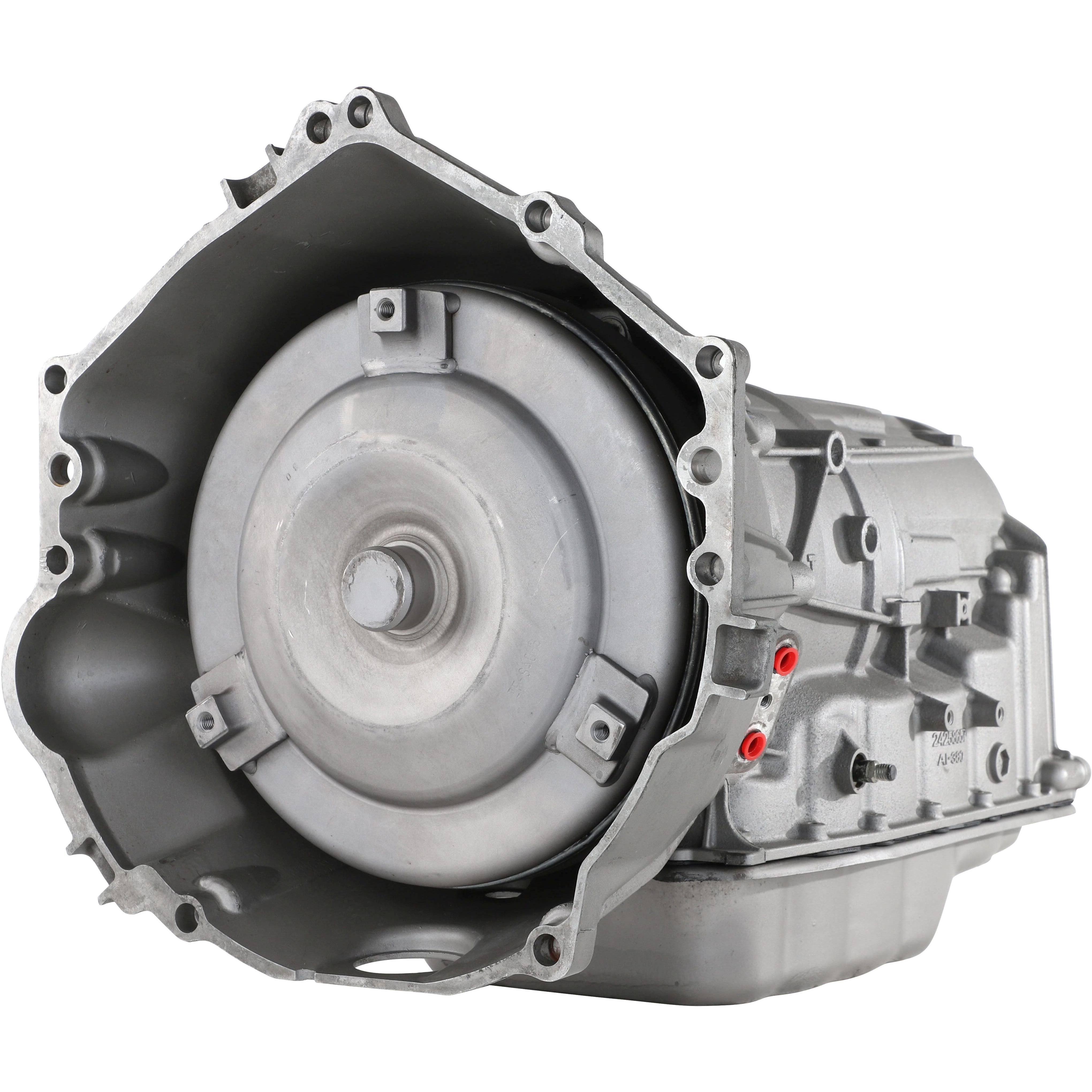
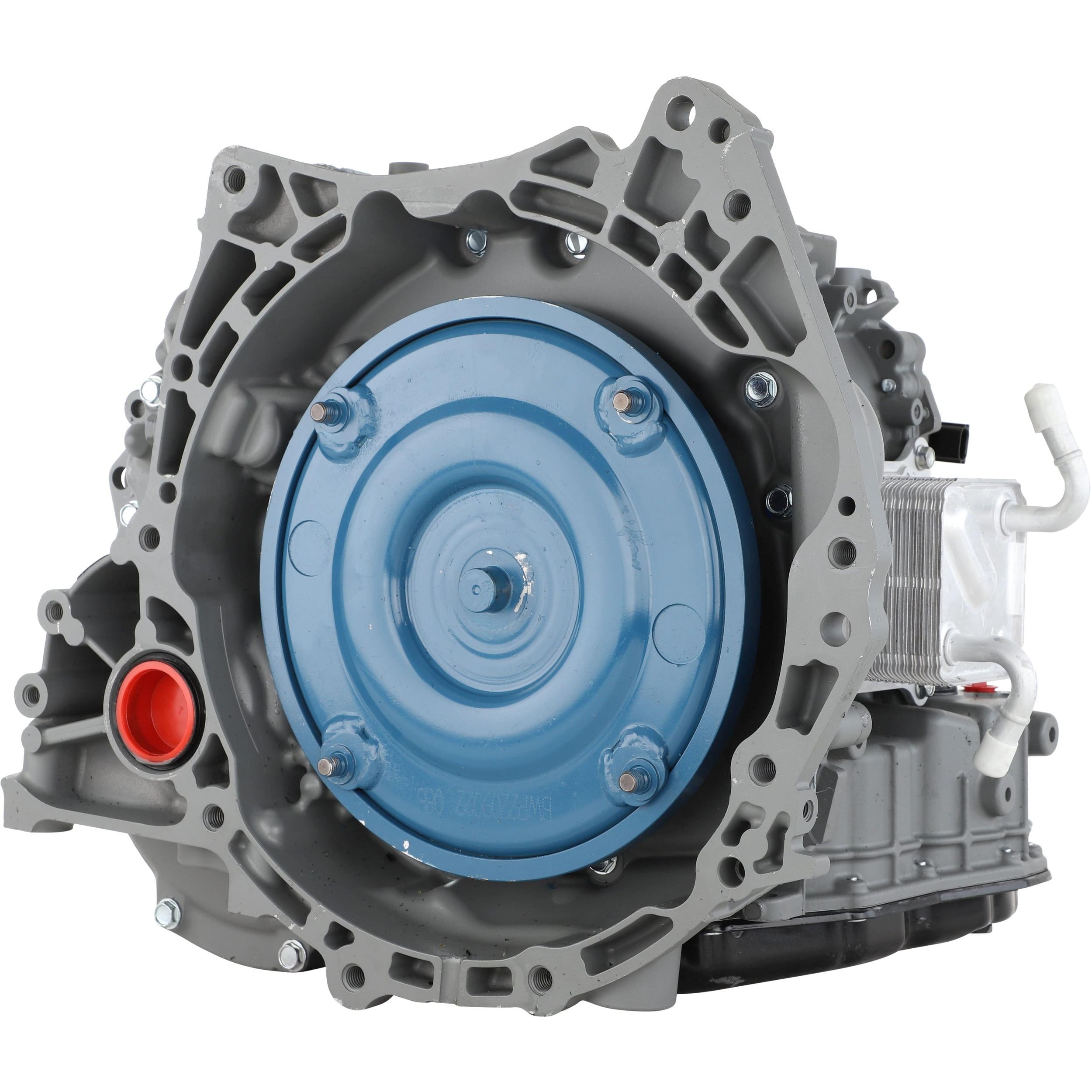
The 2013 Nissan Sentra relies on an Xtronic Continuously Variable Transmission (CVT)—specifically the Jatco JF015E model (also designated as RE0F11A). This transmission design differs significantly from a traditional automatic gearbox, utilizing a steel belt and variable pulleys rather than fixed planetary gears. Because of the technical complexity and high failure rate associated with early Jatco CVT units, replacing the assembly requires specialized diagnostic tools, exact fluid specifications, and Transmission Control Module (TCM) recalibration.
Breakdown of 2013 Nissan Sentra Transmission Costs
The total expense to fix a 2013 Nissan Sentra transmission depends primarily on the condition of the replacement part you choose and where you have the service performed. Independent repair facilities usually offer lower hourly labor rates than franchised dealerships, but part costs remain high across the board.
Total Replacement Cost = Part Price + Core Charge (Refining) + Labor Hours + Transmission Fluid + TCM Software Flash
1. Remanufactured Transmission ($3,200 – $4,800 Total)
A remanufactured CVT is usually the most cost-effective long-term solution. In a remanufactured unit, the casing is cleaned and inspected, while all internal wear components—such as the steel push belt, primary and secondary pulleys, step motor, torque converter, and valve body—are replaced with updated, heavy-duty parts.
- Part Cost: $2,200 – $3,200
- Labor Cost: $800 – $1,400
- Warranty: Typically 3 years / 100,000 miles (varies by supplier)
2. Brand-New OEM Transmission ($4,500 – $6,200 Total)
Purchasing a brand-new transmission directly from a Nissan dealership guarantees factory-fresh internal components. However, this option carries the highest price tag and may exceed the current market value of the vehicle.
- Part Cost: $3,200 – $4,500
- Labor Cost: $1,000 – $1,700 (Dealership shop rates)
- Warranty: Usually 12 months / 12,000 miles or 3 years / 36,000 miles
3. Used / Salvage Transmission ($2,200 – $3,500 Total)
Sourcing a used transmission from a vehicle recycling yard represents the lowest upfront cost. However, because early-generation Jatco CVTs suffer from inherent mechanical vulnerabilities, installing a used unit carries substantial risk. The replacement transmission may already have internal wear or thermal damage that could lead to premature failure.
- Part Cost: $1,000 – $1,800
- Labor Cost: $800 – $1,300
- Warranty: 30 to 90 days (parts-only, labor not covered)
2013 Nissan Sentra Transmission Replacement Cost Comparison
The table below outlines the primary options available when replacing the CVT in a 2013 Nissan Sentra, including part pricing, labor estimates, total expected costs, and typical warranty coverage.
| Option Type | Estimated Part Cost | Estimated Labor Cost | Average Total Cost | Typical Warranty | Risk & Value Profile |
|---|---|---|---|---|---|
| Remanufactured Unit | $2,200 – $3,200 | $800 – $1,400 | $3,200 – $4,800 | 3 Years / 100k Miles | Best balance of warranty protection, updated internal components, and long-term value. |
| New OEM (Dealership) | $3,200 – $4,500 | $1,000 – $1,700 | $4,500 – $6,200 | 1–3 Years | High cost; provides factory parts but often exceeds the vehicle's resale value. |
| Used / Salvage Unit | $1,000 – $1,800 | $800 – $1,300 | $2,200 – $3,500 | 30–90 Days (Parts Only) | Lowest upfront cost; high failure risk due to known design weaknesses in pre-owned CVTs. |
| Bench Rebuild (Local Shop) | $1,800 – $2,800 | $1,200 – $1,800 | $3,200 – $4,600 | 1 Year / 12k Miles | Quality depends strictly on local technician expertise; requires specialized CVT tooling. |
Additional Labor and Service Expenses
Replacing a CVT involves more than unbolting the old unit and securing the new one. Technicians must perform several supplementary procedures to ensure the new transmission functions correctly and operates within safe thermal limits.
Transmission Control Module (TCM) Programming
Modern CVTs rely heavily on software calibration. When a new or remanufactured transmission is installed, the vehicle’s TCM must be flashed or updated with the calibration data unique to the replacement valve body.
- Cost: $150 – $300
- Why It Matters: Failing to program the TCM correctly can cause immediate shifting errors, harsh engagement, or complete transmission failure.
Transmission Cooler Flush or Replacement
When an old transmission fails, metal shavings, friction material, and burnt fluid circulate through the external transmission cooler lines. If these contaminants are not thoroughly flushed out—or if the cooler is not replaced—they will flow directly into the new transmission and ruin internal bearings.
- Flushing Cost: $100 – $200
- Cooler Replacement Cost: $250 – $450
Genuine Nissan NS-3 CVT Fluid
CVTs require specialized high-viscosity fluid (Nissan NS-3 specification) designed to maintain high friction between the smooth steel pulleys and the drive belt while cooling hydraulic actuation circuits. Conventional automatic transmission fluid (ATF) will cause immediate belt slippage and total failure.
- Fluid Volume: 7 to 9 quarts
- Fluid Cost: $120 – $220 total ($15–$25 per quart)
Core Charge
Transmission suppliers charge an upfront deposit called a core charge (typically $300 to $700). This amount is refunded once your repair shop returns the old, damaged transmission casing to the rebuilder. Ensure your initial written quote accounts for whether the core charge is included upfront.
Technical Overview: Why Do 2013 Sentra Transmissions Fail?
The 2013 model year marked the introduction of the seventh-generation Nissan Sentra (B17 chassis). Nissan paired the 1.8-liter MRA8DE engine with the Jatco JF015E CVT. This transmission was engineered to reduce weight and improve fuel efficiency compared to traditional planetary-gear automatics, but it suffered from notable technical design weaknesses.
- JATCO JF015E CVT ARCHITECTURE
- Drive Pulley (Primary Sheave) connects via Hydraulic Pressure and Steel Flexible Push Belt to Driven Pulley (Secondary)
- Key Weaknesses:
- Excessive hydraulic pressure drop leading to Belt Slippage
- Debris build-up in step motor & valve body solenoids
- Overheating degrading fluid viscosity (NS-3 specification)
1. Steel Belt Slippage and Pulley Scoring
Instead of gear teeth, a CVT uses a segmented steel belt running between two opposing conical pulleys. Under heavy acceleration or high-heat conditions, the hydraulic pressure holding the pulleys against the belt can drop. When this happens, the belt slips against the polished metal sheaves, gouging deep grooves into the pulleys and generating fine metal debris.
2. Valve Body Solenoid Contamination
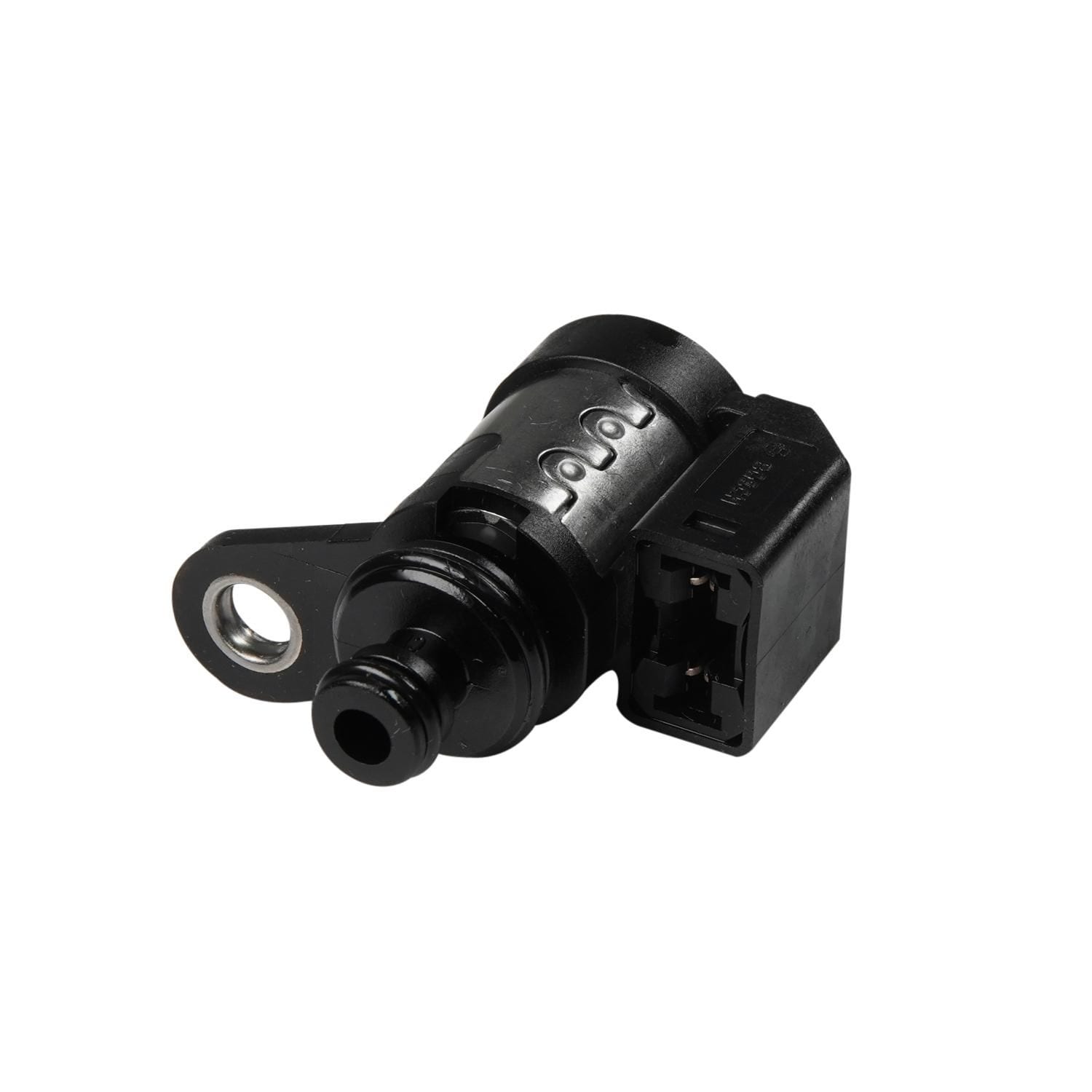
Metal particles created by belt slippage circulate through the hydraulic control system. This debris clogs the micro-screens and sticks the control solenoids inside the valve body. Once solenoids stick, the system can no longer manage hydraulic clamping pressure properly, compounding belt wear and causing severe hesitation or vibration (commonly referred to as "judder").
3. Excessive Operating Heat
The cooling capacity of the stock 2013 Sentra transmission fluid circuit was minimal under sustained highway driving or stop-and-go city traffic in warm climates. Overheating breaks down the protective additives in the NS-3 fluid, reducing its traction capabilities and causing the transmission to enter a protective emergency mode ("limp mode"), which severely limits engine output.
Historical Warranties and Class Action Context
Because transmission failures in 2013–2017 Nissan Sentra models were widespread, Nissan faced multiple class-action lawsuits.
- Factory Extension: Nissan originally extended the limited warranty on certain CVT-equipped vehicles from 5 years/60,000 miles to 10 years/120,000 miles for earlier model years, and later provided specific extensions (e.g., 7 years/84,000 miles) under various class-action settlements.
- Current Warranty Status: Because the 2013 model year is well past its original build date, virtually all 2013 Nissan Sentras are now out of both factory warranty and court-mandated settlement extensions. Owner repairs are now out-of-pocket unless covered by a third-party extended service contract.
Should You Replace the Transmission or Buy Another Car?
Before approving a $4,000+ repair bill on a 2013 Nissan Sentra, perform a clear financial valuation of the vehicle.
Current Vehicle Market Value - Estimated Repair Expense = Net Retained Value
Financial Checklist
- Vehicle Resale Value: Depending on mileage, trim level (S, SV, SR, SL), and cosmetic condition, a running 2013 Nissan Sentra typically carries a private-party resale value between $3,500 and $6,000.
- Value with a Blown Transmission: A vehicle with a failed transmission is generally valued at scrap or wholesale salvage price, usually $500 to $1,200.
- The 50% Rule: Automobile financial analysts generally advise against performing repairs that cost more than 50% to 70% of the vehicle’s functional market value. If a remanufactured transmission installation costs $4,200 and the vehicle is only worth $4,500 when fully operational, fixing the car may not be financially practical unless you intend to keep and drive it for several more years.
When Repairing Makes Sense
- The vehicle's chassis, suspension, engine, and interior are in excellent condition.
- You cannot easily secure affordable replacement transportation.
- The repair facility provides a transferrable 3-year/100,000-mile warranty on a remanufactured unit.
When Selling for Parts/Scrap Makes Sense
- The vehicle has high mileage (over 150,000 miles), rust, or major suspension/engine issues.
- The quote for a dealership OEM transmission exceeds the total private market value of the operational car.
- You prefer to allocate the $4,000 repair cost as a down payment toward a more reliable vehicle.
Symptoms of Pending CVT Failure in a 2013 Sentra
Recognizing early warning signs allows vehicle owners to address transmission issues before total mechanical shutdown leaves the car stranded.
- Vehicle Judder or Shuddering: A pronounced shaking or stuttering sensation during light acceleration between 20 mph and 45 mph.
- Delayed Engagement: A multi-second delay between moving the gear selector into Drive or Reverse and the vehicle actually moving.
- High RPM Whining: A loud, high-pitched whine from the engine bay that increases pitch with speed, indicating bearing wear or fluid starvation.
- Flashing Overdrive / Check Engine Light: Diagnostic Trouble Codes (DTCs) such as P0746 (Pressure Control Solenoid Performance), P17F0 (CVT Judder Inspection Needed), or P0841 (Fluid Pressure Sensor Performance).
- Limp Home Mode: Sudden loss of throttle response where the engine will not rev past 2,500 RPM and vehicle speed is capped at 30–45 mph.
Frequently Asked Questions
Can I install a traditional automatic transmission in a 2013 Nissan Sentra?
No. The engine computer (PCM), wiring harness, engine mounts, and driveshafts are specifically designed to communicate with the Jatco CVT interface. Converting the vehicle to a standard planetary-gear automatic is technically impractical and cost-prohibitive.
Is it safe to buy a used 2013 Sentra transmission from a junkyard?
It is high-risk. Early Jatco JF015E units had high factory defect and wear rates. Installing a used unit from a salvage vehicle might result in paying $1,000+ in labor only to have the replacement unit fail shortly after installation. If choosing a used option, ensure the salvage yard provides a warranty that covers both parts and labor replacement costs.
Why does a CVT transmission cost more to repair than a manual transmission?
CVTs require high-precision hydraulic control valve bodies, specialized non-compressible synthetic fluids, high-strength steel belts, and specialized software calibration. Unlike manual transmissions—which use simple gear sets and mechanical clutches—CVTs cannot easily be rebuilt at home without dedicated specialized bench equipment.
How often should CVT fluid be changed to prevent failure?
While original service schedules suggested long inspection intervals, transmission specialists recommend changing Nissan NS-3 CVT fluid and replacing both the pan filter and paper cartridge filter every 30,000 to 45,000 miles to remove circulating metallic particles and prevent thermal degradation.
Does the 2013 Sentra transmission replacement require special tools?
Yes. Aside from standard mechanical shop tools, replacing the transmission requires diagnostic software capable of writing the new calibration values (found on the CD/QR code included with new valve bodies) into the vehicle's TCM memory. Without this calibration step, the replacement transmission will operate with incorrect line pressures.
Recommended Next Steps
If your 2013 Nissan Sentra is showing signs of transmission wear or has stopped moving entirely, take the following steps to manage costs:
- Obtain Diagnostic Codes: Take the vehicle to a certified technician or auto parts store to scan for diagnostic trouble codes (DTCs). Verify whether the issue is internal mechanical failure or an external electrical sensor issue.
- Request Itemized Quotes: Request itemized estimates from at least three independent transmission specialty shops. Ensure the quotes separate part pricing, labor hours, fluid fees, TCM programming, and cooler flushing charges.
- Verify Warranty Coverage: Ask the repair shop for written confirmation of the warranty terms on the replacement part. Prioritize vendors offering nationwide coverage on parts and labor for at least 3 years or 36,000 miles.
- Compare Costs Against Vehicle Equity: Check current market valuation guides to calculate your vehicle's current condition value. Weigh the total repair estimate against your long-term personal transportation requirements before signing a work order.
Image Gallery