Selecting and Managing Residential Roof Contractors for Your Home
Hiring residential roof contractors requires a structured approach to ensure structural integrity, compliance with local building codes, and long-term protection of your property. Navigating this process involves verifying professional...
Hiring residential roof contractors requires a structured approach to ensure structural integrity, compliance with local building codes, and long-term protection of your property. Navigating this process involves verifying professional credentials, understanding material options, and securing transparent documentation to mitigate financial and physical risks associated with major home maintenance.
Contents
The Role and Responsibilities of Residential Roof Contractors
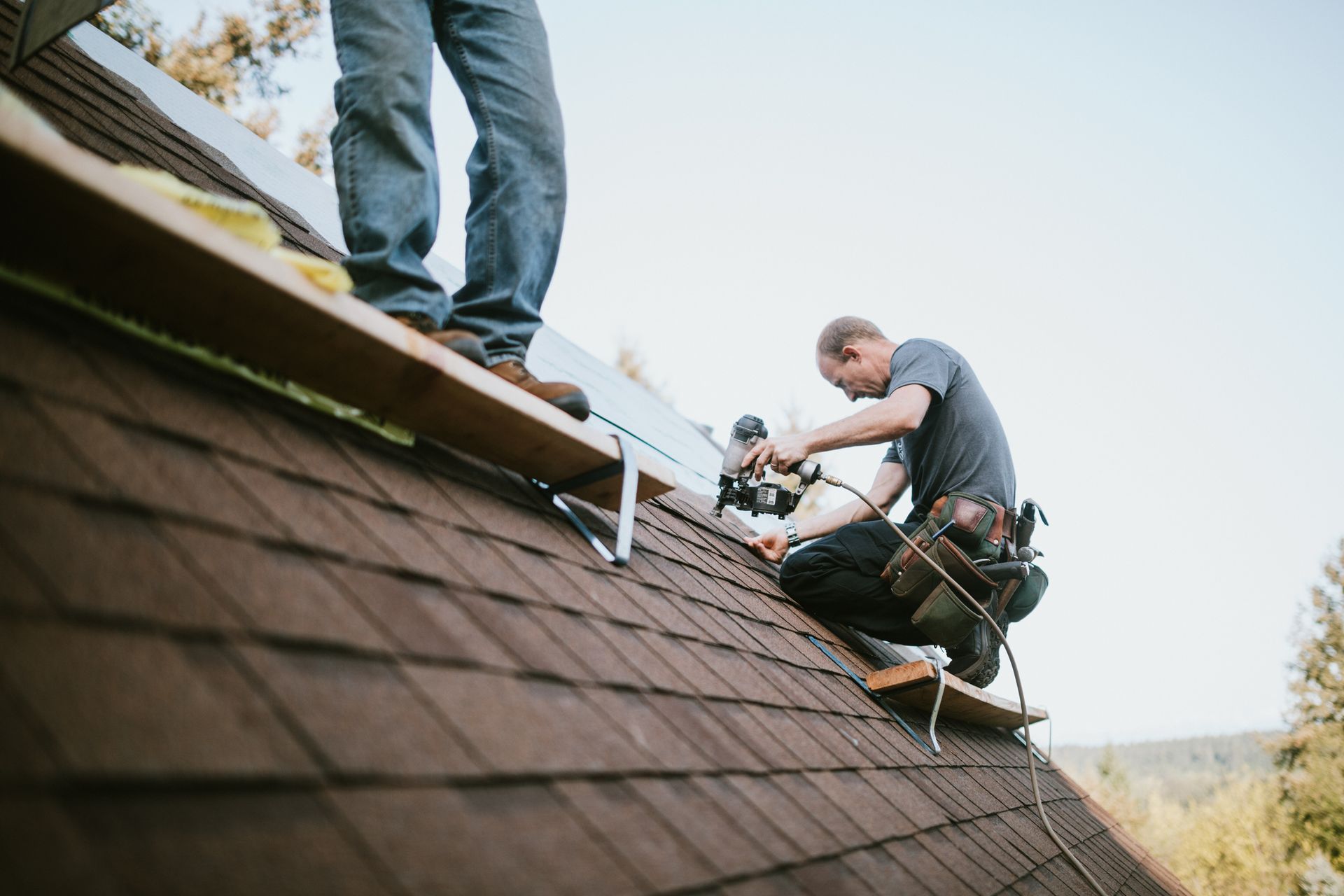
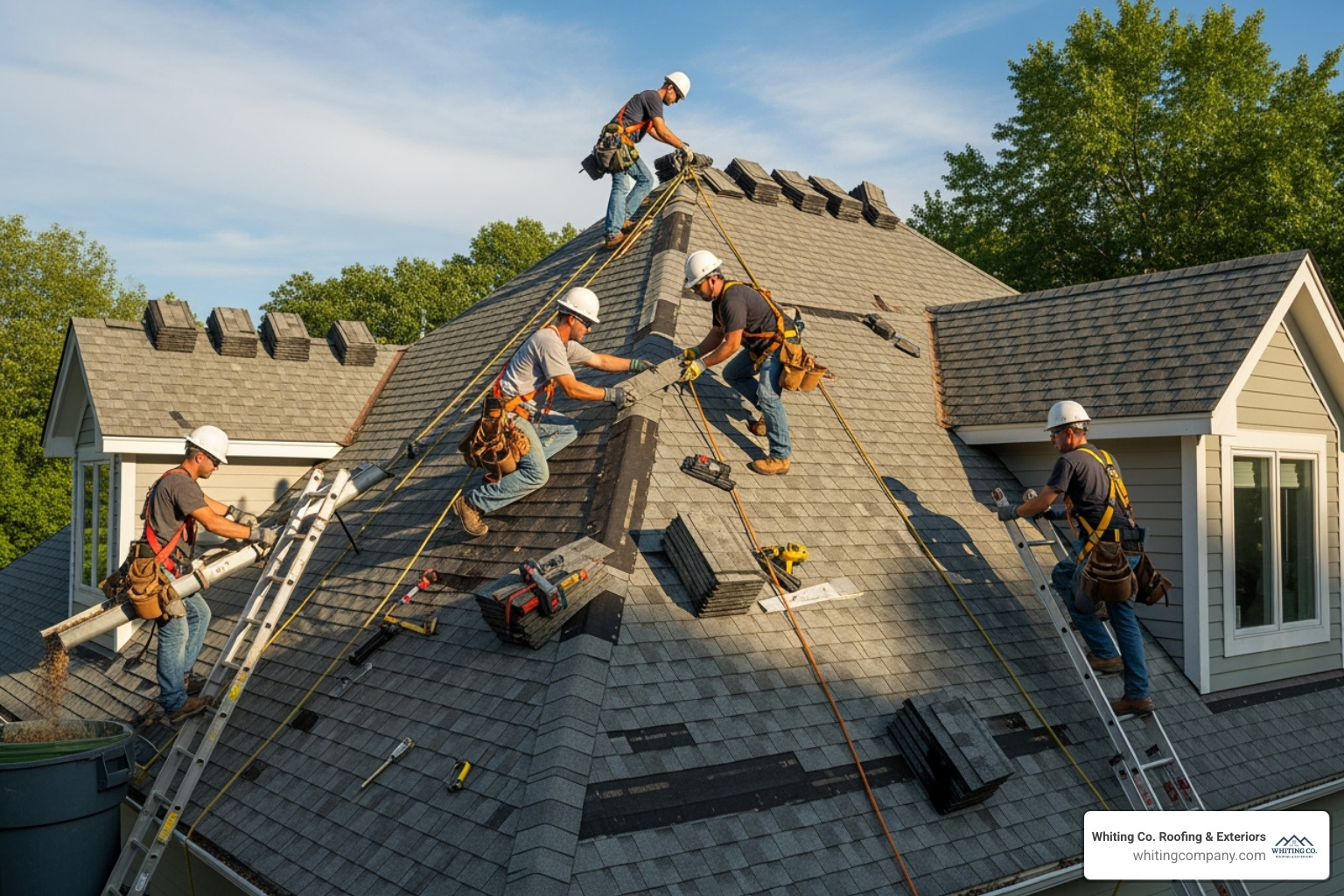
Residential roof contractors are specialized professionals responsible for the installation, repair, inspection, and replacement of roofing systems on homes. Unlike general contractors who oversee broad construction projects, roofing specialists possess specific knowledge regarding building envelopes, drainage systems, ventilation, and material-specific installation protocols.
Their core responsibilities include site safety management, debris removal, adherence to local building codes, and the application of weatherproofing membranes. In the United States, regulations regarding roofing are primarily governed at the municipal or county level. Contractors must be familiar with the International Residential Code (IRC) or local variations, which dictate requirements for fire ratings, wind uplift resistance, and underlayment specifications. When you hire a contractor, you are engaging a professional who must navigate these regulatory requirements while ensuring that the physical structure of your roof provides a reliable barrier against environmental degradation.
Verification of Professional Credentials
Before signing any contract, you must verify the legitimacy of the residential roof contractor. This is the most effective way to protect yourself from liability and poor workmanship.
- Licensure: Verify that the contractor holds a valid license in your state or municipality if required. You can typically search for the license number on the state’s Department of Professional Regulation or Contractors State License Board website.
- Insurance: Request a current Certificate of Insurance (COI). A reputable contractor must carry both General Liability insurance to cover property damage and Workers' Compensation insurance to cover any injuries sustained by employees while on your property. If they lack these, you may be held liable for accidents under premises liability laws.
- Manufacturer Certifications: Many high-quality roofing manufacturers, such as GAF, Owens Corning, or CertainTeed, offer tiered certification programs. While not mandatory, contractors with "Master" or "Elite" statuses are typically vetted for financial stability and undergo specific training on the manufacturer's products.
- Physical Presence: Confirm the business has a verifiable local address. Avoid contractors who operate exclusively out of a vehicle or cannot provide a permanent place of business, as this can indicate difficulty in holding them accountable for future warranty claims.
Comparing Roofing Systems and Materials
The choice of roofing material significantly impacts the project cost, lifespan, and maintenance requirements. Residential roof contractors should provide a detailed comparison based on your region's climate.
| Material Type | Estimated Lifespan | Typical Cost Range | Primary Advantages |
|---|---|---|---|
| Asphalt Shingles | 15–30 Years | Low | Affordability, ease of repair |
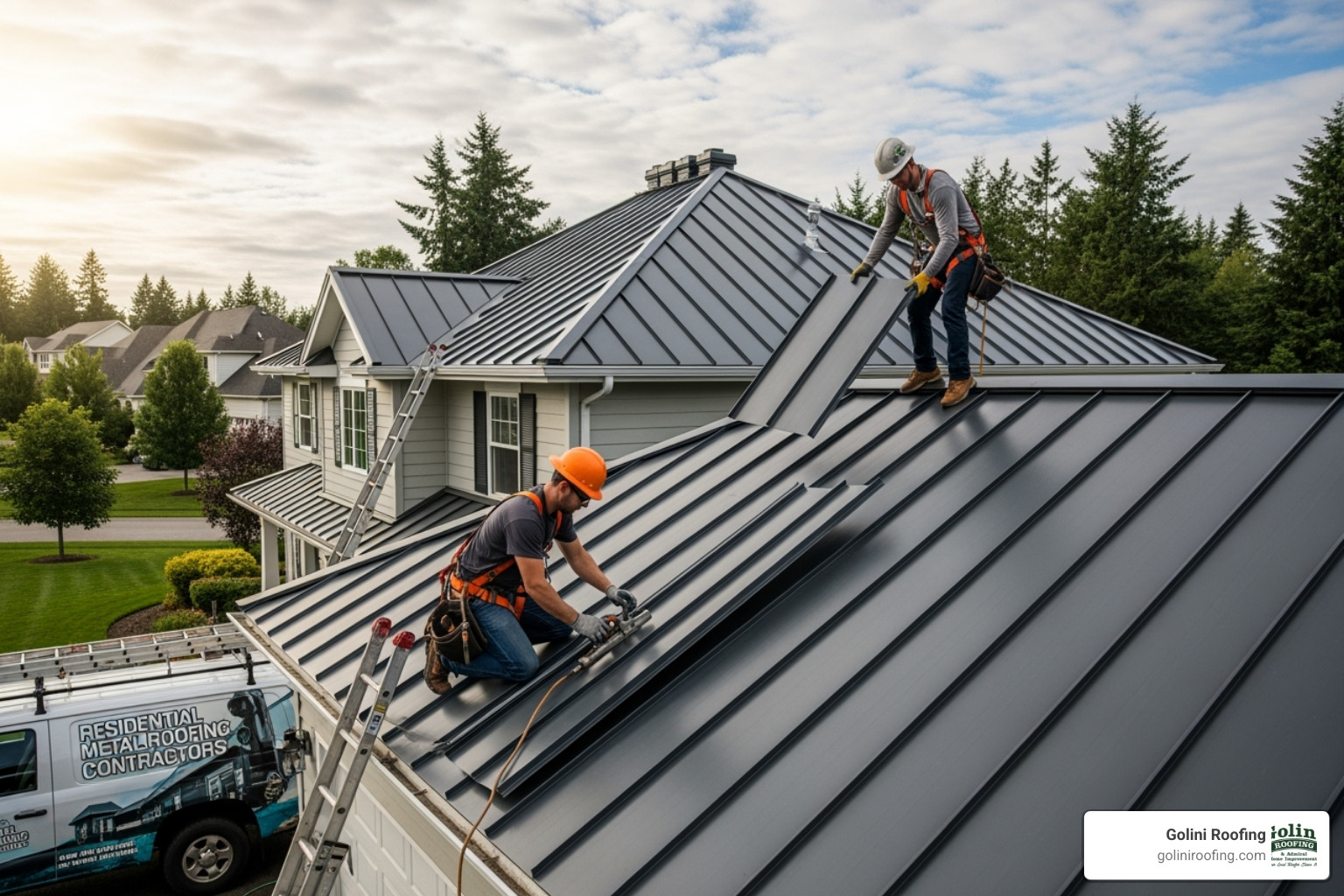
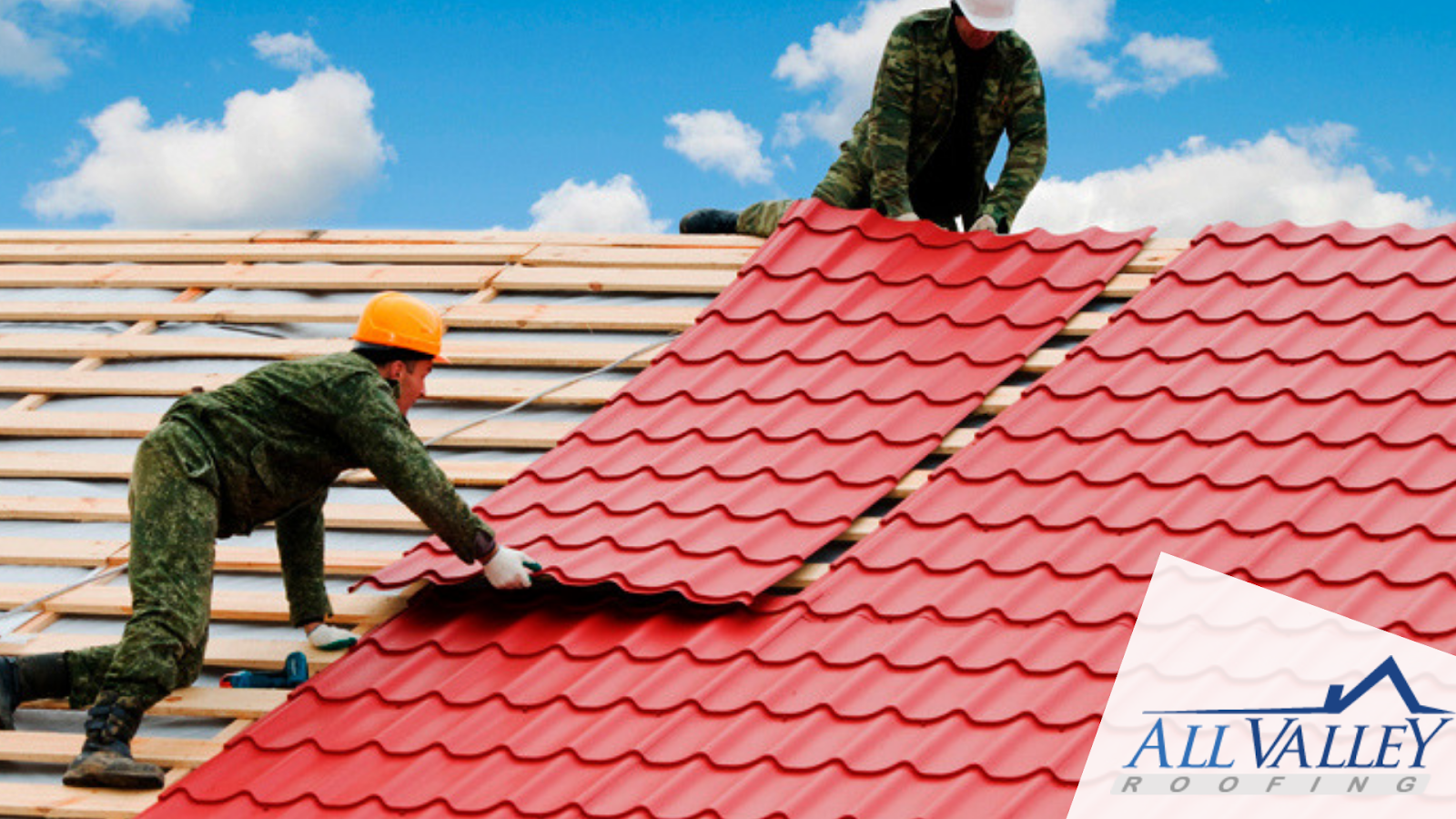
| Metal Roofing | 40–70 Years | Moderate/High | Durability, energy efficiency |
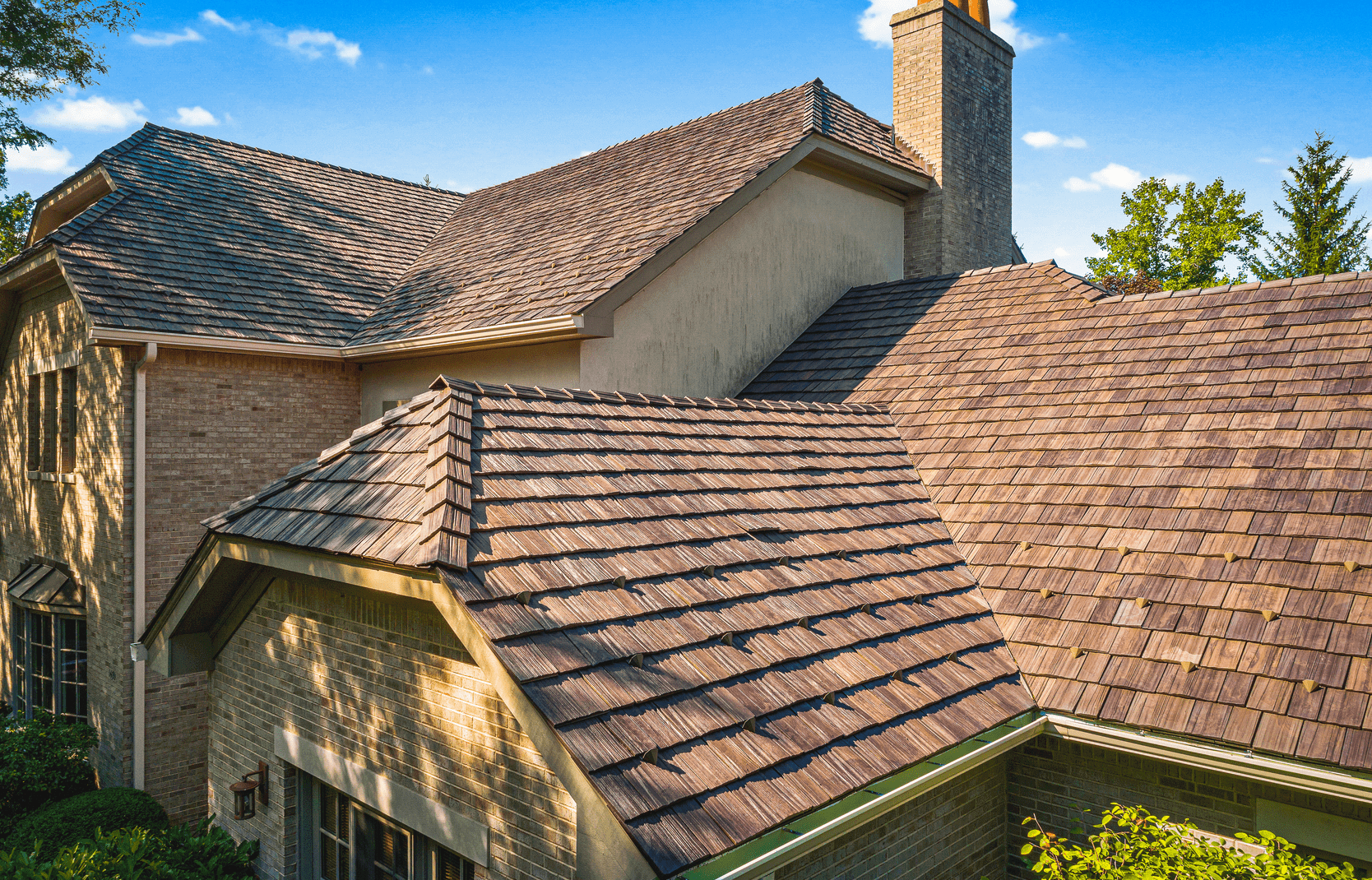
| Clay/Concrete Tiles | 50–100 Years | High | Aesthetic value, fire resistance |
| Slate | 60–150 Years | Very High | Natural material, extreme longevity |
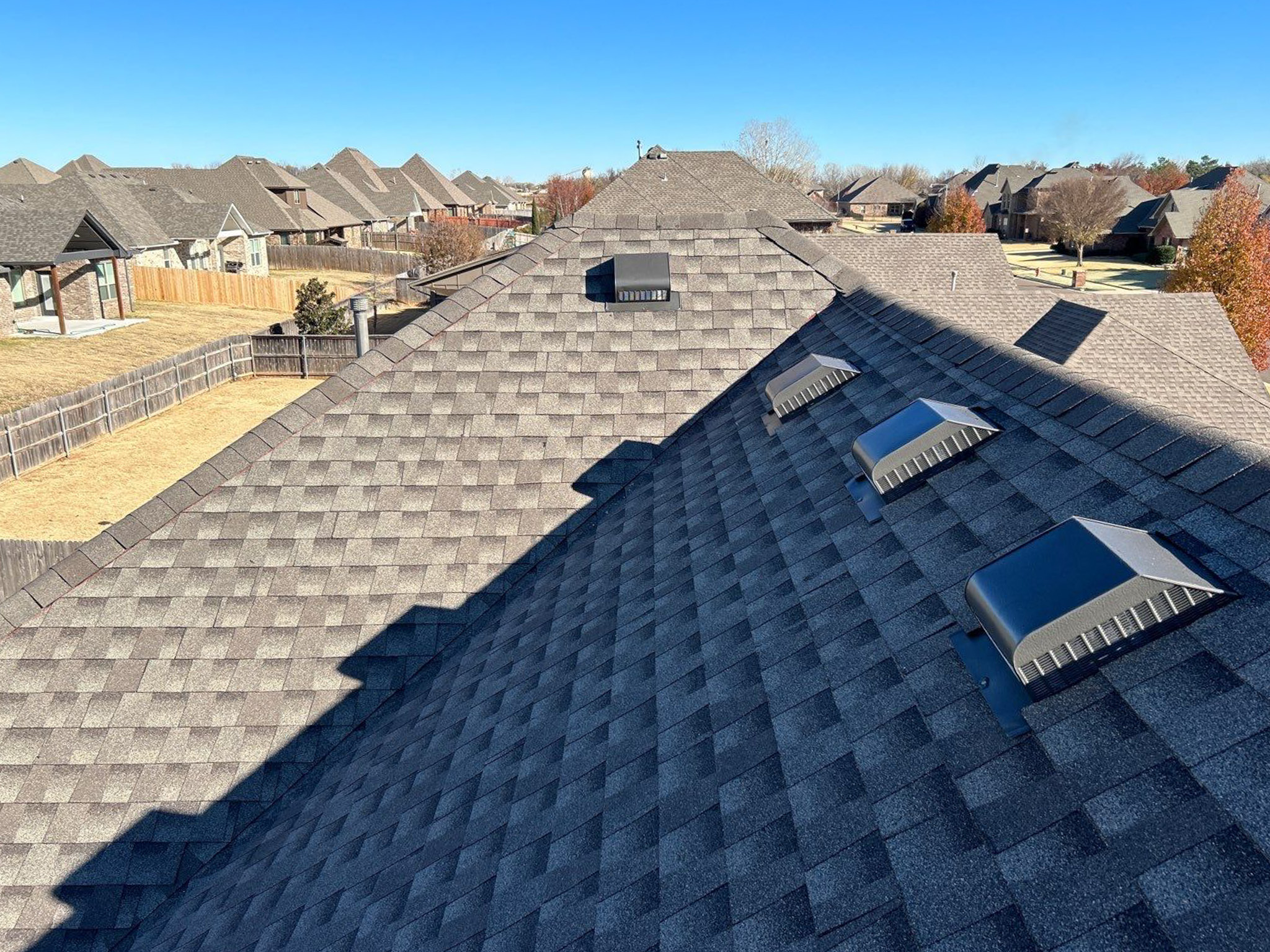
Asphalt shingles remain the standard for the vast majority of U.S. residential properties due to their balance of cost and durability. However, climate factors such as high wind zones or heavy snowfall may necessitate specific shingle weights or enhanced fastening patterns. Discuss with your contractor whether your roof configuration supports heavier materials like slate or tile, which may require additional structural reinforcement.
The Contracting and Estimation Process
A transparent estimate is the foundation of a successful project. An estimate should be itemized rather than presented as a single lump sum. It should clearly delineate the cost of materials, labor, permits, disposal fees for the old roof (tear-off), and the installation of flashings—the metal strips used to prevent water ingress at roof joints.
Key items to review in your proposal:
- Material Specifications: Ensure the specific brand and type of shingles, underlayment, and ridge vents are identified.
- Scope of Work: The proposal must explicitly state whether the contractor is responsible for replacing damaged decking (the plywood or OSB layer underneath) if rot is discovered during the teardown.
- Payment Schedule: Avoid paying the full amount upfront. A standard practice involves a deposit (typically 10-30%) followed by progress payments, with the final balance due only upon satisfactory inspection of the completed project.
- Warranty Documentation: Secure both the contractor’s workmanship warranty (typically covering installation errors for 2–10 years) and the manufacturer’s product warranty (often covering materials for 20+ years).
Identifying Warning Signs
Even with careful selection, watch for red flags during the consultation phase. Be wary of contractors who use high-pressure sales tactics, such as claiming a "one-time offer" that expires if you do not sign immediately. Furthermore, be skeptical of quotes that are significantly lower than other market competitors; this often suggests a lack of insurance, the use of sub-par materials, or an intent to change order the price upward once the old roof has been removed.
Always ask for a physical address and contact references from the last six months. A contractor who cannot provide examples of recent, local work or who refuses to explain the technical details of their proposed solution should be avoided.
Frequently Asked Questions
Does the contractor need to pull permits for a re-roofing project? Yes. In almost every jurisdiction, replacing a roof is a permitted activity. The permit ensures the work is inspected by a municipal official to verify it meets local building codes. If a contractor suggests bypassing permits to "save money," it is a major violation of professional standards.
What happens if damage to the roof decking is discovered? During a tear-off, it is common to find water damage or rot in the underlying wood decking. A professional contract should include a unit price per sheet of plywood or linear foot of lumber to address this issue transparently, preventing surprise surcharges.
Are manufacturer warranties transferable if I sell my home? Most high-end manufacturer warranties are transferable to the next homeowner, but there is usually a registration process and a potential fee involved. Confirm this with your contractor during the material selection phase.
How does weather impact the roof installation timeline? Roofing is highly weather-dependent. Rain, high winds, or extreme temperatures can delay a project. A professional contractor will monitor long-range forecasts and schedule the installation during a window where the house can remain protected from moisture.
What is the difference between an estimate and a quote? An estimate is an approximation of costs, while a quote is a fixed price. Ensure your final document is a formal quote that includes all project-specific variables to avoid cost overruns.
Final Recommendations
Before moving forward, obtain at least three written estimates from licensed contractors who have visited your property. Do not allow a contractor to provide an estimate over the phone without a physical inspection of your attic and exterior roof structure. Once you select a contractor, confirm that all verbal agreements are captured in the final written contract. Retain all documentation, including warranties, permits, and receipts, in a fireproof location or digital format, as these are essential for future insurance claims or property resale.
Image Gallery