Inside Fox News Co-Hosts and How They Shape Morning News
Fox News co-hosts shape the morning news landscape by blending informal conversational banter, real-time political commentary, and populist framing on flagship programs like Fox & Friends. Broadcast live from Manhattan, these anchors m...
Fox News co-hosts shape the morning news landscape by blending informal conversational banter, real-time political commentary, and populist framing on flagship programs like Fox & Friends. Broadcast live from Manhattan, these anchors move fluidly between hard news and cultural commentary, directly setting the daily political agenda, influencing competing morning broadcasts, and establishing the rhetorical tone for conservative political discourse across the United States.
Contents
The Mechanics of the Morning Desk: Format and On-Air Dynamics
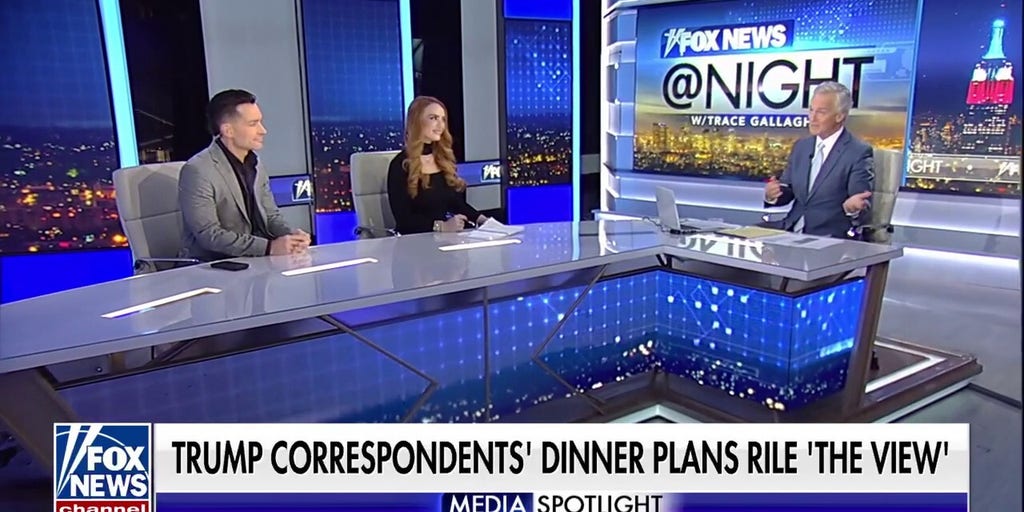
Morning cable television operates on a fundamentally different rhythm than evening broadcasts or prime-time investigative hours. Where evening programming tends to feature structured monologues and intense debriefs, morning broadcasts require a warm, highly conversational atmosphere that fits naturally into viewers' early routines. On Fox & Friends, Fox News’s flagship morning program airing weekdays from 6:00 AM to 9:00 AM Eastern Time, this dynamic centers around the broadcast desk and iconic studio couch.
The multi-host structure is deliberate. Rather than relying on a single authoritative anchor reading from a teleprompter, the co-host format relies on unscripted ad-libbing, shared reaction shots, and casual cross-talk. This gives news reporting the feel of an informal breakfast conversation among peers. The co-hosts react to breaking headlines, video clips, and live guest commentary in real time, projecting approachable authenticity rather than formal detachment.
| Time | Fox & Friends Morning Flow |
|---|---|
| 06:00 AM - 06:30 AM | Hard Headlines, Breaking News & Market Watch |
| 06:30 AM - 07:30 AM | Political Roundtable, Panel Debate & Guest Hits |
| 07:30 AM - 08:30 AM | Cultural Commentary, Enterprise Field Reports |
| 08:30 AM - 09:00 AM | Lifestyle, Human Interest & Hand-off Preview |
This structural framework allows the show to pivot rapidly between serious national security updates and lighthearted lifestyle segments. The transition from a heavy policy discussion to a cooking segment or product demo is smoothed over by the personal relationships and banter among the co-hosts. This informal format keeps viewers tuned in across multi-hour blocks without feeling fatigued by relentless bad news.
Editorial Strategy: Setting the National Political Agenda
The primary influence of Fox News morning co-hosts lies in their ability to select, reframe, and highlight specific news stories for a national audience. In television journalism, agenda-setting theory demonstrates that media outlets do not necessarily tell viewers what to think, but rather what to think about.
During the early morning hours, television producers and co-hosts assemble the daily rundown. While traditional broadcast networks like ABC, NBC, and CBS historically emphasized legacy wire service headlines, consumer warnings, and broad national stories, Fox News co-hosts frequently highlight stories centered on cultural debates, government accountability, economic sentiment, and local law enforcement issues.
According to research from the Pew Research Center, morning cable news programs play an outsized role in shaping public interest and political sentiment among high-propensity voters. When co-hosts reframe a local administrative policy decision or a viral cultural moment into a broader discussion on national values, that topic frequently spreads into national print media, congressional hearings, and digital campaigns by mid-afternoon.
The Feedback Loop Between Co-Hosts and Policymakers
A unique aspect of the Fox & Friends desk is its direct feedback loop with elected officials, political strategists, and conservative thought leaders. For years, politicians and policy experts have monitored morning cable news not just to consume information, but to gauge audience sentiment and test rhetorical messaging.
- Real-Time Reaction: Co-hosts interact directly with newsmakers through live phone-ins and remote interviews, allowing lawmakers to address breaking news before formal press briefings occur in Washington.
- Message Testing: Conservative strategists often observe which topics elicit strong reactions from co-hosts to refine political messaging for legislative battles or election campaigns.
- Grassroots Amplification: Local stories highlighted on the morning couch—such as school board debates or small-business regulatory challenges—are elevated directly into national political conversations.
Host Profiles: Roles and On-Screen Persona Dynamics
The long-term stability and success of a morning co-host panel depend on persona balance. Each anchor on the desk fills a distinct editorial and theatrical role, ensuring that different segments of the audience find an entry point into the discussion.
- Morning Desk Panel
- Broadcast Anchor: Steve Doocy (News Context)
- Policy Specialist: Brian Kilmeade (Global/History)
- Cultural Voice: Ainsley Earhardt (Faith/Family)
- Field Reporter: Lawrence Jones (Grassroots/Street)
Steve Doocy: The Broadcast Anchor and Steadying Force
As one of the original co-hosts of Fox & Friends, Steve Doocy brings decades of traditional broadcast journalism experience to the table. Serving as the primary traffic controller on the desk, Doocy balances the flow between breaking news reports and casual banter. On policy issues, he frequently plays the role of the inquisitive anchor, asking clarifying questions that break down complex legal or economic topics for home viewers.
Brian Kilmeade: The Foreign Policy and Energetic Analyst
Brian Kilmeade provides high-energy commentary with a heavy emphasis on foreign affairs, military history, national security, and sports. Known for his rapid-fire delivery and extensive knowledge of American history, Kilmeade often steers discussions toward geopolitics, international relations, and broad economic trends. His perspective appeals directly to viewers looking for assertive, defense-focused national security analysis.
Ainsley Earhardt: The Faith, Family, and Heartland Perspective
Joining the main weekday desk in 2016, Ainsley Earhardt anchors segments centered on faith, family dynamics, educational issues, and heartland cultural values. Earhardt frequently conducts interviews with everyday Americans, small-business owners, and military families. Her presence ensures that the broadcast maintains a personal, value-focused connection with suburban and rural viewers who feel underrepresented by traditional coastal media outlets.
Lawrence Jones: The Enterprise Reporter and Field Representative
Appointed as a permanent fourth weekday co-host in late 2023, Lawrence Jones brought an enterprise field-reporting dynamic directly into the studio. Having previously spent years traveling the country conducting "man-on-the-street" interviews and reporting live on urban public safety, Jones offers direct insight into grassroots voter concerns. His inclusion on the main couch modernized the morning desk, bridging the gap between studio analysis and live on-the-ground reporting.
Cable vs. Traditional Network Morning News Formats
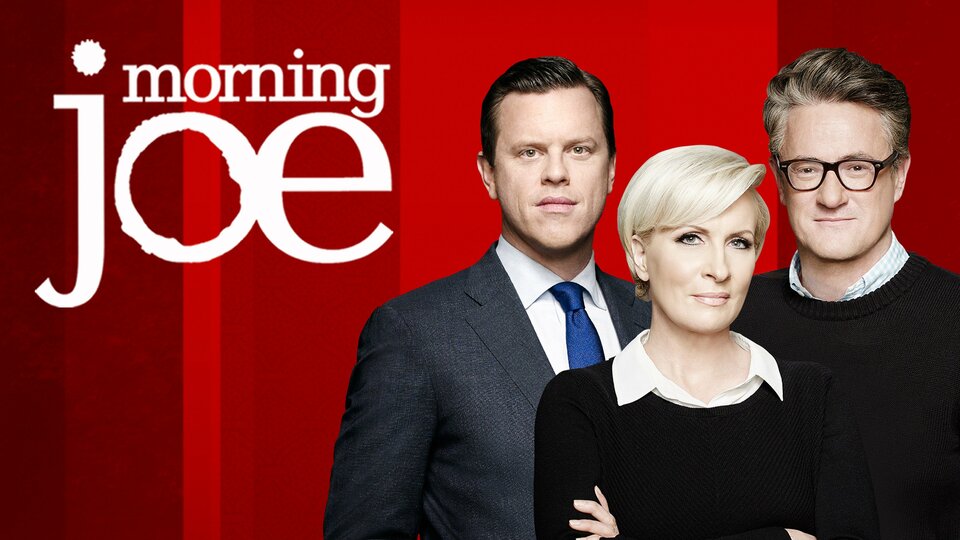
To understand how Fox News co-hosts shape morning news, it is useful to compare their broadcast style with traditional network competitors like NBC's Today, ABC's Good Morning America, and CBS Mornings, as well as cable rivals like MSNBC's Morning Joe.
| Operational Dimension | Fox News (Fox & Friends) | Network News (Today / GMA) | Cable Rivals (Morning Joe) |
|---|---|---|---|
| Primary Editorial Focus | Cultural politics, populist news, national security, economic impacts | Consumer health, entertainment, human interest, national headlines | Insider political analysis, Beltway policy, institutional strategy |
| Co-Host Interaction | Unscripted roundtable, conversational ad-libbing, personal commentary | Structured segments, formal co-anchor hand-offs, light entertainment | Roundtable panel discussion, pundit commentary, elite discourse |
| Target Audience | Conservative, suburban, heartland, and political-interest viewers | Broad national demographic, casual morning viewers | Political insiders, media professionals, policy workers |
| On-Air Setting | Multi-zone studio, iconic central couch, street-level outdoor plaza | Structured anchor desk, secondary lounge area, outdoor plaza | Desk-centric panel layout, virtual remote guest screens |
| Production Speed | Rapid story pivots, high clip volume, real-time social integration | Polished packages, produced field reports, celebrity interviews | Extended single-topic panel discussions, long-form interviews |
While traditional network morning shows allocate significant time to entertainment publicity, product reviews, and light human-interest packages, Fox News morning co-hosts keep political commentary and cultural debate central to every hour of the broadcast. This focus has forced competitors across the media ecosystem to adapt their own morning line-ups.
The Industry Ripple Effect: Reshaping Morning Television
The success of the Fox News morning format has altered how television executives structure early-day programming across the industry. Before cable morning news established a dominant market presence, morning broadcast television was governed by rigid, legacy formats refined during the late 20th century.
Data tracked by viewership monitoring organizations like Nielsen Media Research has repeatedly shown that morning news audiences value authenticity, clear ideological perspectives, and continuous live updates over highly polished pre-recorded reports. As a result, rival networks have adapted in several key ways:
- Adoption of the Informal Roundtable: Competing broadcast and cable networks have largely abandoned single-anchor desks in favor of informal couch arrangements, coffee-table settings, and open panel discussions.
- Increased Focus on Cultural Debates: Network morning shows now dedicate substantially more airtime to debates over public school curricula, local governance, and economic sentiment—topics prioritized by cable morning hosts.
- Real-Time Digital Integration: Morning co-hosts no longer broadcast solely for television audiences. Segments are produced specifically to be clipped, shared, and discussed across social media platforms within minutes of airing, maximizing their digital footprint.
Behind the Scenes: Production Logistics and Real-Time Coordination
The seamless, conversational flow seen on air is backed by complex behind-the-scenes engineering and production operations. Operating out of Studio M at Fox News headquarters in New York City, the morning team relies on a massive production staff to manage three continuous hours of live television each weekday.
| Time | Off-Camera Production Pipeline |
|---|---|
| 03:30 AM | Editorial Pitch Meeting (Executive Producer & Key Staff) |
| 04:30 AM | Script Drafting, Clip Selection & Graphic Assembly |
| 05:15 AM | Co-Host Studio Arrival, Makeup & Pre-Show Briefing |
| 06:00 AM | LIVE BROADCAST BEGINS (Continuous IFB Earpiece Feeding) |
| 09:00 AM | Post-Show Debrief & Next-Day Story Development |
The Executive Producer and IFB Communications
During the broadcast, co-hosts wear an Interruptible Foldback (IFB) earpiece, allowing executive producers and control room staff to communicate directly with them in real time. While one co-host is speaking, producers feed breaking wire reports, timing cues, and guest updates to the other anchors on the desk. This allows the panel to handle unexpected breaking news or live satellite failures without disrupting the flow of the broadcast.
Managing Unscripted Conversations
Unlike scripted evening news broadcasts, morning co-hosts must be capable of navigating unscripted debates without losing control of time limits or broadcast regulations. The Federal Communications Commission (FCC) oversees broadcast standards, and while cable news is not subject to the same over-the-air indecency regulations as broadcast networks, co-hosts must adhere to strict internal editorial guidelines regarding defamation, legal liability, and live guest vetting.
When a guest makes an unverified claim on air, co-hosts are trained to step in, seek clarification, or offer real-time editorial corrections to maintain journalist standards and legal compliance.
Key Considerations for Media Consumers
When evaluating morning news commentary, media analysts and viewers should consider several structural realities of morning cable television:
- Format Blending: Morning broadcasts deliberately mix objective wire reporting with subjective host opinion. Recognizing when a co-host transitions from reporting a verified news fact to offering personal commentary is essential for media literacy.
- Commercial Pressures: Cable morning shows rely on high viewer retention to sell advertising slots. Emotional engagement, controversial topics, and fast-paced arguments are effective strategies to keep viewers from changing the channel.
- Selective News Framing: Every morning program exercises editorial discretion. Comparing how Fox & Friends covers a breaking story against reports from international news outlets or print publications provides a more balanced perspective on national events.
Frequently Asked Questions
What is the primary difference between Fox & Friends and traditional network morning shows?
Fox & Friends focuses heavily on political commentary, cultural debates, and populist news perspectives delivered through an informal roundtable conversation. Traditional network morning shows like NBC's Today or ABC's Good Morning America place a stronger emphasis on entertainment news, consumer lifestyle segments, pre-produced feature packages, and non-partisan national headlines.
Who are the main weekday co-hosts of Fox & Friends?
The weekday morning desk features Steve Doocy, Brian Kilmeade, Ainsley Earhardt, and Lawrence Jones. Together, they anchor the program from 6:00 AM to 9:00 AM Eastern Time, combining news coverage, field reporting, guest interviews, and political analysis.
How do morning news co-hosts influence national politics?
Morning co-hosts shape national politics by setting the daily news agenda. By choosing which stories to feature, how to frame complex policy debates, and which guest speakers to invite, co-hosts highlight specific topics that frequently become central points of debate for lawmakers, political campaigns, and rival news organizations throughout the day.
How much of the morning broadcast on Fox News is unscripted?
While story rundowns, video packages, and introductory news leads are carefully scripted by producers, much of the conversation among co-hosts on the couch is completely unscripted. Anchors rely on their expertise, personal opinions, and professional chemistry to react spontaneously to breaking news and live guest statements.
Why do cable morning shows use multiple co-hosts instead of a single anchor?
A multi-host panel creates a dynamic, conversational atmosphere that feels comfortable for viewers waking up and preparing for the day. Having multiple hosts allows for diverse domain expertise, distinct personality roles, informal debate, and continuous multi-hour energy that a single anchor would struggle to sustain alone.
Strategic Summary and Operational Takeaway
The co-hosts of Fox News's morning programming do far more than read headlines; they function as primary editorial drivers for conservative media and national political discourse. By blending unscripted conversational banter with targeted agenda-setting, Steve Doocy, Brian Kilmeade, Ainsley Earhardt, and Lawrence Jones have built a resilient morning format that commands high audience loyalty and forces rival broadcasters to continuously adjust their own production strategies.
For media observers, political strategists, and everyday viewers, analyzing the dynamics of the morning desk provides clear insight into the emerging cultural debates, political priorities, and media trends that will define the national news cycle each day.
Image Gallery