Optimizing Supply Chain Planning Applications for 2026 Operational Resilience
Supply chain planning applications are sophisticated software systems designed to align inventory, production, and distribution by synchronizing demand forecasts with supply capabilities. These applications utilize advanced mathematica...
Supply chain planning applications are sophisticated software systems designed to align inventory, production, and distribution by synchronizing demand forecasts with supply capabilities. These applications utilize advanced mathematical modeling, historical trend analysis, and real-time sensor data to minimize operational costs while maximizing service levels across complex global value chains.
Contents
Core Architecture and Functional Requirements
Modern supply chain planning (SCP) applications function as the analytical engine of the broader supply chain management ecosystem. Unlike execution-focused systems that manage the physical movement of goods, planning applications focus on the "what if" scenarios that dictate future business performance. By 2026, these systems are no longer standalone silos but integrated intelligence layers leveraging cloud-native infrastructure.
Key components that define a robust planning application include:
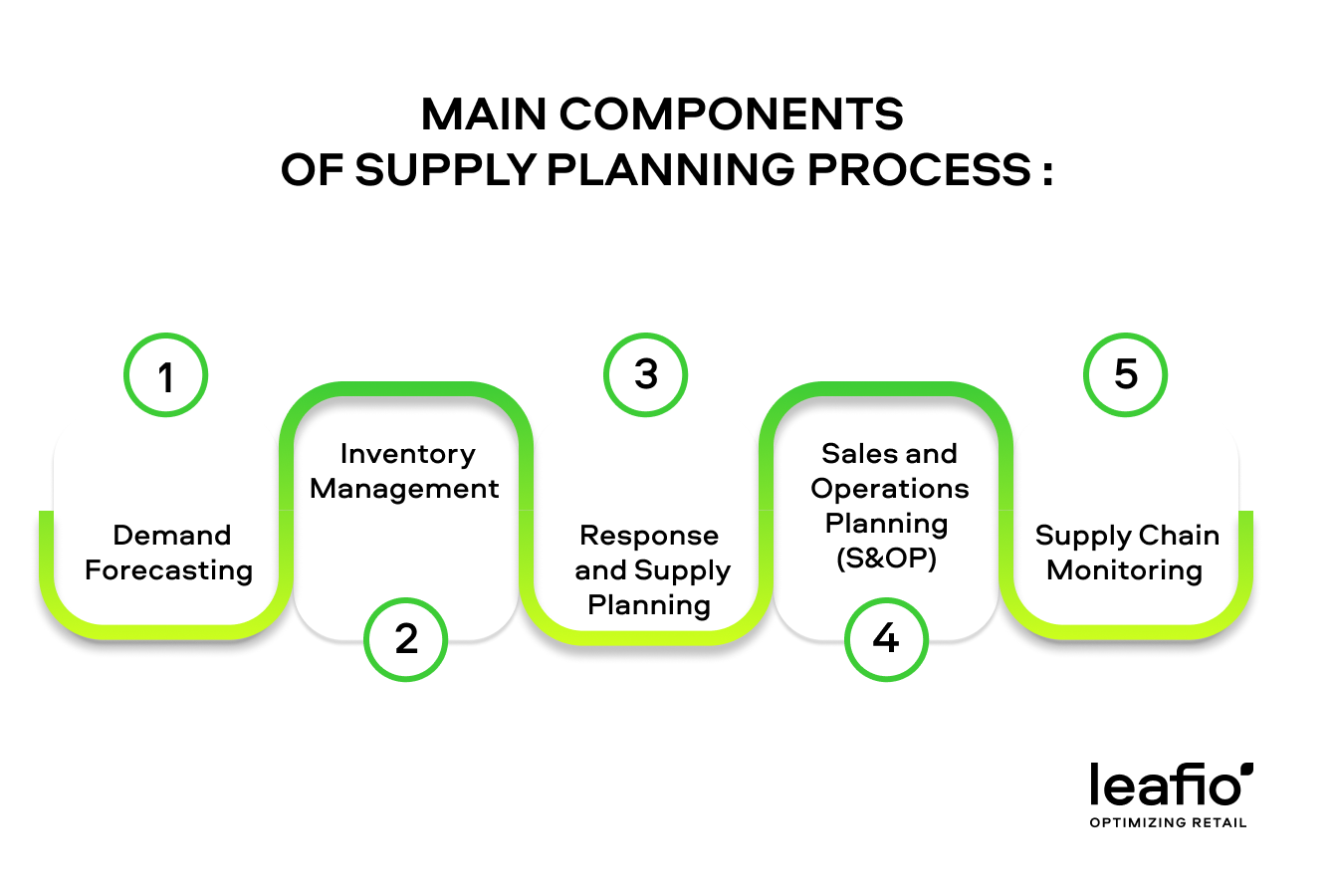
- Demand Planning: Utilizing time-series forecasting and machine learning to predict customer demand based on historical data and market signals.
- Supply Network Planning: Calculating the optimal flow of materials from suppliers to manufacturing sites, and eventually to end customers, while respecting capacity constraints.
- Inventory Optimization: Establishing dynamic safety stock levels across multi-echelon networks to hedge against volatility.
- Sales and Operations Planning (S&OP): Providing a unified collaborative platform for executive decision-making, ensuring financial goals align with operational reality.
Strategic Selection Criteria for Enterprise Deployment
When evaluating SCP solutions in 2026, technical leaders must prioritize scalability, data interoperability, and the ability to process unstructured data. The transition from legacy monolithic architectures to modular, microservices-based platforms allows organizations to implement specific planning modules without requiring a complete system overhaul.
Evaluation Framework for Procurement
Data Integration Capabilities Applications must offer pre-built connectors for major ERP systems such as SAP S/4HANA or Oracle Cloud SCM. Real-time data ingestion from IoT devices is now a mandatory requirement rather than a premium feature.
Computational Efficiency High-performance planning engines must reduce scenario modeling time from hours to minutes. This allows for continuous re-planning rather than static monthly cycles.
Extensibility The platform should support custom scripting or low-code environments, enabling internal supply chain analysts to tailor algorithms to specific regional or commodity-based requirements.
Comparison of Leading Supply Chain Planning Paradigms
The following table outlines the functional differences between primary deployment models for supply chain planning applications.
| Feature | Cloud-Native SaaS | On-Premise/Private Cloud | Hybrid Orchestration |
|---|---|---|---|
| Scaling Speed | Immediate/Auto-scale | Requires Hardware Procurement | Moderate |
| Maintenance | Vendor Managed | IT Team Managed | Shared Responsibility |
| Integration Complexity | Low (API-first) | High (Custom Build) | Moderate |
| Cost Structure | OPEX (Subscription) | CAPEX (Licensing) | Mixed |
| Customization Level | Configurable | Fully Extensible | High |
Implementation Roadmap for Operational Success
Successful deployment of an SCP application requires more than technical installation; it necessitates a structured change management process. Organizations often fail not because the software is inadequate, but because the underlying master data remains fragmented or inaccurate.
- Data Cleansing and Governance: Establish a single source of truth for bill of materials (BOM), lead times, and SKU attributes before system migration.
- Pilot Program: Select a specific product line or region to test the planning engine's effectiveness against baseline metrics.
- Model Calibration: Adjust heuristic parameters to align with actual factory and supplier performance, rather than theoretical capacity.
- User Enablement: Train demand planners and inventory managers on the new decision-support interfaces to ensure rapid adoption.
- Continuous Improvement: Review forecast accuracy (MAPE/WAPE) monthly and tune algorithms to capture shifting market dynamics.
Mitigating Risks in Modern Supply Chain Planning
By 2026, the primary risk in supply chain planning is "automation bias," where human planners overly rely on AI-generated forecasts without validating them against external geopolitical or macroeconomic factors. Systems must include "human-in-the-loop" workflows that allow experts to override automated outputs when exceptional events occur.
Common pitfalls to avoid:
- Ignoring Lead Time Variability: Relying on static lead times in an application will inevitably lead to inventory shortages or bloat. Always factor in stochastic lead time distributions.
- Over-Constraining the Model: While accuracy is vital, setting too many constraints can lead to infeasible plans where the system fails to suggest any solution.
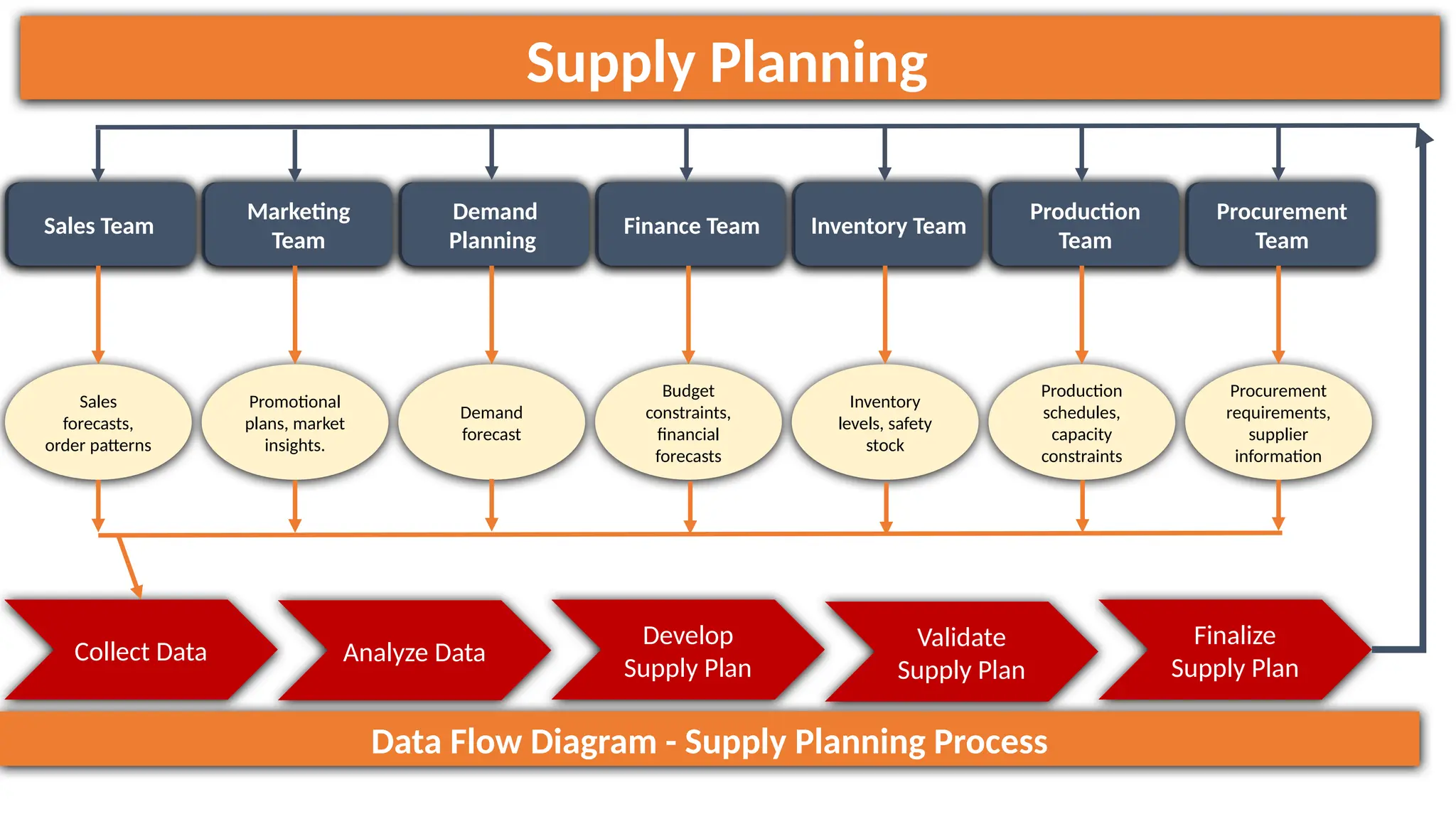
- Lack of Collaboration: An SCP tool is only as effective as the data provided by sales, marketing, and procurement departments. Breaking down departmental silos is a prerequisite for software success.
Frequently Asked Questions
What differentiates supply chain planning from supply chain execution?
Supply chain planning focuses on strategic, tactical, and operational decision-making to balance supply and demand, whereas execution systems handle the physical tracking and movement of goods. Execution systems, like Warehouse Management Systems (WMS), rely on the plans created by SCP applications to function effectively.
How do modern SCP applications utilize machine learning in 2026?
Machine learning is primarily used to identify hidden patterns in massive datasets that human analysts would miss, such as seasonal correlations between disparate product lines. In 2026, these algorithms are specifically tuned to adjust rapidly to supply chain disruptions by continuously learning from variance in past performance.
Is cloud-based planning secure for sensitive corporate data?
Yes, modern cloud-native SCP solutions utilize enterprise-grade encryption and adhere to strict SOC2 and ISO 27001 compliance standards. Most providers offer private cloud instances for organizations with highly sensitive data requirements, ensuring physical data isolation while retaining software-as-a-service benefits.
Can SCP applications replace the need for human demand planners?
No, these applications are designed to act as force multipliers for human talent. While they automate the rote calculation of forecasts, human planners remain essential for interpreting market nuance, managing supplier relationships, and making final strategic decisions based on qualitative information that the software may not fully capture.
What is the typical ROI timeframe for a new SCP deployment?
For most mid-to-large enterprises, a well-implemented SCP solution yields a measurable return on investment within 18 to 24 months. This is typically achieved through reductions in inventory carrying costs, improved fill rates, and lowered transportation expenses due to better-planned distribution.
Optimizing Your Future Strategy
To maintain a competitive edge, organizations should prioritize modular growth. Start by addressing your most significant pain point—whether it is inaccurate demand forecasting or excessive inventory levels—and leverage the data insights from your SCP application to drive incremental gains. Investing in staff training is equally important; a sophisticated tool provides zero value if the users cannot translate algorithmic outputs into actionable business strategies. Engage with your software vendor’s customer success team to ensure your implementation stays aligned with the latest software updates and industry best practices.
Image Gallery