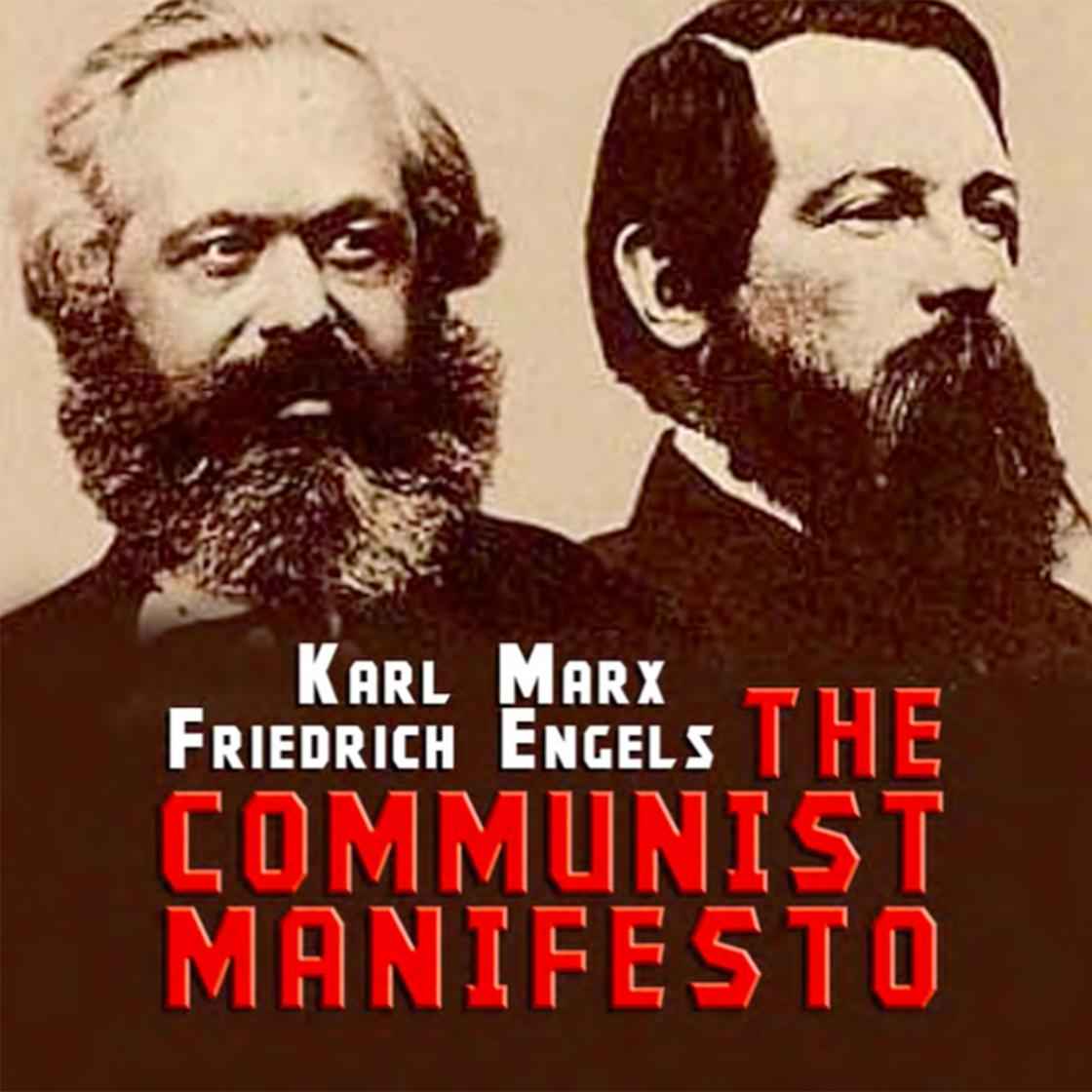
How to Get The Communist Manifesto Audiobook
Acquiring an audiobook version of The Communist Manifesto is a straightforward process because the work is in the public domain globally. You can obtain high-quality recordings through free digital libraries, institutional archives, an...
Acquiring an audiobook version of The Communist Manifesto is a straightforward process because the work is in the public domain globally. You can obtain high-quality recordings through free digital libraries, institutional archives, and commercial audiobook platforms by utilizing standard digital distribution channels or direct file downloads.
Contents
The Communist Manifesto, originally published in 1848 by Karl Marx and Friedrich Engels, is a foundational text of socialist theory. Because of its age and the expiration of copyright protections, the work is freely accessible to the public. There is no single "official" version, as many organizations, volunteer networks, and commercial publishers have produced their own narrated recordings over the decades. Selecting the right source depends on whether you prioritize high-fidelity professional production, ease of mobile integration, or a strictly non-commercial open-access experience.
Understanding Public Domain Status and Access
The primary reason you can access this text without cost is its status in the public domain. In most jurisdictions, copyright protection lasts for the life of the author plus a set number of years (usually 70 years). Since Marx and Engels died in the 19th century, their intellectual property is free for anyone to reproduce, record, and distribute.
However, a critical distinction exists between the text itself and specific audiobook recordings. While the words are free, a private corporation or a professional voice actor may hold a copyright on a specific performance or a specific high-fidelity studio recording. When searching for an audiobook, you will encounter two types of sources:
- Community-Driven/Public Domain Projects: Recordings created by volunteers (often through platforms like LibriVox) that are released under Creative Commons or dedicated public domain licenses.
- Commercial Productions: Recordings commissioned by audiobook retailers. While the underlying text is free, the production itself is a proprietary product, and you are purchasing the convenience of their app interface, sync capabilities, and professional production quality.
Sources for Free Audiobooks
If you are looking for free access, several reputable repositories host community-contributed versions. These are ideal for listeners who want to download files directly to their local device without managing subscription accounts.
LibriVox
LibriVox is the most prominent source for free public domain audiobooks. It relies on a network of volunteers who record chapters of literature. Because these recordings are amateur-led, the audio quality, pace, and vocal style can vary significantly between different versions.
- How to access: Visit the LibriVox website and search for "The Communist Manifesto." You will likely find multiple versions recorded by different narrators.
- Format: These are typically available as MP3 downloads or via RSS feeds for podcast applications.
Project Gutenberg
Project Gutenberg is primarily known for digital text, but it hosts links to audio versions of public domain books. If you prefer to pair the audio with the text, the Project Gutenberg catalog is an excellent starting point, as it provides validated, accurate transcripts alongside links to various audio project partners.
Commercial Platforms and Convenience
Commercial audiobook platforms offer a different value proposition. If you use a service like Audible or Google Play Books, you are paying for the technical infrastructure—such as cloud syncing across devices, adjustable playback speed, chapter bookmarking, and integrated interfaces.
When using commercial platforms to "purchase" a title that is technically free, you are typically paying for:
- Professional Narration: High-quality studio recording, consistent tone, and professional editing that removes background noise.
- App Integration: The ability to move seamlessly between listening on a phone, tablet, or smart speaker without losing your progress.
- Metadata Management: Proper organization of chapters and metadata, ensuring your library remains clean and easy to navigate.
Comparative Overview of Access Methods
| Method | Cost | Audio Quality | Key Advantage |
|---|---|---|---|
| Volunteer Archives (LibriVox) | Free | Variable | Total accessibility, no account required. |
| Commercial Retailers | Paid/Credit | High/Studio | App sync, professional narration, ease of use. |
| Public Library Apps | Free | Professional | Access to premium productions via library membership. |
| Institutional Repositories | Free | Varies | Scholarly curation and reliable metadata. |
Digital Library Integration
Before resorting to a paid subscription, consider using your local library’s digital resources. Services such as Libby or Hoopla provide access to premium, professionally narrated versions of public domain classics at no cost to you.
To utilize this method, you generally need a valid library card from a participating institution. Once you log in, you can "borrow" the professional audio version of The Communist Manifesto for a set period. This provides the same high-quality production as a commercial service but remains within the public service framework. This is often the preferred method for students or researchers who require a high-quality, reliably produced version but wish to avoid individual purchase fees.
Troubleshooting Common Access Issues
When downloading or streaming these audio files, users occasionally face minor technical hurdles.
- File Format Compatibility: Some open-source sites provide files in large ZIP archives containing multiple MP3s. Ensure your mobile device has a file manager capable of unzipping archives if you are not using a dedicated podcast player to stream them.
- Metadata Errors: In some community-made recordings, chapter tags may be misaligned or missing. If you find your player is skipping tracks or failing to recognize the sequence, consider using a metadata editor (such as MP3Tag) to re-index the files if you have saved them locally.
- Regional Restrictions: While the text itself is free, some platforms may restrict the availability of specific recordings based on your current region. If a specific version is unavailable in your app, searching for a different production of the same title will usually resolve the issue.
Frequently Asked Questions
Can I get in legal trouble for downloading the audiobook? No. Because The Communist Manifesto is in the public domain, the text is not protected by copyright. You have the legal right to download, reproduce, and share these recordings.
Why are some versions free and others paid? The text is free, but the labor involved in recording, editing, and hosting an audiobook is not. Commercial services charge for the professional labor of the narrator and the maintenance of their digital infrastructure.
How do I know which narrator to choose? If you are using a platform like LibriVox, look at the listener ratings or comments if available. If using a library or commercial app, previews are almost always provided, allowing you to listen to the first few minutes to determine if the narrator's pace and style suit your preferences.
Can I download these to my car’s infotainment system? Yes. If you download the MP3 files to a USB drive or smartphone, most modern vehicle systems can play these files directly through their media interface. If using a smartphone, connecting via Bluetooth or CarPlay/Android Auto allows you to play them through apps like Libby or a standard music player.
Next Steps
To begin your listening experience, first determine your primary device. If you primarily listen on a smartphone and value convenience, check your local library's digital catalog via the Libby app. If you prefer to own the files permanently for offline use without any proprietary software, navigate to the LibriVox website, search for your preferred recording, and download the MP3 files directly to your device. By choosing your platform based on your technical preference, you can integrate this historical text into your collection efficiently.
Image Gallery