John Hagee's First Wife: The History of Martha Downing, Their Marriage, and the 1975 Ministry Transition
John Hagee's first wife was Martha Downing. The couple married in 1960 and had two children, Christopher and Tish, during their fifteen-year marriage. In 1975, the marriage ended in divorce, leading to Hagee's resignation from Trinity...
John Hagee's first wife was Martha Downing. The couple married in 1960 and had two children, Christopher and Tish, during their fifteen-year marriage. In 1975, the marriage ended in divorce, leading to Hagee's resignation from Trinity Church in San Antonio, Texas, before he founded the Church on Castle Hills later that year.
Contents
The Early Life and Marriage of John Hagee and Martha Downing (1960–1975)
John Charles Hagee was raised in a prominent Pentecostal ministry family. His father, the Reverend Bythel Hagee, served as a pastor within the Assemblies of God tradition. Following his educational pursuits at Southwestern Assemblies of God University and Trinity University, John Hagee entered full-time evangelistic and pastoral work in the early 1960s.
In 1960, John Hagee married Martha Downing. During the initial years of their marriage, Downing actively supported Hagee’s expanding evangelistic tours and local church plants across Texas. The couple established a home in San Antonio, where Hagee’s ministry gained significant local traction.
During their fifteen years of marriage, Martha Downing and John Hagee had two children:
- Christopher Hagee: Born during the early years of Hagee's pastoral ministry in Texas.
- Tish Hagee: Born as the ministry began transitioning into larger local church operations in San Antonio.
Throughout the 1960s and early 1970s, Martha Downing fulfilled the traditional responsibilities expected of a pastor's spouse within independent Pentecostal and charismatic circles. This included participating in congregational life, supporting church music programs, and assisting with community outreach. However, as the demands of building a large multi-faceted ministry grew, personal and pastoral tensions began to surface within the marriage.
The 1975 Resignation and Divorce: Legal and Ministerial Context
The year 1975 marked a critical turning point in both the personal life and public career of John Hagee. After fifteen years of marriage, John Hagee and Martha Downing filed for divorce. The legal dissolution of their marriage was finalized in 1975 in Bexar County, Texas.
Pastoral Resignation from Trinity Church
At the time of the divorce, Hagee was serving as the senior pastor of Trinity Church, a growing charismatic congregation in San Antonio. Within traditional Pentecostal and evangelical denominations during the mid-1970s, divorce presented severe ecclesiastical complications. Pastoral qualifications were heavily scrutinized under traditional interpretations of biblical passages such as 1 Timothy 3 and Titus 1.
Recognizing the institutional standards of the church and the disruption caused by marital breakdown, Hagee formally resigned his leadership post at Trinity Church in May 1975.
The standard operational protocol for traditional evangelical and charismatic governing bodies during the 1970s mandated immediate pastoral resignation upon the dissolution of a marriage. This procedure allowed the governing board to maintain denominational compliance while the departing pastor withdrew from public pulpit ministry.
Following his resignation, Martha Downing chose to step entirely out of the public spotlight. Unlike public figures who maintain prominent media profiles following a divorce from a high-profile figure, Downing prioritized personal privacy, raising her children away from broadcast media and church publicity.
Children of the First Marriage: Christopher and Tish Hagee
While John Hagee's later family life with his second wife, Diana Castro Hagee, became highly visible through Global Evangelism Television and Cornerstone Church, his children from his first marriage to Martha Downing have largely maintained low-profile private lives.
Christopher Hagee
Christopher Hagee grew up primarily in San Antonio. Following the divorce of his parents, he maintained a lower public profile relative to his half-siblings who joined the staff at Cornerstone Church. While he remains part of the extended Hagee family history, he did not pursue an executive pastoral role within Cornerstone Ministries.
Tish Hagee
Tish Hagee similarly chose a private career path outside the direct governance of Global Evangelism Television. While she has engaged in various private business ventures and family activities over the decades, her professional identity remains separate from the day-to-day operations of the San Antonio megachurch.
In contrast, Hagee’s children from his second marriage—most notably Matthew Hagee, who serves as Lead Pastor of Cornerstone Church, and Sandy Hagee Parker, who serves in legal and administrative leadership—are central figures in the ongoing organizational leadership of the ministry.
Rebuilding the Ministry: From Castle Hills to Cornerstone Church
Following his resignation from Trinity Church and the finalization of his divorce from Martha Downing in 1975, Hagee did not remain out of ministry for long. In late 1975, he initiated a new independent church work in San Antonio known as the Church on Castle Hills.
Marriage to Diana Castro (1976)
In April 1976, John Hagee married Diana Castro. Castro, who had been active in local church leadership and music ministry, joined Hagee in expanding the newly established congregation. Together, they had three children: Christina, Matthew, and Sandy.
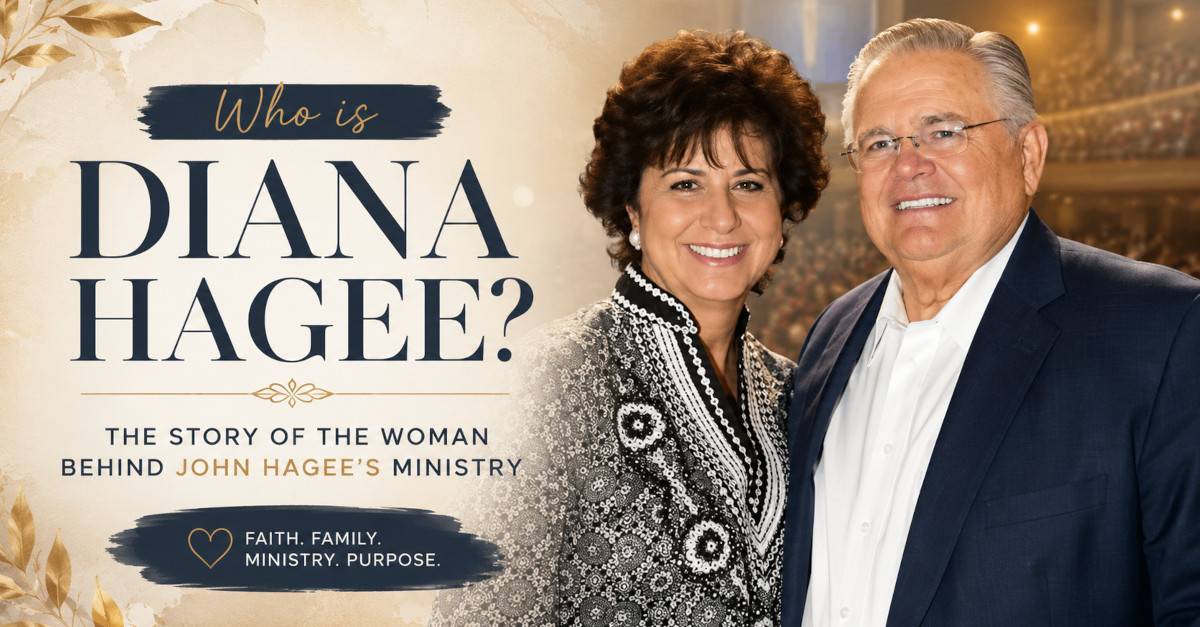
Diana Hagee quickly became an integral component of the ministry's public identity, serving as executive director of John Hagee Ministries, authoring books, and co-hosting television broadcasts alongside her husband.
Expansion into a National Media Ministry
Under the joint leadership of John and Diana Hagee, the Church on Castle Hills experienced rapid growth, necessitating multiple facility expansions throughout the late 1970s and early 1980s:
- 1975: Church on Castle Hills founded in a small worship facility in San Antonio.
- 1978: Construction of a larger sanctuary to accommodate over 1,600 attendees.
- 1987: Dedication of the current sanctuary, renaming the organization Cornerstone Church, a non-denominational charismatic church facility seating over 5,000 worshippers.
- 1990s–Present: Development of Global Evangelism Television (GETV) and the founding of Christians United for Israel (CUFI), expanding the ministry's reach worldwide.
Comparative Timeline of John Hagee's Marriages and Ministry Milestones
To understand how John Hagee's personal history intersects with his organizational development, the following historical timeline details key milestones from 1960 to the present era.
| Timeframe | Personal & Familial Milestones | Organizational & Ministry Status | Primary Location |
|---|---|---|---|
| 1960 | Marries Martha Downing | Enters full-time evangelistic work within Pentecostal networks | San Antonio, TX |
| 1960–1974 | Birth of children Christopher and Tish Hagee | Pastors local congregations; builds regional evangelistic profile | San Antonio, TX |
| Early 1975 | Marital separation and legal divorce from Martha Downing finalized | Resigns as Senior Pastor of Trinity Church | San Antonio, TX |
| Late 1975 | Single; initiates new independent fellowship | Establishes the Church on Castle Hills | San Antonio, TX |
| 1976 | Marries Diana Castro | Expands local congregation and television outreach | San Antonio, TX |
| 1977–1986 | Birth of children Christina, Matthew, and Sandy Hagee | Converts regional broadcasts into national television ministry | San Antonio, TX |
| 1987 | Family resides in San Antonio; Diana Hagee leads women's ministries | Opens 5,000-seat sanctuary; renames facility Cornerstone Church | San Antonio, TX |
| 2006 | Extended family involved in executive oversight | Founds Christians United for Israel (CUFI) | Washington, D.C. / San Antonio, TX |
| 2018–2026 | Matthew Hagee assumes Lead Pastor role; John Hagee remains Senior Pastor | Global broadcasting reaches over 190 countries via GETV | International |
Public Scrutiny and Theological Perspectives on Remarriage
The narrative surrounding John Hagee’s first wife and his subsequent remarriage has been a subject of theological discussion and public commentary for decades. Because Hagee became one of the most visible televangelists in the United States, critics and religious historians have frequently cited his 1975 divorce when analyzing evangelical leadership standards.
Denominational Differences in Handling Ministerial Divorce
The handling of Hagee's divorce highlights broader shifts within American evangelicalism during the late 20th century regarding pastoral divorce and remarriage:
- Traditional Pentecostal Governance: In the mid-1970s, classical Pentecostal denominations maintained strict prohibitions against divorced ministers remaining in active pulpit leadership, often revoking credentials permanently or enforcing mandatory multi-year sabbaticals.
- Independent Charismatic Governance: The rise of non-denominational charismatic churches allowed ministers to establish independent church boards. By founding the Church on Castle Hills as an independent non-denominational entity, Hagee operated outside the direct oversight of traditional denominational credentials.
- Theological Reinterpretation: Over the past several decades, many independent charismatic churches expanded their doctrines to permit divorced and remarried individuals to hold pastoral roles, focusing on restoration, forgiveness, and personal redemption.
Theological frameworks regarding ministerial qualifications vary widely across Christian traditions. While traditionalist bodies emphasize strict lifelong adherence to original marriage vows under 1 Timothy 3:2 ("the husband of one wife"), independent charismatic bodies frequently apply doctrines of grace and pastoral restoration, enabling ministers to continue leadership following a civil divorce.
Media Coverage and Public Records
Throughout the late 1980s and 1990s, as Hagee’s broadcast ministry grew into an international media powerhouse, secular investigative reporters periodically revisited the circumstances of his 1975 resignation from Trinity Church.
Hagee has addressed his past by acknowledging the pain of his divorce while emphasizing that he satisfied all legal, financial, and personal obligations to his former spouse and children. Martha Downing has maintained complete privacy since 1975, refraining from public statements or media interviews regarding her past marriage to Hagee.
Key Facts Summary: John Hagee and Martha Downing
For researchers, church historians, and readers seeking verified factual data regarding John Hagee's first marriage, the core biographical details are summarized below:
- Name of First Wife: Martha Downing
- Year Married: 1960
- Year Divorced: 1975
- Jurisdiction of Divorce: Bexar County, San Antonio, Texas
- Children with Martha Downing: Two (Christopher Hagee, Tish Hagee)
- Ministry Impact: Led to Hagee's resignation from Trinity Church in May 1975
- Subsequent Ministry Formation: Foundation of Church on Castle Hills (1975), which later became Cornerstone Church (1987)
- Second Wife: Diana Castro (Married April 1976)
Frequently Asked Questions
Who was John Hagee's first wife?
John Hagee's first wife was Martha Downing. They were married in 1960 and spent fifteen years together before their divorce was finalized in 1975.
During their marriage, Martha Downing supported Hagee's early evangelistic work and pastorship at Trinity Church in San Antonio. Together they had two children, Christopher and Tish Hagee, before Downing retired permanently from public ministry life following their divorce.
When did John Hagee divorce his first wife?
John Hagee and Martha Downing were divorced in 1975 in San Antonio, Texas.
The divorce prompted Hagee to step down from his position as senior pastor of Trinity Church in May 1975. Later that same year, he established an independent congregation known as the Church on Castle Hills, which eventually expanded into Cornerstone Church.
Did John Hagee have children with Martha Downing?
Yes, John Hagee had two children with Martha Downing: a son named Christopher Hagee and a daughter named Tish Hagee.
Both Christopher and Tish grew up outside the intensive media spotlight that later surrounded Hagee’s televised ministry. Unlike their half-brother Matthew Hagee, who serves as Lead Pastor of Cornerstone Church, Christopher and Tish have chosen private careers outside of church administration.
Why did John Hagee leave Trinity Church in 1975?
John Hagee resigned from Trinity Church in San Antonio in May 1975 due to his pending divorce from Martha Downing.
At the time, denominational and traditional church standards required pastors going through a marital dissolution to vacate their pulpit positions. Following his departure, Hagee started an independent fellowship later that year called the Church on Castle Hills.
Who is John Hagee's current wife?
John Hagee's current wife is Diana Castro Hagee. They were married in April 1976, standardizing a partnership that has lasted for fifty years.
Diana Hagee serves as an executive leader within John Hagee Ministries and Cornerstone Church. Together, John and Diana Hagee have three children: Christina, Matthew, and Sandy, all of whom have participated in various aspects of the ministry’s educational, musical, and pastoral operations.
Preserving Historical Accuracy in Religious Leadership Records
Understanding the history of high-profile religious figures requires distinguishing public broadcast personas from documented personal history. The marriage of John Hagee and Martha Downing represents an important chapter in the formative years of one of America's most recognizable televangelists. While the 1975 divorce altered the trajectory of Hagee's pastoral affiliations in San Antonio, it ultimately led to the establishment of Cornerstone Church and Global Evangelism Television. By reviewing primary public records, ecclesiastical histories, and verified timelines, researchers gain an accurate, objective view of how personal events shaped the organizational structure of contemporary independent ministries.
Image Gallery