Muhammad Ali’s Net Worth in Context: Wealth, Legacy, and Commercial Impact
Evaluating Muhammad Ali’s net worth requires looking beyond simple financial figures to understand how a legendary athlete transformed cultural influence, personal branding, and intellectual property rights into a lasting financial leg...
Evaluating Muhammad Ali’s net worth requires looking beyond simple financial figures to understand how a legendary athlete transformed cultural influence, personal branding, and intellectual property rights into a lasting financial legacy. At the time of his passing in 2016, estimates of Ali’s personal estate generally ranged between $50 million and $80 million, though subsequent business transactions significantly amplified the long-term value of his name and likeness. Contextualizing this wealth involves examining his peak boxing purses, the systemic financial exploitation common in mid-20th-century sports, his post-boxing entrepreneurial ventures, and the monumental 2006 sale of his commercial rights to CKX, Inc.
Contents
To fully grasp the financial footprint of "The Greatest," one must analyze the stark contrast between the multi-million-dollar guarantees of modern combat sports and the modest purses of the Golden Age of heavyweight boxing. Ali earned substantial sums during his athletic career, but taxes, extravagant lifestyle choices, legal battles, and charitable giving meant that his fighting revenue was only the foundation of his wealth. The true expansion of his estate occurred decades after his retirement through strategic corporate partnerships, careful management of his public image, and the institutional preservation of his historical identity.
The Financial Reality of Boxing Purses in the Mid-20th Century
When Muhammad Ali dominated the heavyweight division during the 1960s, 1970s, and early 1980s, the economic structure of professional boxing differed drastically from the pay-per-view era of the 21st century. While Ali was unquestionably the highest-earning athlete of his generation, the gross revenues generated by his bouts were constrained by ticket sales, closed-circuit television distribution, and early broadcast licensing models.
Career Earnings and Historic Bouts
Ali's peak earning years on a per-fight basis occurred during his marquee bouts against rivals like Joe Frazier, George Foreman, and Larry Holmes.
- The Fight of the Century (1971): Ali and Frazier each reportedly guaranteed $2.5 million, an astronomical sum for the era.
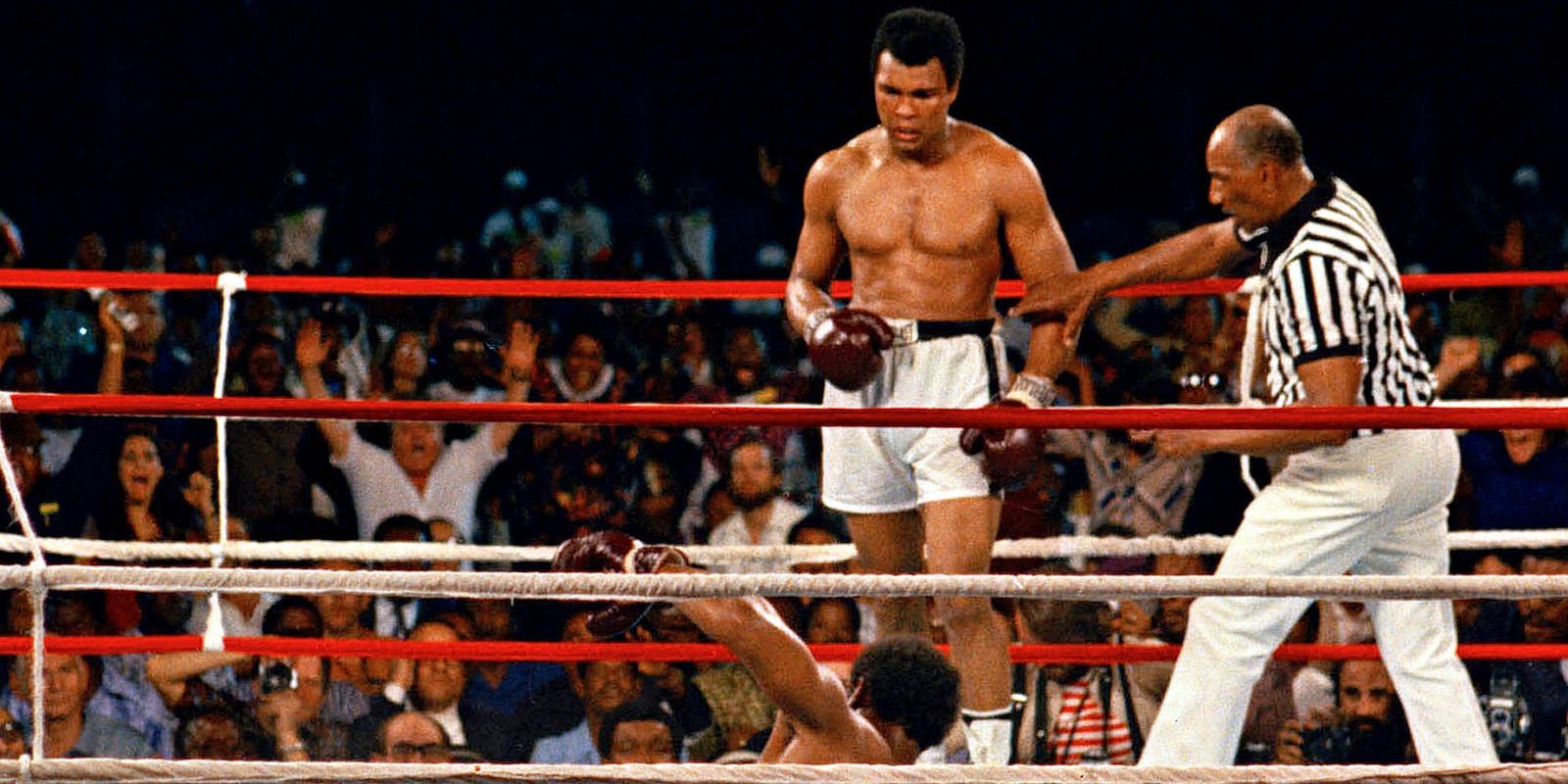
- The Rumble in the Jungle (1974): Ali earned an estimated $5 million for fighting George Foreman in Zaire, promoted by Don King.
- The Thrilla in Manila (1975): Ali secured a guaranteed purse of roughly $6 million against Joe Frazier.
- Later Bouts (Late 1970s/Early 1980s): Fights against Leon Spinks, Ken Norton, and a financially motivated return against Larry Holmes in 1980 yielded multi-million-dollar paydays, with the Holmes fight alone earning him approximately $8 million.
Despite these headline figures, boxing economics imposed heavy deductions. Promoters, training expenses, sparring partners, managers, and high-bracket income taxes consumed a significant portion of every purse. Furthermore, Ali's prolonged legal battles—specifically his three-year exile from the sport due to his refusal to be drafted into the Vietnam War—cost him his athletic prime between 1967 and 1970, depriving him of his most lucrative potential championship years.
| Bout | Year | Estimated Ali Purse (Nominal USD) | Key Opponent |
|---|---|---|---|
| Fight of the Century | 1971 | $2.5 Million | Joe Frazier |
| Super Fight II | 1974 | $6 Million (Total package) | Joe Frazier |
| Rumble in the Jungle | 1974 | $5 Million | George Foreman |
| Thrilla in Manila | 1975 | $6 Million | Joe Frazier |
| Holmes vs. Ali | 1980 | $8 Million | Larry Holmes |
Post-Boxing Entrepreneurship and Early Brand Management
Upon retiring from professional boxing in 1981 following his bout against Trevor Berbick, Ali faced the financial realities common to retired athletes. His health challenges, accelerated by Parkinson's syndrome diagnosed in 1984, required ongoing medical care. However, unlike many contemporaries who faced financial ruin, Ali maintained a steady stream of income through personal appearances, licensing agreements, and commercial endorsements.
During the 1980s and 1990s, the commercial value of sports memorabilia and athlete endorsements expanded rapidly. Ali established GOAT LLC (Grandest of All Time, Inc.) to manage his commercial rights. He lent his name and image to major global brands, including Apple, Adidas, Volkswagen, and Citibank, proving that his cultural relevance transcended the sport of boxing. These endorsement deals provided a stable financial floor, ensuring that his lifestyle and medical expenses were well-covered long after he hung up his gloves.
The 2006 CKX Transaction: Monetizing the Legacy
The definitive turning point in the financial valuation of Muhammad Ali's estate occurred in January 2006. In a landmark business deal, CKX, Inc.—the entertainment company then known for managing the commercial rights of Elvis Presley's estate through Elvis Presley Enterprises—acquired an 80% stake in GOAT LLC for approximately $50 million in cash and stock.
This transaction established a clear market valuation for Ali's name, image, and likeness (NIL) while he was still alive. Retaining a 20% ownership stake, Ali and his family ensured that they would continue to benefit from future commercial exploitation. The deal underscored a vital shift in sports economics: historical athletes could generate ongoing corporate revenue streams comparable to major entertainment franchises. CKX subsequently integrated Ali's intellectual property into global marketing campaigns, digital archives, and official merchandise lines.
Philanthropy, Taxation, and Estate Preservation
Evaluating Ali’s net worth also requires acknowledging his substantial philanthropic commitments. Throughout his post-boxing life, Ali dedicated significant financial resources and time to charitable causes, civil rights organizations, and medical research. He supported the Special Olympics, the United Nations Children's Fund (UNICEF), the Carter Center, and the Muhammad Ali Center in his hometown of Louisville, Kentucky.
While charitable donations reduced his gross taxable income, they reflected a life philosophy that prioritized social impact over pure wealth accumulation. Legal structuring through trusts and corporate entities ensured that upon his death in June 2016, his estate—managed largely by his widow, Lonnie Ali—was preserved efficiently, avoiding the chaotic probate battles that frequently afflict the estates of cultural icons.
Comparing Ali's Wealth to Modern Athletes
To place Muhammad Ali’s net worth in proper historical context, it is necessary to examine how athletic compensation has evolved over the decades.
- 1970s Boxing Era
- Modest Broadcast Deals & High Tax Brackets
- Peak Purses: $5M–$8M per major bout
- Modest Broadcast Deals & High Tax Brackets
- 2000s Media Era
- CKX Acquisition (2006): $50M Valuation for 80% NIL Rights
- Shift from Pure Purse Earnings to Intellectual Property
- CKX Acquisition (2006): $50M Valuation for 80% NIL Rights
- Modern Era (2026)
- Global Billion-Dollar Athlete Valuations (Sponsorships, Equity, Streaming)
While contemporary athletes in soccer, basketball, and modern combat sports routinely secure career earnings exceeding hundreds of millions of dollars—and in some cases, billions—Ali operated in an economic ecosystem where athletes had virtually no leverage over television broadcast rights or merchandise royalties. Modern stars benefit from globalized media markets, digital streaming rights, and direct-to-consumer brand partnerships that simply did not exist during Ali's peak fighting years. Consequently, Ali’s estimated $50 million to $80 million estate at the time of his passing represents a remarkable accumulation of wealth achieved primarily through personal charisma, shrewd late-career business maneuvers, and the foundational monetization of his historical brand.
Frequently Asked Questions
What was Muhammad Ali's net worth when he died?
At the time of his passing in June 2016, Muhammad Ali's net worth was widely estimated to be between $50 million and $80 million. This figure encompassed his accumulated career earnings, real estate holdings, and ongoing residuals from corporate licensing agreements, most notably stemming from the 2006 sale of his intellectual property rights to CKX, Inc.
How much did Muhammad Ali make in his biggest boxing match?
Ali’s highest single-fight guaranteed purse was earned during his 1980 bout against heavyweight champion Larry Holmes, for which he received approximately $8 million. During his peak active years in the 1970s, marquee fights such as the Rumble in the Jungle (1974) and the Thrilla in Manila (1975) yielded guaranteed purses of roughly $5 million to $6 million each.
Who owns the rights to Muhammad Ali's name and likeness?
In 2006, CKX, Inc. acquired an 80% interest in GOAT LLC, the entity holding Ali's name, image, and likeness rights, for roughly $50 million. The Ali family retained a 20% equity stake. Subsequent corporate restructuring transferred these assets through various entertainment holding groups, ensuring continued global commercial management of his brand.
How did Muhammad Ali make money after retiring from boxing?
Following his retirement in 1981, Ali generated substantial income through high-profile corporate endorsements with brands such as Apple, Adidas, and Volkswagen. He also earned revenue from personal appearances, licensed memorabilia, and strategic intellectual property management, transitioning from an active athlete to a globally recognized commercial brand.
Did Muhammad Ali lose most of his money during his career?
Unlike many athletes of his era who faced financial destitution due to poor management or excessive spending, Ali retained a substantial portion of his earnings. While he experienced high taxes, legal expenses, and lavish lifestyle costs during the 1970s, his late-career business acumen and the 2006 sale of his image rights solidified a robust financial foundation for his estate.
Strategic Financial Takeaways for Legacy Management
Analyzing Muhammad Ali's financial history demonstrates that long-term wealth depends less on peak active-earning capacity and more on intellectual property preservation and strategic brand management. Athletes and high-profile figures can secure generational financial stability by treating their personal identity as a corporate asset, securing equity in licensing agreements, and establishing structured legal frameworks for estate preservation.
Image Gallery