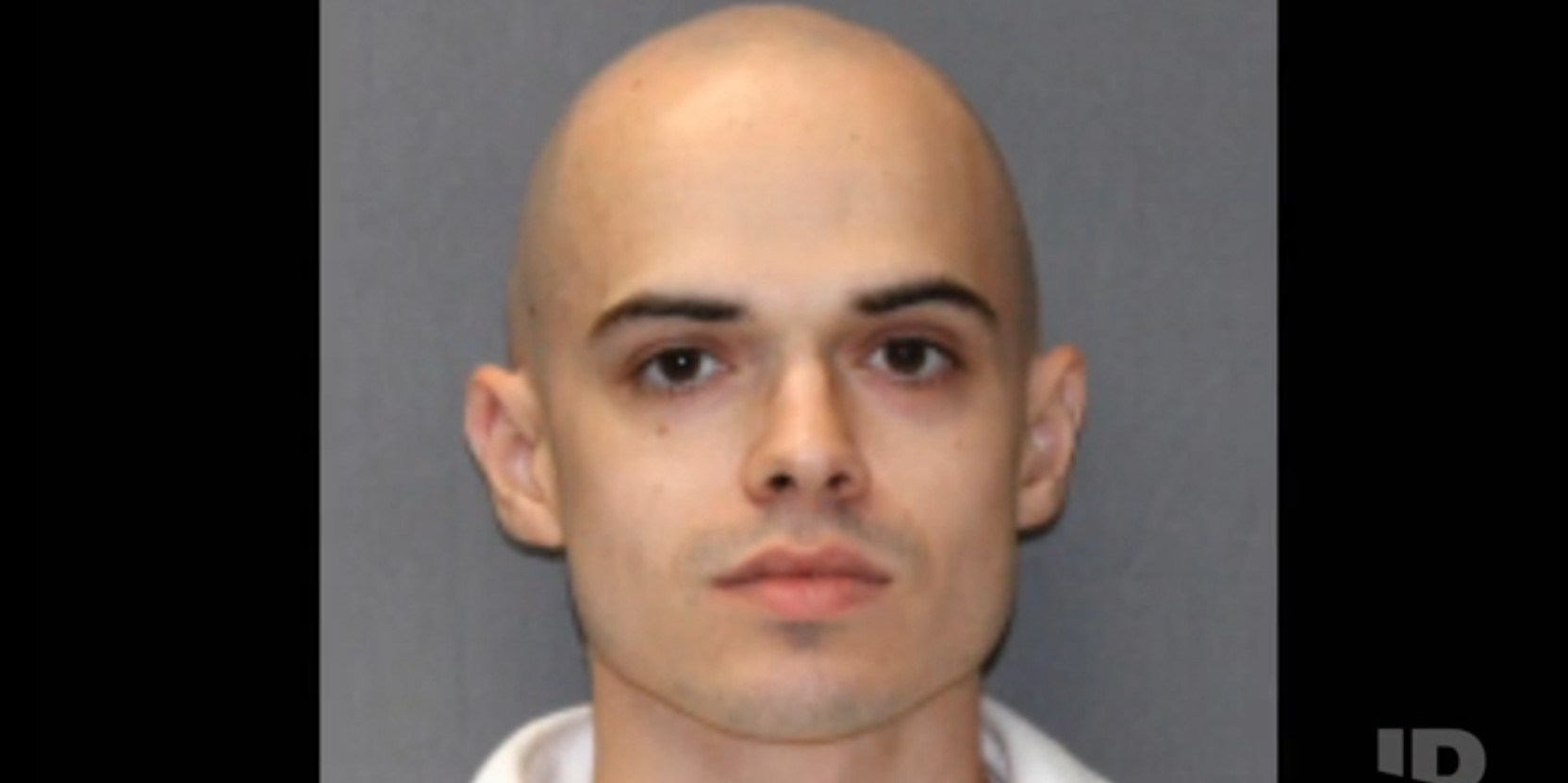
Case Study of Paris Lee Bennett: Psychological Profile, Legal History, and 2026 Status
Paris Lee Bennett is a convicted American murderer who gained international notoriety for the 2007 killing of his four-year-old sister, Charity Bennett, when he was just 13 years old. Classified as a sociopath with a genius-level IQ of...
Paris Lee Bennett is a convicted American murderer who gained international notoriety for the 2007 killing of his four-year-old sister, Charity Bennett, when he was just 13 years old. Classified as a sociopath with a genius-level IQ of 141, Bennett is currently serving a 40-year sentence within the Texas Department of Criminal Justice, with his first parole eligibility date approaching in 2027.
Contents
The case of Paris Lee Bennett remains one of the most chilling and complex entries in the annals of American juvenile crime. Unlike many juvenile offenders whose crimes stem from impulsivity or environmental trauma, Bennett’s actions were characterized by a high degree of calculation and a disturbing lack of empathy. As of 2026, the case continues to serve as a primary reference point for forensic psychologists and legal scholars studying the intersection of high intelligence, antisocial personality disorders, and juvenile justice reform.
The 2007 Charity Bennett Homicide: A Forensic Overview
The events of February 5, 2007, in Abilene, Texas, fundamentally altered the landscape of juvenile sentencing in the state. Paris Bennett, then 13, convinced his mother’s babysitter to go home early, claiming he would watch his younger sister, Charity. Once alone, Paris proceeded to beat, choke, and repeatedly stab the four-year-old girl.
What followed the murder was perhaps more shocking to investigators than the act itself. After the killing, Paris did not flee. Instead, he called a friend and chatted for several minutes before finally calling 911. During the emergency call and subsequent police interviews, Bennett displayed a level of calm and articulation that was described by authorities as "predatory" and "disturbingly mature."
Premeditation and Motive
Analysis of the case files reveals that the attack was not a "crime of passion" or a momentary loss of control. Bennett later admitted in various interviews, including the 2017 documentary "The Family I Had," that the murder was a calculated strike against his mother, Charity Lee. By killing the person she loved most—his sister—he intended to destroy his mother's life while ensuring he remained alive to witness her suffering. This level of transactional malice is a hallmark of the psychological profile later assigned to him.
Psychological Analysis: The High-IQ Sociopath
Paris Bennett’s case is a rare intersection of extreme youth, high intellectual capability, and a diagnosis of sociopathy. While the Diagnostic and Statistical Manual of Mental Disorders (DSM-5-TR) typically reserves the diagnosis of Antisocial Personality Disorder (ASPD) for individuals 18 and older, Bennett's behavior and subsequent clinical evaluations have consistently pointed to these traits.
The "Mask of Sanity" and Intellectual Superiority
With an IQ of 141, Bennett falls into the top 0.5% of the population. In forensic settings, this high intelligence allows for a more sophisticated "mask of sanity." Bennett is known for his extensive vocabulary, his ability to mirror appropriate emotional responses when it suits his goals, and his strategic use of charm.
Clinicians who have evaluated Bennett note several key psychological markers:
- Total Lack of Remorse: Bennett has expressed regret, but frequently characterizes it in terms of how the crime affected his own life and freedom rather than the loss of his sister’s life.
- Narcissistic Grandiosity: He often views himself as intellectually superior to his peers, prison staff, and even the psychologists tasked with evaluating him.
- Manipulative Capability: His interactions are often described as a "game" where he attempts to gain the upper hand over the interviewer.
Sociopathy vs. Psychopathy in the Bennett Case
In 2026, the distinction remains vital for his upcoming parole evaluations. While the terms are often used interchangeably, Bennett’s profile leans toward the "primary psychopath" or "high-functioning sociopath" spectrum. Unlike "secondary" sociopaths who act out of rage or trauma, Bennett’s actions were "cold," showing a baseline of low autonomic arousal even during the commission of a violent act.
Legal Proceedings and Texas Juvenile Sentencing
In 2007, the legal system faced a dilemma. Under Texas law at the time, a 13-year-old could not be tried as an adult for capital murder in a way that would allow for life without parole or the death penalty. Consequently, Paris Bennett received the maximum possible sentence for a juvenile in the state of Texas: 40 years.
The "3g" Offense Classification
Under the Texas Code of Criminal Procedure, murder is classified as a "3g" offense (now referred to under Section 42A.054). This classification has significant implications for parole:
- Mandatory Minimums: Offenders must serve at least one-half of their sentence or 30 calendar years (whichever is less) before becoming eligible for parole.
- Good Conduct Time: For 3g offenses, "good time" earned in prison does not count toward parole eligibility, though it may influence the parole board's eventual decision.
For Bennett, this means that of his 40-year sentence, he is required to serve 20 years of "flat time." Having been incarcerated since 2007, his first window for a parole hearing opens in 2027.
Comparative Case Data: Juvenile Sentencing Benchmarks
The following table outlines the specifics of the Paris Bennett case compared to standard Texas sentencing guidelines for similar juvenile crimes as of 2026.
| Category | Paris Lee Bennett Case Details | Standard Texas Juvenile Maximums |
|---|---|---|
| Primary Charge | Capital Murder (Amended to Murder) | Capital Murder |
| Sentence Length | 40 Years (Determinate Sentence) | 40 Years (Determinate) |
| Age at Offense | 13 Years Old | 10–16 (Juvenile Jurisdiction) |
| Parole Eligibility | 20 Years (50% of Sentence) | 50% for 3g Offenses |
| First Eligibility Year | 2027 | Varies by Start Date |
| Current Facility (2026) | TDCJ Ferguson Unit (High Security) | Various High-Security Units |
| IQ Score | 141 (Genius Level) | 90–110 (Average Range) |
Life Inside the Texas Department of Criminal Justice (2026 Status)
As of 2026, Paris Bennett remains incarcerated within the Texas Department of Criminal Justice (TDCJ). His transition from the juvenile system to the adult system occurred when he reached the age of majority.
Institutional Behavior and Education
During his nearly two decades of incarceration, Bennett has been a "model prisoner" in the technical sense. He has avoided the violent infractions common in high-security facilities, largely because he understands that a clean record is the only path to potential release. He has utilized his time to pursue higher education, reportedly engaging in advanced correspondence courses and serving as a tutor for other inmates.
However, prison authorities and psychiatric experts warn that "good behavior" in a sociopathic individual is often a tactical choice rather than a sign of genuine rehabilitation. In the controlled environment of a prison, where rules are clear and consequences are immediate, a high-IQ sociopath can thrive by manipulating the system to their advantage.
The Role of Charity Lee (The Mother)
One of the most profound aspects of this case is the role of Bennett's mother, Charity Lee. Despite the horrific nature of his crime, she has maintained a relationship with him, visiting him and speaking with him regularly. Her journey—navigating the grief of losing a daughter while still loving the son who killed her—has been a subject of intense psychological study regarding "complicated grief" and maternal bond resilience. In 2026, she remains a vocal advocate for victim rights and mental health awareness through her work with the EMN (Ella Foundation).
Media Influence and "The Family I Had"
The 2017 documentary The Family I Had brought Bennett’s case back into the public eye. The film provided a platform for Bennett to speak, showcasing his articulate nature and his chillingly detached perspective on the murder.
Expert Insight: The Danger of the Articulate Offender
Forensic psychologists caution that individuals like Paris Bennett can be "dangerously persuasive." Their ability to rationalize their actions using psychological terminology and calm logic can lead the public—and sometimes even inexperienced parole board members—to believe they are fully rehabilitated. The "Paris Bennett effect" refers to the cognitive dissonance experienced when a violent offender does not "look" or "sound" like a monster.
Ethical and Legal Challenges for 2027 and Beyond
As Bennett’s 2027 parole date approaches, the Texas Board of Pardons and Paroles faces a significant ethical challenge. The central question is: Can a diagnosed sociopath ever be truly rehabilitated?
Arguments Against Parole
- Recidivism Risk: Static risk factors, such as the age at first offense and the nature of the crime (intrafamilial homicide), suggest a high risk of future violence.
- Psychological Stability: If the sociopathy is innate—rooted in neurobiological deficits in the amygdala and prefrontal cortex—no amount of "talk therapy" can "cure" the lack of empathy.
- Public Safety: The predatory nature of his crime suggests that if he were to feel slighted or vengeful again, his intellectual capacity would make him a sophisticated threat.
Arguments For Parole
- Juvenile Brain Development: Advocates for juvenile justice reform argue that the brain is not fully developed at 13, and individuals should be judged on who they are 20 years later.
- Institutional Record: Proponents of his release point to his nearly 20 years of non-violent, productive behavior within the TDCJ.
- Maximum Sentence Limitations: Since his sentence was capped at 40 years, he will eventually be released regardless of parole (his "max out" date). The parole board may prefer a supervised release with strict conditions over a flat-time discharge without supervision.
Summary of Findings
The case of Paris Lee Bennett is a definitive study in forensic psychology. It challenges the "rehabilitation" model of the juvenile justice system by presenting an offender who possesses the intellectual tools to mimic change without necessarily experiencing it. As we move through 2026 and toward his first parole hearing, the legal and psychological communities will be watching closely to see how the state of Texas balances the concepts of mercy for a former juvenile and the protection of the public from a high-functioning sociopathic mind.
Frequently Asked Questions
Is Paris Lee Bennett still in prison in 2026?
Yes, Paris Lee Bennett is currently incarcerated in the Texas Department of Criminal Justice. He is serving a 40-year sentence for the 2007 murder of his sister, Charity Bennett.
When is Paris Lee Bennett eligible for parole?
Paris Bennett becomes eligible for his first parole review in 2027. This date is determined by Texas law requiring 3g offenders to serve 50% of their sentence (20 years of a 40-year sentence) before eligibility.
What is Paris Bennett's IQ?
Paris Bennett has been professionally tested and has an IQ of 141. This classifies him as being in the "genius" range, which is significantly higher than the average population and most other offenders.
Does his mother still visit him?
Yes, his mother, Charity Lee, has maintained contact with him throughout his incarceration. Her experience has been the subject of several documentaries and is a core component of her advocacy work for families affected by violence.
What was Paris Bennett's diagnosis?
While he was too young for a formal Antisocial Personality Disorder (ASPD) diagnosis at the time of the crime, he has since been consistently described by clinicians as a sociopath or psychopath, characterized by a lack of empathy and a high degree of manipulative behavior.
Where is Paris Bennett located in 2026?
He is typically housed in high-security facilities within the Texas Department of Criminal Justice (TDCJ) system, such as the Ferguson Unit, which is known for housing younger, high-risk offenders and offering various educational programs.
If you are a legal professional, psychology student, or true crime researcher looking for further primary source documents on Texas juvenile sentencing or antisocial personality disorders, ensure you consult the Texas Department of Criminal Justice public records and peer-reviewed journals in forensic psychiatry for the most accurate and up-to-date case analyses.
Image Gallery