How a Company in Japan Operates: Systems, Culture, and 2026 Business Standards
A company in Japan operates through a distinctive blend of rigorous legal frameworks, consensus-based decision-making models like ringi, and a cultural emphasis on long-term stability over short-term profit. While traditional practices...
A company in Japan operates through a distinctive blend of rigorous legal frameworks, consensus-based decision-making models like ringi, and a cultural emphasis on long-term stability over short-term profit. While traditional practices like seniority-based pay remain, 2026 standards prioritize digital transformation (DX) and flexible labor structures to combat a chronic national labor shortage.
Contents
Operating a business in Japan requires navigating a landscape where "how" things are done is often as important as "what" is achieved. This guide explores the structural, cultural, and operational pillars that define the Japanese corporate entity—the Kaisha.
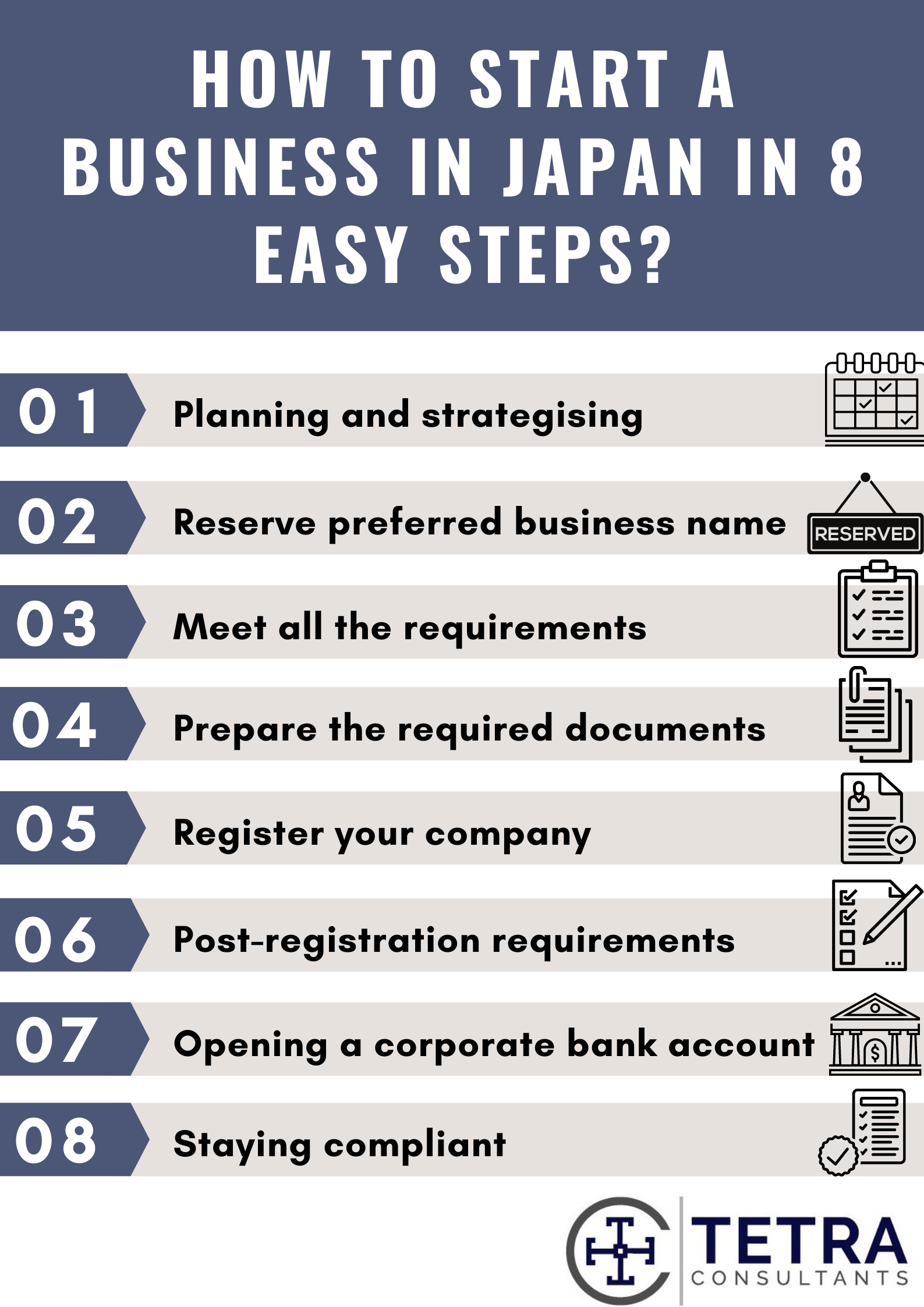
The Legal Framework: Establishing a Presence in Japan
Before understanding the daily operations, one must understand the legal vehicles through which companies function. In 2026, the Japanese government, through the Ministry of Justice, continues to streamline the registration process, yet the fundamental choices for business structures remain consistent.
Kabushiki Kaisha (KK) vs. Godo Kaisha (GK)
The Kabushiki Kaisha (KK) is the most prestigious and common form of a joint-stock corporation. It is the preferred choice for companies planning to go public or those seeking high-level credibility with traditional Japanese banks and partners. A KK separates ownership and management, requiring a Board of Directors in larger iterations, though a "Close Corporation" model allows for a single director.
The Godo Kaisha (GK), introduced to mirror the American Limited Liability Company (LLC), has gained significant traction by 2026, especially among foreign tech firms and smaller enterprises. The primary operational difference lies in its flexibility; in a GK, the investors are the managers, and the articles of incorporation can be customized more freely than those of a KK.
Registration and Compliance
Operational readiness begins with the Teikan (Articles of Incorporation). In 2026, most filings are processed through the "Digital Agency" portal, significantly reducing the reliance on physical paper. However, the requirement for a physical office address remains a cornerstone of Japanese operations to ensure tax and legal accountability. Every company must also appoint at least one individual who is a resident of Japan (though not necessarily a citizen) to facilitate administrative stability, although rules for 100% foreign-owned entities have become increasingly flexible.
The Consensus-Driven Decision-Making Model
The most striking difference for those accustomed to Western top-down management is the Japanese commitment to consensus, known as Ringi.
The Ringi System
The Ringi system is a bottom-up decision-making process. When a proposal is made, a document called a ringi-sho is circulated among all relevant departments. Each stakeholder reviews the document and applies their seal (increasingly a digital e-hanko in 2026) to signify approval. While this process appears slow, it serves a critical operational purpose: by the time a project is officially approved, every department has already prepared for its implementation. This eliminates the "friction" often found in Western companies during the execution phase.
Nemawashi: The Art of Informal Consultation
Parallel to the formal Ringi is Nemawashi. Literally meaning "quietly preparing the roots for transplanting," this involves informal 1-on-1 meetings to gain support for an idea before the formal proposal is submitted. Operating effectively in Japan requires mastering this sub-surface communication. If a manager waits until a formal meeting to present a new idea, they risk public rejection, which is avoided at all costs in Japanese corporate culture to preserve wa (harmony).
Human Resources and the 2026 Labor Market
By 2026, the "lifetime employment" model has shifted from a guaranteed reality to a cultural ideal. However, the mechanics of Japanese labor law still heavily favor the employee, making "at-will" termination virtually non-existent.
The Seniority System (Nenko Joryu)
Historically, pay and promotion were tied strictly to tenure. While 2026 sees more "performance-based" (Seikashugi) models in the tech and startup sectors, traditional manufacturing and trading houses still lean on seniority. Operating a company requires balancing these two: rewarding high-performing younger talent without alienating the senior staff who hold the institutional knowledge and "client relationships."
Work-Style Reform (Hatarakikata Kaikaku)
Operational hours in Japan have undergone a state-mandated shift. The "Work-Style Reform" laws, fully matured by 2026, place strict caps on overtime. Companies now operate with rigorous time-tracking software. Failure to comply can lead to public "naming and shaming" by the Ministry of Health, Labour and Welfare. Consequently, many companies have adopted "No Overtime Days" and mandatory "Interval Hours" between shifts to ensure employee well-being and legal compliance.
Communication Norms: Horenso and Beyond
Internal operations are governed by the Horenso rule, an acronym for:
- Hokuoku (Report): Subordinates must report the progress of tasks frequently, even if there is no change.
- Renraku (Contact): Informing all relevant parties of facts or scheduling changes without delay.
- Sodan (Consult): Seeking advice from superiors before making even minor decisions.
In a 2026 Japanese company, Horenso is often facilitated by platforms like Slack or Line Works, but the expectation of constant status updates remains. This reduces the autonomy of individual contributors compared to Western counterparts but ensures high levels of organizational alignment.
External Relations and Business Etiquette
Operating a company in Japan means participating in a complex web of social obligations. The relationship with vendors, clients, and banks is often viewed as a long-term partnership rather than a series of transactional contracts.
| Feature | Description | Importance in 2026 |
|---|---|---|
| Meishi (Business Cards) | The exchange of cards is a formal ritual to establish hierarchy. | Still vital for first meetings; digital cards are supplements, not replacements. |
| Keiretsu (Groups) | Informal business groups (e.g., Mitsubishi, Sumitomo) that prefer internal trading. | Less rigid than 1990, but "preferred partner" status is still based on these ties. |
| Main Bank System | A close relationship with a single primary lender who provides both capital and oversight. | Crucial for traditional industries; startups rely more on VC and J-Venture debt. |
| Oseibo/Ochugen | Seasonal gift-giving to clients and partners. | Moving toward "sustainable" and digital gifting, but the gesture remains essential for rapport. |
Financial and Tax Operations
Japanese companies operate on a strict fiscal calendar, typically running from April 1st to March 31st.
- Consumption Tax: Currently stable at 10%, with a complex "Invoice System" implemented in the mid-2020s that requires meticulous record-keeping of tax IDs for all vendors to claim input tax credits.
- Corporate Tax: Total effective tax rates hover around 30% when including local inhabitant and enterprise taxes.
- Audit and Compliance: Companies above certain capital thresholds (500 million yen or more in liabilities) must undergo rigorous external audits. Even for smaller companies, the National Tax Agency (NTA) is known for its detailed "field audits" every few years.
The Role of Digital Transformation (DX) in 2026
In 2026, the "analog Japan" stereotype is fading. The "Hanko" (physical name stamp) has been largely replaced in B2B transactions by cloud-based signatures like CloudSign or DocuSign, following the 2021-2024 government push. However, many administrative processes with local municipalities still require physical presence or specific Japanese-developed software.
Operating a company now involves significant investment in DX. Companies that fail to digitize their legacy systems struggle to recruit younger talent, who are increasingly unwilling to work in "black companies" (exploitative firms) that rely on outdated, manual processes and excessive overtime.
Frequently Asked Questions
Do I need a Japanese partner to start or operate a company?
No, you do not legally require a Japanese partner or director as of 2026. However, having a local representative or a bilingual administrative manager is practically necessary to navigate banking, social insurance filings, and lease agreements, which are almost exclusively conducted in Japanese.
How does the "Main Bank" system affect daily operations?
The Main Bank is more than just a lender; they often act as a financial advisor. In times of crisis, the Main Bank is expected to step in with support, but in exchange, they expect high levels of transparency and occasionally a seat on the board or an "observer" status during major financial decisions.
What is a "Black Company" (Burakku Kigyo)?
This is a derogatory term used in Japan for companies that operate with poor working conditions, such as unpaid overtime, power harassment, and high turnover. Japanese labor authorities in 2026 are very aggressive in monitoring these firms, and being labeled as such can make it impossible to hire new graduates.
Is remote work common in Japanese companies now?
Since 2024, a "hybrid" model has become the standard for office-based roles in major cities like Tokyo and Osaka. While some traditional firms have reverted to full-time office work to maintain "corporate culture," the 2026 labor shortage has forced most companies to offer at least two days of remote work to remain competitive in the talent market.
How long does it take to get a business bank account?
This is often the biggest hurdle in operating a new company. Due to strict Anti-Money Laundering (AML) laws in 2026, opening a corporate account can take 4 to 8 weeks. Banks will scrutinize the "Teikan" and may even conduct a physical visit to your office to ensure the business is legitimate.
Practical Recommendations for Operating in Japan
To succeed in the Japanese market, businesses should prioritize the following actions:
- Invest in a bilingual "Gyoseishoshi" (Administrative Scrivener): These professionals are essential for handling the complex filings for visas, licenses, and corporate registrations.
- Respect the "Sempai-Kohai" Hierarchy: Even in modern offices, acknowledging the seniority of staff and clients is vital for maintaining professional harmony.
- Prioritize Quality Control (Monozukuri): Whether you are in manufacturing or SaaS, the Japanese market has the world's highest expectations for "perfection." A small bug or a minor defect can lead to a total loss of trust with a client.
- Adopt the "Long-Term" Narrative: When pitching to partners or hiring staff, emphasize the stability and longevity of your company. Short-term "exit strategies" are often viewed with skepticism by traditional Japanese stakeholders.
Image Gallery