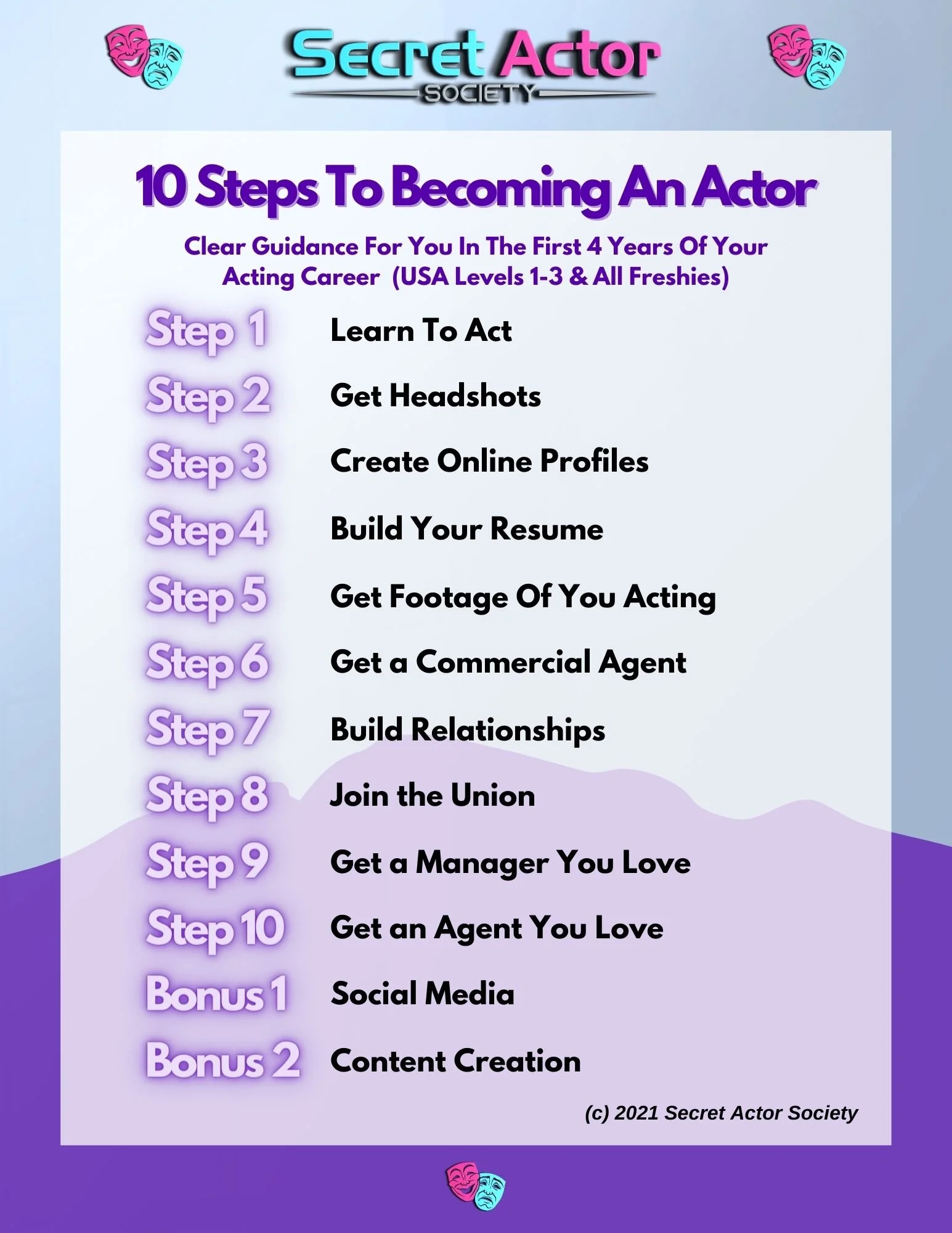
The Complete Guide to Education and Training Requirements for Aspiring Actresses in 2026
To become a professional actress, there is no single mandatory degree or license required by law. However, most successful performers possess a foundation in formal training, such as a Bachelor of Fine Arts (BFA) in Acting or certifica...
To become a professional actress, there is no single mandatory degree or license required by law. However, most successful performers possess a foundation in formal training, such as a Bachelor of Fine Arts (BFA) in Acting or certificates from specialized conservatories. Education focuses on mastering various acting techniques, vocal control, physical movement, and the business of the entertainment industry.
Contents
The Foundation of Acting Education: Formal Degrees
In 2026, the debate between academic education and practical conservatory training remains relevant for those entering the performing arts. While you can technically start auditioning without a degree, formal education provides a structured environment to fail, learn, and build a professional network that is difficult to replicate independently.
Bachelor of Fine Arts (BFA) in Acting or Drama
A BFA is a professional degree that prioritizes studio work over general academics. In a typical BFA program, approximately 70% to 80% of the coursework is focused directly on performance. Students spend their days in "acting blocks," which include scene study, voice and speech, movement, and theater history.
The primary advantage of a BFA program is the intensive, immersive nature of the training. These programs often culminate in a "Senior Showcase," where students perform for industry agents and casting directors in major hubs like New York, Los Angeles, or London. This direct bridge to the industry is one of the most significant benefits of formal university education.
Bachelor of Arts (BA) in Theater
A BA degree offers a broader liberal arts education. While it includes acting classes, it also requires a significant amount of study in other subjects like literature, history, and science. This path is often preferred by individuals who want a well-rounded education or those who may want to pursue directing, writing, or teaching alongside their acting careers. A BA provides the flexibility to double-major, which can be a strategic move in an industry known for its economic unpredictability.
Graduate Studies: The Master of Fine Arts (MFA)
For those who already hold an undergraduate degree, an MFA in Acting is the terminal degree in the field. MFA programs are highly competitive and are designed for actors looking to refine their craft to an elite level. Many MFA programs, such as those at the Yale School of Drama or Juilliard, are tuition-free or heavily subsidized, recognizing the immense talent required for admission. An MFA also qualifies an actress to teach at the university level, providing a secondary career path.
Conservatory Programs and Specialized Acting Studios
If a four-year university degree is not the right fit, many actresses turn to conservatories or specialized studios. These institutions focus exclusively on the craft of acting, often stripping away academic requirements to provide a concentrated, multi-year curriculum.
The Conservatory Model
Conservatories like the American Academy of Dramatic Arts (AADA) or the Royal Academy of Dramatic Art (RADA) offer two-to-three-year programs. These are designed to be "trade schools" for actors. The pace is rigorous, often requiring 40 or more hours of studio time per week. This path is ideal for those who are certain about their career goals and wish to enter the professional world faster than a traditional degree allows.
Specialized Acting Studios
Many of the world's most famous actresses trained at independent studios that specialize in a specific methodology. These studios allow for more flexible scheduling, making them accessible to those who are already working or living in major production hubs. Notable methods taught at these studios include:
- The Meisner Technique: Focused on "living truthfully under imaginary circumstances" through repetition and emotional response to partners.
- The Stanislavski System: The foundation of modern acting, emphasizing the "inner life" and the use of an actor's personal experiences to fuel a character.
- The Adler Technique: Developed by Stella Adler, this method emphasizes the use of imagination over personal memory to create a character’s world.
- The Strasberg Method: Commonly known as "The Method," focusing on emotional memory and sensory recall.
Essential Skills Taught in Acting Education
Regardless of the educational path chosen, a comprehensive acting education in 2026 covers several core pillars. Understanding these disciplines is essential for anyone serious about a long-term career.
Voice and Speech Training
An actress must be able to project her voice without straining it and master various accents and dialects. Education in this area typically includes the study of the International Phonetic Alphabet (IPA), which allows an actor to break down any sound or accent systematically. Vocal training also focuses on breath support, resonance, and articulation, ensuring the actor can be heard in a 500-seat theater or maintain intimacy on a film set.
Movement and Physicality
Acting is a physical discipline. Students often take classes in the Alexander Technique, which focuses on posture and releasing physical tension, or Laban Movement Analysis, which helps actors explore different ways of moving through space. Many programs also include stage combat (both armed and unarmed) and dance, as physical versatility is a major asset during the casting process.
Script Analysis
One of the most academic portions of an acting education is script analysis. This involves learning how to read a play or screenplay to identify "beats," objectives, obstacles, and tactics. An actress must be able to determine what her character wants in every scene and what they are willing to do to get it. Without strong analysis skills, a performance can feel aimless or disconnected from the narrative.
The "Business of Acting" Curriculum
In 2026, talent alone is rarely enough. Modern acting education now heavily emphasizes the entrepreneurial side of the industry. Many programs include modules on self-marketing, branding, and the logistics of a freelance career.
Self-Taping and Digital Auditions
The majority of first-round auditions are now conducted via "self-tapes" rather than in-person meetings. Education must include the technical skills of lighting, framing, and sound for home auditions. Understanding how to use platforms like Actors Access or Casting Networks is a prerequisite for contemporary professional work.
Financial Literacy and Legal Basics
Actresses are essentially small business owners. Education in 2026 often covers the basics of entertainment law, including how to read a standard SAG-AFTRA contract, the role of talent agents versus managers, and how to manage irregular income and taxes. Understanding the role of the Screen Actors Guild (SAG-AFTRA) is vital for navigating professional sets and ensuring fair compensation and safety.
Comparing Educational Paths for Actresses
The following table compares the most common educational routes to help you determine which aligns with your career goals and resources.
| Educational Path | Duration | Primary Focus | Ideal For | Pros | Cons |
|---|---|---|---|---|---|
| BFA Degree | 4 Years | Intensive performance training | High school graduates seeking a career | High industry recognition, networking | Very expensive, time-consuming |
| BA Degree | 4 Years | Broad academics + performance | Those wanting a backup career | Flexibility to double-major | Less time spent on craft |
| Conservatory | 2-3 Years | Practical "Trade" skills | Focused, career-oriented individuals | Faster entry into the market | No academic degree awarded |
| Studio Classes | Ongoing | Specific techniques | Working actors or those on a budget | Affordable, flexible, specialized | No institutional network or degree |
| MFA Degree | 2-3 Years | Elite-level mastery | Professionals or those wanting to teach | Highest level of training, prestige | Extremely competitive entry |
Informal Education: The Power of Experience
While classrooms provide a safe space to learn, some of the most valuable education happens on a live set or stage. Many actresses supplement their formal training with "on-the-job" learning.
- Community Theater: This is often where many begin. It teaches the basics of rehearsals, blocking, and the discipline of a performance schedule.
- Student Films: Working with film students at local universities allows an actress to gain experience with on-camera work and build a "demo reel" (a video compilation of her best work) without the high stakes of a professional production.
- Background Work: Also known as being an "extra," this provides a unique opportunity to observe how a professional film set operates—from the role of the Director of Photography to the importance of "continuity."
Frequently Asked Questions
Do I need a degree to join an acting union like SAG-AFTRA?
No, a degree is not a requirement for union membership. Eligibility is based on working in a union-covered production and paying the initiation fees. However, the training gained during a degree program often helps an actress land the roles necessary to become union-eligible.
Can I become an actress if I start later in life?
Yes. Unlike many other professions, there is no age limit for becoming an actress because scripts require characters of all ages. However, the "education" for older actors often shifts toward specialized studios and workshops rather than four-year university degrees.
How much does acting education cost?
The cost varies wildly. A BFA from a private university can exceed $50,000 per year, while weekly studio classes in major cities may cost $200–$500 per month. Many actors choose to "pay as they go" by taking individual classes while working part-time jobs.
Is it better to study in New York or Los Angeles?
Both cities offer world-class education. New York is generally considered the center for theater and classical training, while Los Angeles is the hub for film and television. Many actors choose their school based on the medium they are most interested in pursuing.
What is a "showcase," and why is it important in education?
A showcase is a performance organized by a school at the end of a program specifically for industry professionals. It is the primary way students get signed by agents or managers immediately after graduation, making it a critical component of a program's value.
Do I need to learn how to sing or dance to be an actress?
While not strictly required for "straight" acting (non-musical plays and films), having "musical theater" skills makes an actress more versatile and employable. Even a basic ability to move and carry a tune can open up more audition opportunities.
Practical Recommendation for 2026
If you are just starting your journey in 2026, begin by taking a local acting class or joining a community theater production to ensure you enjoy the process of rehearsal and performance. If you decide to pursue this professionally, aim for a balanced approach: seek out a program (whether a degree or conservatory) that offers a combination of classical technique and modern "business of acting" training.
In today's market, your digital presence and self-taping skills are just as important as your ability to perform Shakespeare. Prioritize schools that offer a high-quality showcase and have a strong alumni network, as these connections will be your most valuable asset once your formal education is complete.
Image Gallery