Comprehensive Guide to Modular Conveyor Belts: Engineering, Selection, and Maintenance
Modular conveyor belts are advanced conveyance systems constructed from interlocking plastic segments—modules—held together by transverse hinge pins. Driven by sprockets rather than friction, these belts eliminate tracking issues and p...
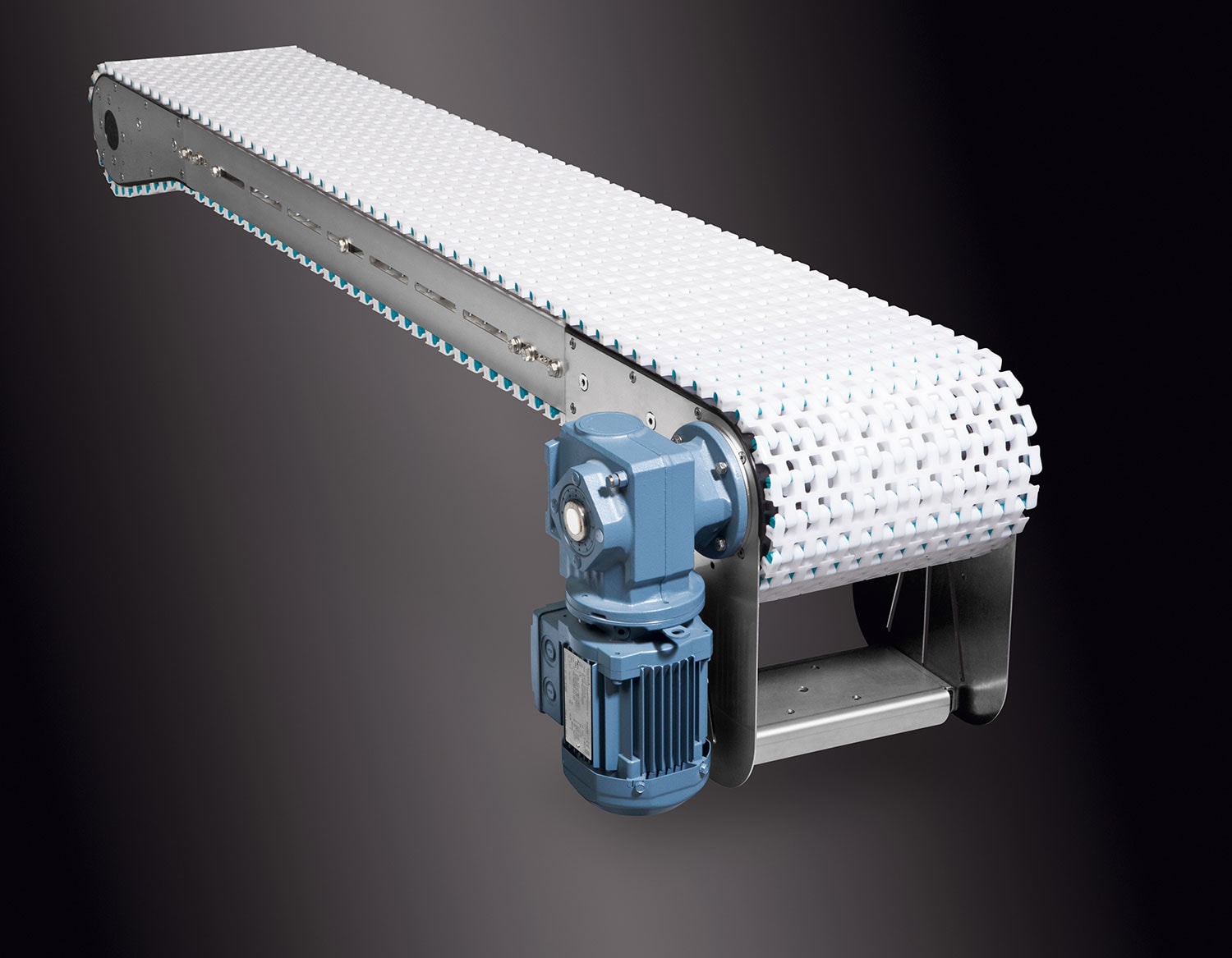
Modular conveyor belts are advanced conveyance systems constructed from interlocking plastic segments—modules—held together by transverse hinge pins. Driven by sprockets rather than friction, these belts eliminate tracking issues and provide superior durability, ease of repair, and hygienic properties compared to traditional fabric or rubber belts.
Contents
As of 2026, modular conveyor belts have become the standard in industries ranging from food processing and pharmaceuticals to automotive manufacturing and high-speed logistics. Their design addresses the fundamental limitations of monolithic or fabric belts, specifically regarding belt slippage, hygiene maintenance, and the high cost of downtime. By utilizing high-performance polymers and a positive-drive mechanism, modular belts allow for precise product movement and long-term operational efficiency.
The Architecture of Modular Conveyor Belting
To understand why modular belts excel in heavy-duty and sensitive environments, one must look at their three primary components: the modules, the hinge pins, and the sprockets.
Interlocking Modules
The modules are typically injection-molded from engineering-grade plastics. They are designed with "bricks" or "links" that interlace with the adjacent row. This brick-lay pattern provides the belt with inherent lateral strength and allows for various surface configurations. Depending on the application, these surfaces can be Flat Top (for product stability), Flush Grid (for drainage or airflow), or Friction Top (for incline or decline transport).
Hinge Pins
Hinge pins, also known as rods, serve as the axle for each link. They are critical for the belt's tensile strength and flexibility. In 2026, manufacturers increasingly use composite materials for pins to minimize "pin-wear" and elongation, a common issue in high-tension applications. Modern pin-locking systems, such as headless pins or snap-fit end caps, allow for tool-less belt assembly and disassembly, significantly reducing maintenance time.
Positive Drive Sprockets
Unlike flat belts that rely on friction against a drum, modular belts are driven by sprockets that engage with the underside of the modules. This positive drive system ensures that the belt cannot slip, even when subjected to heavy loads, high speeds, or wet conditions. It also eliminates the need for high-tension "take-up" systems, which reduces the load on bearings and motors, extending the overall life of the conveyor hardware.
Material Science: Choosing the Right Polymer
The performance of a modular conveyor belt is largely dictated by its material composition. Selecting the wrong polymer can lead to premature belt failure, chemical degradation, or product contamination.
Polypropylene (PP)
Polypropylene remains the most common material for general-purpose modular belts. It offers excellent chemical resistance to many acids, bases, and salts. It is also more affordable than higher-performance plastics. However, PP becomes brittle at low temperatures and has a relatively low impact resistance, making it unsuitable for freezer applications or heavy-impact loading zones.
Polyethylene (PE)
Polyethylene is the material of choice for low-temperature environments, such as blast freezers or refrigerated storage. It remains flexible and impact-resistant down to -70°C (-94°F). While it is highly resistant to chemicals and is food-safe, it has lower tensile strength and a lower melting point than Polypropylene or Acetal.
Acetal (POM)
Acetal is a high-strength engineering plastic with a very low coefficient of friction. It is ideal for heavy-load applications and environments where low-friction accumulation (where the belt continues to move under stationary products) is required. Acetal is significantly stronger than PP or PE, but it is more sensitive to certain chemicals, particularly strong oxidizing agents or concentrated acids.
Specialized Materials for 2026
In 2026, specialized materials have gained traction to meet specific industrial demands:
- Flame Retardant Materials: Required in many warehousing and automotive assembly lines to meet safety regulations.
- Antistatic/ESD Plastics: Essential for the electronics industry to prevent static discharge from damaging sensitive components.
- Metal-Detectable/X-Ray Visible Plastics: Critical in food processing to ensure that any broken belt pieces can be identified by inspection systems before reaching the consumer.
Key Advantages Over Traditional Belting Systems
Switching to modular systems represents a significant capital investment, but the long-term Return on Investment (ROI) is driven by several operational advantages.
1. Simplified Maintenance and Repair
When a fabric belt is damaged, the entire belt usually requires replacement or a complex, time-consuming vulcanized splice. With a modular belt, if a single link or section is damaged, a maintenance technician can simply remove the hinge pins, replace the specific modules, and restart the line within minutes. This reduces Mean Time to Repair (MTTR) by as much as 80%.
2. Elimination of Tracking Issues
Fabric belts must be perfectly aligned and tensioned to prevent them from "wandering" off the pulleys, which can lead to edge damage and motor strain. Modular belts are inherently self-tracking due to the sprocket engagement. Even if a conveyor frame is slightly misaligned, the belt remains centered on its drive path.
3. Superior Drainage and Airflow
For applications involving washing, cooling, or drying, Flush Grid modular belts provide open areas ranging from 5% to over 50%. This allows fluids to drain away from the product and air to circulate efficiently, which is vital in industrial baking and meat processing.
4. Radius and Spiral Capabilities
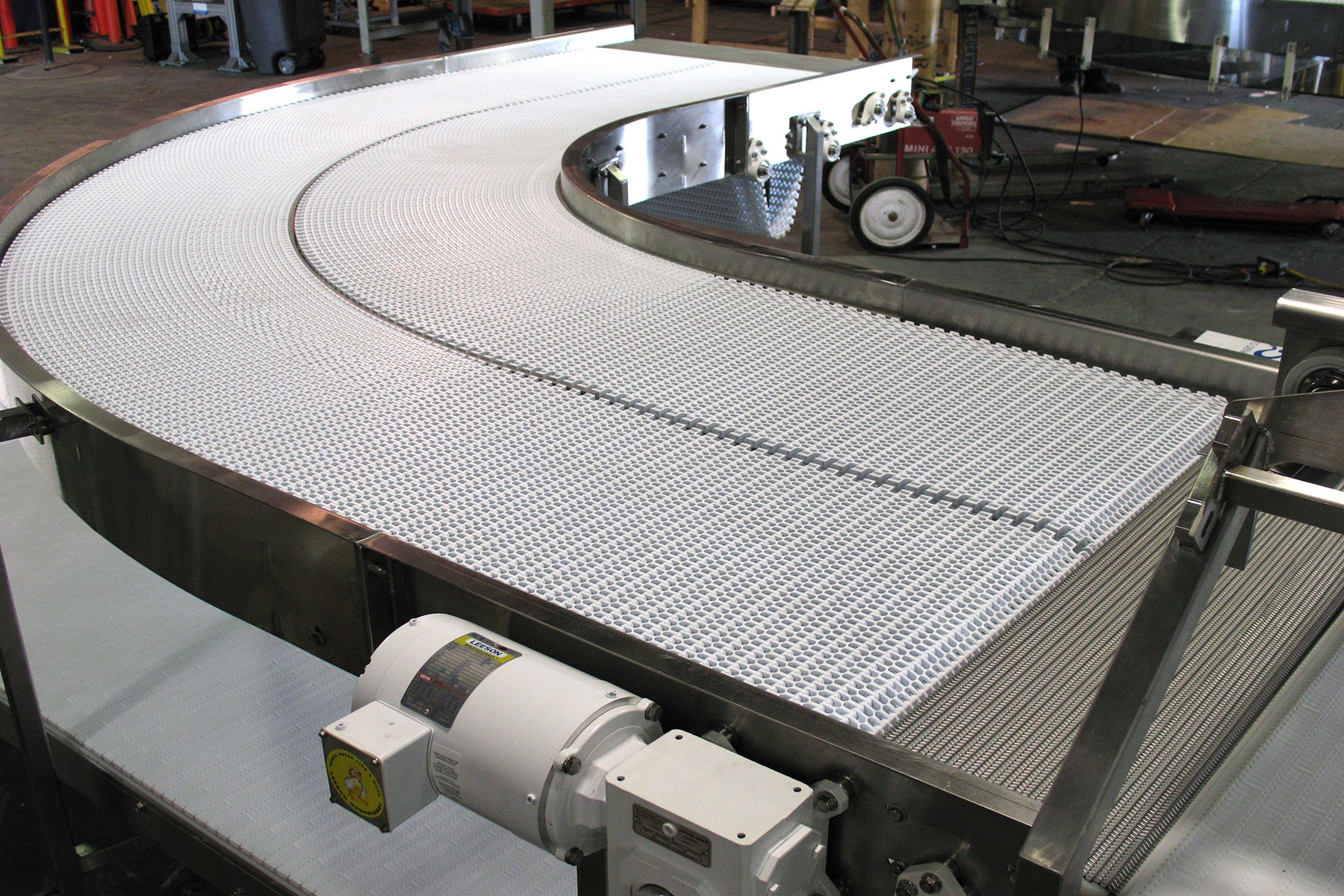
Modular belts can be engineered to turn corners. Side-flexing (radius) modular belts allow a single continuous belt to travel through curves and straight sections, eliminating the need for transfers between separate conveyors. This reduces product damage (scuffing) and simplifies the drive system architecture.
Technical Specifications and Selection Matrix
The following table outlines the typical performance characteristics of the most common modular belt configurations available in 2026.
| Belt Feature | Flat Top (Solid) | Flush Grid (Open) | Friction Top | Radius (Side-Flexing) |
|---|---|---|---|---|
| Primary Use | General conveyance | Drainage / Cooling | Inclines / Declines | Curved paths |
| Surface Style | Smooth, closed | Perforated / Lattice | Rubberized inserts | Interlocking tabs |
| Common Material | Acetal / PP | Polypropylene | PP with TPE inserts | Acetal |
| Max Temp (Typical) | 100°C (212°F) | 105°C (221°F) | 60°C (140°F) | 90°C (194°F) |
| Drainage Capacity | 0% | 15% - 50% | 0% | 20% - 40% |
| Load Capacity | High | Moderate | Moderate | Moderate to Low |
Hygiene and Food Safety Compliance
In the food and beverage industry, sanitation is the highest priority. Modern modular belts are designed to comply with rigorous standards set by the U.S. Food and Drug Administration (FDA) and the European Hygienic Engineering & Design Group (EHEDG).
Clean-In-Place (CIP) Capabilities
Advanced modular designs feature "active-hinge" technology, where the hinge area opens as it travels over the sprocket. This exposes the pin and the underside of the module to cleaning sprays, ensuring that bacteria and food residue are thoroughly removed.
Antimicrobial Additives
By 2026, many modular belts are manufactured with antimicrobial agents embedded directly into the polymer matrix. These additives help inhibit the growth of mold, mildew, and bacteria like Listeria and Salmonella on the belt surface between cleaning cycles. It is important to note that these additives are a supplement to, not a replacement for, standard sanitation protocols.
Installation and Operational Best Practices
To maximize the lifespan of a modular conveyor system, specific engineering guidelines must be followed during installation and daily operation.
- Catenary Sag Management: Unlike tensioned belts, modular belts require a certain amount of "sag" on the return side. This catenary sag provides the necessary tension for the sprockets to engage the belt without overstressing the pins.
- Sprocket Alignment: Sprockets must be precisely aligned on the drive and idle shafts. Misalignment can lead to uneven wear on the module drive pockets and may cause the belt to "jump" teeth under load.
- Thermal Expansion: Plastics expand and contract significantly with temperature changes. Engineers must account for this by allowing the belt to "float" laterally on the shafts and by calculating the total belt length based on the operating temperature rather than the ambient installation temperature.
- Support Wearstrips: Modular belts should slide on specialized wearstrips, typically made of Ultra-High Molecular Weight (UHMW) polyethylene. These strips reduce friction and protect both the belt and the conveyor frame from wear.
Emerging Trends in 2026: The "Smart" Modular Belt
As of 2026, the integration of the Internet of Things (IoT) into conveyance systems has transformed modular belts from passive components into data-gathering tools.
- Integrated Wear Sensors: Some high-end modular belts now feature "sacrificial" modules equipped with RFID or Bluetooth sensors that alert plant managers when the belt has reached a specific wear threshold.
- Energy Efficiency: New "low-drag" acetal formulations have been developed to reduce the power required to drive long conveyors, supporting corporate sustainability goals.
- Recyclability: With increasing pressure from global regulators, manufacturers have introduced "circular economy" belts made from 100% recyclable mono-materials, allowing old belts to be ground down and repurposed into new industrial products.
Frequently Asked Questions
How do I determine the pitch of a modular belt?
The pitch is the distance from the center of one hinge pin to the center of the next. Common pitches range from 0.5 inches (small transfers) to 2.0 inches (heavy-duty applications). Knowing the pitch is essential for selecting the correct replacement sprockets and calculating the belt's turning radius.
Can modular belts handle high-speed applications?
Yes, but they require careful engineering. At very high speeds (above 100 meters per minute), the "chordal action" of the belt—a slight vertical vibration as the belt moves over the sprockets—can become an issue. Using sprockets with a higher tooth count can minimize this effect and allow for smoother high-speed operation.
Are modular belts noisier than fabric belts?
Generally, yes. Because of the hard plastic modules interacting with plastic or metal sprockets, they produce more mechanical noise than a smooth fabric belt. However, using noise-dampening wearstrips and optimized sprocket profiles can significantly reduce decibel levels in the workplace.
Is it possible to use modular belts in steep incline applications?
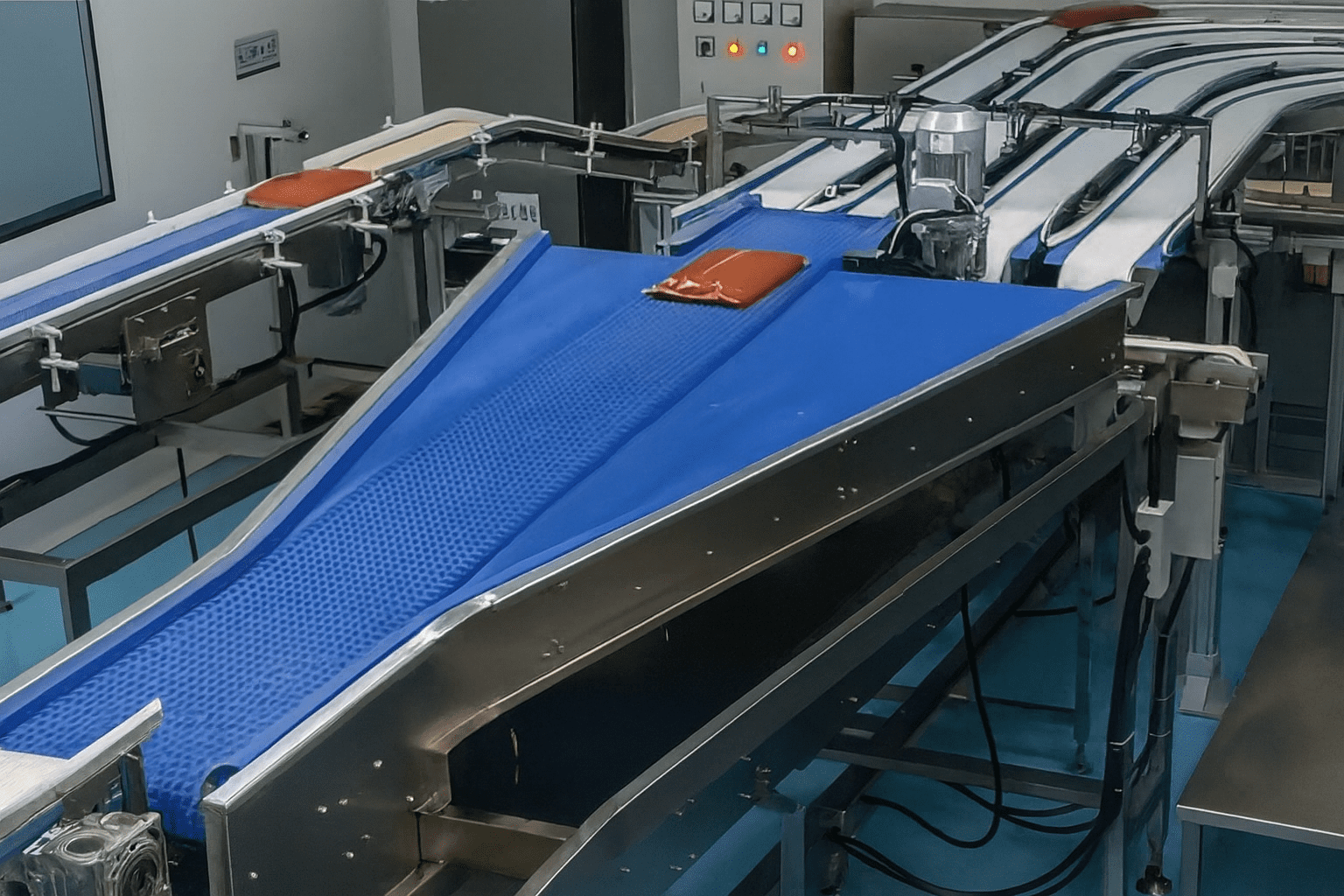
Absolutely. Modular belts can be fitted with "flights" (vertical paddles) or friction-top inserts to move products up steep inclines. For very steep angles, "bucket" style modules are available to prevent product roll-back.
Practical Recommendations for Implementation
When transitioning to or upgrading a modular conveyor system, start by conducting a thorough audit of your environmental factors: temperature, chemical exposure, and load requirements.
Next Steps:
- Consult with a specialist: Reach out to major manufacturers like Intralox or Habasit to perform a belt-life simulation based on your specific throughput data.
- Evaluate the "Total Cost of Ownership": Do not choose based on the initial purchase price alone; factor in the reduced downtime, lower maintenance labor costs, and energy savings over a 5-year period.
- Standardize your inventory: Whenever possible, standardize your belt pitches and materials across the facility to reduce the amount of spare parts (pins, modules, and sprockets) you need to keep in stock.
Image Gallery