Comprehensive Guide to Clear Choice Dental Implant Costs and Procedures in 2026
In 2026, the average cost for Clear Choice dental implants typically ranges from $25,000 to $55,000 per arch for a full-mouth restoration. While a single implant may cost between $3,500 and $6,500, Clear Choice centers specialize in fu...
In 2026, the average cost for Clear Choice dental implants typically ranges from $25,000 to $55,000 per arch for a full-mouth restoration. While a single implant may cost between $3,500 and $6,500, Clear Choice centers specialize in full-arch "All-on-4" procedures, where the total investment includes the surgical placement, prosthetic fabrication, and clinical overhead in a single facility.
Contents
Clear Choice Dental Implant Centers represent one of the largest networks of dental implant specialists in the United States. Their business model is built on the "all-in-one" concept, where the prosthodontist, oral surgeon, and dental lab technicians all work within the same facility. As we navigate the clinical and financial landscape of 2026, understanding the nuances of this pricing model is essential for patients considering permanent tooth replacement.
The 2026 Cost Breakdown for Clear Choice Procedures
When evaluating the financial commitment required for Clear Choice, it is important to distinguish between single-tooth replacements and the full-arch restorations for which the company is most famous. Because they operate as a specialized surgical center rather than a general dentistry practice, their pricing reflects a high level of surgical precision and integrated technology.
Full-Arch Restoration (All-on-4 or All-on-6)
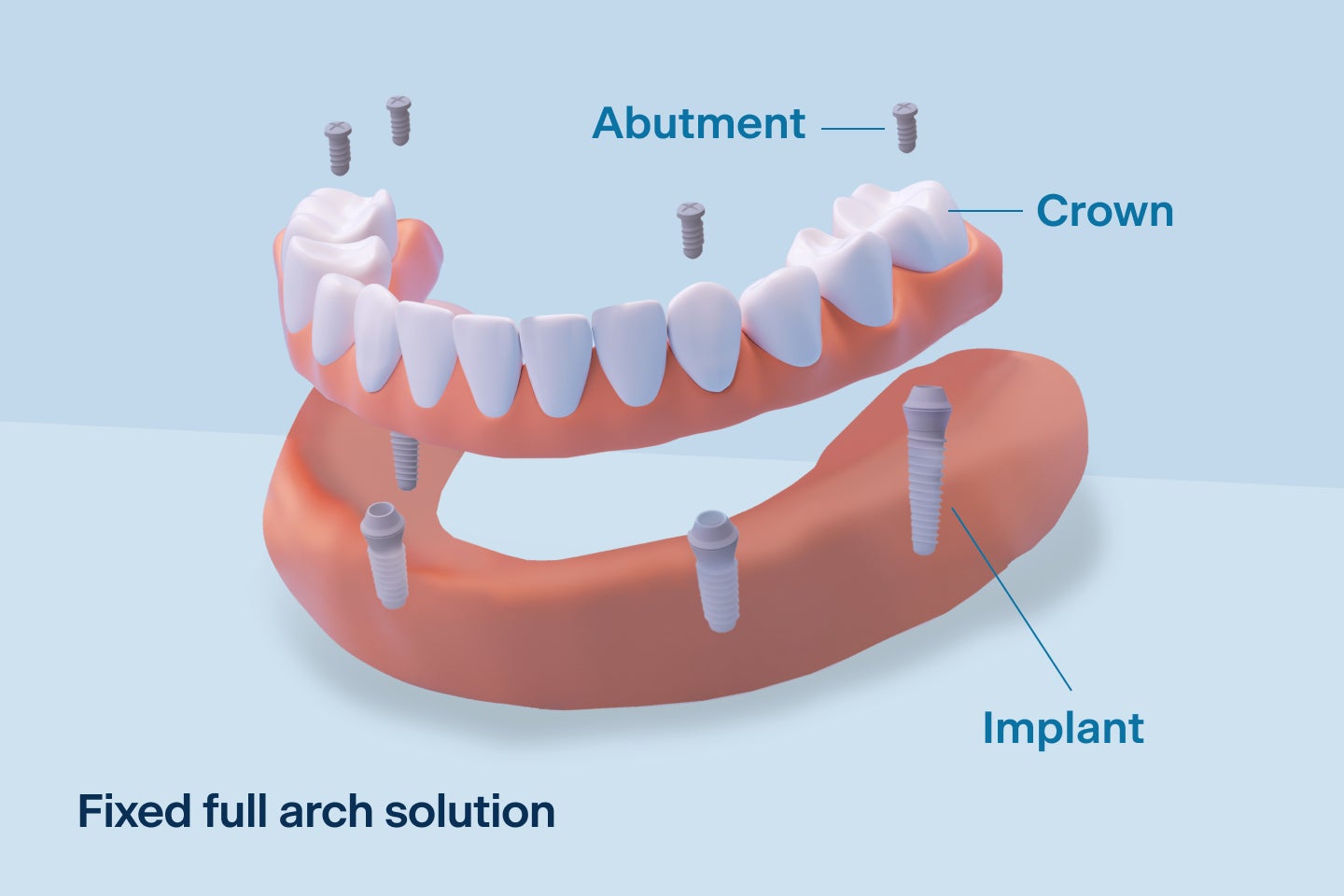
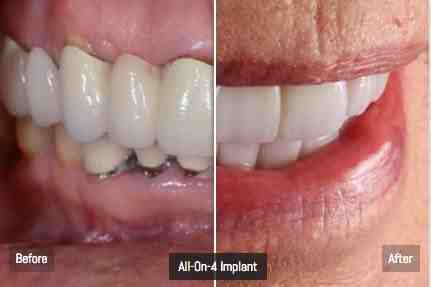
This is the hallmark service of Clear Choice. It involves the extraction of remaining failing teeth, the placement of four to six titanium or zirconia implants, and the attachment of a full bridge.
- Single Arch (Upper or Lower): $25,000 – $40,000.
- Full Mouth (Both Arches): $50,000 – $85,000.
Single and Multiple Tooth Implants
While Clear Choice does perform single-tooth replacements, their internal infrastructure is optimized for larger cases. Consequently, their single-implant pricing may be higher than a local general dentist but includes the benefit of onsite specialized surgeons.
- Single Implant (Post, Abutment, and Crown): $4,000 – $7,000.
- Multiple Implants (Partial Bridge): $12,000 – $20,000.
Preparatory Surgical Costs
In 2026, many patients require additional procedures to ensure the long-term success of the implant. These are often bundled into the initial Clear Choice quote but can vary based on individual anatomy.
- Tooth Extractions: Typically $200 – $600 per tooth.
- Bone Grafting: $600 – $2,500 depending on the volume of material needed.
- Sinus Lift: $1,500 – $3,500 for patients with insufficient bone in the upper jaw.
Factors Influencing Dental Implant Pricing in 2026
Several technical and regional variables dictate why one patient might receive a quote of $30,000 while another is quoted $45,000 for the same arch.
1. Choice of Prosthetic Material
The material used for the final bridge (the "teeth") is the most significant cost driver. In 2026, Zirconia has become the gold standard due to its fracture resistance and aesthetic translucency, though acrylic options remain available for those on a stricter budget.
- Acrylic with Titanium Frame: Lower cost, but prone to wear and staining over 5-7 years.
- Monolithic Zirconia: Higher cost, but virtually indestructible and highly resistant to plaque buildup.
2. Geographic Location and Local Economics
Operating costs for a Clear Choice center in Manhattan or San Francisco are significantly higher than those in suburban Texas or Ohio. Real estate, specialized labor wages, and local tax structures impact the final patient quote.
3. Case Complexity and Oral Health History
Patients with severe bone loss or systemic health issues (such as controlled diabetes) may require more intensive surgical monitoring or advanced grafting techniques, which adds to the clinical time and resource utilization.
| Feature | Acrylic/Titanium Hybrid | Full Monolithic Zirconia |
|---|---|---|
| Average Cost (Per Arch) | $22,000 - $28,000 | $32,000 - $45,000 |
| Durability | Moderate (may need repair) | Extremely High |
| Stain Resistance | Low (porous material) | Very High |
| Maintenance | Annual professional cleaning | Standard hygiene with annual checks |
| Aesthetics | Good (standard) | Superior (hand-layered porcelain) |
The Clear Choice "All-in-One" Facility Model
The primary value proposition of Clear Choice is the consolidation of the dental implant workflow. Historically, a patient would have to visit a general dentist for a referral, an oral surgeon for the implants, and a separate lab for the prosthesis.
The Integrated Surgical Workflow In the 2026 Clear Choice model, the surgical suite, the imaging center (CBCT scans), and the dental laboratory are housed under one roof. This minimizes the risk of communication errors between the surgeon and the lab technician. It also allows for "Teeth in a Day" protocols where the patient leaves the first surgery with a fixed, non-removable temporary bridge, rather than a removable denture.
By maintaining an in-house lab, Clear Choice centers can utilize CAD/CAM (Computer-Aided Design and Manufacturing) and 3D printing to create highly precise surgical guides. These guides allow for flapless surgery in some cases, which reduces recovery time and post-operative discomfort.
Insurance Realities and Financial Planning in 2026
One of the most common questions regarding Clear Choice is the role of insurance. It is critical to manage expectations regarding third-party coverage for major dental surgery.
Traditional Dental Insurance
Most standard dental insurance plans have an annual maximum benefit of $1,500 to $2,500. While this can cover a portion of the consultation or a single extraction, it barely impacts the cost of a $35,000 arch. Furthermore, many plans have a "missing tooth clause," which denies coverage for teeth lost before the policy began.
Medicare and Dental Implants
As of 2026, Traditional Medicare (Part A and Part B) does NOT cover dental implants or the related extractions. This remains a significant barrier for many seniors. Some Medicare Advantage (Part C) plans have expanded their dental benefits, but these typically cover only preventative care (cleanings, X-rays) and basic restorative work (fillings), not major surgical reconstructions like the All-on-4.
Third-Party Financing Options
To bridge the gap between cost and accessibility, Clear Choice centers work with several medical lending institutions. In 2026, the most common partners include:
- LendingClub Patient Solutions: Offers fixed-rate plans with terms up to 84 months.
- CareCredit: Provides revolving credit lines, sometimes with 6-24 month deferred interest for those who qualify.
- Proceed Finance: Often used for larger loan amounts (up to $75,000) specifically for full-arch cases.
The Clear Choice Procedure: Step-by-Step
Understanding the timeline helps justify the cost of the investment. The process in 2026 is streamlined but requires several months for biological integration.
- The Initial Consultation: This usually involves a 3D CT scan (CBCT) to evaluate bone density and the health of the sinus cavities. The clinical team determines if you are a candidate for the All-on-4 procedure.
- The Pre-Surgical Planning: Impressions or digital oral scans are taken to design the temporary bridge. The surgeons use AI-assisted software to plot the exact depth and angle of each implant.
- Surgery Day: Under IV sedation, any remaining teeth are removed, and the implants are placed. A temporary bridge is attached to the implants on the same day, ensuring the patient never leaves without teeth.
- Osseointegration (3-6 Months): This is the critical healing phase where the jawbone fuses to the titanium or zirconia implant posts. During this time, patients are restricted to a soft-food diet to avoid putting excessive force on the healing bone.
- The Final Prosthetic: Once the implants are fully integrated, the temporary bridge is replaced with the permanent, high-strength zirconia or reinforced acrylic bridge.
Comparing Clear Choice to Private Practice Implants
Patients often weigh the benefits of a national brand like Clear Choice against a local private prosthodontic practice. Both have distinct advantages.
Advantages of Clear Choice
- Speed: Because everything is onsite, the process can move faster than a practice that has to mail impressions to an outside lab.
- Specialization: The doctors at Clear Choice perform these specific surgeries hundreds of times a year, leading to high proficiency.
- Predictability: The pricing is usually a "flat fee," meaning there are no surprise bills from the anesthesiologist or the lab later on.
Advantages of Private Practices
- Personalized Relationship: You typically see the same doctor for every follow-up, whereas large centers may have higher staff turnover.
- Flexibility in Treatment: A private dentist might offer more conservative options (like snap-in dentures or partials) that a specialized implant center might overlook.
- Cost Variance: Some local specialists may be able to offer lower pricing if they have lower overhead or use different implant brands.
Risks, Complications, and Success Rates
While dental implants have a success rate of over 95% in 2026, they are not without risks. Clear Choice’s pricing includes the cost of managing the initial recovery, but patients should be aware of potential issues.
- Peri-implantitis: An infection of the tissue around the implant, similar to gum disease. This is the leading cause of implant failure and is often linked to poor oral hygiene or smoking.
- Implant Failure (Non-Integration): In rare cases, the bone fails to fuse with the implant. If this happens within the first year, Clear Choice typically replaces the implant at no additional cost as part of their warranty.
- Mechanical Failure: The prosthetic bridge can chip or break. Zirconia has significantly reduced this risk in 2026, but it remains a possibility under extreme stress (bruxism/grinding).
Frequently Asked Questions
Does Clear Choice offer a lifetime warranty on their implants? Clear Choice centers typically offer a limited warranty on the implant posts and the prosthetic bridge, but it is rarely a "no-strings-attached" lifetime guarantee. Most warranties require the patient to maintain regular 6-month or annual checkups and hygiene appointments at a Clear Choice facility or an approved provider to remain valid.
Can I get dental implants if I have been told I have "no bone"? Yes, in 2026, advanced techniques such as Zygomatic implants (which anchor into the cheekbone) or extensive bone grafting make it possible for almost anyone to receive implants. However, these specialized surgeries are more expensive and are usually performed at select Clear Choice "hub" locations that have maxillofacial surgeons on staff.
Is the "Teeth in a Day" bridge permanent? No, the teeth you receive on the day of surgery are a temporary "healing bridge." This bridge is made of lighter material to avoid putting too much stress on the fresh implants. You will return 4 to 6 months later to receive your final, permanent bridge made of Zirconia or high-impact acrylic.
How do I clean Clear Choice implants? Full-arch implants are not removed; they are fixed in place. You clean them using a soft-bristled toothbrush, non-abrasive toothpaste, and a water flosser (like a WaterPik) to flush out debris from underneath the bridge. Regular professional cleanings are still required.
Are there hidden fees in the Clear Choice quote? Generally, Clear Choice provides a "bundled" quote that includes the surgery, the implants, the temporary bridge, the final bridge, and follow-up visits for the first year. However, items like specialized prescriptions, sedation fees (if not included), and long-term maintenance after the first year are usually separate costs.
Final Recommendations for Potential Patients
If you are considering Clear Choice in 2026, your first step should be to schedule a consultation to receive a written, fixed-price quote. Because the investment is significant, it is advisable to seek a second opinion from a local Board-Certified Prosthodontist to compare both the treatment plan and the cost. Always verify the credentials of the specific surgeon performing your procedure and ask to see a portfolio of their "All-on-4" cases.
Investing in dental implants is a life-changing decision that affects your nutrition, speech, and self-confidence. While the price tag of $35,000 to $50,000 can be daunting, the longevity of these restorations—often lasting 20 years or more with proper care—frequently makes them a more cost-effective solution than the cycle of repairing and replacing traditional bridges and dentures.
Image Gallery