Why Do My Palms Itch at Night? Causes, Relief, and When to See a Doctor
Palms that itch intensely at night are often caused by circadian rhythm shifts in skin function, such as increased nighttime skin blood flow, higher transepidermal water loss, and evening drops in anti-inflammatory cortisol levels. Whi...
Palms that itch intensely at night are often caused by circadian rhythm shifts in skin function, such as increased nighttime skin blood flow, higher transepidermal water loss, and evening drops in anti-inflammatory cortisol levels. While nocturnal palmar pruritus can simply stem from severe dry skin or contact dermatitis, it may also indicate underlying systemic conditions like hepatic dysfunction, nerve entrapment, or metabolic disorders requiring medical evaluation.
Contents
Understanding Nocturnal Pruritus: Why Symptoms Peak After Dark
The sensation of itch—medically known as pruritus—often follows a distinct temporal pattern, worsening significantly once the sun goes down and individuals settle into bed. This phenomenon is not merely psychological; it is rooted in human physiology and circadian biology. Understanding how your body changes at night helps explain why your hands demand attention when you are trying to sleep.
Throughout the night, several physiological parameters shift. Skin temperature rises slightly, and peripheral blood flow to the extremities increases, which can heighten the perception of itch-triggering nerve signals. Simultaneously, the skin experiences peak transepidermal water loss (TEWL) during evening and nighttime hours, leaving the palmar surface dehydrated and more vulnerable to irritation.
Furthermore, endogenous corticosteroid levels—hormones that naturally suppress inflammation in the body—follow a diurnal rhythm, reaching their lowest point in the late evening and early night. Without these natural anti-inflammatory buffers, immune responses and mild skin irritations become much more noticeable. Finally, distractions disappear at night; in the quiet of a dark bedroom, the brain focuses more acutely on sensory inputs from the skin, turning a mild daytime tickle into an intense urge to scratch.
Common Dermatological Causes of Nighttime Palm Itching
Many cases of itchy palms originate directly from skin conditions that become more troublesome due to environmental factors in the bedroom or the physiological shifts mentioned above.
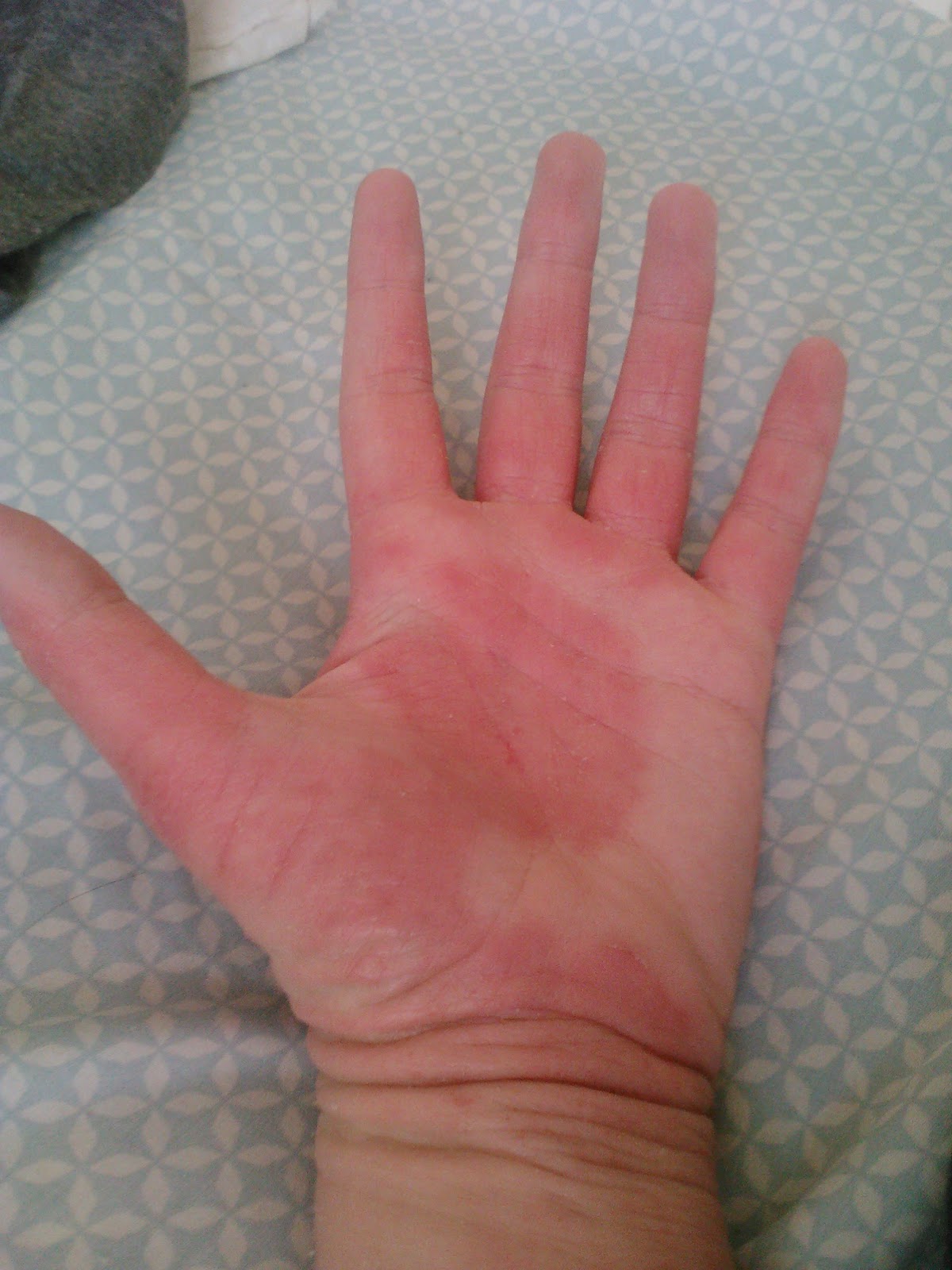
- Dyshidrotic Eczema (Pompholyx): This specific type of eczema targets the palms of the hands and the sides of the fingers, causing deep-seated, intensely itchy fluid-filled blisters. These blisters often worsen with stress, heat, or contact with certain metals and irritants, leading to severe nighttime flare-ups as the skin dries out.
- Contact Dermatitis: Handling harsh chemicals, cleaning agents, frequent handwashing without immediate moisturizing, or reacting to new soaps, lotions, or jewelry can trigger allergic or irritant contact dermatitis. The accumulated exposure throughout the day results in delayed inflammatory responses that peak by evening.
- Xerosis (Severe Dry Skin): Palmar skin lacks sebaceous (oil) glands compared to other parts of the body, making it inherently prone to moisture loss. Indoor heating, air conditioning, and low humidity in the bedroom accelerate dryness, causing micro-fissures and intense itching.
- Psoriasis (Palmar Psoriasis): Chronic plaque psoriasis or pustular psoriasis can manifest on the hands, presenting as thick, red, scaly plaques that frequently itch, burn, and crack, particularly when the skin tightens during rest.
Systemic and Internal Triggers Linked to Itchy Palms
When itching occurs without a visible rash, redness, or dryness, or fails to respond to standard moisturizers, it often points to an internal systemic process. The liver, kidneys, and nervous system all communicate distress through the skin.
- Cholestasis and Liver Disease: When bile flow from the liver is slowed or blocked—due to conditions like primary biliary cholangitis, hepatitis, or pregnancy-related intrahepatic cholestasis—bile salts deposit in the skin tissues. These salts aggressively stimulate cutaneous nerve endings, causing profound, deep-seated itching that is classically worse on the palms and soles and notoriously intensifies at night.
- Chronic Kidney Disease (Uremic Pruritus): Advanced renal impairment leads to a buildup of toxins, calcium-phosphorus imbalances, and secondary hyperparathyroidism. This biochemical cocktail triggers systemic itching that frequently disrupts sleep.
- Thyroid Disorders: Both hypothyroidism and hyperthyroidism alter metabolic rates, skin hydration, and peripheral circulation. Thyroid imbalances frequently manifest as dry, itchy skin across the extremities.
- Neurological Conditions: Nerve entrapment syndromes like carpal tunnel syndrome can compress the median nerve, leading to abnormal neurological sensations, tingling, burning, and itching localized directly to the palms, especially in specific sleeping positions.
Differential Diagnosis: Skin-Deep vs. Systemic Itch
| Feature | Primary Dermatological Causes | Systemic and Internal Causes | Neurological & Mechanical Causes |
|---|---|---|---|
| Visible Skin Changes | Rashes, blisters, scaling, redness, or dryness present. | Often no primary rash; skin may show excoriations from scratching. | Normal skin appearance initially; possible localized swelling. |
| Primary Location | Palms, fingers, interdigital spaces, or dorsal hands. | Generalized body itch with prominent palmar and plantar intensity. | Confined to the nerve distribution path (e.g., median nerve/palms). |
| Timing Pattern | Worsens after exposure to triggers or drying environments at night. | Intensely refractory nocturnal pruritus interfering heavily with sleep. | Triggered or worsened by specific hand postures or pressure during sleep. |
| Common Associated Triggers | Soaps, detergents, low humidity, stress, friction, allergens. | Liver enzyme elevations, elevated bilirubin, high creatinine. | Nerve compression, repetitive strain, systemic neuropathy. |
Step-by-Step Guide to Managing and Relieving Nighttime Itch
Implementing a targeted nighttime hand-care routine can drastically reduce nocturnal flare-ups and protect the skin barrier while you sleep.
- Evaluate and Eliminate Triggers: Identify and remove potential irritants from your evening routine, including fragranced hand soaps, harsh dishwashing detergents, and woolen or synthetic bedding materials that trap heat.
- Wash with Lukewarm Water: Avoid hot water when washing your hands before bed, as heat strips away natural lipid layers and triggers histamine release in the skin.
- Apply Medical-Grade Emollients: Immediately after gently patting your hands dry, apply a thick, fragrance-free ointment or cream containing ceramides, petrolatum, or glycerin to lock in moisture.
- Utilize Occlusive Night Therapy: For severe dryness or eczema, apply a generous layer of heavy petroleum jelly to your palms before bed and wear breathable, 100% cotton gloves overnight to seal in hydration and prevent unconscious scratching.
- Manage Bedroom Environment: Use a cool-mist humidifier in your bedroom if indoor air is dry, maintaining ambient humidity between 40% and 50% to minimize nighttime moisture evaporation from the skin.
When to Seek Professional Medical Evaluation
While mild dry skin responds well to over-the-counter moisturizers and behavioral adjustments, certain red flags necessitate a prompt appointment with a primary care physician, dermatologist, or specialist.
- Persistent Itching Without Rash: Itching that lasts for more than two weeks without visible skin changes requires blood work to check liver enzymes, kidney function, and complete blood counts.
- Pregnancy: Any new onset of intense palmar and plantar itching during pregnancy must be evaluated immediately to rule out intrahepatic cholestasis of pregnancy, which carries risks for the fetus.
- Signs of Infection: Increased warmth, pus, honey-colored crusts, spreading redness, or throbbing pain point toward secondary bacterial infections from scratching.
- Systemic Symptoms: Unexplained fatigue, unintentional weight loss, night sweats, jaundice (yellowing of the skin or eyes), or dark urine accompanying itchy palms require urgent diagnostic workups.
Frequently Asked Questions About Itchy Palms at Night
Why does my hand itching always get worse specifically when I lie down to sleep?
When you lie down, blood flow to your extremities increases and skin temperature rises, which sensitizes nerve endings. Additionally, your body's natural anti-inflammatory cortisol levels drop at night, and the absence of daytime distractions makes you hyper-aware of skin sensations.
Could itchy palms be a sign of a serious liver problem?
Yes, liver conditions that impair bile flow, such as primary biliary cholangitis or pregnancy-related cholestasis, cause bile salts to accumulate in the skin. This triggers a notoriously severe, deep itch that is heavily concentrated on the palms and soles and worsens significantly at night.
How can I stop myself from scratching my palms in my sleep?
Wearing clean, 100% cotton gloves to bed after applying a thick emollient creates a physical barrier that protects your skin from damage if you scratch unconsciously during the night. Keeping your fingernails trimmed short also minimizes trauma.
When should I go to the doctor for itchy hands?
You should consult a healthcare professional if the itching persists for more than a few weeks, disrupts your sleep consistently, occurs alongside jaundice, fatigue, or dark urine, or develops while you are pregnant.
Are certain vitamin deficiencies responsible for itchy palms?
While rare in developed nations, severe deficiencies in vitamins like Vitamin A, certain B-complex vitamins, or essential fatty acids can compromise skin barrier integrity and cause dryness and irritation that may affect the hands.
Prioritize Your Skin Health and Sleep Hygiene
Managing nocturnal palmar pruritus requires a balanced approach combining rigorous skin barrier repair, environmental adjustments, and vigilance for internal health signals. By adopting proper nighttime moisturizing habits and consulting medical professionals when symptoms persist or defy simple remedies, you can protect your skin and restore restful, itch-free sleep.
Image Gallery