Disney Walt Disney Animation Studios: History, Technical Evolution, and Creative Process
Walt Disney Animation Studios stands as the foundational pillar of feature-length animated filmmaking, pioneering techniques that transformed hand-drawn frames into a sophisticated digital art form. Located in Burbank, California, the...
Walt Disney Animation Studios stands as the foundational pillar of feature-length animated filmmaking, pioneering techniques that transformed hand-drawn frames into a sophisticated digital art form. Located in Burbank, California, the studio merges classic storytelling principles with cutting-edge technological innovations to produce globally recognized cinematic milestones.
Contents
The Origins and Evolution of Walt Disney Animation Studios
Founded by Walt Disney and Roy O. Disney as the Disney Brothers Cartoon Studio in 1923, the organization established its current permanent home in Burbank in 1940 following the massive commercial success of its first full-length animated feature. The studio transitioned from silent shorts to synchronized sound with Steamboat Willie in 1928, introducing Mickey Mouse and setting a new standard for character animation.
Throughout the decades, the studio navigated multiple distinct eras that shaped global pop culture:
- The Golden Age (1937–1942): Marked by the release of Snow White and the Seven Dwarfs, followed by masterworks like Pinocchio, Fantasia, Dumbo, and Bambi. This era established multiplane camera technology and character depth.
- The Wartime and Silver Eras (1940s–1960s): Package films sustained the studio during World War II, leading into the resurgence of narrative features including Cinderella, Peter Pan, Sleeping Beauty, and the studio's final Walt-supervised masterpiece, The Jungle Book.
- The Disney Renaissance (1989–1999): A massive creative and financial revitalization driven by Broadway-style musical structures in films such as The Little Mermaid, Beauty and the Beast, Aladdin, and The Lion King.
- The Revival Era (2009–Present): Fueled by the integration of advanced computer-generated imagery (CGI) alongside traditional drawing principles, yielding cultural touchstones like Tangled, Frozen, Encanto, and Moana 2.
Technological Milestones in Traditional and Computer Animation
The operational strength of Walt Disney Animation Studios relies on continuous technological research and proprietary software development. The studio invented or heavily refined tools that dictate industry standards for visual fidelity and motion physics.
The table below outlines key technological advancements introduced across the history of the studio:
| Innovation | Era / Year | Primary Function and Impact |
|---|---|---|
| Multiplane Camera | 1937 | Allowed different layers of artwork to move at varying speeds, creating a convincing illusion of three-dimensional depth in 2D space. |
| Xerox Cel Process | 1961 (101 Dalmatians) | Replaced manual ink-and-paint tracing with photographic transfer, preserving the sketchy, energetic pencil lines of animators. |
| Computer Animation Production System (CAPS) | 1989 (The Little Mermaid) | Digitized ink, paint, and compositing processes, enabling seamless integration of 2D characters with 3D computer-generated backgrounds. |
| Deep Canvas | 1999 (Tarzan) | Allowed artists to paint in a 3D space, bridging the gap between flat backgrounds and fully rendered digital environments. |
| Hyperion Rendering Engine | 2014 (Big Hero 6) | A physically based ray-tracing engine capable of handling complex global illumination and light transport at unprecedented scales. |
The Modern Production Pipeline and Creative Workflow
Developing an animated feature film at the studio requires a synchronized pipeline involving hundreds of artists, engineers, and technicians. The process typically spans four to five years from initial concept to final theatrical release.
- Development and Story: Writers, directors, and storyboard artists construct the narrative through thousands of sequential sketches. This phase establishes the emotional core, character arcs, and script pacing.
- Visual Development and Design: VisDev artists establish the color palettes, lighting moods, costume designs, and physical environments, translating the script into a cohesive visual style.
- Layout and Modeling: Layout artists stage the scenes like a live-action cinematographer. Simultaneously, modelers build digital skeletons and surfaces for every character, prop, and set element.
- Animation and Rigging: Riggers add digital joints and controls to models. Animators then manipulate these controls frame-by-frame, focusing on timing, weight, squash-and-stretch, and emotional expression.
- Simulation and Lighting: Technical directors simulate hair, cloth, and fluid dynamics to ensure physical realism. Lighting artists then apply the Hyperion engine to illuminate scenes, matching the established emotional tone.
- Compositing and Sound Design: All rendered layers are combined, balanced, and color-graded while sound designers, Foley artists, and composers layer dialogue, sound effects, and musical scores.
Traditional Hand-Drawn Animation Versus Modern CGI
While public perception often contrasts traditional 2D animation directly with modern 3D CGI, Walt Disney Animation Studios treats both mediums as extensions of the same foundational animation principles established by the "Nine Old Men" core animators.
Core Philosophy of Movement: Regardless of whether an artist uses a graphite pencil on paper or a stylus on a digital tablet, the fundamental rules of squash and stretch, anticipation, staging, follow-through, and exaggeration remain the absolute bedrock of all studio productions.
Comparative Analysis of Production Methods
- Medium Flexibility: Traditional hand-drawn animation offers direct, tactile line work where every frame is meticulously crafted by human hands, resulting in a unique painterly texture. Modern CGI provides deep spatial consistency, allowing cameras to move dynamically through fully rendered environments without redrawing background assets.
- Pipeline Speeds and Iteration: CGI pipelines allow for non-destructive changes late in production—such as altering a character's costume color or adjusting a light source—whereas altering a sequence in traditional animation often requires redrawing entire scenes from scratch.
- Computational Load: Traditional animation relies heavily on human labor hours and physical material storage, while CGI demands massive server farms, proprietary physics solvers, and advanced ray-tracing compute power to process complex surfaces like fur, water, and snow.
Comparative Overview of Notable Eras
To understand how the studio adapts to changing cultural and technological landscapes, examining structural differences across key historical periods highlights its operational shift:
| Metric / Feature | Golden Age (1930s–1940s) | The Renaissance (1990s) | Modern Era (2020s) |
|---|---|---|---|
| Primary Medium | Hand-painted cellulose sheets over multiplane multi-layer backgrounds. | Hand-drawn characters scanned into CAPS digital ink-and-paint systems. | Fully realized 3D computer-generated models rendered via ray-tracing. |
| Workforce Scale | Hundreds of artists working in physical studio bullpens in Burbank. | Hundreds of international artists collaborating across digital networks. | Global teams of thousands utilizing hybrid remote and on-site workflows. |
| Narrative Focus | Adaptations of classic European fairy tales and moral fables. | Broadway-style musical narratives with high-stakes personal growth. | Culturally diverse, multifaceted storytelling emphasizing systemic community bonds. |
Common Questions Regarding Walt Disney Animation Studios
What is the difference between Walt Disney Animation Studios and Pixar Animation Studios?
Walt Disney Animation Studios and Pixar are distinct entities housed under The Walt Disney Company. Disney Animation historically focuses on fairy tales, musical structures, and hand-drawn legacies transitioned to digital, located in Burbank, California. Pixar Animation Studios, located in Emeryville, California, was founded as an independent computer graphics pioneer focused primarily on original 3D concepts and toys, animals, or abstract emotional concepts coming to life.
Are Walt Disney Animation Studios films still hand-drawn?
While the studio's primary output consists of 3D computer-animated features, hand-drawn techniques are frequently integrated into modern pipelines. Short films like Paperman and Get a Horse! successfully blended traditional drawing principles with proprietary digital tools, and artists continue to use sketching as the foundational step for all visual development.
Where is Walt Disney Animation Studios located?
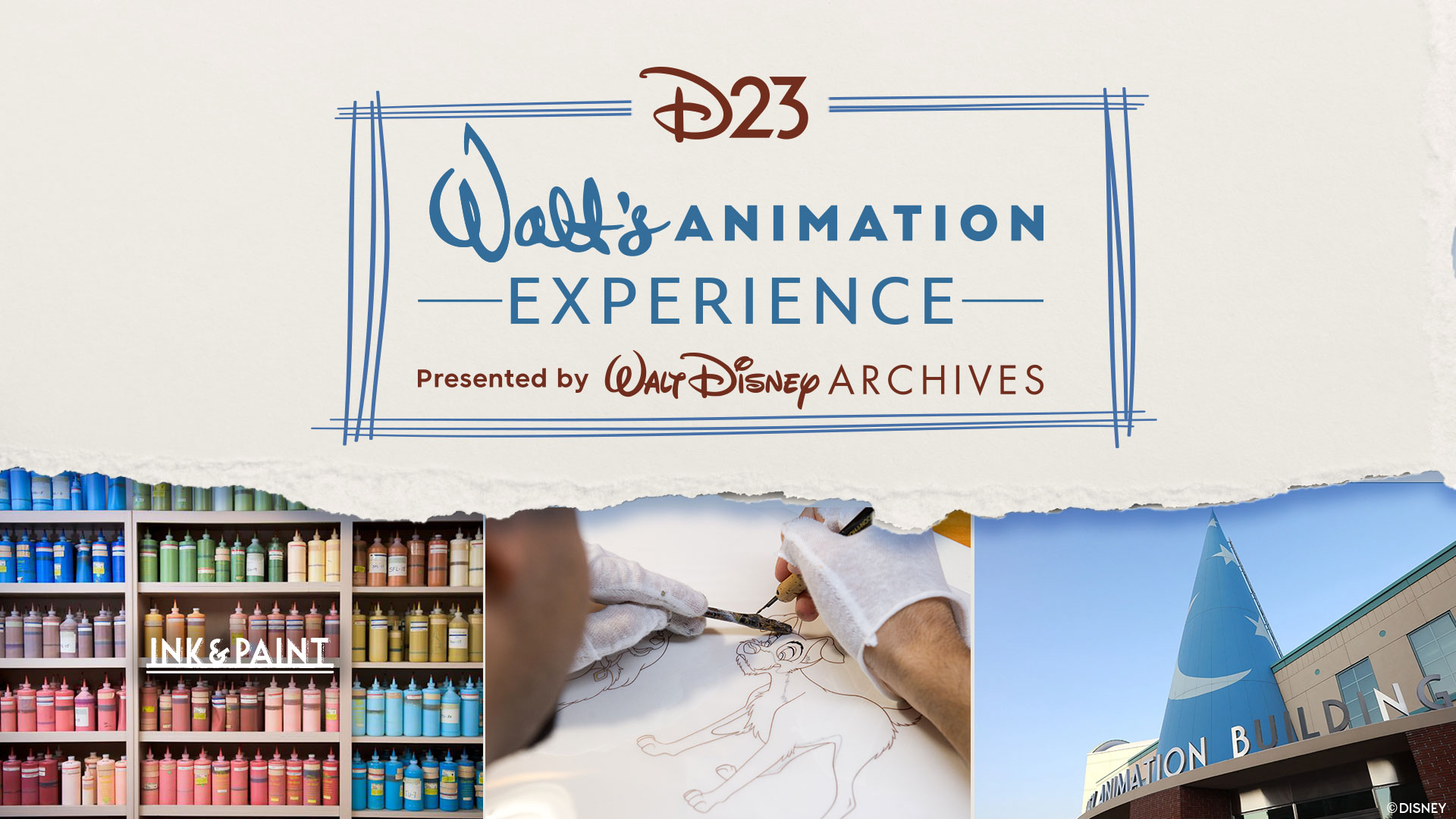
The studio is headquartered at the Roy E. Disney Animation Building located on the Walt Disney Studios lot in Burbank, California. The distinctive building is widely recognized for its iconic architectural design featuring the Sorcerer's Apprentice hat from Fantasia.
How does the studio handle character rigging in 3D animation?
Character rigging is the process of building a digital skeletal structure underneath a 3D model. Technical directors attach skin weights to these digital bones so that when an animator moves a control, the character's muscles, clothing, and skin deform naturally and realistically.
What was the first feature film produced by the studio?
Snow White and the Seven Dwarfs, released in December 1937, was the studio's first full-length animated feature film. It proved skeptics wrong—who referred to the project as "Disney's Folly"—by becoming a massive critical and commercial triumph that launched the feature animation industry.
Practical Recommendations for Aspiring Animation Professionals
Entering the competitive ecosystem of feature animation requires more than baseline technical proficiency. Aspiring animators, modelers, and technical directors should focus on targeted skill development:
- Master the Fundamentals: Build a deep understanding of human and animal anatomy, weight distribution, timing, and spacing before attempting complex software packages.
- Build a Specialized Portfolio: Rather than a general reel, tailor your portfolio to a specific department (e.g., character animation, surface shading, layout, or visual development) showcasing clear problem-solving abilities.
- Understand Technical Pipelines: Familiarize yourself with industry-standard software suites such as Autodesk Maya, Houdini, and proprietary render engines, as technical versatility accelerates studio integration.
Image Gallery