Navigating Staten Island Bus Services: The Complete 2026 Commuter Guide
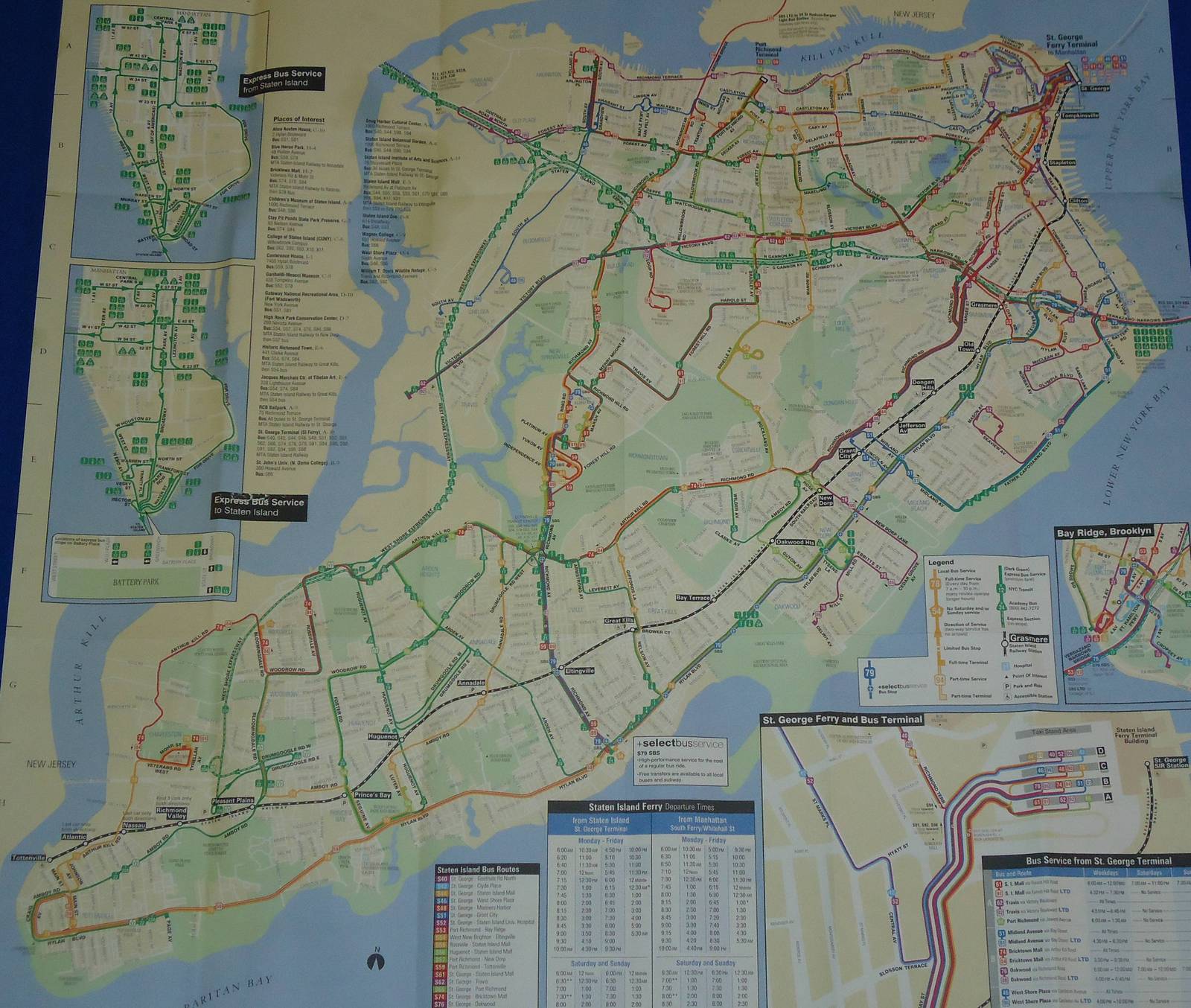
Staten Island bus services, operated by the MTA New York City Transit and MTA Bus Company, provide the primary mode of public transportation for the borough's residents. In 2026, the network features a streamlined hierarchy of local (S...
Staten Island bus services, operated by the MTA New York City Transit and MTA Bus Company, provide the primary mode of public transportation for the borough's residents. In 2026, the network features a streamlined hierarchy of local (S), Select Bus Service (SBS), and express (SIM) routes. Commuters use the OMNY contactless system for all fares, ensuring seamless transfers between buses, the Staten Island Railway (SIR), and the Staten Island Ferry.
Contents
The Landscape of Staten Island Bus Transit in 2026
Staten Island remains the only New York City borough without a direct subway connection to the rest of the city. Consequently, the bus system is the backbone of local mobility. As of 2026, the MTA has finalized several phases of the Staten Island Bus Network Redesign, which focused on increasing stop spacing for faster travel, improving frequency on high-demand corridors, and enhancing off-peak service.
The network is strategically designed around the borough's unique geography. Most local routes gravitate toward the St. George Terminal, providing a direct link to the Staten Island Ferry, while express routes utilize the Verrazzano-Narrows Bridge and the Goethals Bridge to reach Manhattan and parts of New Jersey or Brooklyn.
Core Service Categories
To navigate the system effectively, it is essential to understand the three distinct levels of service available to passengers:
- Local Routes (S): These buses make frequent stops, typically every two to three blocks. They serve as the primary feeders to the Staten Island Railway and the St. George Ferry Terminal.
- Select Bus Service (SBS): These are high-performance routes (like the S79 SBS) that utilize dedicated bus lanes, off-board fare payment (though now fully integrated into OMNY), and all-door boarding to decrease dwell times at stops.
- Express Routes (SIM): The Staten Island Manhattan (SIM) routes are premium services connecting residential neighborhoods directly to Midtown and Lower Manhattan. These routes prioritize speed and comfort, utilizing coach-style buses.
Payment Systems and 2026 Fare Structures
By 2026, the transition from the physical MetroCard to the OMNY (One Metro New York) system is complete. Passengers pay using contactless credit/debit cards, smartphones, wearables, or the OMNY card. This digital integration has allowed for more flexible fare capping and streamlined transfers.
Fare Details and Transfer Rules
The fare for local and SBS buses remains consistent with the standard New York City transit fare, while SIM express buses require a premium fare.
Fare Capping with OMNY
In 2026, the MTA utilizes a rolling fare-cap model. Passengers who tap to pay with the same device or card will never pay more than the price of a weekly pass within a seven-day period. This has effectively replaced the need for pre-purchased "Unlimited" passes, as the system automatically calculates the best rate for the rider.
- Local/SBS Fare: $2.90 per ride (Current 2026 standard).
- Express Bus (SIM) Fare: $7.00 per ride.
- Transfers: A single fare includes a free transfer between local buses and the Staten Island Railway or the subway. Transfers from local buses to Express buses require paying the "step-up" difference (e.g., $4.10).
The SIM Express Network: Manhattan Connectivity
The SIM (Staten Island Manhattan) network is the lifeline for the borough's professional workforce. Since the comprehensive redesign, these routes are categorized by their Manhattan destination to simplify the boarding process.
Major SIM Corridors
- Downtown Routes (Lower Manhattan): Routes such as the SIM 1, SIM 2, and SIM 34 focus on the Financial District, Battery Park City, and the World Trade Center area.
- Midtown Routes: The SIM 3, SIM 4, and SIM 33 provide direct access to the 42nd Street corridor, Grand Central Terminal, and the West Side.
- Super-Express Services: During peak 2026 rush hours, "C" designated routes (e.g., SIM 1c) offer limited-stop service within Staten Island before heading directly to Manhattan via high-occupancy vehicle (HOV) lanes.
The reliability of these routes has improved significantly due to the expanded implementation of Automated Bus Lane Enforcement (ABLE) cameras on the Verrazzano-Narrows Bridge and along the Gowanus Expressway, which penalize unauthorized vehicles in bus-only lanes.
Select Bus Service (SBS) and Local Efficiency
Select Bus Service has transformed travel along Staten Island’s longest thoroughfares. The S79 SBS, which runs along Hylan Boulevard, remains one of the highest-ridership routes in the borough. It connects the Eltingville Transit Center to the Bay Ridge-95th Street subway station in Brooklyn (R train).
Technical Enhancements of SBS in 2026
- Transit Signal Priority (TSP): Buses communicate with traffic signals to extend green lights or shorten red lights, reducing delays at major intersections like New Dorp Lane and Richmond Avenue.
- Level Boarding: Infrastructure upgrades at major SBS stops have raised curbs to allow faster boarding for strollers and passengers with mobility devices.
- Real-Time Data: Every SBS stop is equipped with digital countdown clocks that provide high-accuracy arrival times based on GPS data from the MTA’s "BusTime" API.
Strategic Transit Hubs
Staten Island’s bus network functions through a "hub and spoke" model. Understanding these hubs is critical for efficient trip planning.
| Hub Name | Location | Primary Connections | Facilities |
|---|---|---|---|
| St. George Terminal | North Shore | Staten Island Ferry, SIR, Local S-Routes | Indoor waiting area, OMNY kiosks, retail |
| Eltingville Transit Center | South Shore | SIM Express, S79 SBS, S74, S84 | Park and Ride, Electric vehicle charging |
| Mall/Richmond Ave Hub | Central SI | S44, S59, SIM 4, SIM 8 | Shopping access, major transfer point |
| Victory Boulevard & Bay St | North East | S46, S48, S62, SIM 30 | High-frequency local corridors |
| New Dorp Lane Station | East Shore | S76, SIR, Hylan Blvd SBS | Rail-to-bus transfer, local business district |
Modern Tools for the 2026 Commuter
Efficiency in 2026 relies heavily on digital integration. The MTA has consolidated its various apps into a single, high-performance platform.
Real-Time Tracking and Capacity Indicators
Passengers no longer need to wonder if a bus is full. The MTA app and website provide real-time occupancy levels for every bus on the road.
- Green Icon: Many seats available.
- Yellow Icon: Standing room only.
- Red Icon: Near capacity; boarding may be limited.
Furthermore, Staten Island buses are now 100% equipped with Wi-Fi and USB charging ports, a standard that was finalized across the fleet by the end of 2025. This allows commuters on long SIM routes to remain productive during their travel to Manhattan.
Accessibility and ADA Compliance
The Staten Island bus fleet is 100% accessible to riders who use wheelchairs or other mobility devices. In 2026, the MTA has introduced "Quantum" self-securement systems on several newer bus models, allowing passengers in wheelchairs to secure themselves independently without driver assistance, saving time and increasing autonomy.
All buses feature:
- Kneeling Technology: The bus lowers its height to the curb for easier boarding.
- Automated Audio/Visual Announcements: Clear notifications of the next stop and major transfer points.
- Priority Seating: Clearly marked areas at the front of the bus for seniors and individuals with disabilities.
Strategic Tips for Reducing Commute Times
For those new to the Staten Island transit landscape, these SME-level strategies can shave 15-20 minutes off a daily commute:
- Reverse Commute Opportunities: Many SIM routes now offer robust reverse-commute schedules for residents of Brooklyn or Manhattan working in Staten Island’s growing logistics and healthcare sectors.
- The "Ferry Transfer" Logic: If the Verrazzano Bridge is heavily congested, local buses to the St. George Terminal (such as the S40 or S62) combined with the Staten Island Ferry can often be more predictable than an express bus.
- OMNY Fare Capping: Always use the same payment method. If you switch between your phone and your physical credit card, the system cannot aggregate your rides to trigger the free-ride cap.
- Check the "BusTime" Desktop Map: For complex trips, the desktop version of the MTA BusTime map offers a wider view of bus bunches and traffic patterns that the mobile app might obscure.
Common Challenges and Troubleshooting
Even with the advancements of 2026, urban transit faces challenges such as weather delays and infrastructure repairs.
- Weather Disruptions: During heavy snow or coastal flooding (common on the East Shore), buses may be rerouted from Hylan Boulevard. Always check the MTA "Service Status" dashboard during inclement weather.
- Missed Transfers: If an OMNY tap does not register a free transfer, ensure you are within the two-hour window. If the issue persists, the OMNY website allows users to dispute charges and view their trip history in real-time.
- Express Bus Capacity: During peak morning hours (7:00 AM – 8:30 AM), SIM buses can fill up quickly at their starting points on the South Shore. If you live mid-route, consider taking a local bus "backwards" to a transit center to guarantee a seat.
Frequently Asked Questions
What is the difference between a Limited (LTD) bus and a Local bus on Staten Island?
Limited-stop buses (indicated by "LTD" on the destination sign) skip minor stops to provide faster service along major corridors like Victory Boulevard or Richmond Avenue. In 2026, these operate primarily during rush hours, while Select Bus Service (SBS) provides the high-speed alternative throughout the day.
Can I still use cash to pay for the bus in 2026?
Cash is no longer accepted on board the buses to ensure faster boarding times. However, passengers can use cash to load value onto an OMNY card at various retail locations and kiosks throughout Staten Island, including many pharmacies and convenience stores.
How do I get from the Staten Island Mall to Manhattan using the bus?
The most direct way is via the SIM 4 or SIM 8 express buses, which pick up near the mall and head into Manhattan. Alternatively, you can take the S44 or S59 local buses to connect with the Staten Island Railway or the Ferry terminal.
Are there electric buses running on Staten Island in 2026?
Yes, as part of the MTA's commitment to a zero-emissions fleet by 2040, a significant portion of the Staten Island fleet, particularly routes operating out of the Castleton Depot, has been transitioned to battery-electric buses (BEBs).
How does the Staten Island Railway (SIR) integrate with the bus system?
The SIR and the bus system are fully integrated via OMNY. A transfer between the SIR and a local bus is free. Many bus routes are specifically timed to arrive at stations like Great Kills, Eltingville, and New Dorp just before the train arrival to facilitate a smooth commute.
Final Strategic Considerations for Commuters
As Staten Island continues to grow, the bus network remains the most flexible and expansive way to navigate the borough. By leveraging the data-driven tools available in 2026—specifically OMNY fare capping and real-time capacity tracking—passengers can maximize their efficiency. Whether you are taking the SIM1c into the Financial District or the S79 SBS to Brooklyn, understanding the hierarchy and technology of the system is the key to a stress-free journey.
For the most up-to-date route maps and schedule changes, always consult the official MTA Staten Island Bus portal, which provides live service alerts and downloadable PDF maps for every route in the borough.
Image Gallery