i rp paint the smart choice for modern homes
Choosing the right paint for a modern residential space involves balancing aesthetic elegance, environmental safety, and long-term durability, making i rp paint a compelling option for contemporary property owners seeking reliable surf...
Choosing the right paint for a modern residential space involves balancing aesthetic elegance, environmental safety, and long-term durability, making i rp paint a compelling option for contemporary property owners seeking reliable surface protection and refined interior finishes.
Contents
Understanding the Evolution of Modern Home Finishes
The architectural landscape of contemporary residential design has shifted dramatically over the past two decades. Homeowners and interior designers no longer view wall coatings merely as background colors; they treat finishes as active architectural elements that contribute to indoor air quality, light diffusion, and thermal regulation. In this context, selecting an advanced formulation like i rp paint requires a clear understanding of how chemical compositions interact with modern building materials such as drywall, skim-coated plaster, and engineered wood substrates.
Traditional paints often relied on high levels of volatile organic compounds (VOCs) to achieve smooth leveling and rapid drying times. Modern architecture, characterized by tight thermal envelopes and energy-efficient ventilation systems, demands low-emission alternatives. Advanced paint selections must deliver exceptional opacity while minimizing chemical off-gassing, ensuring that newly finished spaces remain habitable and safe immediately after application.
Core Characteristics and Technical Specifications
Evaluating any architectural coating requires looking beneath the surface to examine binder types, pigment volume concentration (PVC), and vehicle systems. High-performance modern formulations typically utilize 100% acrylic latex or advanced polyurethane-acrylates that provide superior elasticity and resistance to micro-cracking caused by structural settling.
| Technical Feature | Traditional Standard Paint | Advanced i rp Paint Formulation |
|---|---|---|
| Binder Composition | Vinyl acetate-ethylene or low acrylic | 100% cross-linking acrylic polymer |
| VOC Content | Moderate to high (50–150 g/L) | Ultra-low or zero VOC (< 5 g/L) |
| Scrub Resistance | Standard (200–500 cycles) | High durability (> 2,000 cycles) |
| Moisture Vapor Permeability | Moderate | Optimized breathable membrane |
When applied correctly, these chemical architectures ensure that the coating can withstand routine cleaning without losing sheen uniformity or color integrity. The inclusion of specialized rheology modifiers allows the paint to flow evenly under brush or roller shear, eliminating unsightly lap marks and roller stipple in large, open-concept modern living areas.
Aesthetic Flexibility and Surface Compatibility
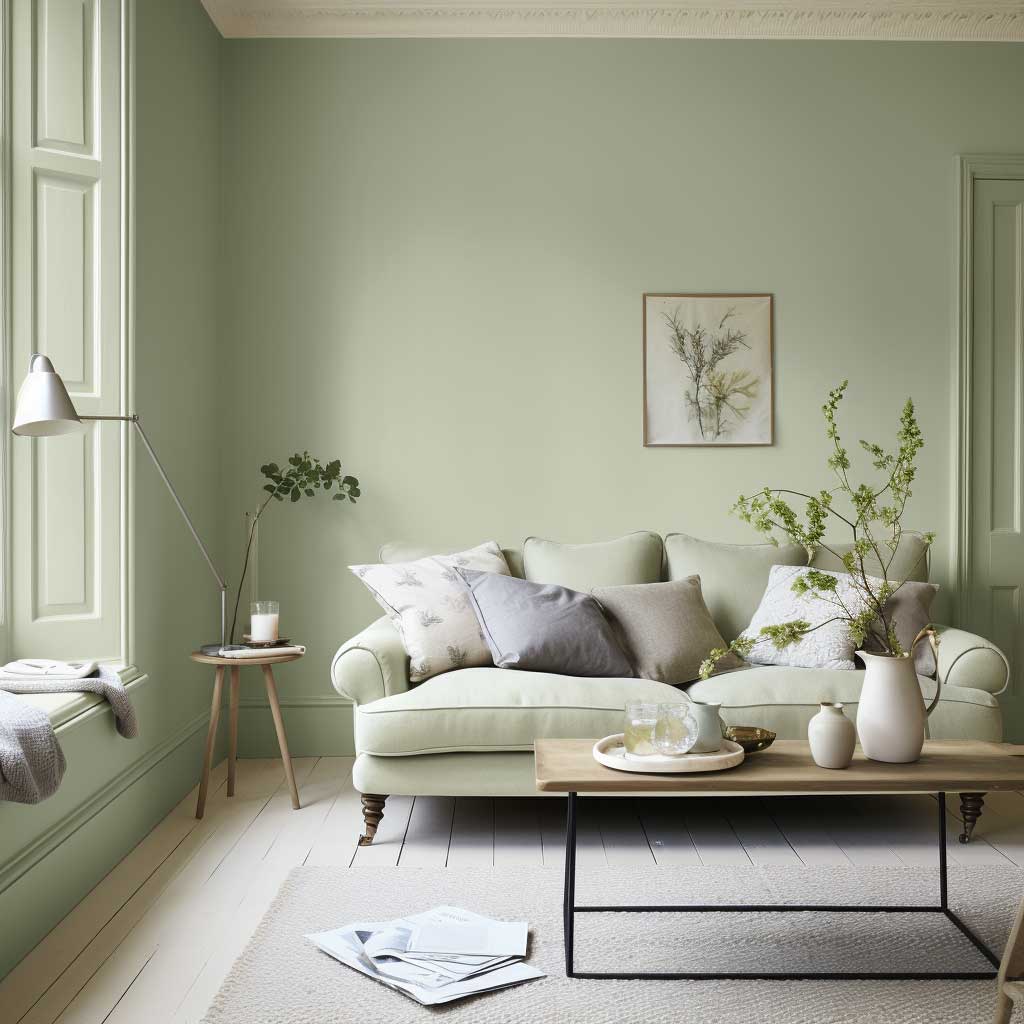
Modern interior design frequently emphasizes minimalist color palettes, matte textures, and seamless transitions between rooms. The versatility of i rp paint lies in its ability to support various gloss levels—ranging from ultra-matte and eggshell to satin and semi-gloss—without sacrificing washability. Ultra-matte finishes, highly favored in contemporary spaces for their ability to absorb harsh light and conceal minor wall imperfections, traditionally suffered from poor stain resistance. Modern formulation chemistry resolves this trade-off by incorporating microscopic ceramic or polymer beads that form a protective barrier against liquid penetration.
Substrate compatibility is another critical consideration for builders and renovators. Whether applied over primed galvanized steel window frames, MDF cabinetry, or textured gypsum board, the adhesion profile determines whether the coating will blister or peel over time. Proper surface preparation, including degreasing and sanding, remains essential, but the intrinsic adhesion promoter technology within premium formulations ensures a tenacious bond across diverse building materials.
Economic Value and Long-Term Durability
While initial material costs often influence purchasing decisions, lifecycle cost analysis reveals that premium architectural coatings provide superior value over time. Inferior paints frequently require multiple coats for adequate coverage and demand premature reprep and repainting due to fading, chalking, or staining.
- Reduced Labor Expenses: Higher hiding power reduces the number of required coats, saving significant labor time during application.
- Extended Maintenance Cycles: Superior scrub resistance and stain-repellent properties delay the need for touch-ups and full room repaints.
- Asset Protection: High-quality exterior and interior variants protect underlying building substrates from moisture infiltration and thermal degradation.
Application Best Practices and Professional Techniques
Achieving a flawless finish with advanced architectural coatings requires strict adherence to manufacturer application guidelines. Environmental conditions during painting directly influence film formation and curing.
- Surface Preparation: Ensure walls are clean, dry, and free of dust, grease, or loose old paint. Fill all nail holes and cracks with a compatible lightweight spackle, sanding smooth once cured.
- Priming: Apply a high-adhesion primer, especially over raw drywall patches, tannin-rich woods, or stark color transitions.
- Environmental Controls: Maintain ambient temperatures between 50°F and 85°F (10°C to 29°C) with relative humidity below 70% during application and curing.
- Application Tools: Use high-density synthetic roller covers matched to the wall texture and professional-grade nylon-polyester brushes for cutting in.
- Recoat Timings: Allow adequate drying time between coats as specified by the manufacturer—typically two to four hours—to prevent lifting the underlying film.
Frequently Asked Questions
Is i rp paint suitable for high-humidity areas like bathrooms and kitchens?
Yes, specific formulations are engineered with antimicrobial additives and moisture-resistant polymer binders that prevent mildew growth and blistering in humid environments, provided adequate mechanical ventilation is present.
How does zero-VOC formulation affect the durability of the paint?
Modern manufacturing techniques allow zero-VOC paints to match or exceed the durability of traditional high-VOC options by utilizing advanced cross-linking acrylic resins instead of solvent-based coalescing agents.
Can this paint be applied directly over glossy oil-based surfaces?
Direct application is not recommended without proper preparation. Glossy surfaces must be thoroughly cleaned, lightly sanded to create a mechanical key, and coated with an appropriate bonding primer to ensure long-term adhesion.
What is the average coverage rate per gallon?
Most standard formulations yield approximately 350 to 400 square feet per gallon per coat, depending on the porosity and texture of the underlying substrate.
How should painted surfaces be cleaned for routine maintenance?
Use a soft microfiber cloth or sponge dampened with water and a mild, non-abrasive liquid detergent. Avoid harsh scrubbing pads or industrial chemical cleaners that can degrade the surface sheen.
Conclusion and Next Actions
Selecting i rp paint represents a pragmatic investment in the longevity, safety, and aesthetic appeal of a contemporary residence. To ensure optimal results, assess the specific moisture, traffic, and lighting conditions of each room before choosing your finish and sheen. Consult technical data sheets for specific thinning ratios and drying schedules, and always purchase sufficient material from a single batch to maintain absolute color consistency across your entire project.
Image Gallery