The Most Conservative US States in 2026: A Data-Driven Analysis
Identifying the most conservative states in 2026 requires an examination of legislative trends, voter registration patterns, and public policy outcomes. While political alignment is dynamic, states such as Wyoming, West Virginia, Idaho...
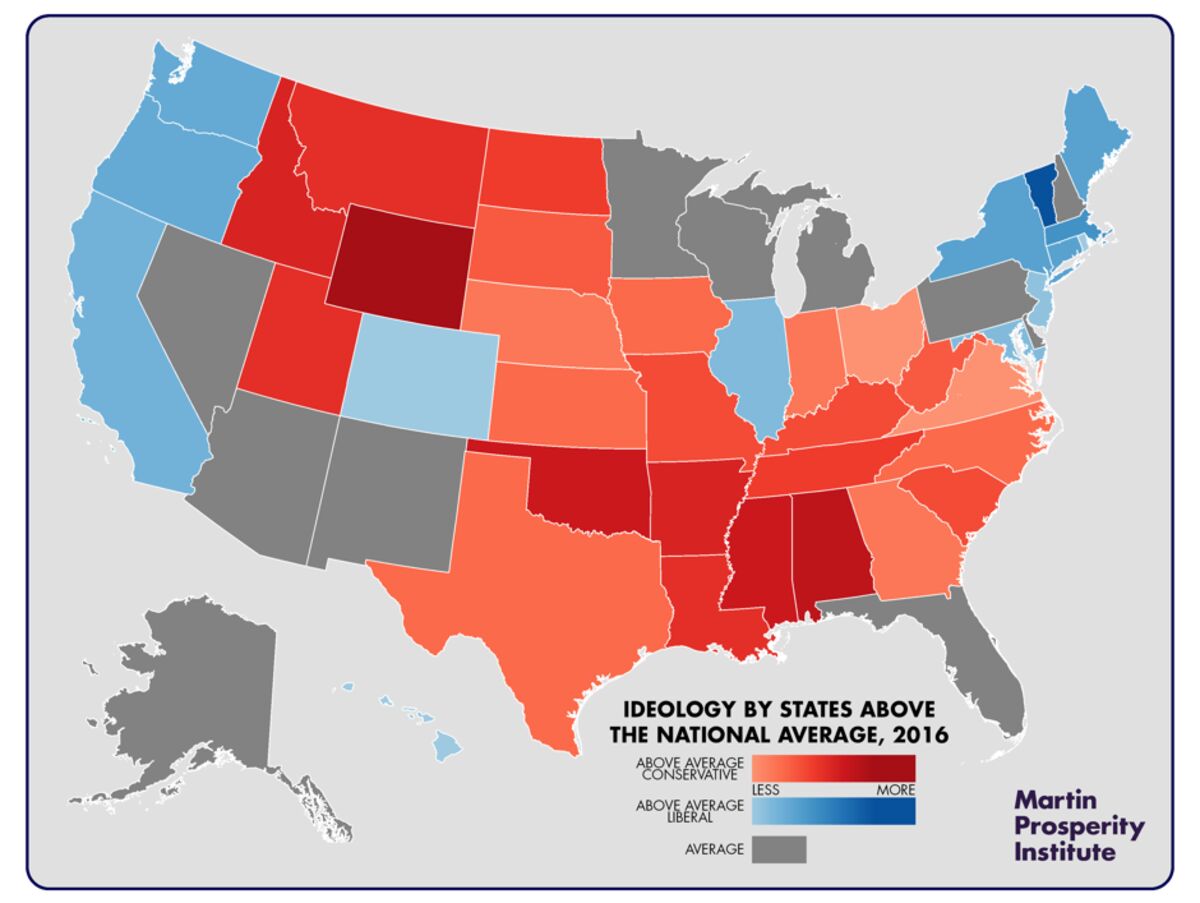
Identifying the most conservative states in 2026 requires an examination of legislative trends, voter registration patterns, and public policy outcomes. While political alignment is dynamic, states such as Wyoming, West Virginia, Idaho, and North Dakota currently exhibit the highest levels of conservative policy implementation and electorate identification, driven by strong rural demographics and consistent Republican supermajorities in state legislatures.
Contents
Defining Political Conservatism in State Governance
To accurately categorize a state’s political orientation, analysts must move beyond mere election night results. In 2026, conservatism at the state level is measured by the adherence to fiscal discipline, the restriction of government intervention in private enterprise, and the prioritization of traditional social policy.
The primary metrics utilized to determine these rankings include:
- State Legislative Supermajorities: The presence of a dominant party capable of overriding executive vetoes or passing constitutional amendments without bipartisan support.
- Fiscal Policy Indexes: Scores based on tax burdens, spending per capita, and the reliance on federal grants versus state-generated revenue.
- Regulatory Climate: The breadth of occupational licensing requirements and the ease of starting and maintaining a small business.
- Public Policy Benchmarks: Legislative focus on state-level mandates regarding education, judicial appointments, and resource management.
Top-Ranked Conservative States for 2026
Based on current legislative agendas and socio-political tracking, these states represent the forefront of conservative governance. Each state below has demonstrated a consistent trend in reinforcing its ideological platform throughout the 2024–2026 cycle.
| State | Primary Conservatism Drivers | Legislative Status |
|---|---|---|
| Wyoming | Minimal taxation, energy industry focus | Solid Republican Control |
| Idaho | Rapid growth with strict fiscal policy | Supermajority |
| West Virginia | Labor reform and traditional values | Supermajority |
| North Dakota | Agricultural and energy sector regulation | Republican Dominance |
| Oklahoma | Judicial conservatism and fiscal restraint | High-margin majority |
Wyoming: The Fiscal Conservative Benchmark
Wyoming continues to maintain the lowest tax burden for residents in the United States. Its commitment to a "no state income tax" policy, paired with significant savings generated through the state's mineral extraction industry, provides a blueprint for fiscal conservatives. In 2026, the state remains focused on maintaining sovereignty over federal land usage, which remains a cornerstone of the state's legislative agenda.
Idaho: Managing Rapid Demographic Shifts
Idaho’s conservative identity is currently challenged by high levels of internal migration. Despite this, the state legislature has tightened its focus on school board accountability and parental rights in education. The "Idaho model" in 2026 is defined by a strong push for rural development and a resistance to expanding urban-centric bureaucratic mandates.
West Virginia: The Appalachian Conservative Stronghold
West Virginia has undergone a seismic political shift over the last decade. As of 2026, the state operates with a firm conservative majority that has prioritized "right-to-work" protections and the incentivization of coal and natural gas infrastructure. The alignment of the executive and legislative branches has allowed for the rapid advancement of conservative social legislation.
Legislative Priorities and State Sovereignty
A defining characteristic of the most conservative states in 2026 is the strategic use of state-level laws to act as a buffer against federal regulatory changes. This practice, often referred to as "interposition," is evident in how these states handle environmental, healthcare, and educational mandates.
State Sovereignty and Federal Policy Interaction
The Role of Legal Challenges: Conservative-leaning states frequently utilize the federal court system to challenge administrative rules. In 2026, this has become a standard operation for state attorneys general in states like Oklahoma and Idaho.
Regulatory Autonomy: These states prioritize maintaining control over professional licensing and business operations. By keeping the regulatory barrier to entry low, they aim to attract business investment while minimizing the footprint of state-level oversight.
Socio-Economic Factors Influencing Political Trends
The conservatism observed in these regions is rarely a singular phenomenon; it is deeply tied to the economic base of the state. States that rely on agriculture, energy production, or decentralized light manufacturing tend to lean conservative.
- Urban vs. Rural Divide: Conservatism in 2026 remains strongest in states where the rural population either exceeds or heavily influences the urban centers.
- Generational Replacement: Unlike coastal states experiencing high turnover, these conservative strongholds often see a higher retention rate of multigenerational families, which stabilizes voting patterns.
- Educational Autonomy: There is a significant movement toward school choice in these states. By 2026, nearly all identified top-tier conservative states have implemented or expanded Education Savings Accounts (ESAs), allowing public funds to follow the student rather than the institution.
FAQ: Understanding Political Rankings
How do we classify a state as "conservative"? Classification is determined by aggregate voting records, the enactment of specific conservative-aligned legislation, and economic performance metrics. These factors are evaluated based on consistency over the current 2026 fiscal cycle.
Does being a "conservative state" mean the state has no debt? Not necessarily. While most of these states have balanced budget requirements in their state constitutions, some may hold debt for infrastructure projects or pension obligations, though their overall debt-to-GDP ratio is significantly lower than the national average.
Why does the ranking change? Rankings fluctuate due to demographic shifts, migration patterns, and the outcomes of state-level elections. In 2026, the most significant changes occur in states that are seeing rapid urbanization, which can incrementally dilute traditional political strongholds.
Are there differences in social versus fiscal conservatism? Yes. Some states may lean heavily fiscal, focusing on low taxes and deregulation, while others prioritize social policy, such as religious liberty protections or parental rights. The most "conservative" states are generally those that align with both, though the weight of each varies by local constituency.
Do these states accept federal funding? Yes. Every state, regardless of its political leaning, participates in federal funding programs such as Medicaid and federal highway grants. The distinction lies in how aggressively the state legislature attempts to manage or limit the federal strings attached to those funds.
The Future of State-Level Conservatism
As we move through 2026, the strategy for conservative state legislatures is clearly shifting from defensive measures to proactive governance. By establishing regional coalitions, these states are creating a network of shared policy goals—such as energy independence and school choice portability—that strengthens their individual positions against federal overreach.
For businesses and residents looking to understand the political climate of these regions, it is essential to look at the specific legislative sessions held in early 2026. The bills passed during this period offer the clearest indication of how each state intends to solidify its conservative identity for the remainder of the decade. Investors and residents should monitor state-level "regulatory scorecards" published by regional policy institutes to gauge the trajectory of these states' business environments.
For further analysis on how specific legislation in these states impacts your sector, consult the official legislative journals published by each state’s capitol.
Image Gallery