Why the Porter Tractor Matters in Urban Gardens
The porter tractor matters in urban gardens because it provides a compact, low-impact mechanized solution for maneuvering through tight spaces, preventing soil compaction, and handling diverse cultivation tasks where traditional full-s...
The porter tractor matters in urban gardens because it provides a compact, low-impact mechanized solution for maneuvering through tight spaces, preventing soil compaction, and handling diverse cultivation tasks where traditional full-sized farm machinery cannot fit.
Contents
Urban agriculture operates under constraints that traditional rural farming never faces. Space is at a premium, plots are often hemmed in by fences, raised beds, or neighboring properties, and soil health is intensely scrutinized because urban growers rely on limited square footage to maximize yields. In this environment, heavy machinery causes catastrophic soil damage, while manual labor alone can quickly lead to physical burnout and restricted productivity. The porter tractor bridges this exact operational gap. By combining diminutive physical dimensions with robust pulling power, utility attachments, and low ground-pressure footprints, these specialized machines have become critical assets for community gardens, commercial urban plots, and intensive backyard micro-farms.
Understanding the Physical and Spatial Constraints of Urban Agriculture
Urban gardening is defined by boundaries. Whether cultivating an abandoned lot in a densely populated metropolis or managing a sprawling community garden divided into individual plots, space management dictates every operational choice. Traditional four-wheel agricultural tractors, designed for multi-acre rural fields, are utterly unsuited for these environments. Their wide wheelbases, massive turning radii, and heavy axle weights make them dangerous and impractical in narrow pathways.
The porter tractor addresses these spatial limitations directly. Typically featuring a narrow track width—often ranging between 24 and 36 inches—these machines can easily navigate standard garden gates, pedestrian pathways, and the aisles between raised beds. Their tight turning radius allows operators to pivot at the end of a short row without crushing adjacent crops or tearing up retaining walls. This maneuverability transforms how urban growers approach labor-intensive layouts, turning what was once a hand-tool-only zone into a mechanically supported workspace.
Furthermore, weight distribution is a critical factor in urban settings. Many urban plots are situated on reclaimed industrial land, rooftop installations, or constrained native soils that have been heavily amended with compost and topsoil. Heavy equipment squeezes pore spaces out of the soil, destroying soil architecture, eliminating microbial habitats, and suffocating plant roots. Porter tractors are engineered to minimize ground pressure, distributing their lighter overall mass evenly across turf tires or specialized tracks. This protects the delicate subterranean ecosystem that urban gardeners work so hard to build and maintain.
Technical Specifications and Operational Versatility
The utility of a porter tractor extends far beyond simple transportation. While the term historically evokes small hauling carts or specialized narrow-profile utility carriers, modern iterations function as multi-use power units capable of operating a wide array of attachments. Understanding their technical capabilities requires examining how power, traction, and tool integration intersect in a compact footprint.
Most porter-style units are powered by small-displacement, high-torque gasoline or diesel engines, or increasingly, quiet and emission-free electric powertrains. This torque-to-weight ratio allows them to haul heavy payloads—such as wet compost, harvested produce, bags of soil amendments, and paving stones—across uneven or sloping terrain without stalling or losing traction.
To evaluate how these machines fit into various garden scales, consider the following comparative breakdown of equipment categories typically utilized in urban cultivation:
| Equipment Type | Typical Width | Primary Use Case | Soil Impact | Attachment Flexibility |
|---|---|---|---|---|
| Traditional Utility Tractor | 60–84+ inches | Large-scale field farming, heavy tilling | High (severe compaction risk) | Extremely high (3-point hitch, PTO) |
| Compact Walking Tractor | 20–30 inches | Intensive market gardening, bed preparation | Moderate-Low (varies by operator) | Moderate (rotary plows, mowers, seeders) |
| Porter Tractor / Utility Carrier | 24–40 inches | Material transport, multi-attachment hauling | Low (optimized weight distribution) | High (bed shapers, sprayers, utility beds) |
| Standard Wheelbarrow | 24–30 inches | Manual transport of small loads | Variable (point-load pressure on wheels) | None |
Attachment versatility is where the porter tractor truly proves its value to urban growers. Equipped with standard power take-off (PTO) equivalents, hydraulic auxiliary lines, or simple mechanical drawbars, these machines can transition from a flatbed transporter to a powered cultivator, seed drill, or irrigation pump driver in minutes. This multi-functionality reduces the need for urban gardens—which often operate on tight, non-profit, or community-funded budgets—to purchase and maintain a fleet of single-use tools.
Soil Preservation and Ecosystem Health
Soil is the foundational asset of any urban garden, yet it is exceptionally vulnerable. Urban soils are frequently contaminated, shallow, or structurally compromised from decades of urban development. When gardeners remediate these plots by layering organic matter, compost, and biochar, they create a fragile, highly productive growing medium.
Using heavy machinery on these amended soils triggers compaction, a process where soil particles are pressed together, reducing pore space for air and water infiltration. Compacted soil leads to water pooling, anaerobic conditions, stunted root growth, and a drastic reduction in beneficial soil biology like earthworms and mycorrhizal fungi.
The porter tractor mitigates this threat through lower axle loads and specialized tire options. Turf tires with wide surface areas spread the weight of the machine, preventing the deep ruts associated with heavier agricultural equipment. For extremely delicate rooftop gardens or heavily mulched perennial food forests, track-driven porter units distribute weight even more uniformly. By protecting soil structure, these machines ensure that water can infiltrate deeply, roots can access oxygen unhindered, and the soil microbiome can thrive, directly translating to higher crop yields and healthier plants.
Economic Efficiency and Labor Management in High-Density Plots
Labor is often the most expensive and limited resource in urban agriculture. Community gardens rely on volunteer hours, while urban market farms operate on razor-thin profit margins where every hour spent moving materials manually detracts from revenue-generating activities like planting, pruning, and harvesting.
Hauling yards of heavy compost, rocks for pathway construction, or crates of harvested vegetables using manual wheelbarrows is physically punishing work that limits the scale at which urban farms can operate. A porter tractor multiplies human labor efficiency. A single operator can transport the equivalent of six wheelbarrow loads in a single trip, saving hours of manual labor and reducing physical strain, repetitive motion injuries, and fatigue among farm workers and volunteers.
| Operational Task | Manual Method (Wheelbarrow/Hand Tools) | Porter Tractor Method | Time & Labor Savings |
|---|---|---|---|
| Moving 2 Cubic Yards of Compost | 30–40 individual trips; 2–3 workers; 3 hours | 3–4 mechanical trips; 1 worker; 45 minutes | ~75% reduction in labor hours |
| Clearing Heavy Debris / Rocks | High physical strain; risk of back injury | Mechanical bed tipping or winch assist | High safety improvement; faster clearance |
| Transporting Produce Harvest | Multiple hand crates; slow movement | Secure pallet or flatbed transport | Reduced crop bruising; high throughput |
By lowering the physical barrier to heavy material handling, porter tractors enable smaller teams to manage larger, more productive plots. This economic viability is crucial for urban agriculture initiatives striving for financial self-sustainability.
Overcoming Operational Challenges and Safety Considerations
Despite their significant advantages, introducing any motorized machinery into a densely populated urban garden introduces specific management challenges. Operators must account for pedestrian safety, noise pollution, and physical site limitations.
Urban gardens are shared spaces frequently visited by children, volunteers, and the general public. The low profile and quieter operation of modern porter tractors—particularly electric models—help mitigate noise complaints in residential neighborhoods and reduce blind spots. However, operators must still establish clear protocols, such as designated operating hours, pedestrian-free pathways during high-traffic community garden days, and mandatory operator training for volunteers.
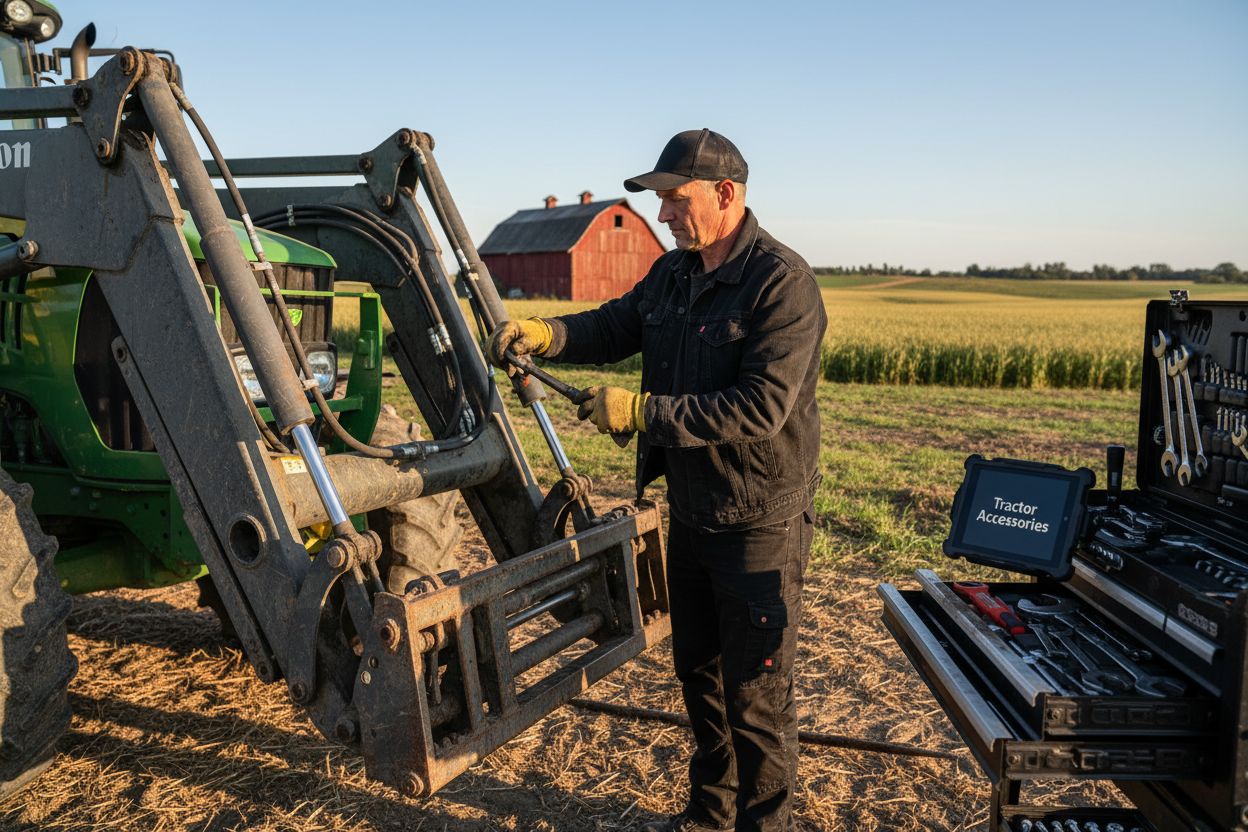
Another consideration is maintenance and technical upkeep. Urban garden projects often lack dedicated mechanics. Therefore, selecting a porter tractor with accessible service points, readily available replacement parts, and straightforward mechanical or electric architecture is essential. Proper end-of-season storage and adherence to manufacturer guidelines regarding battery maintenance (for electric units) or fuel stabilization (for gas/diesel units) ensure longevity and protect the capital investment.
Frequently Asked Questions
What makes a porter tractor better for urban gardens than a standard riding lawn mower?
While riding lawn mowers are compact, they are designed primarily for turf maintenance and lack the towing capacity, heavy-duty chassis, and attachment versatility required for agricultural and soil-management tasks. Porter tractors feature reinforced beds, higher torque at low speeds, and utility connections designed specifically for hauling dense materials like soil, rocks, and harvested crops without burning out the transmission.
Can porter tractors be used inside greenhouses or high tunnels?
Yes. Many electric porter tractors are specifically designed for indoor and covered cultivation because they produce zero tailpipe emissions, preventing toxic gas buildup in enclosed high tunnels, hoop houses, and urban glasshouses. Their narrow footprints also allow them to pass easily through standard greenhouse double doors.
How do porter tractors protect urban soil from compaction?
Porter tractors achieve low soil compaction by maintaining a lightweight overall profile and distributing that weight across wide turf tires or specialized continuous tracks. This design prevents the high psi (pounds per square inch) point-load pressure exerted by narrow-wheeled vehicles, keeping soil pores open for water, air, and root penetration.
Are electric porter tractors practical for full-day urban farm operations?
Modern electric porter tractors equipped with lithium-ion battery packs offer sufficient run time for standard daily tasks on small-to-medium urban plots—typically ranging from 4 to 8 hours of mixed hauling and utility work depending on load weight. For intensive operations running continuous shifts, swap-out battery systems or quick-charging infrastructure make all-day use entirely viable.
What kind of maintenance do porter tractors require?
Maintenance requirements depend on the powertrain. Electric models require minimal upkeep, primarily focusing on battery health management, terminal cleaning, and periodic brake and tire checks. Gas or diesel models require standard small-engine maintenance, including oil changes, air filter replacements, spark plug checks, and fuel system stabilization during storage periods.
Practical Next Steps for Urban Growers
Integrating a porter tractor into an urban gardening operation requires a systematic assessment of site needs, physical dimensions, and budget constraints. Begin by measuring the narrowest access points, gates, and pathways on your site to establish strict maximum width requirements. Next, audit your daily labor bottlenecks—identify whether your primary challenge is moving heavy inputs like compost, clearing debris, or transporting harvests.
Once your spatial and functional requirements are clear, research local equipment dealers or agricultural extension services to arrange a hands-on demonstration. Testing a unit directly on your soil type and terrain will verify whether a gas, diesel, or electric model best serves your community's long-term production goals and environmental standards.
Image Gallery