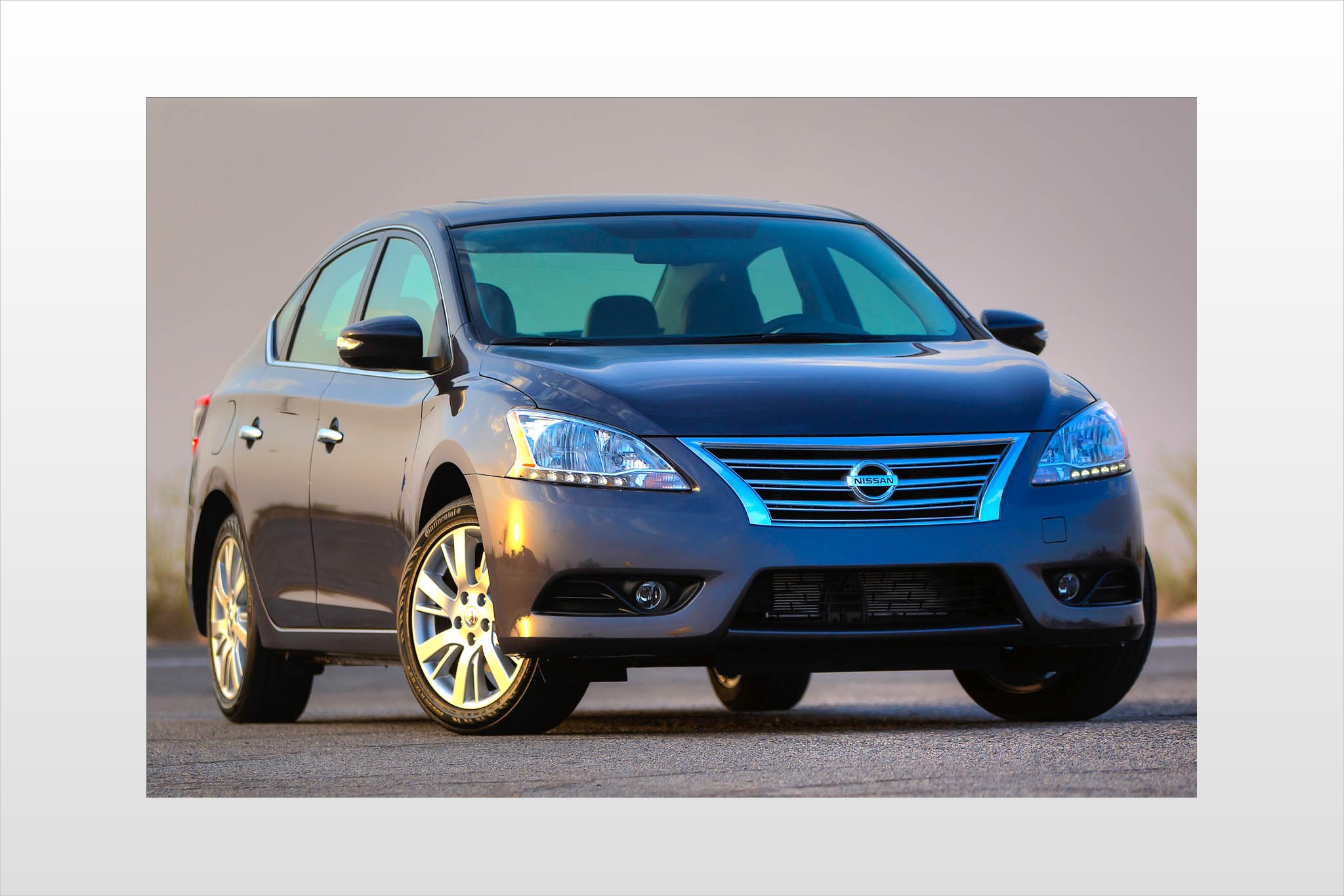
Understanding the 2015 Nissan Sentra Horsepower and Engine Performance
The 2015 Nissan Sentra is equipped with a 1.8-liter four-cylinder engine that produces 130 horsepower and 128 pound-feet of torque. This powertrain is standard across all trim levels—S, FE+ S, SV, SR, and SL—and is engineered primarily...
The 2015 Nissan Sentra is equipped with a 1.8-liter four-cylinder engine that produces 130 horsepower and 128 pound-feet of torque. This powertrain is standard across all trim levels—S, FE+ S, SV, SR, and SL—and is engineered primarily to balance fuel efficiency with daily commuting requirements in an accessible sedan platform.
Contents
Powertrain Engineering and Specifications
The 2015 Nissan Sentra utilizes the MRA8DE engine, a 1.8-liter DOHC (Double Overhead Camshaft) 16-valve four-cylinder unit. This engine was designed by Nissan to prioritize internal friction reduction and thermal efficiency rather than raw high-speed performance.
At 130 horsepower, the Sentra occupies a competitive space for compact sedans of its era, though it is often noted for being tuned toward gradual acceleration rather than spirited driving. The engine features Twin Continuously Variable Valve Timing Control (CVTC) on both intake and exhaust ports. This technology adjusts the timing of the valve opening and closing based on engine load, which improves engine breathing and contributes to the vehicle's EPA-estimated fuel economy ratings.
The engine is paired with one of two transmission configurations:
- 6-Speed Manual Transmission: Standard on the base S trim, offering the driver greater control over the gear ratios and the power delivery curve.
- Xtronic Continuously Variable Transmission (CVT): Standard on all other trims and optional on the S. This transmission does not use traditional fixed gears; instead, it uses a system of pulleys and a steel belt to provide a seamless transition between ratios, effectively keeping the engine at its most efficient RPM range during acceleration.
Performance Dynamics in Real-World Conditions
When assessing the 130-horsepower output, it is important to consider how the power-to-weight ratio affects daily driving. Weighing in at approximately 2,850 to 2,900 pounds depending on the trim level, the 2015 Sentra is not intended for heavy towing or high-performance maneuvers.
In urban environments, the torque curve is tuned to provide sufficient "punch" from a stop, making the car feel responsive in stop-and-go traffic. The CVT, while sometimes criticized by driving enthusiasts for its "rubber band" feel during hard acceleration, serves the intended purpose of the 130-horsepower engine by keeping the power delivery smooth and predictable. On highway stretches, the engine operates at lower RPMs to maintain cruising speeds, which reduces noise and vibration while maximizing fuel efficiency.
Comparative Analysis of Performance Metrics
To understand where the 2015 Nissan Sentra sits within the compact sedan segment of that year, it is useful to look at the power outputs of its primary competitors. While the Sentra was not the most powerful in its class, its consistent 130-horsepower rating provided a reliable benchmark for fleet and commuter-focused buyers.
| Vehicle Model | Engine Size | Horsepower | Transmission Type |
|---|---|---|---|
| 2015 Nissan Sentra | 1.8L I4 | 130 hp | CVT / 6-Speed Manual |
| 2015 Honda Civic | 1.8L I4 | 143 hp | CVT / 5-Speed Manual |
| 2015 Toyota Corolla | 1.8L I4 | 132 hp | CVT / 4-Speed Auto / 6-MT |
| 2015 Hyundai Elantra | 1.8L I4 | 145 hp | 6-Speed Auto / 6-MT |
As demonstrated in the table, the Sentra sits within a very narrow power band relative to its closest Japanese and Korean counterparts. The slight deficit in horsepower compared to the Civic or Elantra is typically offset by Nissan’s focus on the efficiency of the Xtronic CVT.
Maintenance Considerations for Optimal Output
To maintain the factory-rated 130 horsepower over the vehicle's lifespan, owners must adhere to strict maintenance protocols. Because the performance is highly dependent on the efficiency of the intake and exhaust systems, simple neglect can lead to a perceptible drop in power.
- Air Intake System: A clogged engine air filter restricts the oxygen flow necessary for combustion. Replacing this filter every 15,000 to 30,000 miles, depending on environmental conditions, is critical for maintaining performance.
- Spark Plug Integrity: The MRA8DE engine requires iridium-tipped spark plugs for long-term reliability. Worn plugs can cause misfires, which directly translate to a loss of horsepower and a decrease in fuel economy.
- Transmission Fluid Maintenance: For models equipped with the CVT, fluid health is paramount. Because the transmission relies on hydraulic pressure to manage the pulley ratios, degraded or contaminated fluid can lead to "slippage," where the engine revs increase without a corresponding increase in wheel speed. This often creates the false impression that the engine has lost power.
- Fuel Quality: While the engine is designed for 87-octane regular unleaded gasoline, using fuel with significant deposit buildup can affect long-term engine performance. Using Top Tier-certified fuel helps keep the fuel injectors and intake valves clean.
Limitations and Troubleshooting Power Concerns
Drivers occasionally report that their 2015 Sentra feels "sluggish" or fails to reach expected acceleration levels. Before assuming a mechanical failure, it is important to distinguish between engine power output and transmission characteristics.
- Transmission Lag: Drivers switching from a traditional automatic transmission to the CVT may interpret the lack of "shift points" as a loss of power. This is a behavioral difference in how the transmission manages the 130 horsepower, rather than an actual deficit.
- Check Engine Light (CEL): If the vehicle is genuinely struggling to maintain speed, it will almost always trigger a diagnostic trouble code (DTC). Common issues for this specific engine include mass airflow (MAF) sensor contamination or ignition coil failure. Using an OBD-II scanner can provide the specific code needed to pinpoint whether the issue is fuel, air, or spark-related.
- Eco Mode Usage: The 2015 Sentra includes an "Eco" mode. When engaged, this mode significantly adjusts the throttle sensitivity and transmission mapping to prioritize fuel economy. In this mode, the car will feel significantly slower, as the computer limits the engine's readiness to provide full power. Turning off Eco mode is the first troubleshooting step for owners who feel the car lacks responsiveness.
Next Steps for Owners
If you are assessing the performance of a 2015 Nissan Sentra, start by verifying your driving mode settings and ensuring that your routine maintenance—specifically regarding the air intake and transmission—is up to date. For those concerned about a decline in performance, a professional diagnostic scan can reveal if your engine is producing its full factory-rated output or if specific sensors are limiting the power delivery. For optimal results, ensure the vehicle is running on fresh, high-quality engine oil, which helps minimize internal friction and supports the engine's longevity.
Image Gallery