Jimmy's Iced Coffee Net Worth: Business Valuation, Founder Earnings, and the Britvic Acquisition
While private equity payouts remain confidential, industry estimates and Britvic financial disclosures value Jimmy’s Iced Coffee at approximately £10 million to £15 million at the time of its sale in August 2023. Founders Jim Cregan an...
While private equity payouts remain confidential, industry estimates and Britvic financial disclosures value Jimmy’s Iced Coffee at approximately £10 million to £15 million at the time of its sale in August 2023. Founders Jim Cregan and Suzie Cregan built the Dorset-based ready-to-drink coffee brand into an enterprise generating over £16 million in retail sales, netting multi-million-pound payouts upon acquisition.
Contents
Understanding the Net Worth and Valuation of Jimmy's Iced Coffee
When discussing Jimmy's iced coffee net worth, it is essential to separate two distinct financial concepts: the total enterprise valuation of the brand and the personal net worth generated by co-founders Jim Cregan and his sister, Suzie Cregan. Because Jimmy’s Iced Coffee operated as a privately held entity under the parent company Keep Your Chin Up Ltd prior to 2023, exact personal balance sheets are not public record. However, corporate filings, retail turnover reports, and acquisition disclosures provide a transparent view of the company’s financial worth.
Before its acquisition by soft drinks giant Britvic PLC in August 2023, Jimmy's Iced Coffee had grown into one of the leading ready-to-drink (RTD) coffee brands in the United Kingdom. The brand achieved annual retail sales value exceeding £16 million, driven by nationwide distribution across major supermarket chains, convenience stores, and quick-service retail outlets.
The acquisition marked a pivotal liquidity event for the founders. By purchasing 100% of the share capital, Britvic absorbed the brand into its extensive portfolio—which includes iconic names like Robinsons, Tango, and Teisseire—while providing the co-founders with a substantial multi-million-pound exit.
The Growth Trajectory: From Dorset Startup to National Retailer
To understand how Jimmy's Iced Coffee built its commercial value, one must look at its operational evolution. Founded in 2010 in Christchurch, Dorset, the business started with a straightforward vision: create a clean, refreshing, ready-to-drink iced coffee using natural ingredients and sustainable packaging, free from artificial additives.
Early Bootstrapping and Local Market Testing
Jim Cregan, who spent time in Australia experiencing the country's vibrant iced coffee culture, realized the UK market lagged behind in quality RTD coffee offerings. Returning to the UK, he partnered with his sister Suzie, a experienced graphic designer and operational planner. The duo initially bootstrapped the venture, producing early batches and selling directly to independent cafes, beach huts, and local festivals across the south coast of England.
Their early financial strategy focused on strict cash flow management and organic growth:
- Minimal Capital Expenditure: Initial recipes were tested in local kitchens and manufactured through co-packing partners, eliminating the heavy upfront capital needed to build proprietary bottling plants.
- Distinct Brand Identity: Suzie Cregan designed distinctive, vibrant carton packaging accompanied by the upbeat tagline "Keep Your Chin Up." This memorable branding helped the product stand out on crowded supermarket shelves without relying on massive advertising budgets.
- Direct Community Engagement: The founders used guerilla marketing, sampling events, and social media storytelling to build brand equity before approaching tier-one grocery buyers.
Expanding Nationwide Distribution
The turning point for the brand's valuation occurred when Jimmy's secured listings in major UK supermarket chains, including Tesco, Sainsbury's, Waitrose, Morrisons, and Asda, alongside high-street retailers such as Boots and WHSmith.
- Local Festivals & Cafes (2010-2012)
- Regional Supermarket Listings (2013-2016)
- Nationwide Retail & Format Evolution (2017-2022)
- Britvic PLC Acquisition (August 2023)
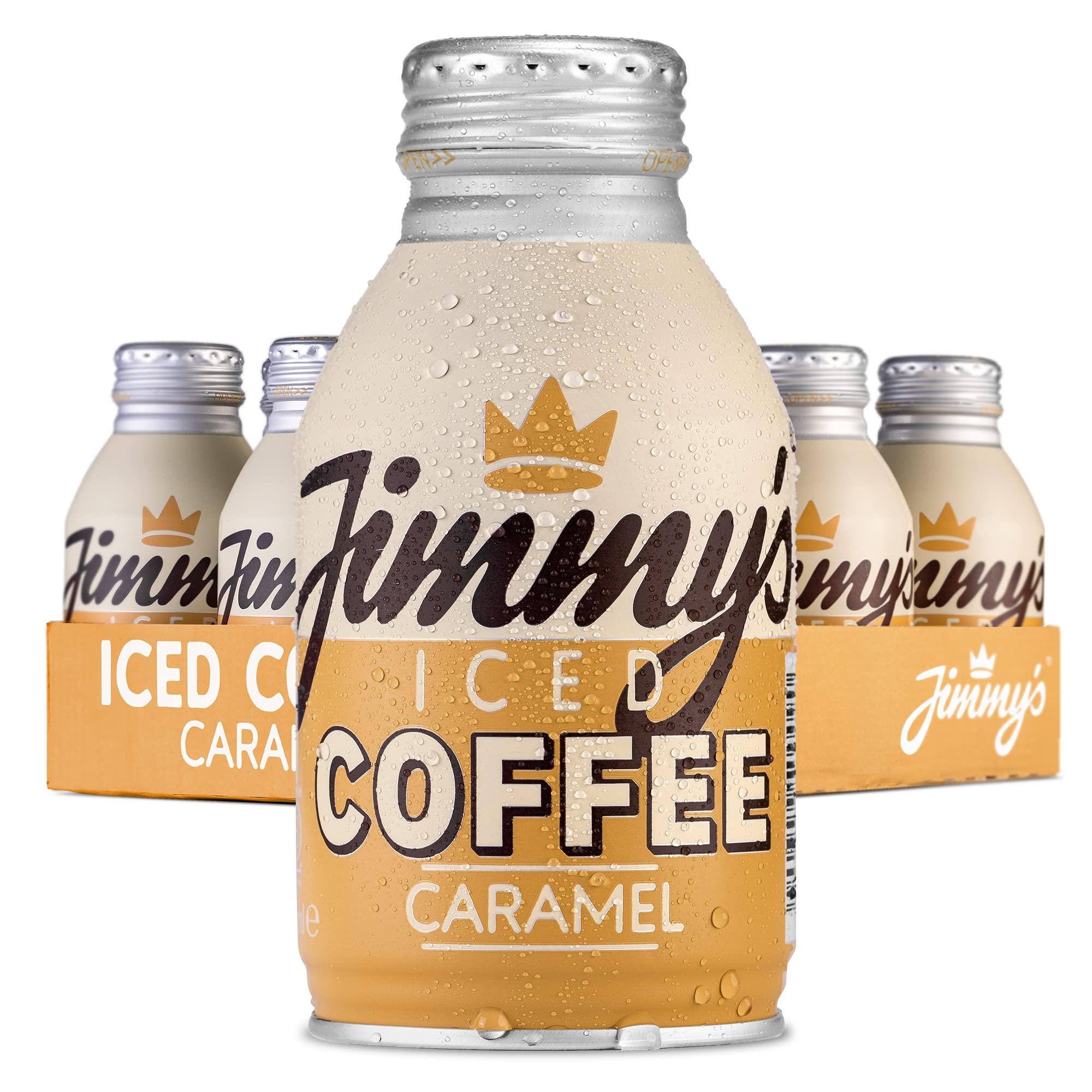
As product placement expanded from specialty refrigerated sections to mainstream grab-and-go meal-deal slots, sales volume accelerated. The transition from carton packaging to infinitely recyclable slimline aluminum cans further boosted margins, improved shelf stability, and opened new wholesale distribution channels.
The 2023 Britvic Acquisition: Deal Valuation and Strategic Rationale
In August 2023, FTSE 250 beverage corporate Britvic PLC officially announced the acquisition of 100% of Jimmy's Iced Coffee. This corporate buyout directly defined the market net worth of the business.
Why Britvic Bought Jimmy's Iced Coffee
The UK ready-to-drink coffee market represented one of the fastest-growing segments within non-alcoholic beverages, expanding at over 15% annually and reaching a market value above £140 million by 2023. While traditional soft drinks faced regulatory pressures such as the UK Sugar Tax, RTD coffee offered high-margin growth fueled by younger, convenience-oriented consumers.
Britvic’s strategic motivation centered on several factors:
- Immediate Segment Leadership: Buying an established challenger brand gave Britvic instant market share against global competitors like Starbucks (distributed by Arla) and Costa Coffee (owned by Coca-Cola).
- Distribution Synergies: Britvic’s powerful logistics and sales force could plug Jimmy’s Iced Coffee into thousands of secondary retail locations, pub chains, cinemas, and food-service outlets previously inaccessible to an independent brand.
- Cost Optimization: Consolidating procurement, freight, and administrative functions into Britvic’s infrastructure provided immediate margin expansion.
Valuation Metrics and Founder Payouts
In CPG (Consumer Packaged Goods) acquisitions, purchase multiples typically range between 1.2x to 2.5x annual net revenue, depending on growth trajectory, gross margins, and brand equity. Prior to the sale, Jimmy's Iced Coffee generated net revenues of approximately £10.5 million (corresponding to a retail sales value of £16 million+).
Based on transaction filings and prevailing market multiples for premium UK beverage brands, industry analysts estimate the total purchase price paid by Britvic was between £10 million and £15 million.
Because Jim and Suzie Cregan maintained significant equity ownership alongside early angel investors, the transaction resulted in estimated equity payouts in the multi-million-pound range for the co-founders, cementing their personal wealth post-exit.
Key Financial Metrics and Enterprise Overview
The following table summarizes the key financial milestones, ownership structure, and corporate metrics surrounding Jimmy's Iced Coffee up to and following its corporate acquisition:
| Financial / Corporate Metric | Details & Data |
|---|---|
| Brand Founded | 2010 (Christchurch, Dorset, UK) |
| Co-Founders | Jim Cregan & Suzie Cregan (Armstrong) |
| Parent Entity Prior to Acquisition | Keep Your Chin Up Ltd |
| Acquiring Company | Britvic PLC (Acquired August 2023) |
| Estimated Net Revenue (Pre-Sale) | ~£10.5 Million |
| Retail Sales Value (RSV) | £16+ Million |
| Estimated Transaction Valuation | £10 Million – £15 Million |
| Primary Retail Partners | Tesco, Sainsbury's, Waitrose, Asda, Morrisons, Boots |
| Product Formats | Original, Double Shot, Oat, Skimmed, Salted Caramel (Cans & Cartons) |
Post-Acquisition Performance and Brand Scaling
Following the deal, Jimmy’s Iced Coffee did not vanish into corporate bureaucracy; instead, Britvic used its capital to accelerate brand presence nationwide.
Expanding Scale Under Britvic
Under Britvic’s ownership, the brand benefited from enhanced operational capabilities:
- Expanded Shelf Space: Securing dual-placement in supermarkets (both dedicated coffee aisles and front-of-store lunch units).
- Supply Chain Optimization: Lowering unit production costs by utilizing Britvic’s large-scale co-packing networks and raw material sourcing agreements.
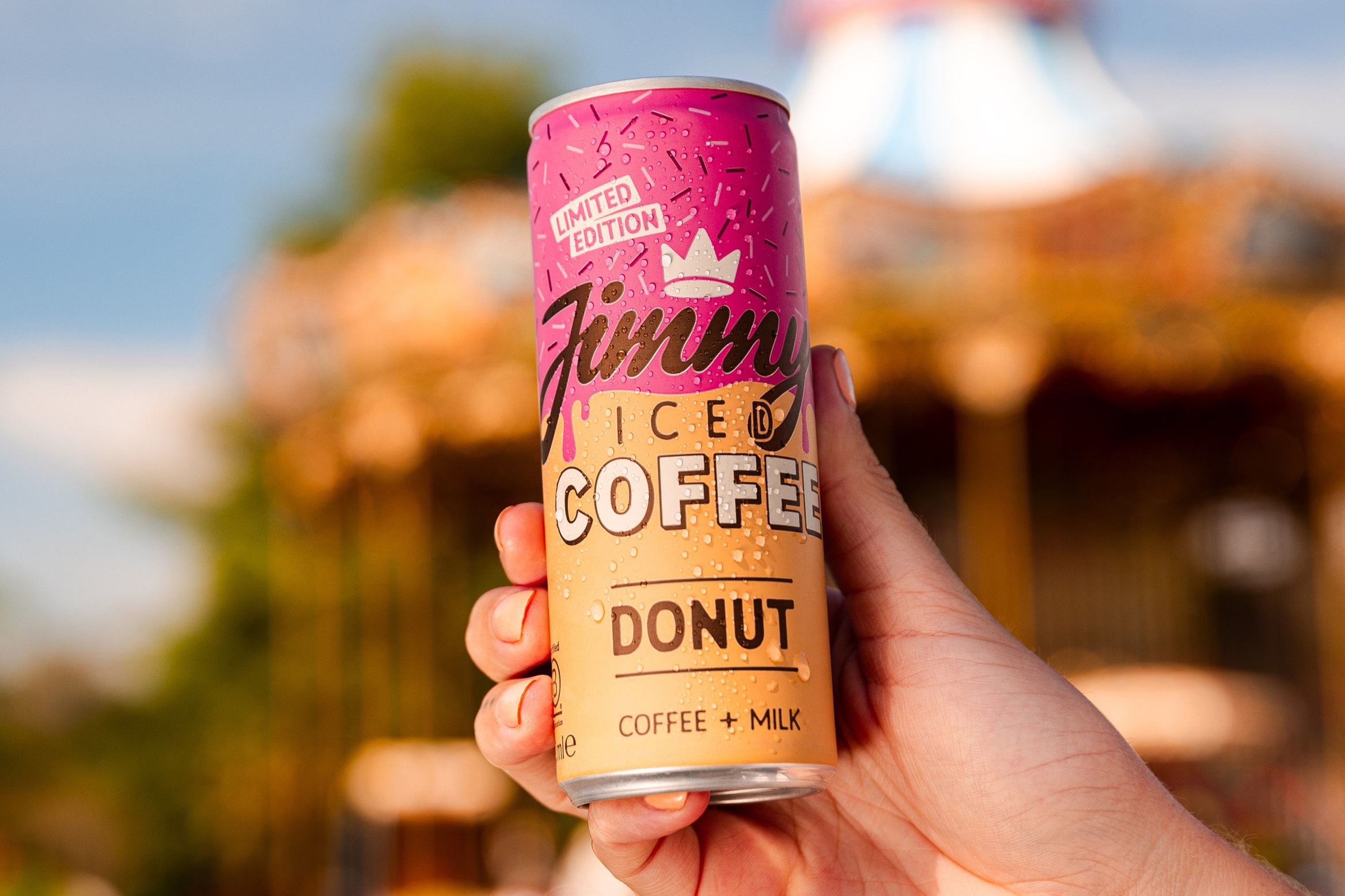
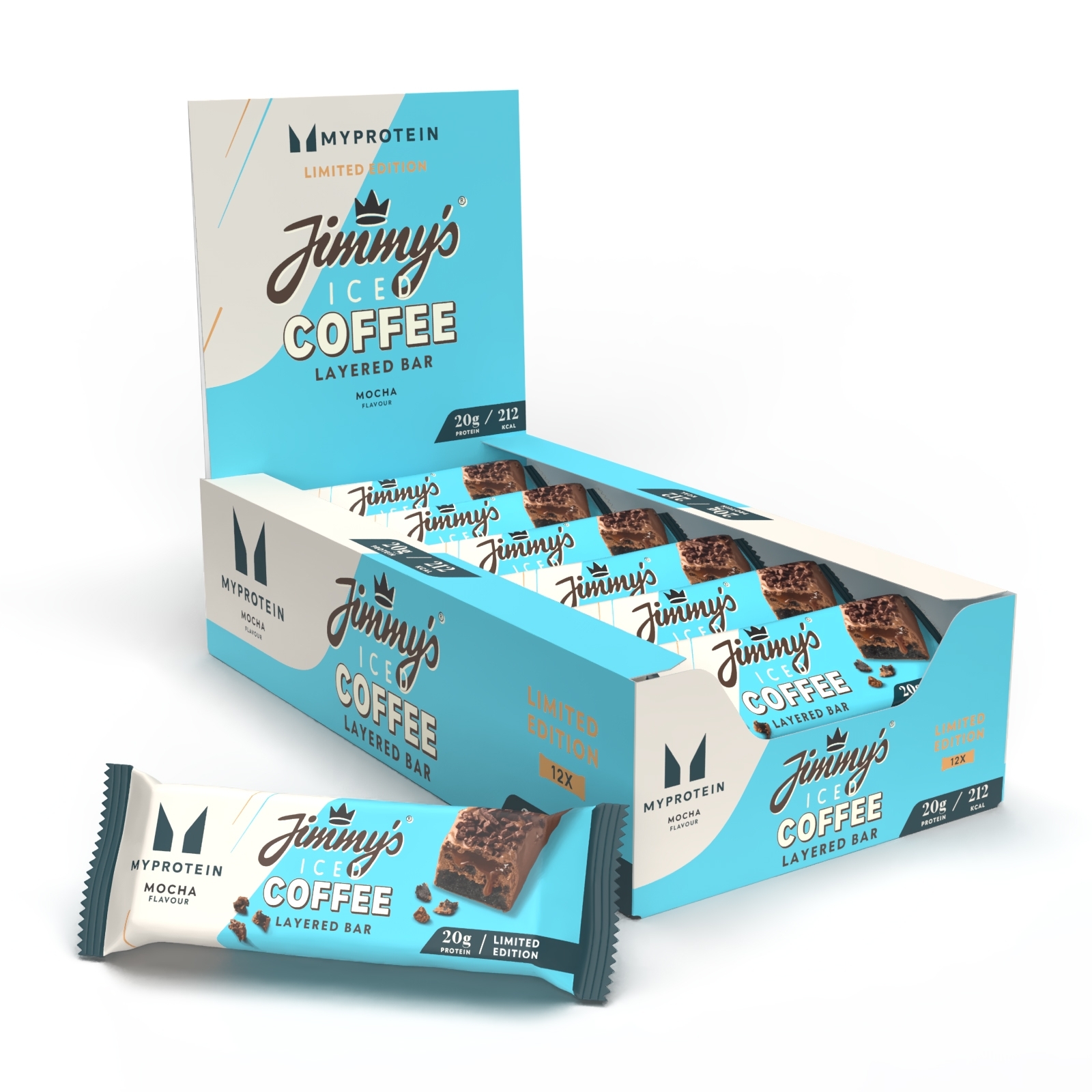
- New Product Innovation: Introducing larger format cans, protein-infused coffee variants, and limited-edition seasonal flavors to capture diverse consumer demographics.
The Role of the Founders Post-Sale
As is standard in founder-led CPG exits, Jim Cregan remained associated with the brand in an ambassadorial and advisory capacity during the transition phase. This arrangement allowed the brand to maintain its authentic, personal voice—a key driver of customer loyalty—while enabling Britvic’s corporate management team to run daily operations, logistics, and supply chain management.
Business Lessons for CPG Founders from the Jimmy's Story
The financial success and eventual multi-million-pound net worth created by Jimmy's Iced Coffee offer valuable tactical insights for prospective founders and beverage entrepreneurs:
1. Authenticity Drives Premium Margins
Jimmy's relied heavily on genuine personality and community engagement rather than generic corporate marketing. By creating a relatable origin story and establishing the "Keep Your Chin Up" philosophy, the brand cultivated strong customer retention. High brand loyalty reduces customer acquisition costs and commands premium retail pricing, directly increasing company valuation.
2. Focus on Packaging Efficiency and Margin Expansion
Transitioning early from cartons to standard aluminum cans was a critical operational decision. Aluminum cans offer better transport efficiency, longer shelf life, superior recyclability, and wider acceptance in automated vending and grab-and-go units. Improving product gross margins directly improves EBITDA multiples during acquisition negotiations.
3. Maintain Equity Control Until Liquidity Events
Jim and Suzie Cregan avoided over-diluting their capital table with excessive venture capital funding during the early stages. By growing prudently and retaining majority ownership, the co-founders ensured that the final sale to Britvic translated into substantial personal net worth rather than being swallowed by senior liquidation preferences from institutional investors.
Frequently Asked Questions
What is the estimated net worth of Jimmy's Iced Coffee?
At the time of its acquisition by Britvic PLC in August 2023, Jimmy's Iced Coffee had an estimated enterprise valuation between £10 million and £15 million, backed by annual retail sales exceeding £16 million.
Who owns Jimmy's Iced Coffee today?
Jimmy's Iced Coffee is 100% owned by Britvic PLC, a FTSE 250 soft drinks manufacturer based in the United Kingdom. Britvic acquired the company from co-founders Jim Cregan, Suzie Cregan, and minority investors in August 2023.
How much did Britvic pay for Jimmy's Iced Coffee?
While exact terms of the private transaction were kept confidential within Britvic’s financial reporting limits, industry estimates and standard turnover multiples place the purchase price in the range of £10 million to £15 million.
Who founded Jimmy's Iced Coffee?
The brand was founded in 2010 by sibling entrepreneurs Jim Cregan and Suzie Cregan (now Suzie Armstrong) in Christchurch, Dorset, England.
Is Jim Cregan still involved with Jimmy's Iced Coffee?
Following the sale in August 2023, Jim Cregan stepped down from day-to-day executive management but continued to support the brand through ambassadorial duties and brand promotional campaigns alongside Britvic's commercial team.
Final Takeaways for Beverage Investors and Entrepreneurs
The financial story of Jimmy's Iced Coffee illustrates how targeted product design, lean operational scaling, and smart equity management can create tens of millions of pounds in brand equity from modest initial capital. By identifying an underdeveloped retail niche—ready-to-drink coffee—and scaling nationwide supermarket presence, the founders converted a local Dorset startup into an attractive target for a FTSE 250 enterprise acquisition.
For entrepreneurs aiming to build enterprise value in consumer goods, prioritizing strong gross margins, sustainable packaging formats, and equity preservation remains the clearest path to achieving a high-value corporate exit.
Image Gallery