The Ultimate Lotus Drink Recipe Guide for 2026
The lotus drink is a vibrant, caffeinated energy beverage crafted by combining Lotus Energy concentrate with sparkling water and flavored syrups. Often served over ice, this drink allows for infinite flavor customization, making it a s...
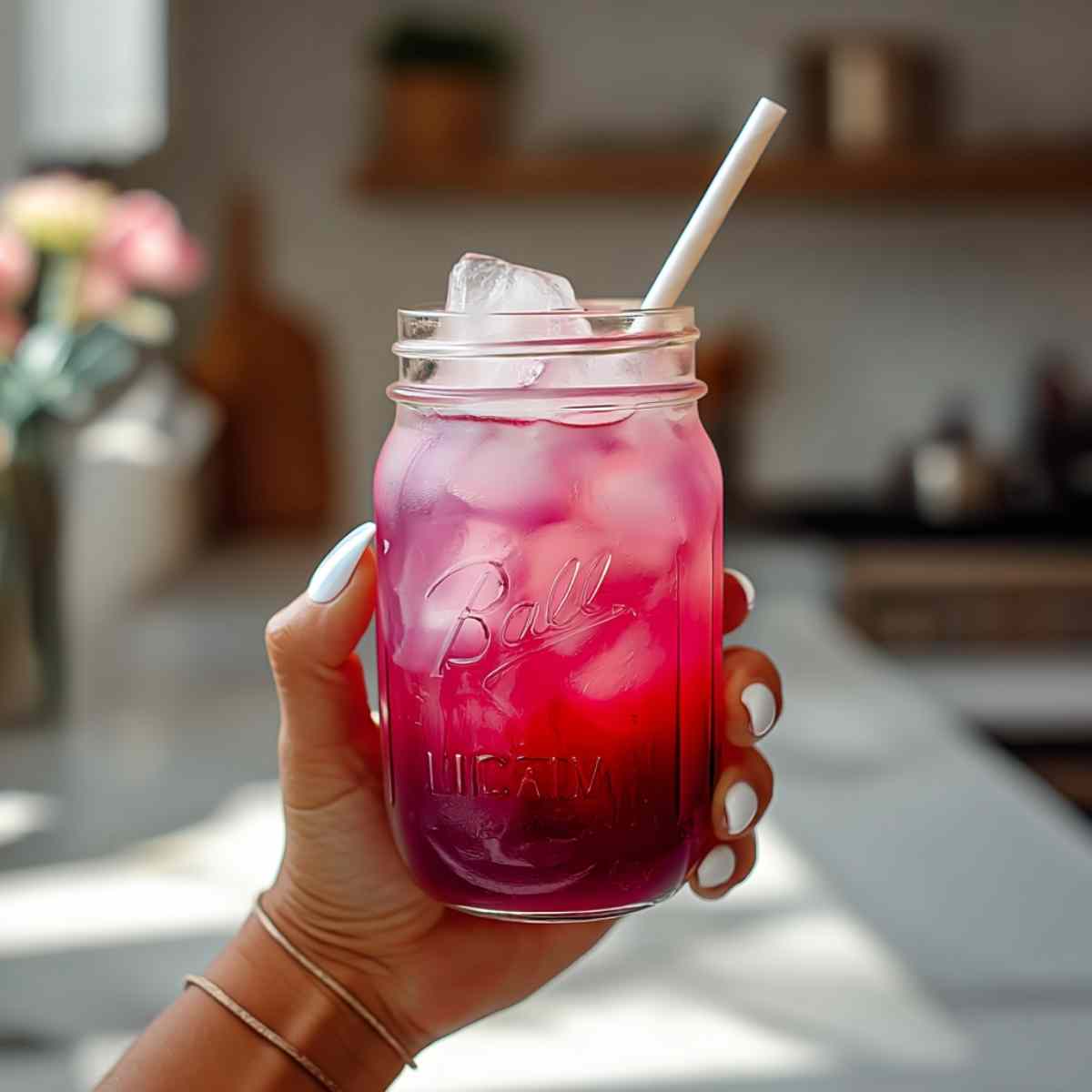
The lotus drink is a vibrant, caffeinated energy beverage crafted by combining Lotus Energy concentrate with sparkling water and flavored syrups. Often served over ice, this drink allows for infinite flavor customization, making it a staple in modern cafe culture for those seeking a highly personalized, refreshing caffeine boost.
Contents
Understanding the Components of a Lotus Drink
To master the lotus drink, one must understand the three foundational pillars that define the beverage's structure: the energy base, the carbonated water, and the flavor infusions. Unlike traditional energy drinks sold in cans, the Lotus Energy concentrate system relies on plant-based ingredients and a proprietary blend of coffee fruit (cascara) and green coffee extract.
- The Energy Concentrate: This is the heart of the drink. Lotus Energy offers various product lines, including Gold (original), Pink (sugar-free options), and Lemonade bases. In 2026, the industry standard relies on using 1 ounce of concentrate per 12 ounces of finished beverage to achieve the desired energy-to-volume ratio.
- Carbonated Water: High-quality sparkling water or club soda is essential. The carbonation must be sharp to cut through the sweetness of the syrups.
- Syrup Profiles: The versatility of the lotus drink comes from Monin, Torani, or 1883 syrup pairings. Popular profiles include Blue Lotus (Blue Raspberry), Tropical (Coconut/Pineapple), and Desert Pear.
Precise Preparation Workflow for the Perfect Lotus Drink
Achieving the correct balance between acidity, sweetness, and carbonation requires a specific sequence of assembly. Follow this workflow to ensure professional-grade results.
- Select Your Vessel: Use a 16-ounce or 24-ounce serving cup. Smaller cups lead to an overpowering energy concentrate flavor, while excessively large cups dilute the effect.
- Add the Flavoring: Pump the desired syrups first. For a 16-ounce drink, 1 ounce of syrup is standard.
- Incorporate the Concentrate: Add 1 ounce of Lotus Energy concentrate to the bottom of the cup. Mixing the syrup and concentrate together first prevents settling.
- Aerate and Dilute: Fill the cup with ice until it is three-quarters full. Pour chilled sparkling water over the mixture, leaving enough room at the top for optional additions like cream or club soda topper.
- Final Integration: Use a long-handled bar spoon to stir from the bottom up, ensuring the concentrate is fully emulsified with the carbonated water.
Comparison of Lotus Drink Variations
Understanding the different ways to serve these drinks can help you adjust for customer preference or personal taste. The following table illustrates the common preparation styles used in 2026.
| Style | Base Concentration | Cream/Milk Additive | Carbonation Level | Best Used For |
|---|---|---|---|---|
| Standard | 1 oz per 12 oz | None | High | Everyday Energy |
| Creamy | 1 oz per 12 oz | Heavy Cream or Half-and-Half | Moderate | Dessert-style drinks |
| Layered | 1 oz per 12 oz | Coconut Milk | High | Visual presentation |
| Lite | 0.5 oz per 12 oz | None | Very High | Subtle caffeine intake |
Technical Considerations for Professional Results
When preparing lotus drinks in a high-volume environment or at home, maintaining the integrity of the carbonation is a common technical hurdle. If the sparkling water is flat, the drink will lose its crisp, refreshing profile. Always ensure your carbonation source—whether a professional soda gun or bottled sparkling water—is stored at a temperature below 40 degrees Fahrenheit.
Furthermore, when adding "creamy" elements, it is vital to pour the cream over the back of a spoon to create a layered effect. If you stir cream directly into an acidic energy base too quickly, you risk curdling the dairy due to the acidity of the fruit extracts in the concentrate. If using non-dairy alternatives like oat milk or almond milk, ensure they are barista-grade to withstand the acidity.
Troubleshooting Common Flavor Imbalances
It is common to encounter issues where the drink tastes too medicinal or too watered down. Apply these remedies to adjust your ratios effectively.
Medicinal or Bitter Taste If the drink tastes overly acidic or medicinal, you have likely used too much concentrate or your syrup ratio is off. Increase the syrup by one pump or add a splash of soda water to dilute the concentration. Ensure you are not using "Gold" concentrate if you prefer a smoother, less sharp profile.
Lack of Energy Impact If the beverage fails to provide the expected alertness, you may be using expired concentrate or improper ratios. Always check the production date on the bottle. In 2026, ensure your concentrate is stored away from direct sunlight to preserve the integrity of the plant-based caffeine compounds.
Syrup Settling If you find your drink is sweet at the bottom and flavorless at the top, you are likely failing to incorporate the syrup and concentrate before adding ice. Always mix the base ingredients before adding carbonated water.
Frequently Asked Questions
What is the caffeine content of a standard lotus drink? A standard 16-ounce lotus drink typically contains between 80mg and 160mg of caffeine, depending on the specific concentrate used. This is generally comparable to or slightly higher than a standard cup of coffee, depending on the concentration ratio applied during the mixing process.
Are lotus drinks safe for daily consumption? Lotus energy drinks contain natural caffeine and plant-based ingredients, but they should be consumed in moderation. Individuals sensitive to caffeine or those with underlying health conditions should monitor their intake and consult with a professional regarding their daily caffeine threshold.
Can I make a lotus drink without a professional soda gun? Yes, you can easily replicate the beverage at home using high-quality bottled sparkling water or seltzer. The key is to ensure the water is chilled to a near-freezing temperature before mixing to maximize carbonation retention in the final cup.
How do I make a sugar-free lotus drink? Lotus provides specific "Pink" and "Skinny" concentrate lines that are sweetened with sucralose or other sugar alternatives. Combine these with sugar-free syrups and plain sparkling water to create a completely sugar-free version of your favorite flavor profile.
What is the best way to store lotus concentrate? Store your concentrate in a cool, dark place or in a refrigerator. While refrigeration is not strictly required by the manufacturer for unopened bottles, it prevents the product from warming and expanding, which ensures the best taste and shelf life throughout the 2026 season.
Optimizing Your Drink Craft
Whether you are crafting these for a commercial setting or personal enjoyment, the versatility of the lotus drink lies in experimentation. Start with the foundational ratio of 1 ounce of concentrate to 1 ounce of syrup, then adjust your sweetness and caffeine intensity based on your palate. As you progress, consider adding fresh fruit purees or herb-infused syrups like lavender or basil to elevate the profile. For the best experience, always prioritize fresh, high-carbonation water, as this is the most critical element in balancing the bold, complex notes of the energy concentrate.
Image Gallery