Addressing Misconceptions: The First Lady of France and Media Rumors Regarding Alleged Incidents
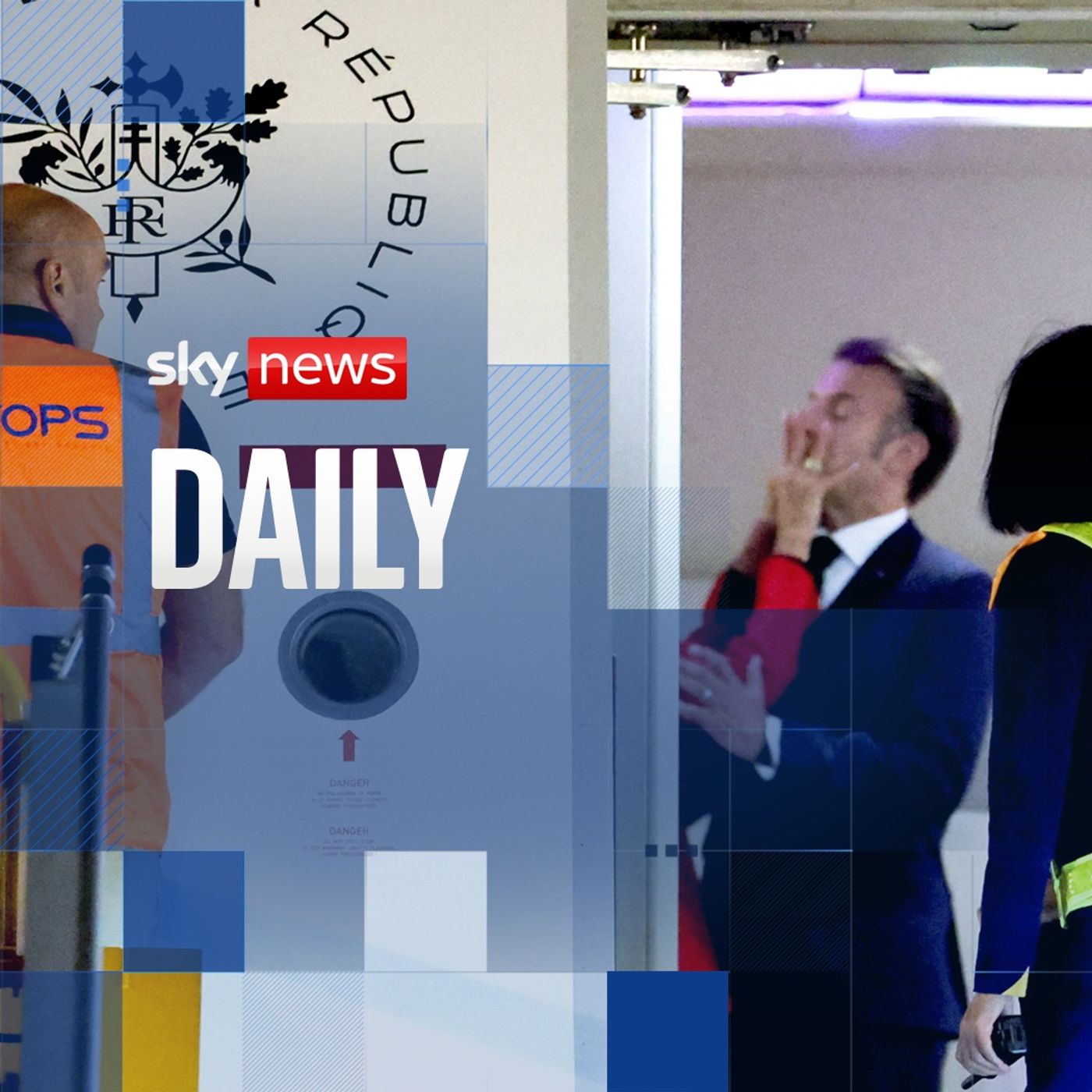
There is no credible evidence, official record, or reliable journalistic documentation to support the claim that the First Lady of France has ever slapped her husband, President Emmanuel Macron. The narrative appears to be an unfounded...
There is no credible evidence, official record, or reliable journalistic documentation to support the claim that the First Lady of France has ever slapped her husband, President Emmanuel Macron. The narrative appears to be an unfounded internet rumor or a conflation of hyperbolic political discourse, lacking any basis in factual reporting, eyewitness accounts, or verifiable video evidence during their time in office.
Contents
Understanding the Origin of Unverified Claims
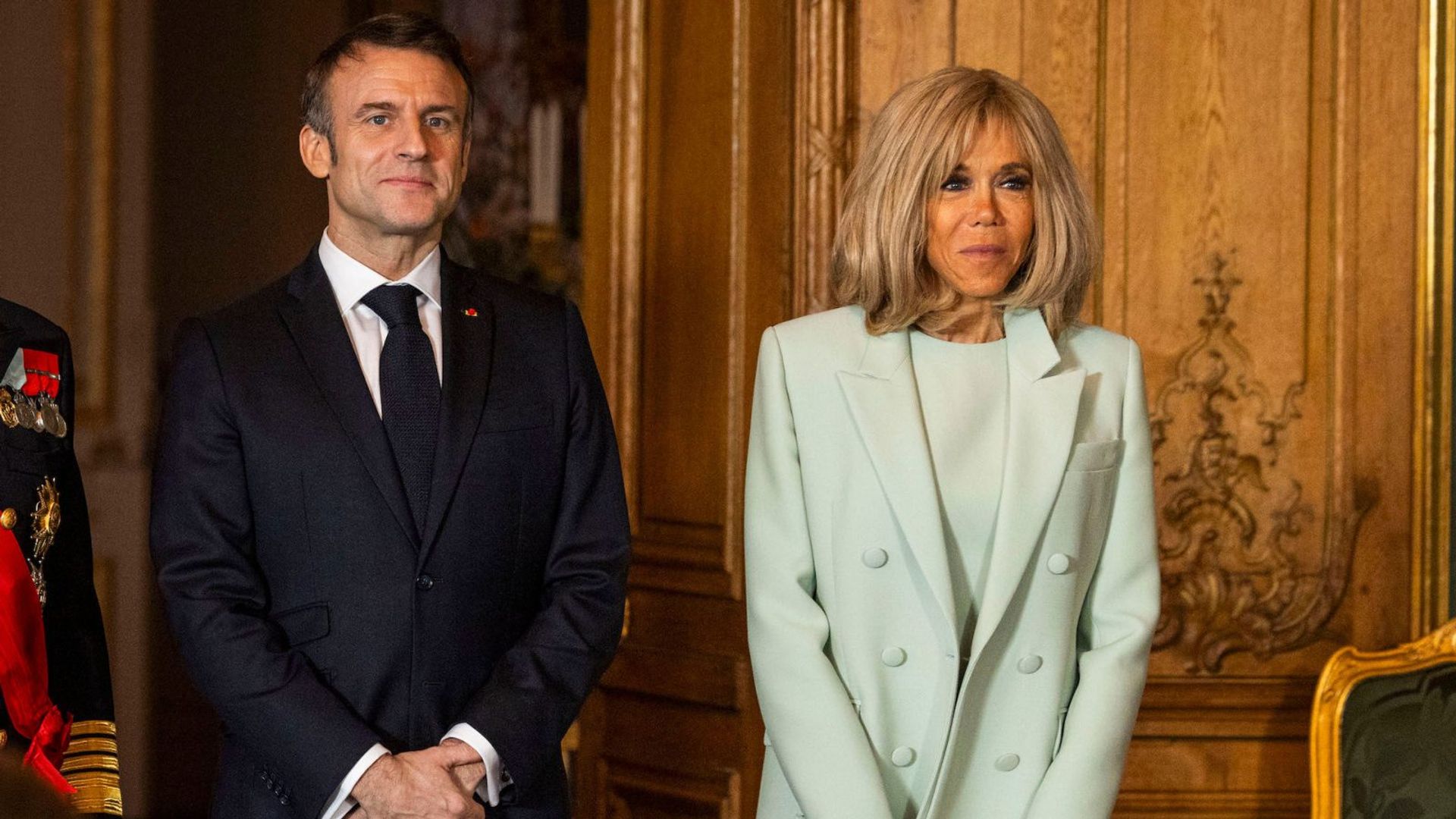
In the digital age, political figures and their spouses are frequently subjected to intense scrutiny, rumors, and misinformation. The suggestion of a physical altercation between President Emmanuel Macron and First Lady Brigitte Macron falls into a category of viral misinformation that often emerges in the absence of transparency regarding the private lives of high-profile leaders.
When such claims emerge, they often stem from misinterpreted body language, out-of-context screenshots, or the intentional distortion of political satire. It is vital for readers to distinguish between established historical events and speculative digital narratives. To date, no reputable news organization—such as Le Monde, Le Figaro, or international outlets like Reuters and the Associated Press—has reported any incident of domestic physical violence between the couple.
The couple’s public interactions are among the most documented in the world, given the nature of their duties. Every public movement, summit attendance, and diplomatic trip is recorded by a phalanx of accredited press. If such an event had occurred in public or in the presence of staff, it would be the subject of global media inquiry and verified documentation.
The Role of Media Verification in Political Reporting
Distinguishing between verified reporting and social media speculation is a critical skill in modern media literacy. Information that lacks a primary source—such as a police report, an eyewitness statement from security personnel, or photographic evidence—should be treated with extreme skepticism.
In France, the laws regarding privacy and defamation are stringent. Major media outlets operate under strict editorial guidelines that require verification of sensitive claims involving public officials. The absence of coverage on this specific topic from any credible French or international news agency is the most significant indicator of the claim's lack of veracity.
Criteria for Evaluating Political Rumors
To navigate online misinformation, consider the following evaluative framework:
- Primary Source Availability: Is there a video, photograph, or official statement?
- Editorial Standards: Have reputable newspapers or television networks corroborated the story?
- Consistency with Context: Does the claim align with documented behavior and the known security protocols surrounding the President and First Lady?
- Motivations for Fabrication: Is the claim appearing during a period of high political tension where opponents might benefit from discrediting a public figure?
The Nature of Public Scrutiny in the Elysée Palace
The office of the First Lady of France is a unique position with no formal legal definition under the French Constitution, yet it carries significant public expectations. Brigitte Macron has navigated this role with a focus on education, cultural preservation, and social advocacy.
Because the position sits at the intersection of private life and public service, it often becomes a lightning rod for scrutiny. Historically, political figures have dealt with various forms of media speculation. However, the focus on the couple’s personal dynamics is often fueled by societal interest in the President’s age-gap marriage, which, while purely a personal matter, has historically attracted disproportionate and often unfair media attention.
Comparison of Media Integrity Factors
| Feature | Fact-Based Reporting | Social Media Rumor |
|---|---|---|
| Verification | Multiple independent sources | Anonymous or unverified posts |
| Documentation | Photo/Video/Official Records | Hearsay/Subjective interpretation |
| Editorial Oversight | Legal vetting and fact-checking | None; algorithms drive reach |
| Corrections Policy | Transparent and accessible | Often ignored or deleted |
Addressing Misinformation in Digital Spaces
The persistence of the "slapping" claim is often an example of how misinformation travels through algorithmic amplification. Once a claim is made, it can be shared across multiple platforms, often losing context or gaining layers of fabrication. Even when debunked, the narrative may persist in niche communities.
If you encounter this claim on social media, the most effective response is to check for a link to a credible source. If the "source" provided is merely another social media post, a blog without an editorial board, or an inflammatory video with no clear origin, the information lacks the necessary integrity for consumption.
Frequently Asked Questions
Is there any video footage of the First Lady of France acting aggressively toward the President?
No. There is no legitimate video evidence of any such altercation. Any clips circulated online that purport to show such behavior are typically misleadingly edited, taken out of context, or misidentified.
What is the official stance of the French government on these rumors?
The Élysée Palace typically maintains a policy of not dignifying unfounded tabloid-style rumors with a formal response. Official communication remains focused on administrative duties and policy matters, ignoring unsubstantiated gossip to prevent further amplification.
How does the French legal system handle defamation of public figures?
France has strict laws protecting individuals against defamation (diffamation). While public figures are subject to higher levels of scrutiny, they still retain rights against the spread of false claims that aim to injure their reputation. The absence of legal action in this instance is standard, as the rumors are largely relegated to fringe or anonymous online spaces rather than mainstream journalism.
Where can I find accurate information about the President and First Lady’s schedule?
For official information regarding the activities of the President of France and the First Lady, you should consult the official website of the Présidence de la République (elysee.fr). This site provides verified information about their official engagements and public appearances.
Moving Forward: Relying on Verified Information
When consuming news regarding political leaders, focus on the substance of their policy and the outcomes of their diplomatic work rather than unverified narratives about their personal conduct. Developing a habit of checking the provenance of a claim—asking who is reporting it and what evidence they provide—will significantly improve your ability to navigate the digital information landscape.
The best way to address claims of this nature is to refrain from amplifying them and to redirect focus toward official, verifiable channels. Relying on established, reputable news organizations for information ensures that your understanding of political figures is built on evidence rather than anonymous speculation.
Image Gallery