Understanding the Digital Footprint of Gypsy Rose Blanchard: Family Photos and Media Archives
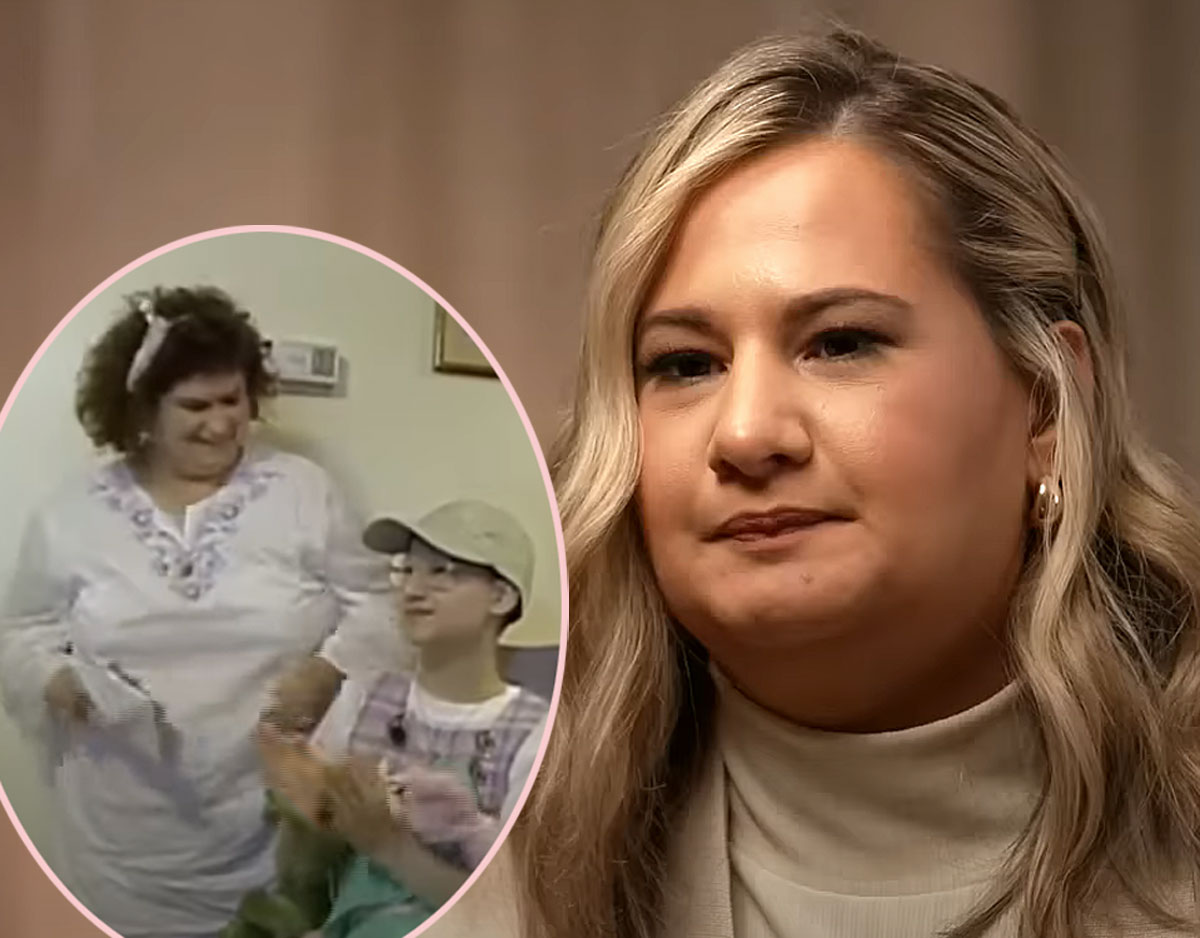
The search term "gypsy rose mom pics" refers to the widely circulated photographs of Gypsy Rose Blanchard and her mother, Clauddine "Dee Dee" Blanchard, which became prominent during extensive media coverage of their high-profile legal...
The search term "gypsy rose mom pics" refers to the widely circulated photographs of Gypsy Rose Blanchard and her mother, Clauddine "Dee Dee" Blanchard, which became prominent during extensive media coverage of their high-profile legal case. These images document a complex public narrative spanning medical child abuse, true crime documentaries, and Gypsy Rose's eventual release and re-entry into public life.
Contents
The Cultural and Media Context of Dee Dee and Gypsy Rose Blanchard
The public fascination with Gypsy Rose Blanchard and her mother, Dee Dee, emerged from one of the most shocking true crime cases of the twenty-first century. For years, family photographs, television interviews, and medical promotional images painted a picture of a devoted mother caring for a chronically ill, disabled daughter. These images were widely distributed across local news outlets, medical fundraising campaigns, and eventually national talk shows.
As the true nature of the relationship came to light—revealing that Gypsy Rose was a victim of Munchausen syndrome by proxy (factitious disorder imposed on another)—the historical photographs took on a deeply altered meaning. What once looked like pictures of maternal devotion were re-examined by investigators, journalists, and the public as visual documentation of physical and psychological control.
Evolution of Public Imagery From Media Sympathy to True Crime Archive
| Era / Milestone | Primary Visual Themes | Public Perception |
|---|---|---|
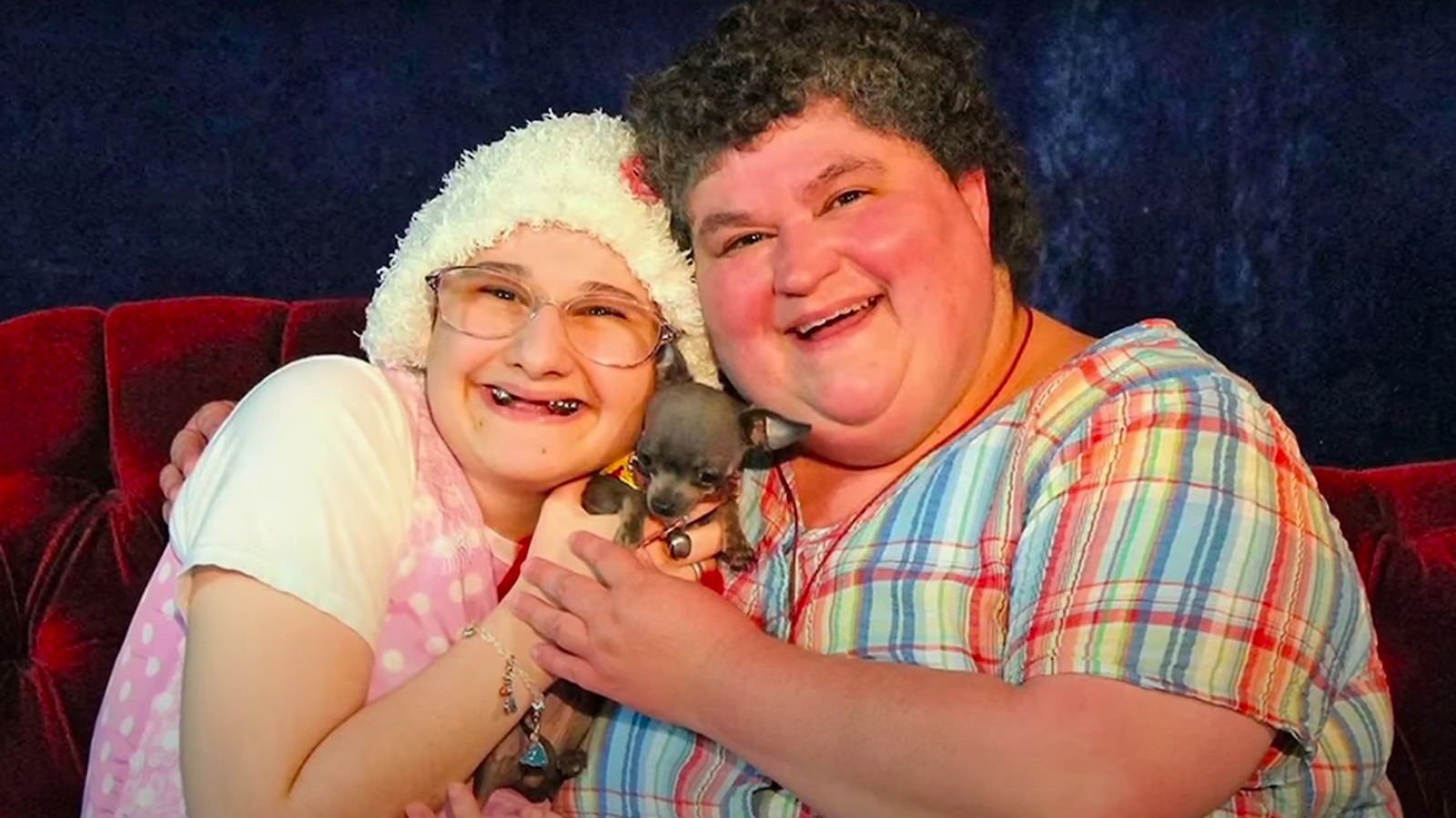
| Pre-2015 (Medical Era) | Wheelchairs, feeding tubes, shaved heads, award ceremonies, local newspaper features. | Sympathy, admiration for a struggling single mother, community support. |
| 2015–2016 (Investigation) | Mugshots, crime scene photos, courtroom appearances, transition to adult appearance. | Shock, disbelief, revelation of hidden health and mobility. |
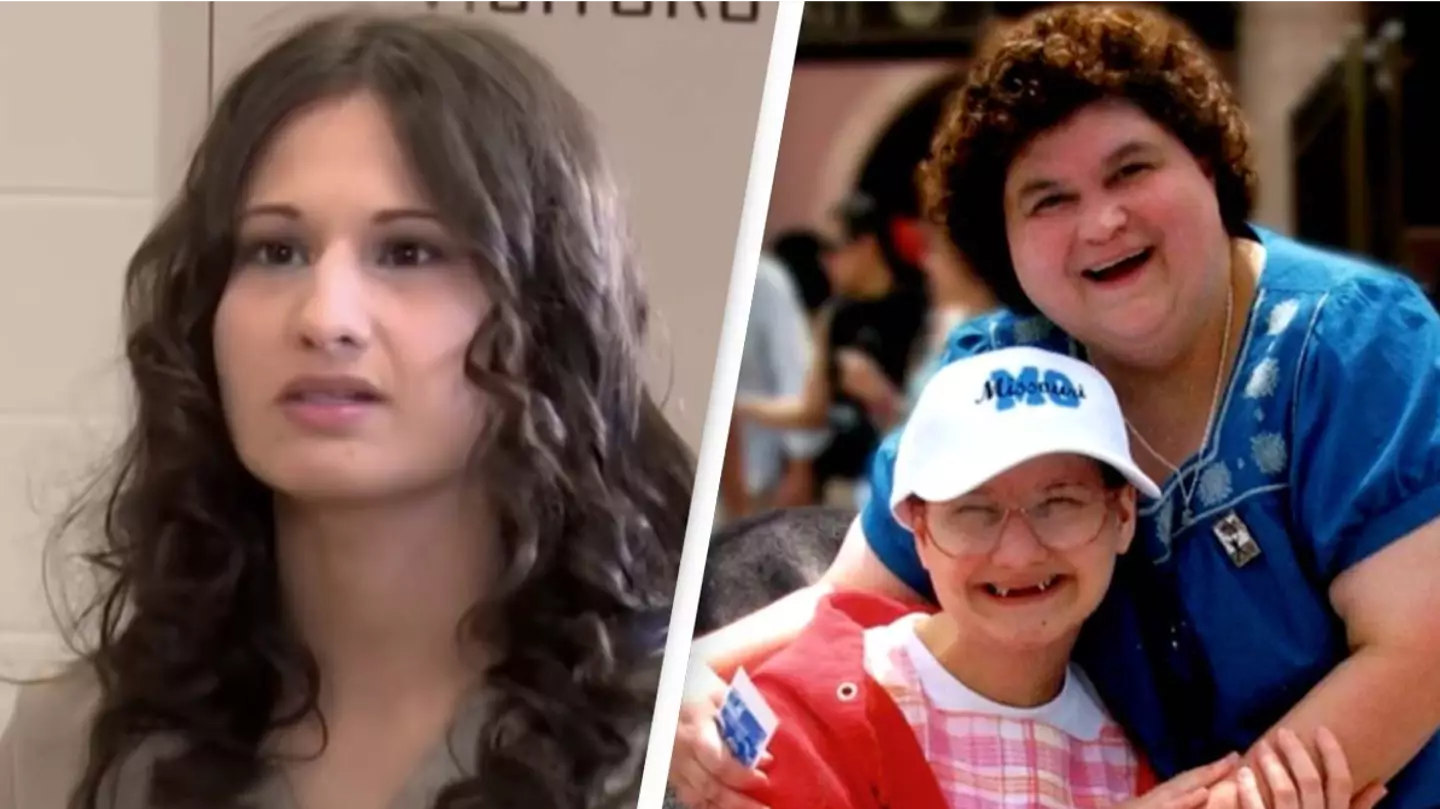
| 2019–2023 (Incarceration & Media) | Prison interview stills, documentary promos (HBO's Mommy Dead and Dearest), Hulu dramatizations (The Act). | Analytical fascination, psychological evaluation, cultural debate on abuse. |
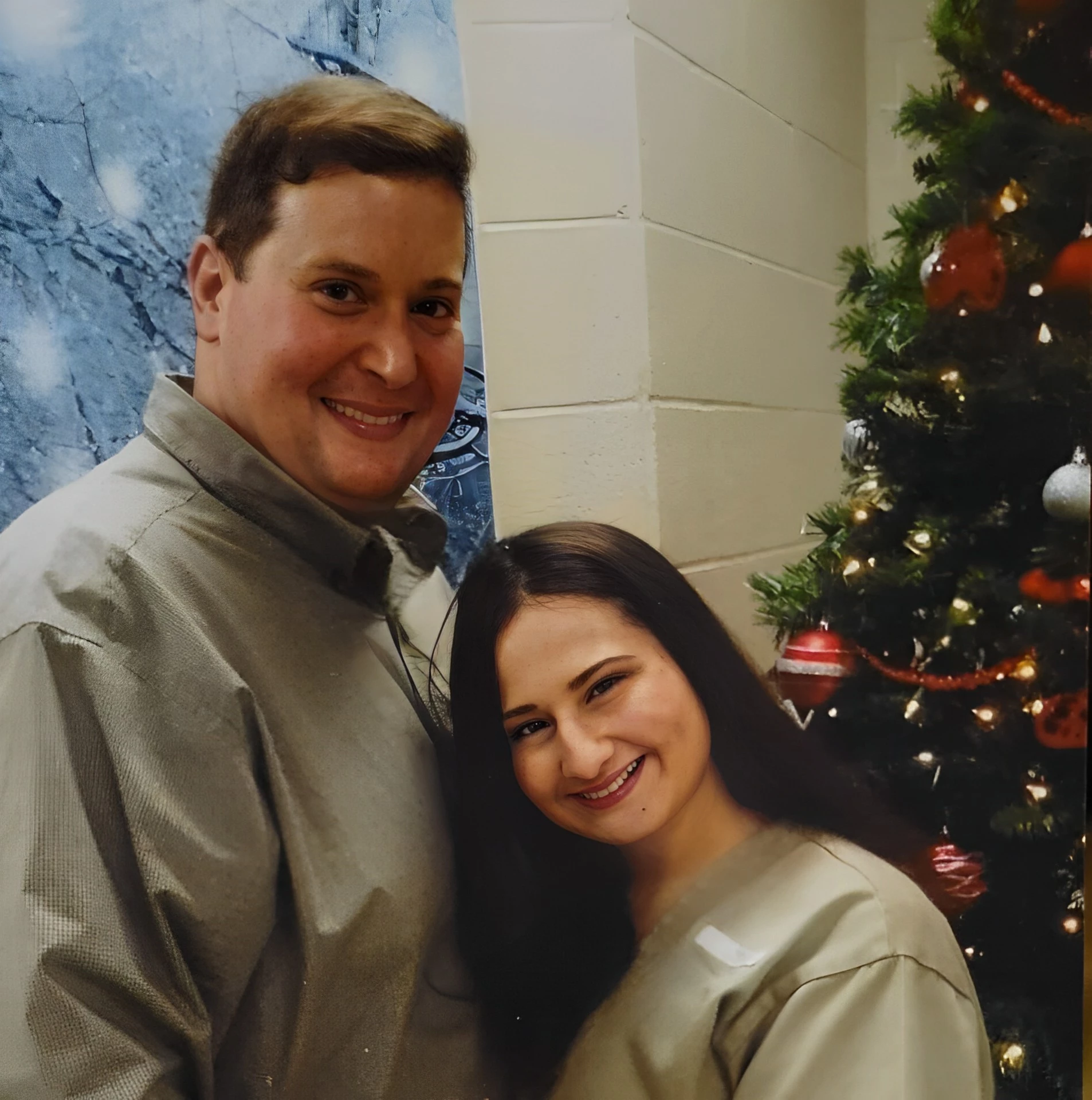
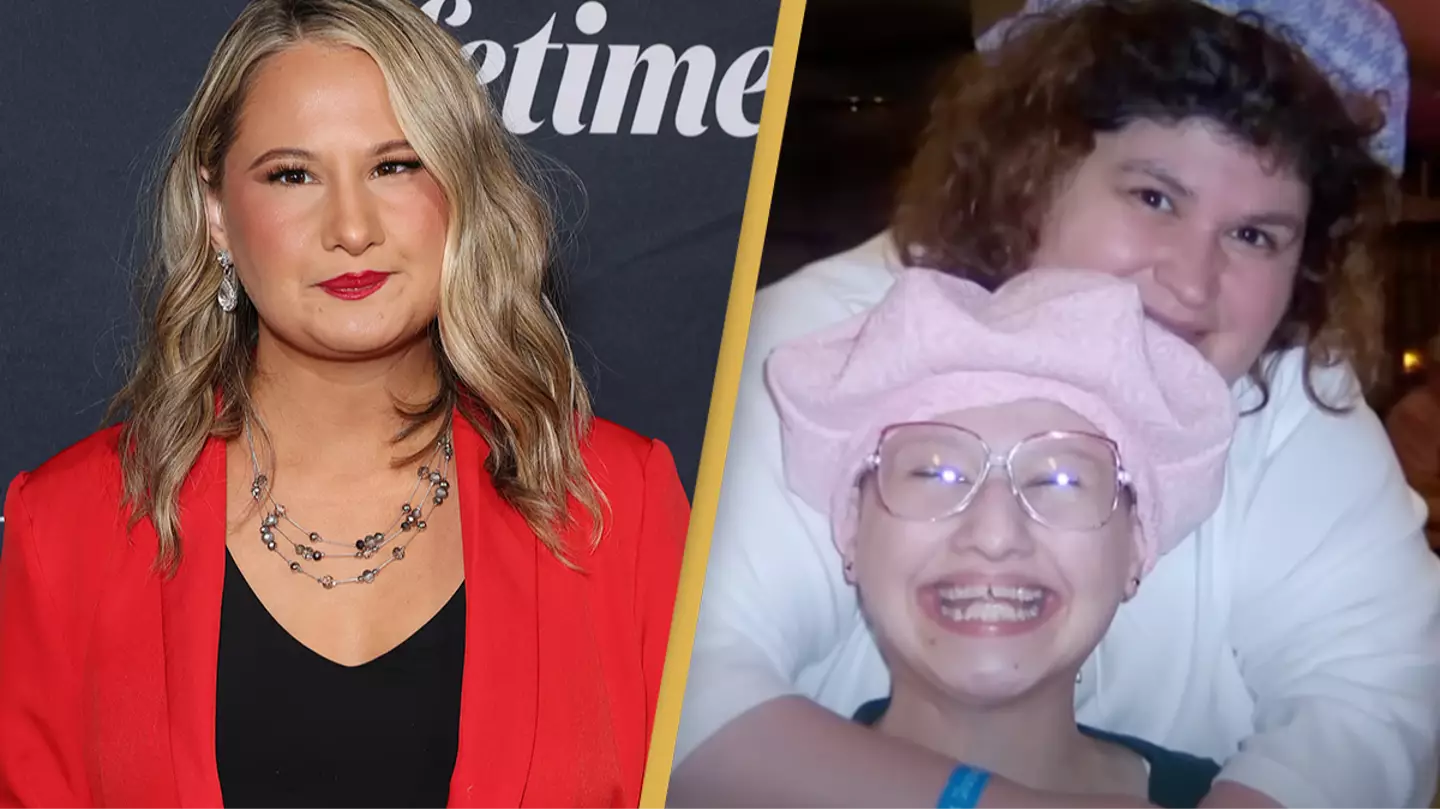
| 2024–2026 (Post-Release) | Social media self-portraits, mainstream talk show appearances, pregnancy announcements, red carpet events. | Independence, celebrity culture, digital rehabilitation, public scrutiny. |
Why Archives of Family Photos Remain a Point of Public Interest
The persistent search volume for family pictures involving Gypsy Rose and her mother is driven by several intersecting factors:
- True Crime Documentation: True crime researchers and documentary viewers often look for primary source imagery to understand the timeline and physical presentation constructed by Dee Dee Blanchard.
- Visual Metamorphosis: The stark contrast between Gypsy Rose's appearance during her mother's lifetime—where she was forced to present as much younger, sick, and physically frail—and her modern appearance as an adult woman generates continuous public curiosity.
- Media Literacy and Ethics: The distribution of these images raises ongoing ethical questions about privacy, the exploitation of trauma victims, and how digital archives preserve harmful historical narratives.
Differentiating Between Authentic Archives and Sensationalized Media
Navigating the vast ecosystem of digital imagery related to the Blanchard case requires distinguishing between verified journalistic records and sensationalized internet content.
Authentic Documentation vs. Dramatization
When evaluating pictures associated with the case, it is essential to separate real-life archives from fictionalized representations:
- Official Legal and News Archives: Photographs published by law enforcement agencies, local Missouri newspapers from the Greene County area, and court exhibits provide the factual baseline of the case.
- Documentary Stills: Works such as HBO's Mommy Dead and Dearest utilized home video footage and personal photo albums provided by family members, offering a direct look into the domestic environment in Springfield, Missouri.
- Fictionalized Adaptations: Dramatized series like Hulu’s The Act cast professional actors (such as Joey King and Patricia Arquette) to recreate scenes from their lives. These promotional stills and episodes are frequently mistaken by casual web users for real documentary photographs.
The Shift to Independent Digital Identity in the Current Era
Following her release from prison, Gypsy Rose Blanchard actively reclaimed her digital narrative, establishing verified social media channels, publishing a memoir, and sharing contemporary photographs documenting her marriage, pregnancy, and daily life. This modern visual record stands in sharp contrast to the historical archives controlled by her mother during her childhood.
For researchers, journalists, and observers, analyzing the evolution of these images provides insight into how digital media records both the trauma of abuse and the subsequent journey toward personal autonomy.
Frequently Asked Questions About Gypsy Rose Blanchard Media Archives
What do the historical photos of Gypsy Rose and her mother depict?
Historical photos of Gypsy Rose and Dee Dee Blanchard primarily show public appearances, community charity events, and local media features from their time in Springfield, Missouri. These images typically depict Gypsy Rose in medical equipment, such as a wheelchair, which was later revealed to be entirely unnecessary as part of her mother's abuse.
Are the pictures from television dramatizations real?
No. Promotional images and episode stills from scripted television series depicting the case are created using professional actors and set designers. They are dramatic interpretations rather than authentic historical documentation.
Where can verified documentary footage of the case be found?
Verified visual records and interviews are available through established journalistic outlets, court record archives, and true-crime documentaries like Mommy Dead and Dearest, which relied on authentic family home videos and police evidence.
How has Gypsy Rose's public image changed in recent years?
Since her release from prison, Gypsy Rose has transitioned from a passive subject in police mugshots and true crime documentaries to an independent public figure sharing her own contemporary lifestyle, pregnancy, and professional milestones on verified digital platforms.
Why do people continue to search for old family photos from the case?
The enduring public interest stems from the extreme psychological nature of Munchausen syndrome by proxy, leading investigators, students of criminal psychology, and true-crime enthusiasts to study the visual evidence for signs of deception and control.
Navigating True Crime Imagery Responsibly
As public archives continue to expand across digital networks, viewers should approach sensitive historical imagery with an awareness of the trauma behind the subjects. Prioritizing verified journalistic sources over speculative content ensures a more accurate and respectful understanding of this complex legal and psychological case.
Image Gallery