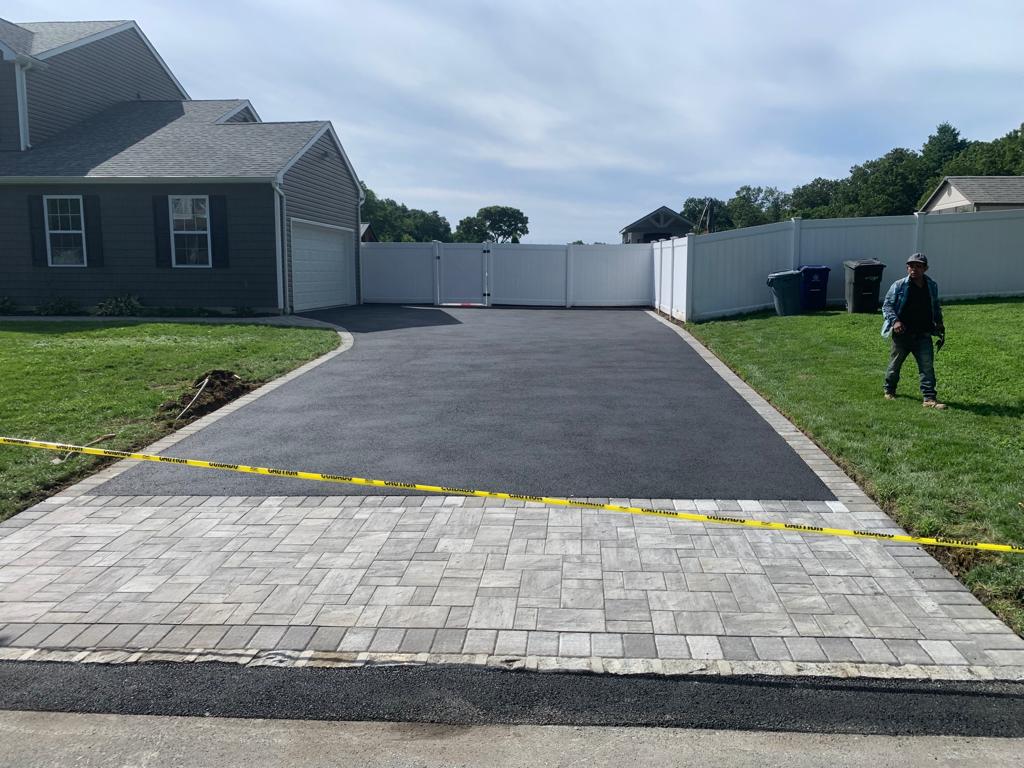
GW Paving: Professional Asphalt Paving and Maintenance Services Across Vermont
GW Paving offers comprehensive asphalt solutions throughout Vermont, specializing in residential driveways, commercial parking lots, and municipal road repairs. In 2026, they remain a primary choice for high-durability surfaces designe...
GW Paving offers comprehensive asphalt solutions throughout Vermont, specializing in residential driveways, commercial parking lots, and municipal road repairs. In 2026, they remain a primary choice for high-durability surfaces designed to withstand Vermont’s extreme freeze-thaw cycles, providing expert excavation, sub-base preparation, hot-mix paving, and long-term maintenance programs to ensure pavement longevity.
Contents
The Scope of Asphalt Services in Vermont
Asphalt serves as the backbone of Vermont’s transportation infrastructure, from the winding rural roads of the Northeast Kingdom to the high-traffic commercial corridors of Burlington and South Burlington. GW Paving addresses this diverse landscape by offering a tiered service model that caters to different structural requirements. Residential paving focuses on aesthetics and drainage, ensuring that homeowners have a durable, smooth surface that can withstand heavy snowplowing. Commercial paving, conversely, involves higher-grade "binder" layers and thicker "top" courses to support the weight of delivery trucks, waste management vehicles, and constant passenger car turnover.
In 2026, the demand for professional paving has shifted toward more sustainable and long-lasting applications. GW Paving utilizes modern Hot Mix Asphalt (HMA), which is engineered to be flexible enough to move with the ground during seasonal shifts while remaining rigid enough to prevent rutting. Their service area encompasses the entire state, ensuring that even remote properties have access to industrial-grade equipment and materials. This statewide reach is critical in Vermont, where the limited paving season—typically from late April to late October—requires contractors to have localized logistics and rapid mobilization capabilities.
Engineering for the Vermont Climate: The Challenge of Frost Heaves
The most significant threat to any paved surface in Vermont is the geological phenomenon known as frost heaving. When water penetrates the soil beneath the asphalt and freezes, it expands, pushing the pavement upward. When it thaws, the support vanishes, leading to cracks, potholes, and structural failure. GW Paving mitigates this risk through rigorous site preparation and advanced drainage engineering.
A "Vermont-spec" driveway or parking lot cannot simply be a layer of asphalt poured over dirt. It requires a multi-layered approach:
- Sub-Grade Preparation: The existing soil must be cleared of organic material and compacted to a specific density.
- Base Layer: A thick layer of crushed stone (often 12 inches or more for commercial sites) provides the necessary drainage. This layer allows water to move away from the pavement rather than sitting beneath it and freezing.
- Compaction: Using vibratory rollers, the base is hardened to ensure there is no settling over time.
By focusing on these "invisible" elements of the paving process, GW Paving ensures that their surfaces last significantly longer than those installed by cut-rate contractors who ignore the sub-base. In 2026, the use of geotextile fabrics has also become more common in Vermont paving projects, providing an extra layer of separation between the soil and the stone base to prevent "fines" from migrating and weakening the structure.
The GW Paving Technical Workflow
The process of installing a new asphalt surface or replacing an old one is a highly technical sequence that requires precision timing. Because asphalt arrives at the job site at temperatures between 275°F and 300°F, it must be spread and compacted before it cools to a point where it can no longer be effectively compressed (typically around 175°F).
Excavation and Grading
The first step in any GW Paving project is the removal of old, failed pavement or the excavation of raw land. Proper grading is the most critical technical step; a surface must have a minimum slope of 1% to 2% to ensure water runs off the sides rather than pooling in the center. Without correct grading, even the highest-quality asphalt will fail prematurely due to water saturation.
Installation of Binder and Top Courses
For heavy-duty applications, GW Paving employs a two-lift system. The first lift, known as the binder course, contains larger aggregate (stones) and provides the structural strength of the pavement. Once the binder is compacted, a second lift, the top course or "wearing course," is applied. This layer contains smaller aggregate and a higher percentage of liquid asphalt (bitumen), creating a smooth, dark, and water-resistant finish. In 2026, these mixes are often optimized with polymers to increase resistance to UV degradation and temperature fluctuations.
Compaction and Edging
Final compaction is achieved using heavy steel-wheel rollers. GW Paving technicians also pay close attention to the edges of the driveway or lot. In Vermont, edges are often the first place to fail if they are not properly "beveled" or backed with topsoil or crushed stone to prevent crumbling under the weight of tires.
Maintenance and Preservation Strategies in 2026
Pavement maintenance is not merely a cosmetic choice; it is a financial strategy to extend the life of a multi-thousand-dollar investment. GW Paving provides several preservation services that are essential for the 2026 Vermont market.
- Sealcoating: This involves applying a liquid coating (typically an asphalt emulsion) to the surface. It acts as a sacrificial layer against gasoline, oil, UV rays, and water. For Vermont properties, sealcoating every 3 to 5 years is recommended to keep the asphalt "pliable" and prevent it from becoming brittle and gray.
- Crack Filling: Small cracks are the entry point for water. GW Paving uses rubberized hot-pour crack sealants that expand and contract with the pavement. This prevents the "freeze-thaw" cycle from turning a minor crack into a major pothole.
- Pothole Patching: For older surfaces, "infrared patching" or "cut-and-replace" methods are used to fix localized failures without needing to repave the entire area.
The cost of petroleum-based products in 2026 makes these maintenance steps more valuable than ever. It is significantly more affordable to maintain an existing surface than to pay for a full "dig-out" and replacement once the sub-base has been compromised.
Cost Considerations and 2026 Pricing Trends
Asphalt pricing is inextricably linked to the global price of crude oil, as liquid bitumen is a byproduct of the refining process. In 2026, Vermont residents should expect pricing to reflect not just material costs, but also the logistical challenges of transporting hot mix from plants located in hubs like Montpelier, Burlington, or Rutland to outlying areas.
| Service Type | Estimated 2026 Cost (per sq. ft.) | Expected Lifespan | Primary Benefit |
|---|---|---|---|
| New Installation (Full Dig-out) | $6.50 – $9.50 | 20–25 Years | Maximum structural integrity and drainage. |
| Asphalt Overlay (Resurfacing) | $3.50 – $5.00 | 10–15 Years | Cost-effective refresh for stable bases. |
| Sealcoating (Industrial Grade) | $0.40 – $0.70 | 3–5 Years | UV protection and water resistance. |
| Hot-Pour Crack Repair | $1.50 – $3.00 (per linear ft.) | 2–4 Years | Prevents water-based sub-grade failure. |
Note: These prices are estimates and can vary based on site accessibility, fuel surcharges, and total square footage.
Factors that can increase the cost include the need for extensive "mucking" (removing wet, unstable clay soil) and the installation of culverts or catch basins to manage Vermont’s significant annual rainfall and snowmelt. According to the Vermont Agency of Transportation (VTrans), proper drainage is the single most important factor in the lifespan of any paved surface in the state.
Frequently Asked Questions
How long does a new asphalt driveway need to cure?
In 2026, modern asphalt mixes used by GW Paving typically allow for foot traffic within 24 hours. However, vehicles should be kept off the surface for at least 3 to 5 days, depending on the ambient temperature. In the peak of a Vermont summer, the asphalt may stay soft longer, so it is advised to avoid parking in the exact same spot for extended periods during the first month.
What is the best time of year to pave in Vermont?
The ideal window is between late May and September. Asphalt requires a warm ground temperature to bond correctly. If the air is too cold, the mix will "setup" too quickly, preventing proper compaction and leading to a porous, weak surface. GW Paving monitors soil temperatures to ensure every job meets thermal requirements for long-term durability.
Why is my new asphalt turning gray?
This is a natural process called oxidation. As the sun’s UV rays hit the asphalt, the liquid bitumen on the surface dries out and loses its black color. While this is normal, it is also a signal that the asphalt is becoming more brittle. This is the point where GW Paving recommends a professional sealcoating application to restore the protective oils.
Can asphalt be recycled in Vermont?
Yes. Vermont has strict environmental regulations, and GW Paving utilizes Reclaimed Asphalt Pavement (RAP) whenever possible. Old asphalt is ground up and incorporated into new mixes at the plant. This reduces the need for new aggregate and bitumen, lowering the carbon footprint of the project while maintaining the structural standards required by ASTM International.
Does GW Paving handle commercial drainage issues?
Yes, commercial projects in Vermont often require complex stormwater management plans. GW Paving integrates catch basin installation, concrete curbing, and specialized swales into their paving projects to ensure compliance with local environmental codes and to prevent liability issues from standing water or ice patches.
Final Recommendations for Vermont Property Owners
When hiring GW Paving for asphalt services across Vermont, homeowners and business managers should prioritize the sub-base over the surface finish. While a smooth black surface looks impressive on day one, its longevity is entirely dependent on what lies beneath.
Ensure that any quote you receive includes a detailed breakdown of the stone base depth and the compaction methods used. For existing driveways that are showing signs of age but remain structurally sound, an overlay (adding a new layer on top of the old one) can save thousands of dollars compared to a full replacement. However, this should only be done if the underlying base is not shifting. If you notice "alligator cracking" (cracks that look like scales), this usually indicates a base failure, and a full replacement is the only permanent solution.
By following a strict maintenance schedule—filling cracks annually and sealcoating every few years—you can maximize the return on your investment and ensure your pavement survives the rigors of the Vermont seasons well into the next decade.
Image Gallery