Comprehensive Guide to Getting a CVS Sports Physical in 2026
Getting a CVS sports physical through MinuteClinic is a convenient, walk-in or appointment-based healthcare service designed to evaluate an athlete's physical readiness for school, recreational, or league sports. Designed for children,...
Getting a CVS sports physical through MinuteClinic is a convenient, walk-in or appointment-based healthcare service designed to evaluate an athlete's physical readiness for school, recreational, or league sports. Designed for children, adolescents, and adults, these evaluations ensure participants meet state or organizational health standards before taking the field.
Contents
Navigating the requirements for youth athletics, high school leagues, and adult recreational sports can often feel overwhelming, especially when trying to secure a medical clearance appointment before a strict seasonal deadline. Securing a timely evaluation is a critical step for athletic participation, yet many families struggle with long primary care wait times or inflexible scheduling. MinuteClinic, located inside select CVS Pharmacy stores, offers an accessible alternative with extended evening and weekend hours. Understanding what to bring, how the examination is structured, what clinical parameters are assessed, and how to handle insurance or out-of-pocket costs ensures a seamless experience for both parents and athletes.
Understanding the Purpose and Scope of a CVS Sports Physical
A sports physical—medically referred to as a pre-participation physical evaluation (PPE)—serves a dual purpose: protecting the health and safety of the athlete and satisfying legal or organizational liability requirements. Athletic governing bodies, school districts, and youth leagues mandate these evaluations to screen for underlying conditions that could increase the risk of injury, sudden cardiac arrest, or exacerbation of chronic illnesses during physical exertion.
Unlike a routine annual wellness exam, which covers comprehensive developmental milestones, mental health screenings, immunizations, and long-term preventive care, a sports physical focuses heavily on the musculoskeletal system, cardiovascular health, and neurological stability. While a MinuteClinic practitioner will review basic health indicators, the core focus remains strictly tied to athletic safety. If an athlete requires routine childhood vaccines alongside their physical, these can often be administered during the same visit for an additional fee, provided the specific vaccine is in stock and the patient meets age requirements.
Prerequisites and Preparation for Your MinuteClinic Visit
Proper preparation streamlines the clinical evaluation and prevents delays or rejections by school athletic departments. Before walking into a CVS MinuteClinic or scheduling an appointment online, patients and parents must gather specific documentation and complete mandatory paperwork sections.
- The Official State or League Form: Bring the exact physical form required by your school, athletic association, or sports league. Practitioners cannot sign generic medical notes if a specific multi-page jurisdictional document is mandated.
- Pre-Filled Medical History: Complete all family history, personal medical history, and demographic sections before seeing the practitioner. Parents or legal guardians must sign sections for minors under 18.
- Identification and Insurance Card: Bring a valid government-issued photo ID and your primary health insurance card, even if you plan to pay the flat self-pay fee (as some insurance plans cover or discount preventive screenings).
- Current Medication List: Document all prescription medications, over-the-counter supplements, and rescue inhalers currently in use.
- Corrective Lenses: Wear eyeglasses or bring contact lenses, as visual acuity testing is a mandatory component of the evaluation.
Step-by-Step Breakdown of the Examination Process
The clinical workflow at a CVS MinuteClinic is standardized to ensure thoroughness and efficiency. Knowing what to expect during the appointment helps ease anxiety for younger athletes and ensures all medical checks are completed systematically.
- Check-In and Registration: Patients can secure a timeslot online via the CVS website or walk directly into a location with a MinuteClinic. Digital kiosks or front-desk staff process identity verification, insurance or payment details, and collect the required athletic paperwork.
- Vitals and Anthropometric Measurements: A medical assistant or nurse practitioner records baseline vital statistics. This includes measuring height, weight, resting heart rate, and blood pressure.
- Vision Screening: A standard Snellen chart test assesses uncorrected and corrected visual acuity in both eyes.
- Medical History Review: The practitioner reviews the completed health history form, asking targeted follow-up questions regarding past concussions, chest pain during exertion, shortness of breath, dizziness, or family history of premature heart conditions.
- Physical Examination: The clinical evaluation encompasses several anatomical and physiological systems:
- Cardiovascular: Auscultation of the heart and lungs using a stethoscope to detect murmurs, irregular rhythms, or respiratory abnormalities.
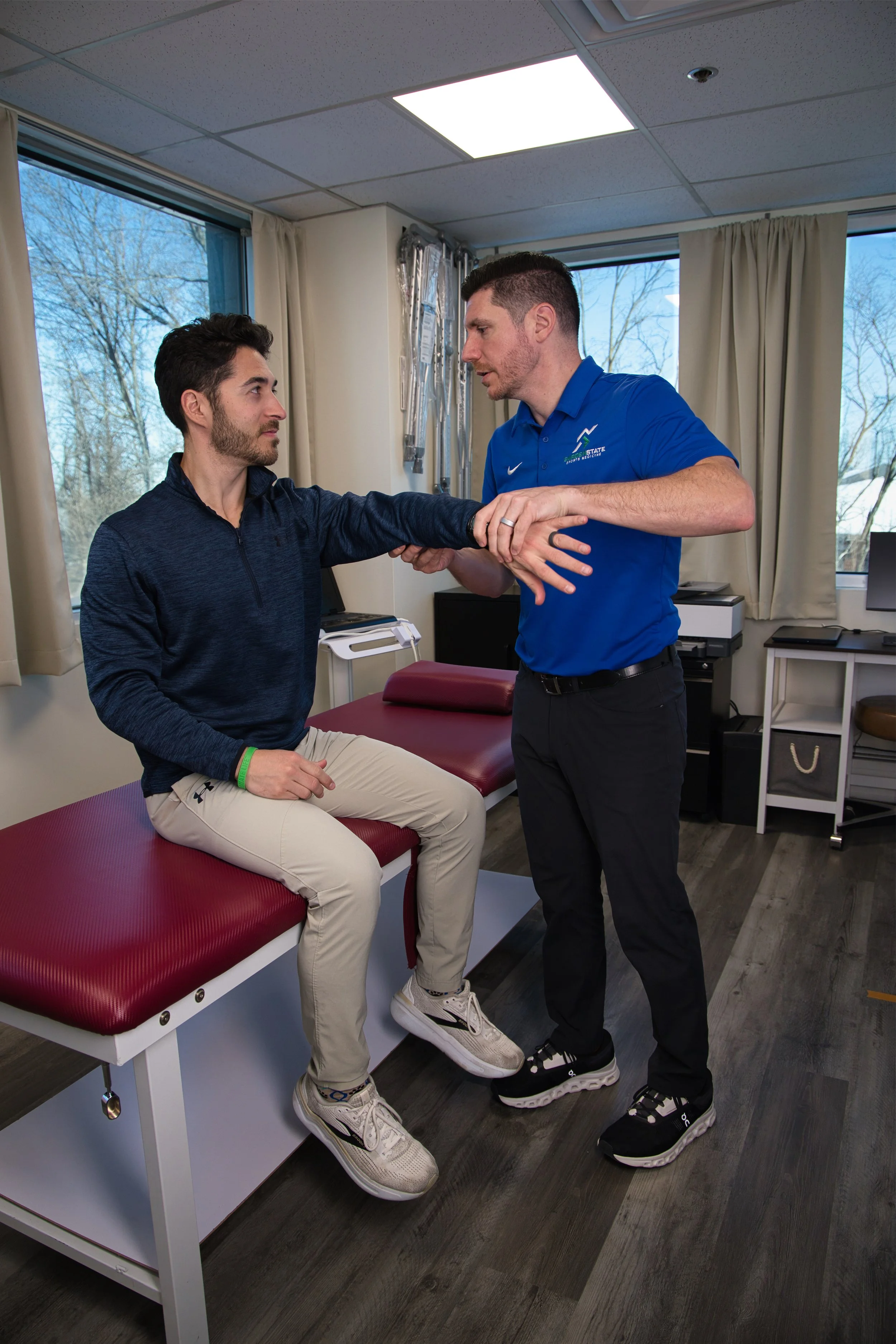
- Musculoskeletal: Checking joint stability, flexibility, range of motion, and symmetry in the arms, legs, spine, and knees.
- Neurological: Assessing reflexes, coordination, balance, and cranial nerve function.
- General Head, Ears, Eyes, Nose, and Throat (HEENT): Checking the oral cavity, throat, and lymph nodes.
- Form Completion and Clearance Decision: Based on findings, the practitioner will either grant unconditional clearance, issue temporary clearance pending further specialist evaluation (such as cardiology or orthopedics), or withhold clearance until specific medical criteria are met. The provider signs, dates, and stamps the official athletic form.
Financial Considerations: Costs, Insurance, and Payment Options
Navigating healthcare costs requires understanding how retail clinics bill commercial insurance providers versus self-pay models. While many parents assume sports physicals are universally covered under annual wellness benefits, insurance policies vary significantly.
| Payment Method | Typical Cost Range | Insurance Coverage Status | Best Use Case |
|---|---|---|---|
| Self-Pay / Flat Rate | $69 - $99 USD | Not applicable (Out-of-pocket) | Uninsured patients, or when insurance plans exclude sports physicals from covered benefits. |
| Commercial Insurance | Copay or Deductible rates | Varies by plan (Check preventive vs. administrative care clauses) | Patients whose specific health plans explicitly cover pre-participation sports evaluations. |
| Flexible Spending Account (FSA) | Varies | Eligible expense | Using pre-tax employer healthcare dollars to cover the self-pay fee. |
| Health Savings Account (HSA) | Varies | Eligible expense | Deducting sports physical expenses from tax-advantaged health savings funds. |
Note: Traditional Medicare and standard Medicaid managed care plans frequently do not cover sports physicals because these evaluations are classified as administrative or athletic requirements rather than medically necessary diagnostic care. Always verify coverage specifics directly with your insurance provider prior to your visit.
CVS Sports Physical vs. Traditional Primary Care Provider (PCP)
Choosing between a retail clinic like CVS MinuteClinic and a traditional pediatrician or primary care physician involves weighing convenience against continuity of care. The table below outlines key operational and clinical differences.
| Feature | CVS MinuteClinic | Traditional Primary Care Provider (PCP) |
|---|---|---|
| Scheduling Flexibility | Walk-ins welcome; online scheduling; evening and weekend hours. | Requires advance booking; limited to standard weekday business hours. |
| Wait Times | Generally low (ranges from immediate walk-in to short digital queue). | Often weeks or months for routine physical appointment slots. |
| Continuity of Care | Episodic; summary records can be sent to your primary doctor with consent. | Comprehensive; provider has long-term medical history and developmental tracking. |
| Vaccination Access | Standard immunizations available on-site depending on age and stock. | Full pediatric and adult immunization schedules managed directly. |
| Complex Medical Conditions | May refer out to specialists if chronic conditions complicate clearance. | Fully equipped to manage complex, multi-system chronic health conditions. |
Common Mistakes to Avoid During Your Visit
Avoiding administrative errors ensures the sports physical process goes smoothly without requiring a follow-up appointment.
- Forgetting the Physical Form: Arriving without the physical paperwork provided by the school or league is the single most frequent cause of delayed clearance. Practitioners cannot legally sign blank paper or substitute unofficial templates.
- Leaving Sections Blank: Unanswered medical history questions must be reviewed and signed by a parent or guardian. Leaving sections blank forces clinic staff to pause the exam until the parent fills them out.
- Ignoring Chronic Symptom Disclosures: Hiding past concussions, asthma symptoms, or fainting spells out of fear that the athlete will be disqualified can endanger the participant's safety. Transparent disclosure allows practitioners to provide appropriate management plans, such as requiring an inhaler on the sideline.
- Waiting Until the Final Deadline: Scheduling appointments during the rush week immediately preceding the start of fall or spring sports seasons often results in long wait times or fully booked clinics. Complete evaluations 4 to 6 weeks before practices begin.
Frequently Asked Questions
Can anyone get a sports physical at CVS MinuteClinic, or are there age restrictions?
MinuteClinic generally provides sports physicals for patients aged 18 months and older, though age thresholds can vary slightly by state regulations and clinical staffing. For minors under 18, a parent or legal guardian must accompany the patient or provide verifiable written consent.
Does insurance cover the cost of a CVS sports physical?
Insurance coverage depends entirely on your specific policy. While some commercial health insurance plans cover pre-participation exams as part of preventive care, many classify them as administrative requirements and do not cover them, leaving patients responsible for the flat self-pay fee.
What happens if the practitioner finds a medical issue during the exam?
If the practitioner detects an abnormality—such as an irregular heart murmur, uncontrolled asthma, or significant joint instability—they may withhold immediate clearance. They will provide documentation detailing the required follow-up, which typically involves a referral to a specialist such as a cardiologist or orthopedist for further diagnostic clearance.
Do I need to make an appointment in advance?
Appointments are not strictly mandatory because MinuteClinic operates on a walk-in model, but scheduling an appointment online through the CVS website is strongly encouraged to guarantee a timeslot and minimize wait times.
Can vaccines required for school sports be given during the same visit?
Yes, routine immunizations such as Tdap, Meningococcal, or HPV vaccines can often be administered during a sports physical visit, provided the patient meets age requirements and the specific vaccine is currently stocked at that location. An additional fee applies for vaccine administration.
How long is a CVS sports physical form valid?
The validity period of a sports physical is determined by state athletic associations and school district bylaws rather than the clinic itself. Most physicals remain valid for one calendar year (12 months) or for the duration of a specific sports season.
Schedule your evaluation today at your nearest CVS MinuteClinic or book online to ensure your athlete is medically cleared, safe, and ready to participate in their upcoming sports season.
Image Gallery