The Meaning of Mermaid Thighs: Origins, Cultural Impact, and Body Positivity
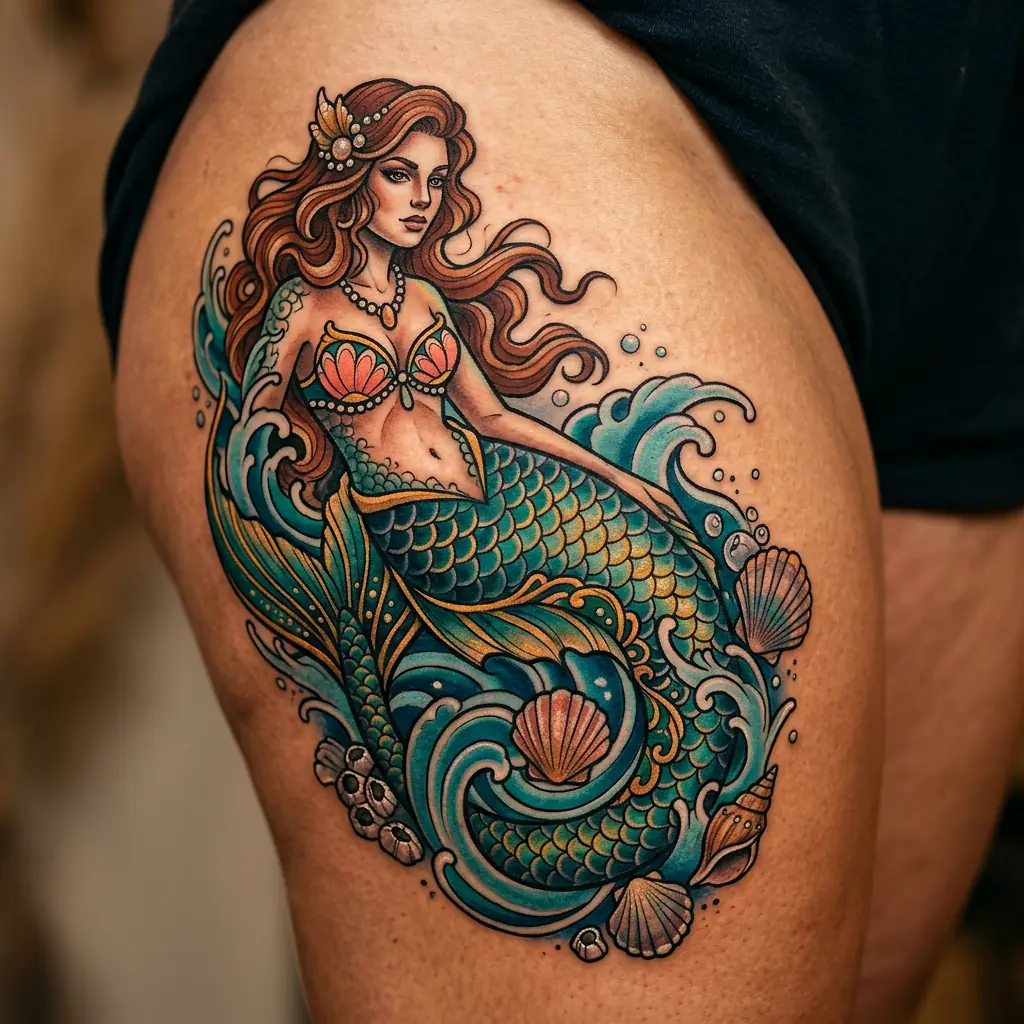
The term mermaid thighs refers to a physical trait where the upper thighs touch while standing upright with the feet together. This creates a silhouette that tapers downward toward the knees, resembling the tail of a mermaid. It emerge...
The term mermaid thighs refers to a physical trait where the upper thighs touch while standing upright with the feet together. This creates a silhouette that tapers downward toward the knees, resembling the tail of a mermaid. It emerged as a viral body-positive movement to celebrate bodies that do not have a "thigh gap."
Contents
The Evolution of the "Mermaid Thighs" Concept
In the early 2010s, social media aesthetics were dominated by the "thigh gap"—a narrow, often unattainable physical standard where a visible space exists between the inner thighs. This trend was frequently criticized by medical professionals and body-image advocates for promoting disordered eating and unrealistic expectations, as a thigh gap is primarily determined by bone structure (specifically the width of the pelvis) rather than fitness or weight.
By 2016, a counter-movement gained momentum under the hashtag #MermaidThighs. This term was coined to reframe "touching thighs" as a desirable, even mythical feature. By 2026, the term has evolved from a trending hashtag into a standard part of the body-neutrality lexicon. It represents a shift from viewing the body as a collection of "flaws" to be corrected, to seeing it as a functional and aesthetic whole. The "mermaid" metaphor was specifically chosen because, when the legs are pressed together, the shape mimics the sleek, powerful tail of the legendary sea creature, turning a perceived "imperfection" into a symbol of strength and beauty.
Anatomy and the Biology of Thigh Structure
Understanding the meaning of mermaid thighs requires a basic look at human anatomy. Whether or not an individual’s thighs touch is rarely a matter of effort; it is largely a result of genetics and skeletal structure.
Pelvic Width and the "Q-Angle"
The primary factor determining whether thighs touch is the width of the pelvis. A wider pelvis naturally places the femurs (thigh bones) further apart, which can create a gap even in individuals with significant muscle mass or body fat. Conversely, a narrow pelvis brings the femurs closer together, making it highly likely that the thighs will touch regardless of the person's weight. The "Q-angle"—the angle at which the femur meets the tibia (shin bone)—also plays a role in how the legs align.
Muscle and Fat Distribution
While bone structure provides the framework, soft tissue completes the silhouette. The adductor muscles, located on the inner thigh, can be highly developed in athletes, particularly swimmers, runners, and powerlifters. This muscle mass often fills the space between the legs, resulting in mermaid thighs. Additionally, the human body naturally stores subcutaneous fat in the thigh area, especially in women, as a biological reserve for hormonal health and reproductive function.
The Cultural Significance of the Trend
The mermaid thighs movement was more than just a fashion statement; it was a psychological intervention. For decades, the fashion industry prioritized a very specific, slender aesthetic. The rise of #MermaidThighs marked one of the first times social media users successfully hijacked the "beauty standard" narrative to promote inclusivity.
A Reaction to the Thigh Gap
The "thigh gap" era was characterized by "thinspiration" culture, which often correlated with high rates of body dissatisfaction among adolescents. Mermaid thighs offered an alternative "goal" that was inclusive of a much larger percentage of the population. According to the National Eating Disorders Association (NEDA), movements that celebrate natural body variations are critical in reducing the risk of body dysmorphia and eating disorders.
Commercial Influence and the Fashion Industry
By the early 2020s, major retailers began to notice the shift. Mannequins were designed with more realistic proportions, and marketing campaigns for denim and swimwear started featuring models with mermaid thighs. This commercial acceptance validated the movement, making it easier for consumers to find clothing—such as "curvy fit" jeans—that accommodated touching thighs without the dreaded "waist gap" or inner-thigh wear.
Comparative Overview: Mermaid Thighs vs. Thigh Gap
To better understand the distinction between these two social media-driven body concepts, the following table outlines their characteristics and cultural contexts.
| Feature | Mermaid Thighs | Thigh Gap |
|---|---|---|
| Visual Definition | Thighs touch when standing with feet together. | A visible space exists between the inner thighs. |
| Biological Root | Narrow pelvis, higher muscle mass, or natural fat distribution. | Wide pelvis and/or low body fat percentage. |
| Cultural Symbolism | Strength, "realness," body positivity, and inclusivity. | Extreme thinness, 2010s "waif" aesthetic, fragility. |
| Physical Implication | May lead to skin chafing (thigh rub) during movement. | May indicate specific pelvic anatomy; not a weight indicator. |
| Dominant Era | 2016–Present (matured in 2026). | Early 2010s (peaked around 2013). |
Practical Considerations: Living with Mermaid Thighs
While the mermaid thighs movement is about aesthetic appreciation, there are practical aspects to having thighs that touch. These are common occurrences that the movement helped normalize.
Addressing Skin Chafing
One of the most common physical experiences for those with mermaid thighs is chafing, often referred to as "chub rub." This occurs when the skin of the inner thighs rubs together during walking or exercise, leading to irritation, redness, or rashes.
- Solutions: The rise of this body trend led to a boom in the "anti-chafe" industry. Products like specialized balms, powders, and "thigh bands" (Bandelettes) became mainstream.
- Fabric Choices: Those with mermaid thighs often prefer moisture-wicking fabrics and longer-cut athletic shorts to prevent friction during physical activity.
Clothing Longevity
Frequent friction between the thighs can lead to "pilling" or thinning of the fabric in jeans and leggings. In 2026, many sustainable fashion brands have addressed this by reinforcing the inner-thigh seams of their garments. Understanding that this wear-and-tear is a result of natural anatomy—not a "defect" of the body—is a core tenet of the mermaid thighs philosophy.
The Psychological Impact of Body Labeling
While "mermaid thighs" is a positive term, some critics in the psychological community argue about the long-term utility of body labeling.
From Positivity to Neutrality
Body positivity encourages people to "love" their features, but this can sometimes feel like a burden when an individual is having a difficult day. This has led to the rise of body neutrality, where the focus is on what the body does rather than how it looks. Mermaid thighs are efficient for swimming, provide a stable base for lifting, and protect internal organs. In the context of 2026, the term is often used as a stepping stone toward body neutrality—acknowledging the shape without assigning it moral or emotional value.
Representation Matters
Seeing influencers, athletes, and celebrities embrace their mermaid thighs has a documented effect on self-esteem. When a body type is labeled with a whimsical and powerful name like "mermaid," it replaces the clinical or negative language often found in media. This representation helps dismantle the "one-size-fits-all" beauty standard that persisted for the latter half of the 20th century.
Frequently Asked Questions
Can you exercise to get mermaid thighs?
Mermaid thighs are primarily a result of your bone structure (pelvic width) and where your body naturally stores fat and muscle. While you can build the adductor muscles (inner thighs) through exercises like sumo squats or lateral lunges, your skeletal frame ultimately determines if your thighs touch. It is a natural physical trait rather than a fitness goal.
Does having mermaid thighs mean I am overweight?
No. Having thighs that touch is not a reliable indicator of weight or health. Many elite athletes, including Olympic sprinters and professional dancers, have mermaid thighs due to high muscle density. Conversely, some individuals at higher weights may have a thigh gap due to very wide pelvic bones.
How do I prevent my jeans from wearing out between the thighs?
This is a common issue for those with mermaid thighs. To extend the life of your clothing, look for denim with a higher percentage of elastane (stretch) or brands that offer reinforced "inner thigh gussets." You can also have a tailor add "saddle patches" to the inside of your favorite jeans to protect the fabric from friction.
Why is it called "mermaid thighs"?
The name comes from the visual similarity to a mermaid's tail. When you stand with your legs together and your thighs touch, the silhouette creates a continuous line that tapers down, much like the scales and tail of a mermaid. The term was popularized on social media as a fun, empowering way to describe a common body type.
Is the "thigh gap" still a trend in 2026?
While the "thigh gap" still exists as a natural body shape for some, it has lost its status as a dominant beauty standard. The 2026 cultural landscape prioritizes diversity and functional health over rigid aesthetic requirements. The focus has shifted toward "body diversity," where mermaid thighs and thigh gaps are both recognized as normal variations of the human form.
Moving Toward Body Acceptance
The meaning of mermaid thighs is rooted in the celebration of the natural human form. Whether your thighs touch or not is a biological roll of the dice, influenced by your ancestors and your unique DNA. Embracing this trait is a powerful act of self-reclamation in a world that often profits from self-doubt.
If you find yourself struggling with body image, the best next action is to curate your social media environment. Follow accounts that showcase a wide range of body types and physical abilities. By normalizing the sight of mermaid thighs and other natural variations, you can retrain your brain to see beauty in diversity rather than in a single, narrow standard. Remember that your body is a vessel for your experiences, not just an object to be looked at.
Image Gallery