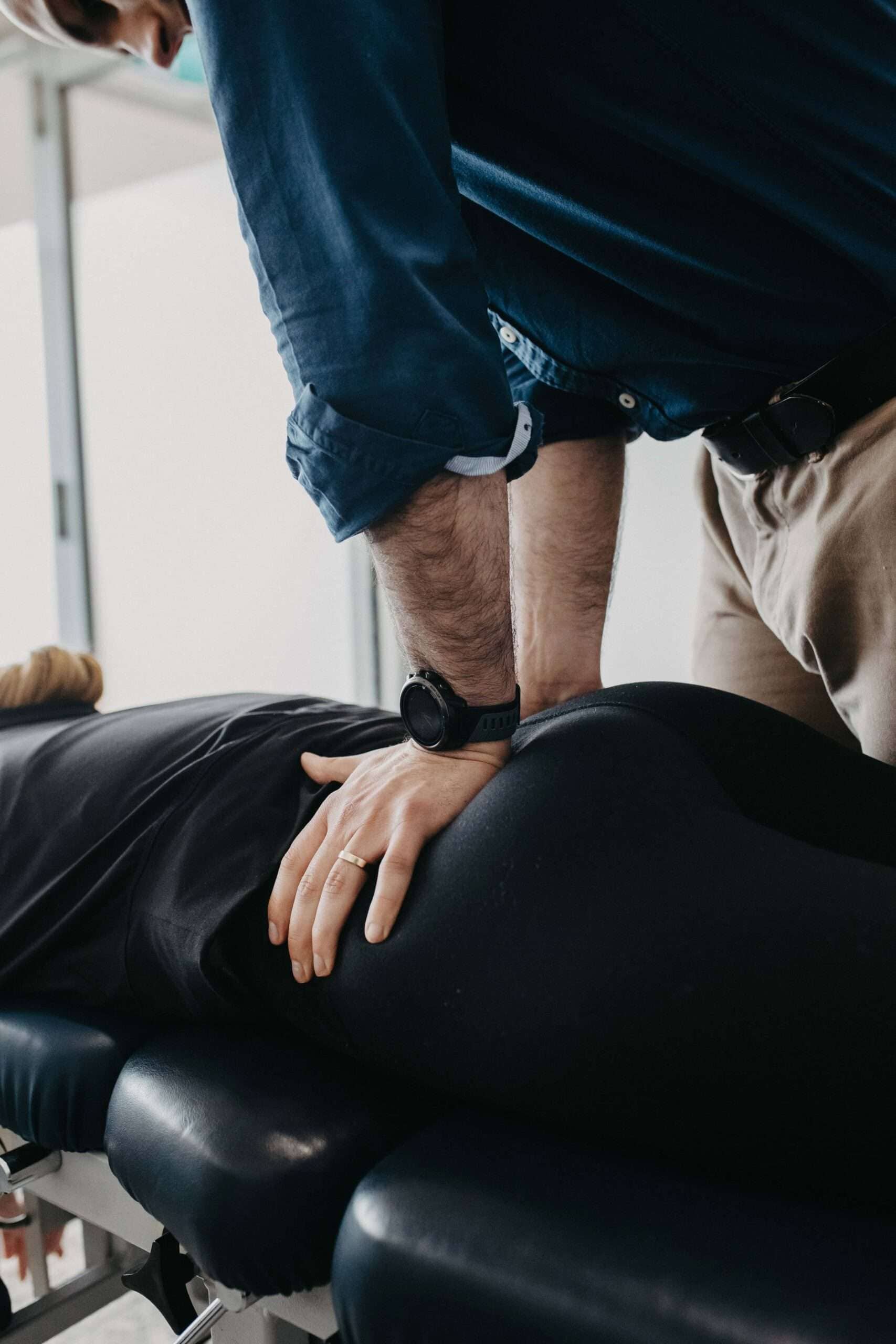
Why Lower Back Pain From Kettlebell Swings Isn’t Always a Sign to Quit
Lower back pain from kettlebell swings often stems from technical inefficiencies, such as an improper hip hinge or lack of core bracing, rather than a permanent injury. By correcting your timing, improving hip mobility, and ensuring yo...
Lower back pain from kettlebell swings often stems from technical inefficiencies, such as an improper hip hinge or lack of core bracing, rather than a permanent injury. By correcting your timing, improving hip mobility, and ensuring your glutes are doing the heavy lifting, you can resolve most discomfort and continue training safely in 2026.
Contents
Lower back discomfort is perhaps the most common complaint among those new to kettlebell training. Because the swing is a high-velocity, ballistic movement, it places unique demands on the posterior chain. When done correctly, it is one of the most effective tools for building explosive power and spinal robustness. When done incorrectly, the lower back (lumbar spine) often compensates for "quiet" glutes or stiff hips. Understanding that this pain is usually a "technique tax" rather than a sign of structural damage is the first step toward long-term progress.
Distinguishing Between Muscle Fatigue and Injury
Before diving into technical fixes, it is crucial to differentiate between "good" pain and "bad" pain. The spinal erectors—the muscles running vertically alongside your spine—are active during a kettlebell swing. Their job is to maintain a neutral spine against the centrifugal force of the bell. As a result, these muscles can experience Delayed Onset Muscle Soreness (DOMS) or acute fatigue, just like your biceps or hamstrings.
"Good" pain is typically a dull ache, felt on both sides of the spine, that appears 24 to 48 hours after a workout. It does not restrict your range of motion and dissipates with light movement. "Bad" pain, however, is often sharp, localized, or "electric." If you feel pain radiating down your legs (sciatica), numbness, or a sudden "catch" that makes it hard to stand up straight, these are red flags that require a consultation with a physical therapist or sports physician. For most trainees in 2026, the discomfort is simply a signal that the lumbar spine is being asked to do work that the hips should be handling.
The Mechanics of the Hip Hinge vs. The Squat
The most frequent cause of lower back pain in the kettlebell swing is "squatting" the movement. The swing is a horizontal hinge, not a vertical squat. In a squat-heavy swing, the trainee drops their hips too low and allows the kettlebell to descend below the knees. This shifts the center of mass forward and places a massive amount of shear force on the lumbar vertebrae.
In a proper hip hinge, the shins remain nearly vertical. The movement is an explosive "snap" of the hips moving forward and back. If you are squatting the swing, your lower back is forced to act as a crane to lift the weight back up, rather than acting as a stable bridge for the power generated by your glutes. To fix this, think of the "butt-to-wall" drill: stand a foot away from a wall with your back to it and reach your hips back until they touch the wall, keeping your shins vertical. This sensation is what you should replicate during the swing.
The Role of Timing and the "Late" Hinge
Timing is everything in ballistic movements. A very common error that leads to lower back strain is "hinging too early" on the descent. Many lifters begin to reach their hips back as soon as the kettlebell starts to fall from the apex of the swing. This creates a long lever arm between the weight and the lower back, placing unnecessary stress on the spine.
The "pro" tip for 2026 remains the same as it was a decade ago: wait for the bell. You should stand tall and rigid until the kettlebell almost hits you in the groin. Only then do you "get out of the way" by snapping your hips back. This keeps the bell close to your center of gravity (the "triangle of power" between your legs), which significantly reduces the torque on your lower back. If the bell passes below your knees, you are almost certainly hinging too early or too deeply.
Core Stability and the "Anti-Extension" Problem
Your lower back often hurts because it is moving when it should be still. During the "top" of the swing, when your body is in a vertical plank, the kettlebell’s momentum wants to pull your shoulders forward and arch your back (hyperextension). If your core is not braced, your lumbar spine will bow forward to compensate.
To protect your back, you must treat the top of the swing as a standing plank. This involves:
- Crushing the handle: Tightening your grip engages the lats, which stabilizes the spine.
- Abdominal bracing: Imagine someone is about to punch you in the stomach.
- Glute contraction: Squeeze your glutes as hard as possible at the top. This "locks" the pelvis in a neutral position, making it physically difficult to over-extend your lower back.
Common Technical Errors and Solutions
| Error | Impact on Lower Back | Immediate Correction |
|---|---|---|
| Squatting the Swing | Increases shear force; moves load to the quads and lower back. | Keep shins vertical; "reach" back with the tailbone. |
| Hinging Too Early | Creates a long lever arm; puts the lower back in a vulnerable position. | Wait for the bell to reach your hips before hinging. |
| "T-Rex" Arms | Keeping the bell too close prevents proper arc and hip involvement. | Allow arms to stay loose like ropes; the power comes from the hips. |
| Soft Lockout | Failing to engage glutes causes the lower back to arch at the top. | Hard glute squeeze and "sharp" exhale at the top of the movement. |
| Using Too Much Weight | Form breaks down; the body uses the back to "muscle" the weight up. | Drop down 4–8kg until the hinge is perfect. |
Mobility Prerequisites for a Pain-Free Swing
Sometimes the issue isn't your technique, but your anatomy—or rather, your current range of motion. If your hip flexors are chronically tight (common for those with desk jobs in 2026), they will pull your pelvis into an anterior pelvic tilt. This "tugs" on the lower back before you even pick up a kettlebell.
Furthermore, if you lack thoracic mobility (mid-back flexibility), your body will look for that movement in the lumbar spine. If you cannot stand tall with your chest open, your lower back will arch to create the illusion of an upright posture. Incorporating "prying" lunges to open the hips and "T-spine rotations" into your warm-up can create the physical space necessary to perform a swing without compensations.
Programming and Load Management
Lower back pain is often a volume issue. The swing is a high-repetition exercise, and as you fatigue, your primary movers (glutes and hamstrings) are the first to give up. Once they tire, the lower back—which is incredibly resilient but not designed for explosive power—takes over.
If you find that your back starts hurting after the 15th rep of every set, stop at the 12th rep. In 2026, the trend in kettlebell programming has shifted toward "Quality over Quantity." It is better to perform 10 sets of 10 perfect, explosive swings than 2 sets of 50 "sloppy" swings. Pay attention to the "speed" of the bell; if the bell starts to look sluggish or "heavy," your form is likely degrading, and your back is about to pay the price.
Troubleshooting Your Swing: A Step-by-Step Guide
If you are currently experiencing discomfort, follow this checklist before you decide to quit kettlebell training:
- Check Your Footwear: Are you wearing squishy running shoes? These create instability. Switch to flat-soled shoes or go barefoot to better "root" yourself to the ground.
- Film Yourself: Record a set from the side. Does your back stay flat (neutral), or does it round at the bottom and arch at the top?
- The "Towels Swing" Drill: Loop a towel through the handle of the kettlebell and hold the ends of the towel. This forces you to use a smooth, pendulum-like motion. If you "jerk" the bell with your back, the towel will go slack and the bell will flop.
- Increase Tension: Sometimes pain comes from being too "loose." Tighten your abs, lats, and glutes. A tighter body is a safer body.
Professional Advice Limitation
The information provided in this article is for educational purposes and is not a substitute for professional medical advice, diagnosis, or treatment. Always seek the advice of a qualified healthcare provider with any questions you may have regarding a medical condition or physical injury. Never disregard professional medical advice or delay in seeking it because of something you have read here.
Frequently Asked Questions
Should I stop swinging if my back feels "tight" but not painful?
Not necessarily. Tightness is often a sign of muscle fatigue or the spinal erectors working to stabilize the load. However, you should reduce your volume or intensity and focus on mobility work for the hips and hamstrings. If the tightness turns into a localized ache that persists for several days, take a week off and re-evaluate your hinge technique.
Is the kettlebell swing safe for people with previous disc injuries?
It can be, but it requires extreme caution and usually the supervision of a physical therapist. Many people use the kettlebell swing to strengthen their back after a disc injury, as it builds the muscles that support the spine. However, the ballistic nature of the swing means there is no room for error. Most experts recommend mastering the Kettlebell Deadlift first before progressing to the swing.
Why does my back hurt more with one-handed swings than two-handed?
One-handed swings introduce a rotational component. The kettlebell wants to pull your body into a twist (anti-rotation). If your core is not strong enough to resist this rotation, your lower back will twist under load, which is a common cause of "tweaking" the back. If one-handed swings hurt, return to two-handed swings until your lateral core stability improves.
Can I replace swings with another exercise if the pain persists?
Yes. If you have corrected your form and worked on mobility but still experience pain, the Kettlebell Deadlift or the Romanian Deadlift are excellent low-impact alternatives. They target the same posterior chain muscles without the high-velocity "snap" that can sometimes aggravate sensitive spines.
How long does it take for "swing-related" back pain to go away?
Minor muscular strain usually resolves within 3 to 7 days with rest and light movement. If the pain is caused by poor technique, it will likely recur every time you train until the technical error is fixed. If pain persists beyond two weeks despite rest, it is time to see a specialist to rule out structural issues.
Final Recommendation
Do not give up on the kettlebell swing just because of initial lower back discomfort. Instead, treat the pain as a diagnostic tool. It is telling you that your hips are tight, your glutes are "asleep," or your timing is off. Focus on "waiting for the bell," crushing the handle to engage your lats, and snapping your hips with authority. By mastering the hinge in 2026, you aren't just fixing a workout; you are building a resilient, powerful body that is protected against the common back pains of modern life.
Image Gallery