Understanding Plumbing in Tarpon Springs: A Comprehensive Guide for Residents
Understanding plumbing in Tarpon Springs involves navigating the specific geological conditions of Pinellas County, aging municipal infrastructure, and the high salinity associated with coastal living. Residents must manage distinct ch...
Understanding plumbing in Tarpon Springs involves navigating the specific geological conditions of Pinellas County, aging municipal infrastructure, and the high salinity associated with coastal living. Residents must manage distinct challenges ranging from hard water buildup and salt-air corrosion to the rigorous permitting requirements enforced by the City of Tarpon Springs for residential and commercial property maintenance.
Contents
The Unique Plumbing Environment of Tarpon Springs
Tarpon Springs, located on the Gulf Coast of Florida, sits on a coastal plain characterized by a high water table and porous limestone bedrock. These environmental factors directly influence the longevity and performance of residential plumbing systems. Unlike inland regions, homes in this area face accelerated deterioration of exterior fixtures and underground piping due to proximity to the Gulf of Mexico.
The local water supply, managed by the City of Tarpon Springs, generally meets all Environmental Protection Agency (EPA) standards. However, the water profile often leans toward the "hard" side, meaning it contains higher concentrations of calcium and magnesium. Over time, this mineral content creates scale deposits inside copper and PEX piping, which can restrict flow, reduce the efficiency of water heaters, and shorten the lifespan of household appliances like dishwashers and washing machines.
Key Challenges for Property Owners
Salt-Air Corrosion
The salt-laden air in Tarpon Springs acts as a catalyst for metallic corrosion. Exterior plumbing components, such as hose bibs, backflow preventers, and exposed gas lines, are particularly susceptible. Homeowners are advised to use high-quality, corrosion-resistant materials, such as stainless steel or brass, for all outdoor connections. Regularly cleaning exterior hardware with freshwater can prevent the rapid degradation caused by sea-salt buildup.
Hard Water and Mineral Deposits
Hard water is a common complaint among residents. The "hardness" of the water refers to the presence of dissolved minerals that solidify when heated. This process, known as scaling, is most visible inside water heater tanks.
- Water Heaters: Tank-style water heaters may require more frequent flushing to remove sediment buildup at the bottom of the tank. Failure to flush these units can lead to lower energy efficiency and premature tank failure.
- Fixture Performance: Aerators on faucets and showerheads often become clogged with mineral deposits. Regular descaling—soaking these parts in vinegar—is a low-cost, high-impact maintenance task for most homeowners.
High Water Table Impact
Because the water table in Florida is often quite high, drainage systems and septic fields face unique challenges. During heavy rain events or hurricane season, saturated soil can lead to slow drainage or, in severe cases, the backup of municipal or septic systems. Ensuring that gutters are diverted away from the property foundation is essential to prevent excess water from pooling near underground sewer lateral lines.
Navigating Permits and Regulations
The City of Tarpon Springs follows the Florida Building Code, which mandates specific requirements for plumbing installations and repairs. Before undertaking significant plumbing modifications, property owners must determine if a permit is required through the Tarpon Springs Building Development Department.
Projects Requiring Permits
Generally, most major interior plumbing work—such as re-piping a home, installing a new water heater, or modifying sanitary sewer lines—requires a permit. Permitting serves two purposes: it ensures the work meets current safety codes, and it guarantees that the work is inspected by a certified municipal inspector.
Why Inspections Matter
In 2026, real estate transactions often hinge on the history of permitted work. If a homeowner replaces a water heater or renovates a bathroom without proper permitting, it can complicate the disclosure process during a sale. Always verify that a licensed plumbing contractor pulls the permit in their name, rather than the homeowner acting as an owner-builder, to maintain professional liability protection.
Comparison of Common Pipe Materials
The longevity of a home's plumbing system often depends on the material composition of the pipes. Below is a comparison of materials frequently encountered in Tarpon Springs residences.
| Material | Typical Use | Lifespan | Primary Consideration |
|---|---|---|---|
| Copper | Supply Lines | 40–50 Years | Susceptible to pinhole leaks in acidic or high-salinity water. |
| CPVC | Supply/Distribution | 30–40 Years | Prone to brittleness over time; care required during repairs. |
| PEX | Modern Supply | 50+ Years | Highly flexible, resistant to scale, and does not corrode. |
| PVC | Drain/Waste/Vent | 50+ Years | Durable and chemical resistant; industry standard for drainage. |
| Cast Iron | Older Home Drains | 30–50 Years | Subject to interior oxidation (rusting) and eventual collapse. |
Essential Maintenance Strategies
To avoid emergency calls, residents should adopt a proactive maintenance routine. Preventive measures are significantly more cost-effective than reactive repairs, especially given the rising costs of plumbing labor and materials in 2026.
- Annual Water Heater Inspection: Check the anode rod once a year. The anode rod is the "sacrificial" component that corrodes instead of the tank itself. If it has completely dissolved, it must be replaced to prevent the tank from rusting.
- Main Shut-off Valve Testing: Every homeowner should know the location of their home's main water shut-off valve. Locate it and test it annually to ensure it hasn't seized due to corrosion. If it does not move, replace it immediately; in a burst-pipe scenario, seconds matter.
- Drain Cleaning: Avoid chemical drain cleaners, which can damage older pipes. Instead, use enzymatic cleaners or mechanical snakes. These are safer for both the pipe integrity and the local environment.
- Monitoring Water Pressure: Excessively high water pressure can stress joints and cause leaks. If you notice pipes banging when you turn off a faucet, check the Pressure Reducing Valve (PRV). A standard residential pressure should typically be between 40 and 60 psi.
Frequently Asked Questions
Do I need a water softener in Tarpon Springs?
While not strictly required, a water softener is highly beneficial for homeowners in this area. It removes the calcium and magnesium that cause scaling, which protects your appliances, fixtures, and piping from the long-term effects of hard water.
How often should I have my sewer line inspected?
If your home was built before the late 1980s, it is recommended to have a professional camera inspection of your main sewer line every 3 to 5 years. This allows you to check for tree root intrusion or deterioration of older pipe materials before a complete blockage occurs.
What should I do if my water appears discolored?
Water discoloration can occur during municipal maintenance or fire hydrant flushing in the city. If your water is brown or cloudy, run your cold water for 10–15 minutes. If it does not clear up, contact the Tarpon Springs Water Department to check for local main breaks.
Can I perform my own plumbing repairs?
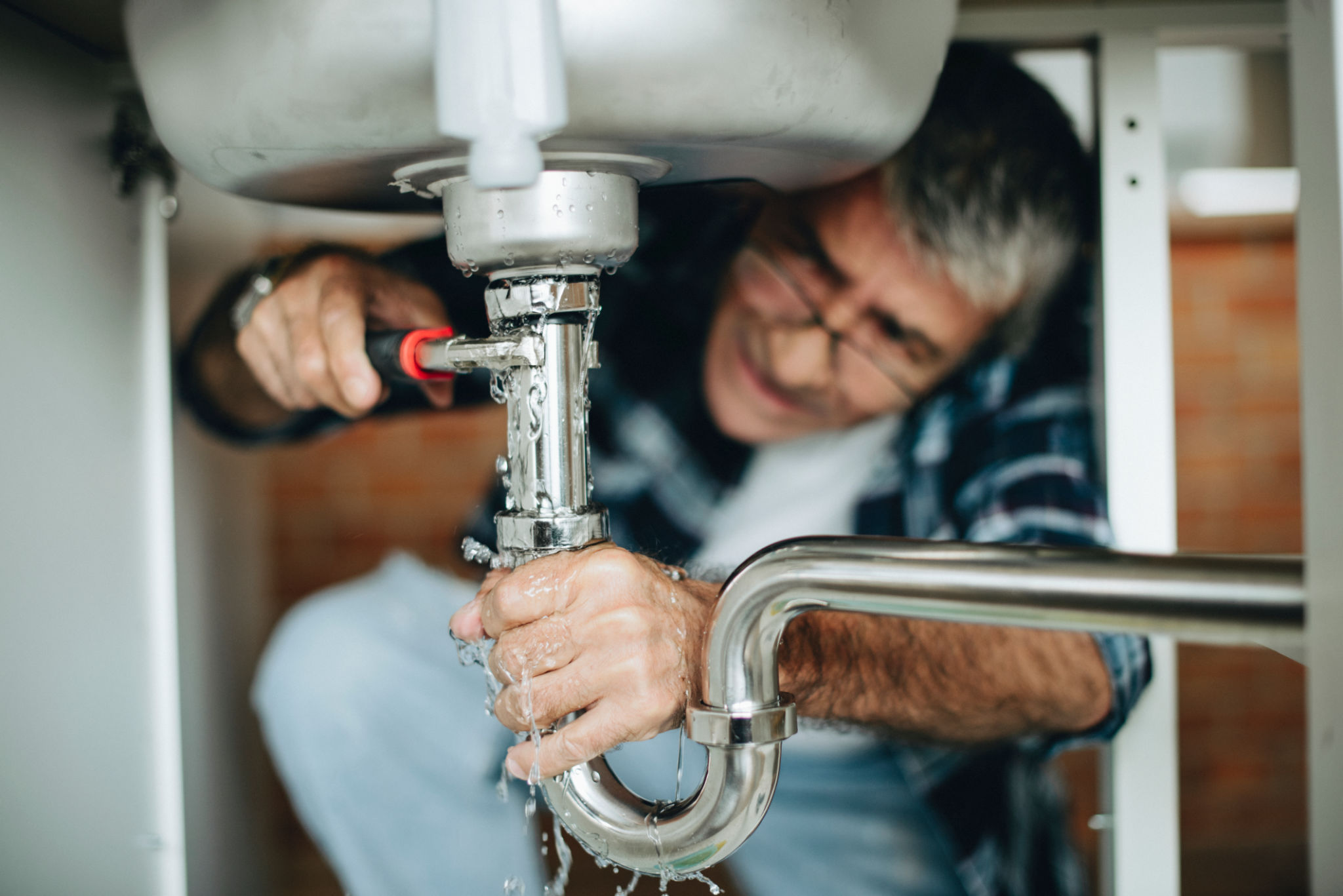
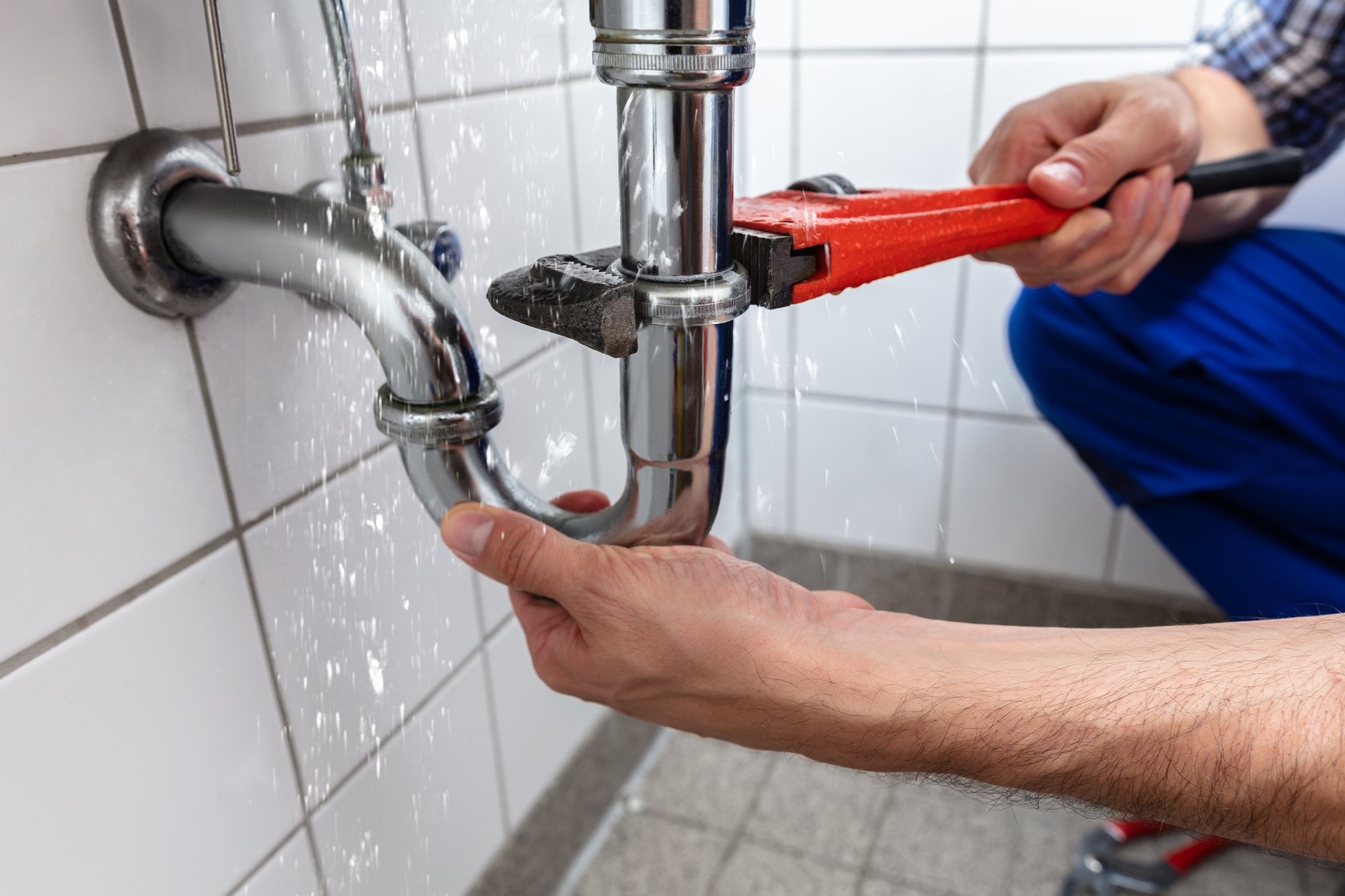
Minor tasks like replacing a showerhead or a P-trap under a sink are generally safe for DIYers. However, anything involving the main water supply, sewer lines, or gas lines should be handled by a licensed professional to ensure compliance with the Florida Building Code and to prevent catastrophic property damage.
Is my home's plumbing covered by insurance?
Standard homeowners insurance policies in Florida typically cover sudden, accidental water damage, such as a burst pipe. However, they rarely cover "wear and tear" or damage caused by slow, long-term leaks (such as pipe corrosion). Review your specific policy to understand your coverage gaps.
Final Recommendation
Understanding your plumbing system is a critical component of homeownership in Tarpon Springs. Given the environmental stressors of this coastal region, prioritize the installation of a water softener, familiarize yourself with your main shut-off valve, and ensure that all major plumbing projects are properly permitted and inspected. If you suspect an issue, engage a licensed local plumber to perform a comprehensive assessment to prevent minor maintenance needs from escalating into emergency situations.
Image Gallery