How Health Insurance Promotions Shape the Market: Dynamics of Competition and Consumer Choice
Health insurance promotions shape the market by driving consumer migration between carriers, dictating the focus of plan innovations, and influencing the overall risk pool stability. By utilizing targeted incentives, wellness rewards,...
Health insurance promotions shape the market by driving consumer migration between carriers, dictating the focus of plan innovations, and influencing the overall risk pool stability. By utilizing targeted incentives, wellness rewards, and digital-first enrollment strategies, insurers actively steer public perception and market share, forcing competitors to adjust pricing and benefits to remain viable.
Contents
The Strategic Role of Promotions in Health Insurance
In the landscape of 2026, health insurance is no longer viewed by consumers as a static utility but as a dynamic service product. Promotions serve as the primary bridge between complex actuarial data and consumer decision-making. These marketing efforts are not merely about "selling a plan"; they are about defining the value proposition of a carrier in a crowded marketplace.
Promotions generally fall into two categories: acquisition-focused and retention-focused. Acquisition promotions are most visible during Open Enrollment Periods (OEP), where carriers use aggressive advertising to capture "switchers"—individuals unhappy with their current coverage or those entering the market for the first time. Retention promotions, conversely, often take the form of "value-added services," such as integrated wellness apps or loyalty-based premium credits, designed to reduce member churn.
The market impact of these strategies is profound. When a major carrier launches a high-visibility promotion—for instance, zero-dollar primary care co-pays for the first three visits—it sets a new baseline for the industry. Competitors are often forced to match these "promotional" features in their standard plan designs for the following year, effectively turning a temporary marketing tactic into a permanent market shift in plan quality and accessibility.
Influencing Consumer Behavior and Enrollment Patterns
Promotions act as a signaling mechanism that directs consumer attention toward specific plan attributes. In a market where policy documents can exceed a hundred pages, promotions distill complex information into "digestible" advantages.
The Shift Toward Wellness and Prevention
In 2026, the market has seen a significant pivot toward "incentivized health." Promotions now frequently highlight rewards for hitting step counts, participating in smoking cessation programs, or completing annual physicals. This shapes the market by attracting a specific demographic: the health-conscious consumer.
By successfully marketing these incentives, insurers can theoretically curate a "healthier" risk pool. If a promotion appeals primarily to individuals who are proactive about their health, the insurer may see lower claims costs over time. However, this also creates a market divide where plans without these "active lifestyle" promotions may end up with a higher concentration of high-risk individuals, leading to premium hikes for those who need coverage the most.
Psychological Anchoring and Price Perception
Promotional pricing—such as "teaser" rates for the first six months or bundled dental and vision packages—utilizes psychological anchoring. Consumers often fixate on the promoted "low starting price" or the "free add-on," sometimes overlooking higher deductibles or narrower provider networks. This behavior drives insurers to compete more on the "front-end" visibility of their products rather than the "back-end" depth of their coverage, a trend that regulators have had to monitor closely to ensure transparency.
How Promotions Drive Product Innovation and Plan Design
The necessity of having something "new" to promote drives the rapid cycle of product development in the insurance sector. Without promotions, the industry might stagnate, offering the same bronze, silver, and gold tiers indefinitely. Instead, the pressure to stand out in a saturated market leads to the integration of niche services.
For example, the rise of telehealth-exclusive plans was largely catalyzed by promotional spending that highlighted convenience and low cost. As these promotions gained traction, traditional "brick-and-mortar" focused plans had to integrate robust digital health platforms to prevent losing market share. In 2026, we see a similar trend with "AI-driven personalized care navigation," a feature currently being used as a major promotional hook to attract tech-savvy younger generations.
Furthermore, promotions shape the geographical market. Insurers often launch heavy promotional campaigns when entering a new "rating area" or county. These campaigns usually involve partnerships with local healthcare systems, effectively shaping which hospitals and clinics see the most volume based on which insurer is currently winning the promotional war in that specific zip code.
Regulatory Constraints and the 2026 Oversight Landscape
Because health insurance is a "promise to pay" for vital services, promotions are subject to intense scrutiny by the Centers for Medicare & Medicaid Services (CMS) and state-level insurance commissioners. In 2026, the regulatory environment focuses heavily on preventing "predatory" or "misleading" marketing.
Regulators ensure that promotions do not:
- Discriminate: Promotions cannot be designed to intentionally exclude individuals with pre-existing conditions (though "wellness" incentives often walk a fine line).
- Misrepresent Coverage: "Limited benefit" plans cannot be promoted as "comprehensive" major medical insurance.
- Use Deceptive "Lead Gen": The use of "unbranded" ads that trick seniors into calling a sales line under the guise of an official government update is strictly prohibited.
These regulations shape the market by forcing insurers to be more creative. Since they cannot compete by excluding sick people, they must compete by offering genuine value, such as better customer service, more efficient claims processing, or broader pharmacy benefits.
Comparative Impact of Promotional Strategies
The following table outlines how different promotional levers currently shape market dynamics and consumer choices in 2026.
| Promotional Lever | Primary Target Audience | Market Impact | Consumer Risk |
|---|---|---|---|
| Wellness Incentives | Young/Healthy Adults | Improves risk pool; lowers long-term claims. | Privacy concerns regarding data sharing. |
| Zero-Dollar Deductibles | High-utilization patients | Forces competitors to subsidize front-end costs. | Often paired with much higher monthly premiums. |
| Bundled Gap Coverage | Families/Lower Income | Increases "stickiness" and plan loyalty. | May mask deficiencies in the core medical policy. |
| Telehealth-First Access | Urban Professionals | Drives down the cost of "low-acuity" care. | Reduced access to specialized in-person diagnostics. |
| Pharmacy Discount Tiers | Seniors/Chronic Care | Directs volume to preferred pharmacy networks. | Limited choice in medication brands or locations. |
Market Volatility and the "Churn" Factor
One of the less discussed ways promotions shape the market is through "churn"—the movement of members from one plan to another. While high churn can be seen as a sign of a healthy, competitive market, it can also lead to fragmented care.
When a consumer switches insurers every year to chase the best "new member promotion," their medical records often become siloed. In 2026, the market is responding to this by promoting "continuity of care" bonuses. Insurers are now experimenting with promotions that reward long-term membership, such as decreasing deductibles for every year a member stays with the plan. This is a direct market response to the volatility created by years of aggressive acquisition-only promotions.
Long-Term Consequences for the Healthcare Ecosystem
Ultimately, the way health insurance is promoted dictates the flow of billions of dollars within the healthcare system. If promotions focus on "low cost at all costs," the market shifts toward narrow networks, which can put financial pressure on community hospitals that are excluded from those networks.
Conversely, if promotions focus on "comprehensive access and choice," providers have more leverage, which can lead to higher overall healthcare costs but better patient outcomes. In 2026, the "middle ground" is being found through value-based care promotions, where insurers promote their partnerships with "high-performing" medical groups that are paid for outcomes rather than the volume of services. This transition is almost entirely driven by how these partnerships are marketed to the public as a "better way to get care."
Frequently Asked Questions
Do promotions actually lower the cost of health insurance for the average person?
In the short term, yes. Promotions often introduce competitive pricing and "value-adds" that weren't previously available. However, in the long term, the high cost of marketing and advertising is baked into the premiums paid by all members. The market benefit lies more in the increased pressure on insurers to innovate and provide better service to justify their costs.
How can I tell if a health insurance promotion is "too good to be true"?
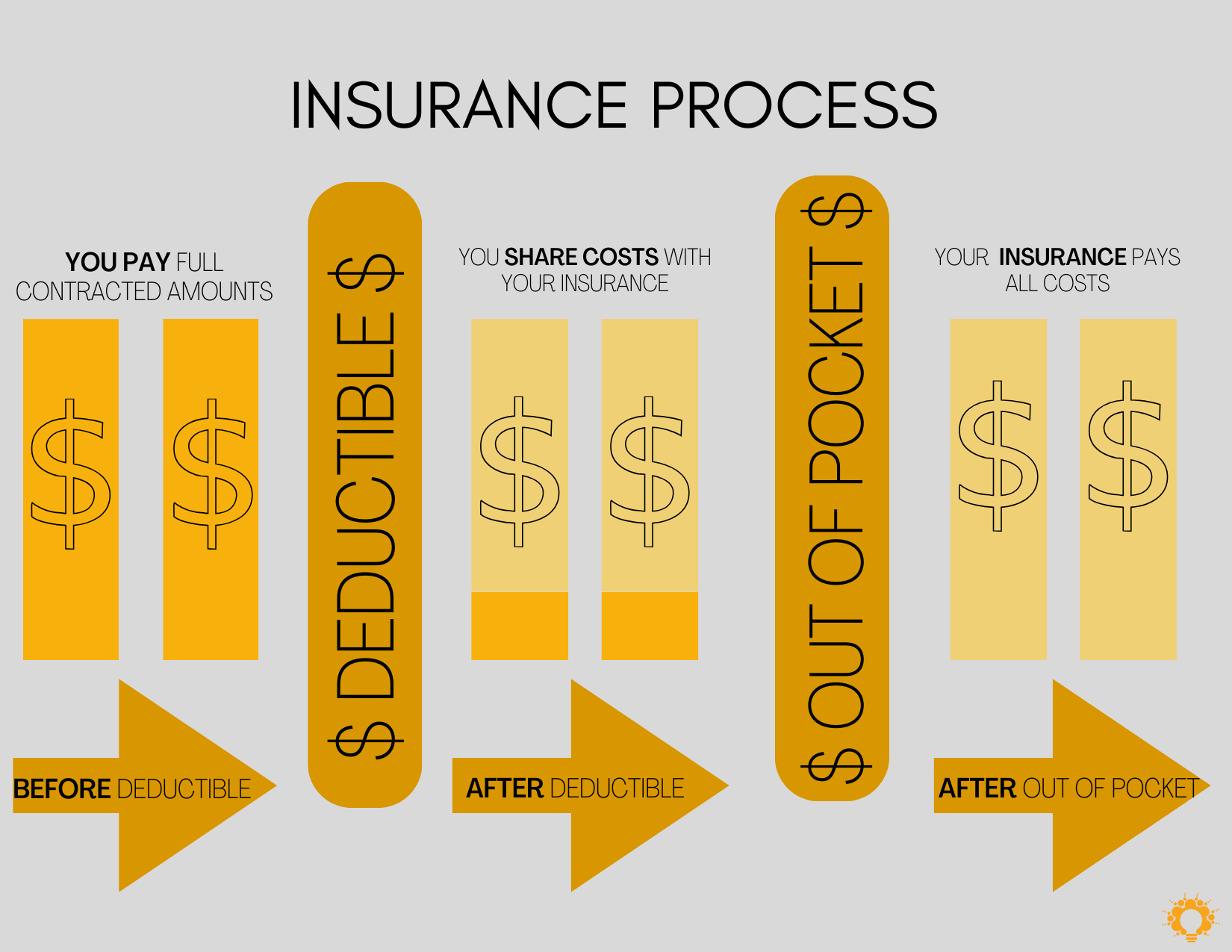
Always look past the "hero" feature of the promotion (e.g., "Free gym membership") and examine the Summary of Benefits and Coverage (SBC). In 2026, regulations require these summaries to be standardized. Compare the deductible, out-of-pocket maximum, and co-insurance rates with your current plan to see if the "promotion" is offset by higher costs elsewhere.
Are "Wellness Rewards" considered a form of promotion?
Yes. Wellness rewards are a strategic promotional tool used to attract lower-risk individuals and increase engagement. By offering financial incentives for healthy behavior, insurers promote themselves as "partners in health" rather than just "payers of bills," which significantly alters their brand position in the market.
How do promotions affect Medicare Advantage plans specifically?
Medicare Advantage is one of the most aggressively promoted segments of the market. Promotions here often focus on "extra benefits" like vision, hearing, and dental, which are not covered by original Medicare. This has led to a massive market shift toward private Medicare plans, with promotions being the primary driver of enrollment growth since 2020.
Can promotional incentives change during the middle of a plan year?
Generally, no. The core financial terms of a health insurance plan are set for the duration of the policy year. However, "non-essential" promotional incentives, such as access to a specific third-party app or a temporary discount program with a retail partner, can sometimes change. Always check the terms and conditions regarding "ancillary benefits."
Practical Recommendation for Navigating the Market
When evaluating a promoted health insurance plan in 2026, your first action should be to verify the network status of your essential providers. Promotions often mask "narrow networks" behind flashy perks. Use the insurer's official provider search tool—not just the promotional brochure—to ensure your primary care physician and preferred specialists are "In-Network." Furthermore, calculate your "total cost of ownership" by adding 12 months of premiums to your expected out-of-pocket costs (based on your previous year's medical usage) to see if the promotion offers genuine savings or merely a superficial discount.
Image Gallery