Comprehensive Guide to Wrinkle Repair Creams: Science, Ingredients, and Efficacy in 2026
Wrinkle repair creams are specialized topical formulations designed to mitigate the visible signs of aging by enhancing skin structure, increasing hydration, and accelerating cellular turnover. By utilizing active compounds such as ret...
Wrinkle repair creams are specialized topical formulations designed to mitigate the visible signs of aging by enhancing skin structure, increasing hydration, and accelerating cellular turnover. By utilizing active compounds such as retinoids, peptides, and antioxidants, these products aim to repair existing damage while protecting the skin from further environmental degradation and intrinsic collagen loss.
Contents
As we navigate the skincare landscape in 2026, the distinction between "anti-aging" and "wrinkle repair" has become increasingly scientific. While anti-aging is a broad term for prevention, wrinkle repair focuses specifically on correcting established structural changes in the dermis. Understanding how these products function requires a look at the biology of the skin, the potency of modern ingredients, and the realistic expectations of topical therapy.
The Biological Mechanism of Wrinkle Formation
To understand how a repair cream works, one must first understand what it is trying to fix. Wrinkles are not merely surface lines; they are the result of structural failures within the skin's layers. As we age, the production of collagen—the protein responsible for skin firmness—slows down. Simultaneously, elastin, which provides the skin with "snap-back" capability, begins to fragment.
In 2026, dermatologists categorize wrinkles into two primary types: dynamic and static. Dynamic wrinkles occur during facial expressions (like crow’s feet or frown lines). Over time, these become static wrinkles, which remain visible even when the face is at rest. Wrinkle repair creams primarily target static wrinkles by thickening the epidermal layer and stimulating the fibroblast cells in the dermis to produce new structural proteins. Furthermore, the loss of glycosaminoglycans (GAGs), such as hyaluronic acid, leads to a loss of volume, making these lines appear deeper. A high-quality repair cream addresses all three fronts: protein synthesis, moisture retention, and cellular protection.
Essential Ingredients in Modern Wrinkle Repair
The efficacy of any wrinkle repair cream is dictated entirely by its formulation. In 2026, several "gold standard" ingredients remain the cornerstone of dermatological recommendations, supplemented by newer stabilized compounds that offer better results with less irritation.
Retinoids: The Gold Standard
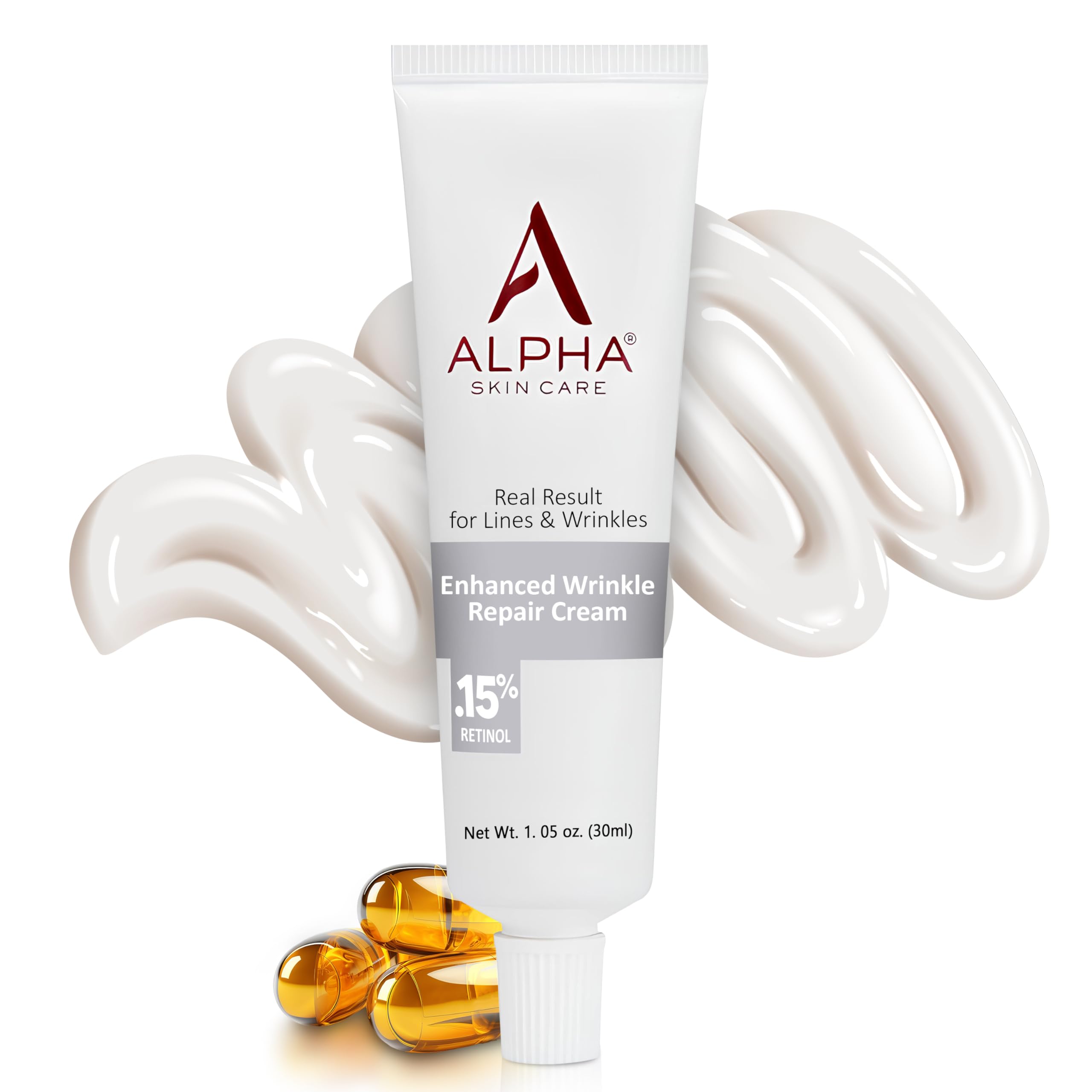
Retinoids, derivatives of Vitamin A, remain the most researched and effective ingredients for wrinkle repair. They work by binding to retinoic acid receptors in the skin, which then "turn on" the genes responsible for collagen production.
- Tretinoin: Still the prescription-strength benchmark, it provides the fastest results but requires a period of "retinization" where the skin may peel.
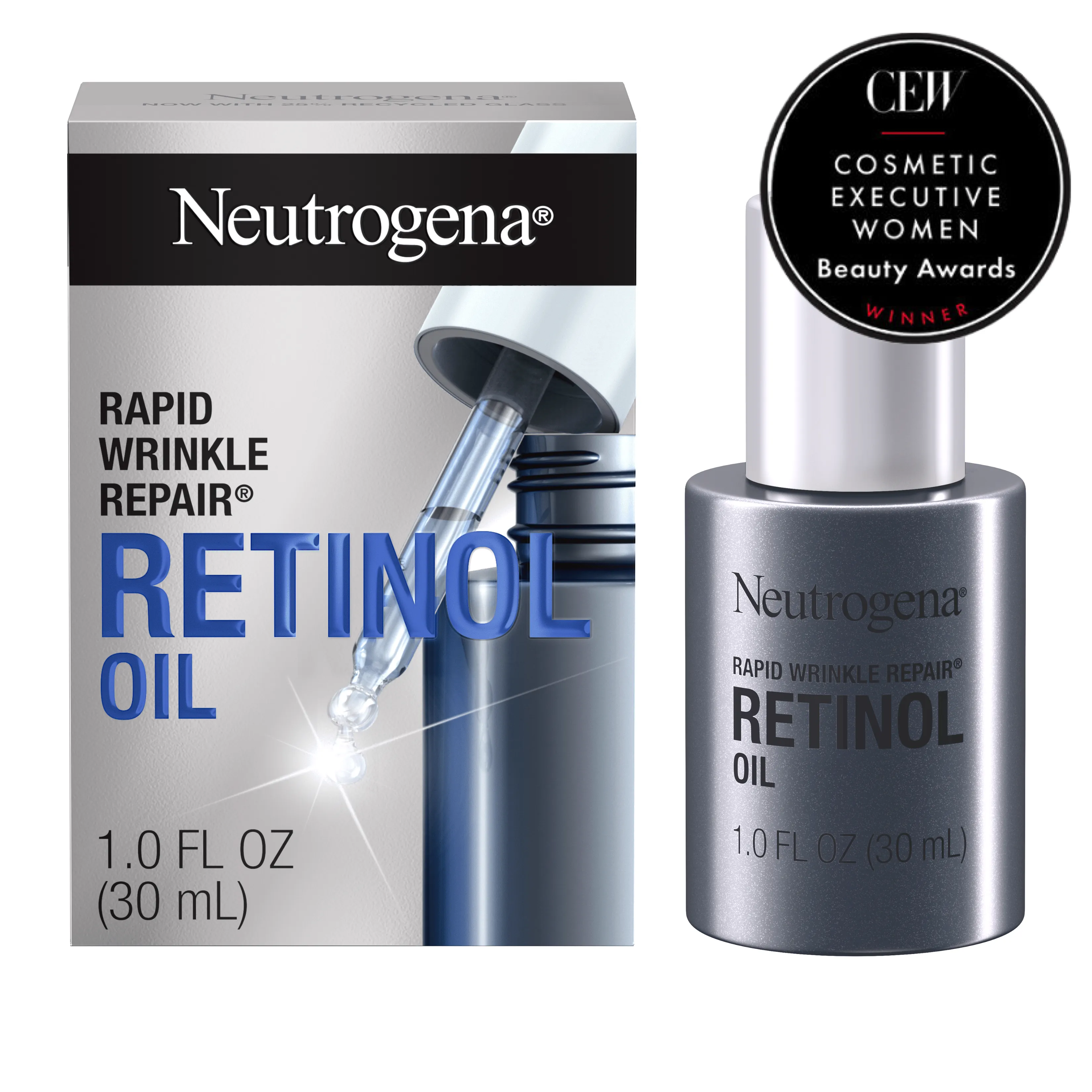
- Retinol: The most common over-the-counter version. In 2026, micro-encapsulation technology has made retinol more stable and less irritating, allowing for slow release throughout the night.
- Retinaldehyde (Retinal): A potent precursor to retinoic acid that acts faster than retinol and is increasingly popular in high-end formulations.
Peptides and Growth Factors
Peptides are short chains of amino acids that act as messengers. When applied topically, they signal the skin to produce more collagen or inhibit the enzymes that break it down.
- Signal Peptides: These trick the skin into thinking it has lost collagen, triggering a healing response.
- Neurotransmitter-Inhibiting Peptides: Often referred to as "Botox in a jar," ingredients like Argireline (Acetyl Hexapeptide-8) help relax the surface of dynamic wrinkles, though their effects are temporary and subtle compared to injectables.
Antioxidants and Environmental Shielding
Oxidative stress from UV radiation and pollution is a primary cause of collagen degradation. Wrinkle repair is as much about stopping the damage as it is about fixing it.
- Vitamin C (L-Ascorbic Acid): Essential for collagen synthesis and brightening hyperpigmentation.
- Niacinamide (Vitamin B3): Strengthens the skin barrier and improves elasticity by increasing ceramide production.
Comparing Wrinkle Repair Active Ingredients
The following table compares the primary functions and expected results of common ingredients found in 2026 wrinkle repair formulations.
| Ingredient | Primary Function | Ideal For | Expected Results Timeline |
|---|---|---|---|
| Retinol/Retinoids | Increases cell turnover & collagen | Deep wrinkles, texture | 12 to 24 weeks |
| Peptides | Signals protein synthesis | Fine lines, loss of firmness | 8 to 12 weeks |
| Hyaluronic Acid | Temporary plumping via hydration | Surface dehydration lines | Immediate (temporary) |
| Vitamin C | Neutralizes free radicals | Prevention & brightening | 4 to 8 weeks |
| Niacinamide | Barrier repair & pore refining | Redness, mild laxity | 4 to 6 weeks |
The Importance of Formulation and Delivery Systems
A common mistake in selecting a wrinkle repair cream is looking only at the percentage of the active ingredient. In 2026, the "delivery system" is considered just as important as the ingredient itself. Because many active ingredients, such as Vitamin C and Retinol, are highly unstable and degrade when exposed to light or air, the packaging and molecular structure of the cream are vital.
Liposomal Delivery: This technology involves wrapping the active ingredient in a lipid (fat) bubble. This allows the ingredient to penetrate deeper into the dermis rather than sitting on the surface, where it would do little to repair deep-seated wrinkles.
Airless Pump Packaging: Jars that require you to dip your fingers in expose the cream to oxygen and bacteria every time they are opened. High-performance repair creams now predominantly use airless pumps to maintain the chemical integrity of the antioxidants and retinoids until the moment they touch your skin.
Integration Into a Skincare Routine
Maximum efficacy is achieved through proper timing and layering. Because wrinkle repair creams often contain potent actives, they must be used strategically to avoid compromising the skin's moisture barrier.
- Cleansing: Always start with a clean canvas. Use a pH-balanced cleanser to ensure the skin is receptive to active ingredients.
- Application: For retinoid-based repair creams, application should occur at night. The skin’s repair processes are most active during sleep, and retinoids are often photo-unstable (they break down in sunlight).
- Moisturization: If the repair cream is not sufficiently hydrating, follow it with a ceramide-rich moisturizer to "lock in" the actives and prevent transepidermal water loss (TEWL).
- Sun Protection: This is non-negotiable. Many repair ingredients make the skin more sensitive to the sun. Furthermore, using a repair cream without daily SPF 30+ is counterproductive, as UV rays will destroy the new collagen the cream is trying to build.
Limitations and Realistic Expectations
It is essential to distinguish between what a cream can do and what requires clinical intervention. Topical creams work primarily on the epidermis and the upper layers of the dermis. They are excellent for fine lines, skin texture, and minor laxity.
However, they cannot fix "sagging" caused by the migration of fat pads or the loss of bone density in the face. For significant jowls or deep nasolabial folds, creams serve as a supportive treatment to maintain skin quality, but surgical or injectable options (like fillers or threads) are often necessary for structural lifting.
Potential Side Effects
- Purging: When starting a retinoid, the increased cell turnover can cause a temporary breakout.
- Erythema: Redness and irritation are common if the concentration of actives is too high for the user's skin type.
- Photosensitivity: An increased risk of sunburn if SPF is neglected.
Frequently Asked Questions
At what age should I start using a wrinkle repair cream?
While "prevention" can start in the mid-20s with antioxidants and sunscreen, dedicated wrinkle repair creams containing retinoids or high-strength peptides are typically introduced in the early 30s. This is the period when natural collagen production begins its steady decline (roughly 1% per year). Starting earlier than necessary provides little benefit and may lead to unnecessary skin irritation.
Can I use multiple repair creams at the same time?
It is generally discouraged to "stack" multiple creams containing high concentrations of different actives unless they are specifically formulated to work together. For example, using a high-percentage Vitamin C cream immediately followed by a Retinol cream can cause significant irritation and potentially deactivate the ingredients due to conflicting pH requirements. It is more effective to use Vitamin C in the morning and Retinol at night.
How long does it take to see actual results?
Skin cells take approximately 28 to 40 days to renew, and collagen synthesis takes even longer. While hyaluronic acid-based creams provide immediate temporary plumping, true "repair" (the reduction of wrinkle depth) usually requires consistent application for at least 12 to 16 weeks. Patience and consistency are the most important factors in any anti-aging regimen.
Do expensive wrinkle repair creams work better than drugstore options?
Not necessarily. The price of a cream often reflects branding, fragrance, and proprietary delivery systems. Many drugstore brands now utilize the same stabilized retinoids and peptides found in luxury products. However, higher-end medical-grade skincare (often sold in dermatology offices) may offer higher concentrations of active ingredients or more sophisticated stabilization technologies that justify a higher price point.
Is it safe to use wrinkle repair creams around the eyes?
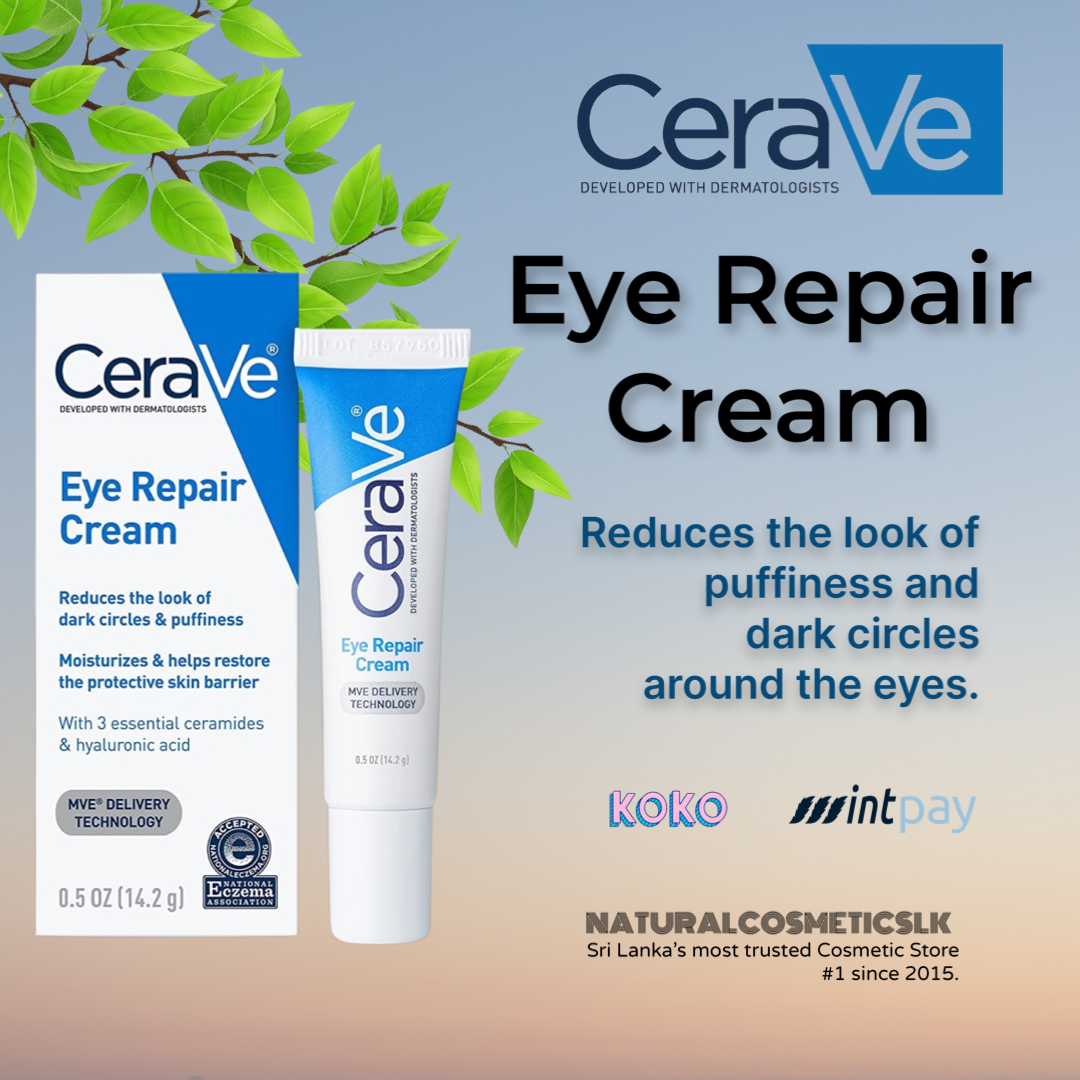
The skin around the eyes is significantly thinner and more sensitive than the rest of the face. Unless a repair cream is specifically labeled as "ophthalmologist-tested" or intended for the eye area, you should exercise caution. Many facial wrinkle creams are too potent for the eyelids and can cause swelling, redness, or chemical burns in that delicate area.
Final Recommendations for 2026
When choosing a wrinkle repair cream, prioritize clinical data over marketing claims. Look for products that list their active concentrations and utilize stable packaging. For those new to active repair, start with a lower concentration of retinol (0.25% to 0.5%) applied two to three times a week, gradually increasing frequency as your skin builds tolerance. Always pair your repair efforts with a broad-spectrum sunscreen to protect the structural integrity of your skin. If you have sensitive skin or conditions like rosacea, consult with a dermatologist to find a non-irritating alternative, such as Bakuchiol, which offers similar benefits to retinol without the inflammatory side effects.
Image Gallery