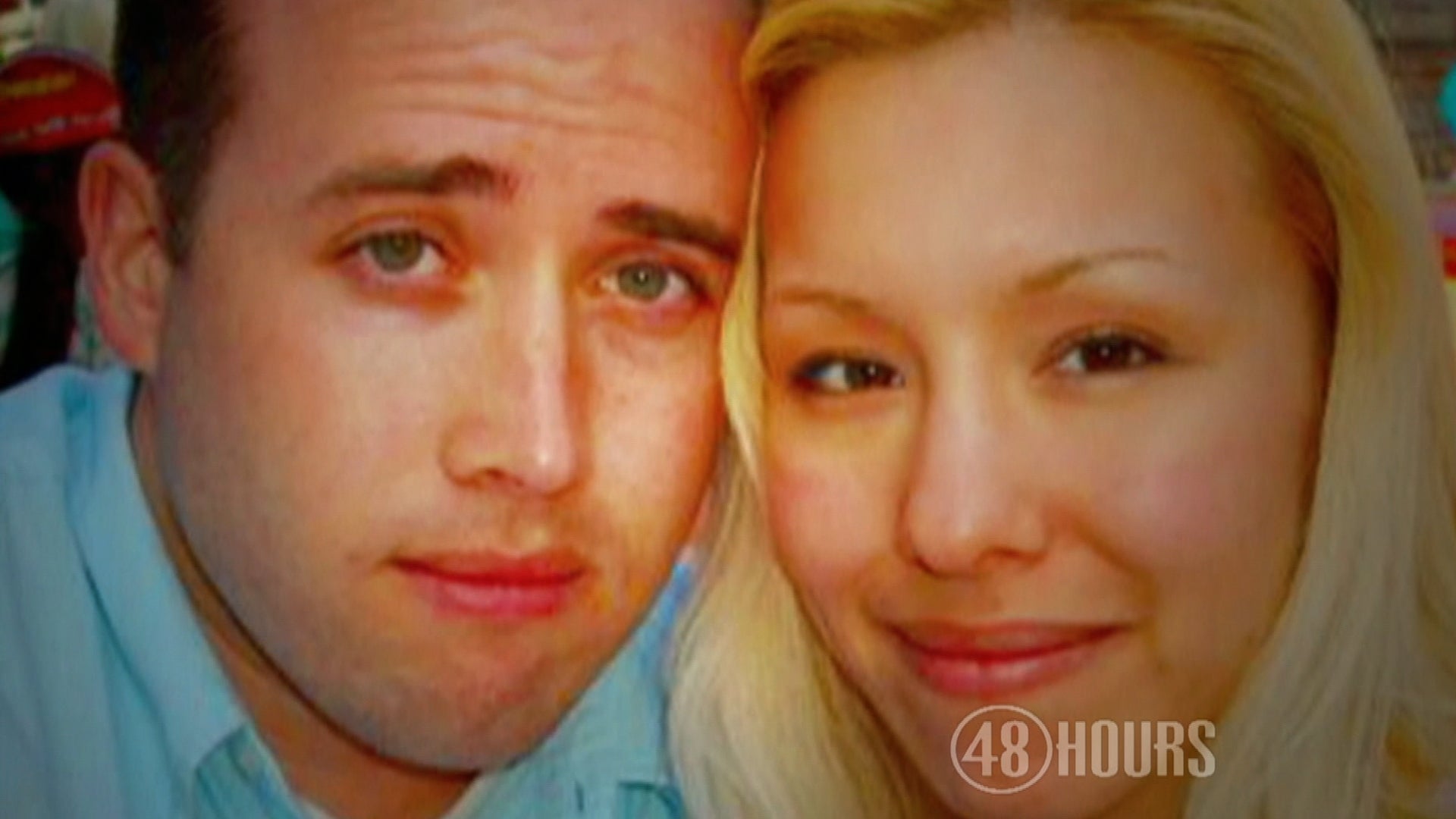
The Legal and Evidentiary Legacy of the Travis Alexander and Jodi Arias Trial
The 2008 murder of Travis Alexander by Jodi Arias stands as one of the most thoroughly documented and publicly scrutinized homicide cases in modern American legal history. The case captivated global audiences through live television br...
The 2008 murder of Travis Alexander by Jodi Arias stands as one of the most thoroughly documented and publicly scrutinized homicide cases in modern American legal history. The case captivated global audiences through live television broadcasts, exposing complex dynamics of domestic abuse allegations, forensic psychology, and the unprecedented integration of digital evidence in courtroom proceedings.
Contents
Understanding the Background of Travis Alexander and Jodi Arias
The relationship between Travis Alexander and Jodi Arias began in September 2006 after meeting at a corporate convention in Las Vegas. Alexander, a charismatic motivational speaker and businessman working for Pre-Paid Legal Services, and Arias, an aspiring photographer, developed a volatile romance characterized by intense emotional shifts, physical intimacy, and periods of separation.
As the relationship deteriorated, tensions mounted. Friends and associates of Alexander later testified that Arias exhibited stalking behaviors, including logging into Alexander's social media accounts, slashing tires on his vehicle, and showing up uninvited at his home in Mesa, Arizona. Despite these warning signs, the two maintained an intermittent, turbulent connection until the day of the homicide.
Chronology of Events on June 4, 2008
On June 4, 2008, Travis Alexander was brutally attacked and killed in the shower of his Mesa, Arizona home. The physical evidence recovered from the crime scene established a violent struggle that moved from the master bedroom into the bathroom.
- The Attack: Alexander sustained nearly 30 stab wounds, a slit throat from ear to ear, and a gunshot wound to the head.
- The Discovery: Concerned friends, noticing Alexander's absence from a scheduled conference call and failure to show up for work, entered his home on June 9, 2008, discovering his decomposing body in the shower stall.
- Initial Flight: Arias fled the scene immediately after the incident, embarking on a cross-country road trip back to her grandparents' home in Yreka, California, while abandoning physical evidence along the route.
Forensic Evidence and Digital Investigation
Law enforcement officials utilized a combination of traditional forensics and emerging digital investigation techniques to link Arias to the crime scene. The investigation relied heavily on technological artifacts that preserved the timeline of events.
| Evidence Type | Specific Artifact | Significance to the Investigation |
|---|---|---|
| Digital Photography | Camera Memory Card | Recovered from a washing machine in Alexander's home; contained time-stamped images of Alexander alive, nude photos of Arias, and accidental trigger photos of the attack. |
| Ballistics and Firearms | 25-Caliber Ammunition | Tied to a residential burglary in Yreka, California, where a gun matching the caliber of the bullet found in Alexander's skull was stolen prior to the murder. |
| Communication Logs | Text Messages and Emails | Demonstrated a persistent pattern of harassment, conflict, and monitoring by Arias in the weeks leading up to the homicide. |
| DNA and Biological Traces | Mixed Blood Samples | Hair, blood, and palm prints found at the crime scene matched a mixture of DNA from both Alexander and Arias. |
Legal Proceedings, Trials, and Defense Strategies
The legal battle unfolded over several years, marked by high-profile defense strategies and intense media coverage. Arias initially denied any involvement in the murder, later changing her narrative multiple times before settling on a claim of self-defense.
The Self-Defense Claim and Battered Woman Syndrome
The defense team argued that Arias killed Alexander in self-defense, claiming she suffered physical and emotional abuse throughout their relationship. Expert psychological testimony was introduced to support the assertion that Arias exhibited symptoms consistent with battered woman syndrome and post-traumatic stress disorder.
Prosecution's Rebuttal and Premeditation
The prosecution countered the self-defense narrative by highlighting overwhelming evidence of premeditation. Prosecutors presented evidence showing that Arias rented a car, dyed her hair brown, stole a gun from her grandparents' home, and drove across state lines specifically to confront and kill Alexander. The sheer brutality of the attack, combined with the extensive planning, formed the core of the state's argument for first-degree murder.
Verdicts and Sentencing Outcomes
The judicial process required multiple phases due to deadlocked juries regarding sentencing, ultimately concluding with a sentence that ensured lifetime incarceration without the possibility of parole.
- First-Degree Murder Conviction: On May 8, 2013, a Maricopa County jury found Jodi Arias guilty of first-degree murder, determining the killing was committed with cruelty.
- Sentencing Mistrials: The initial penalty phase juries deadlocked twice on whether to impose the death penalty or life imprisonment.
- Final Sentencing: Under Arizona law, when a jury deadlocks on the death penalty during a retrial, the death penalty is removed, leaving the judge to impose life imprisonment. On March 13, 2015, Judge Sherry Stephens sentenced Arias to life in prison without the possibility of parole.
Broader Cultural and Legal Implications
The trial of Travis Alexander and Jodi Arias left a lasting mark on modern legal proceedings and media culture. It highlighted the ethical challenges of televised trials, where courtroom drama intersects with sensationalized public commentary. Furthermore, the case demonstrated how digital footprints—ranging from deleted text messages to recovered camera memory cards—serve as definitive tools in modern criminal prosecutions, ensuring that perpetrators can no longer rely solely on changing personal narratives to evade accountability.
Image Gallery