Capturing the Elusive Spirit Bear Photo: Ecology, Ethics, and Photographic Techniques
Securing a high-quality spirit bear photo requires a combination of ecological understanding, strict ethical guidelines, and specialized wildlife photography techniques. Because these rare, white-phased black bears reside in remote reg...
Securing a high-quality spirit bear photo requires a combination of ecological understanding, strict ethical guidelines, and specialized wildlife photography techniques. Because these rare, white-phased black bears reside in remote regions of British Columbia, successful documentation demands thorough logistical planning and immense patience in the field.
Contents
Understanding the Spirit Bear and Its Unique Habitat
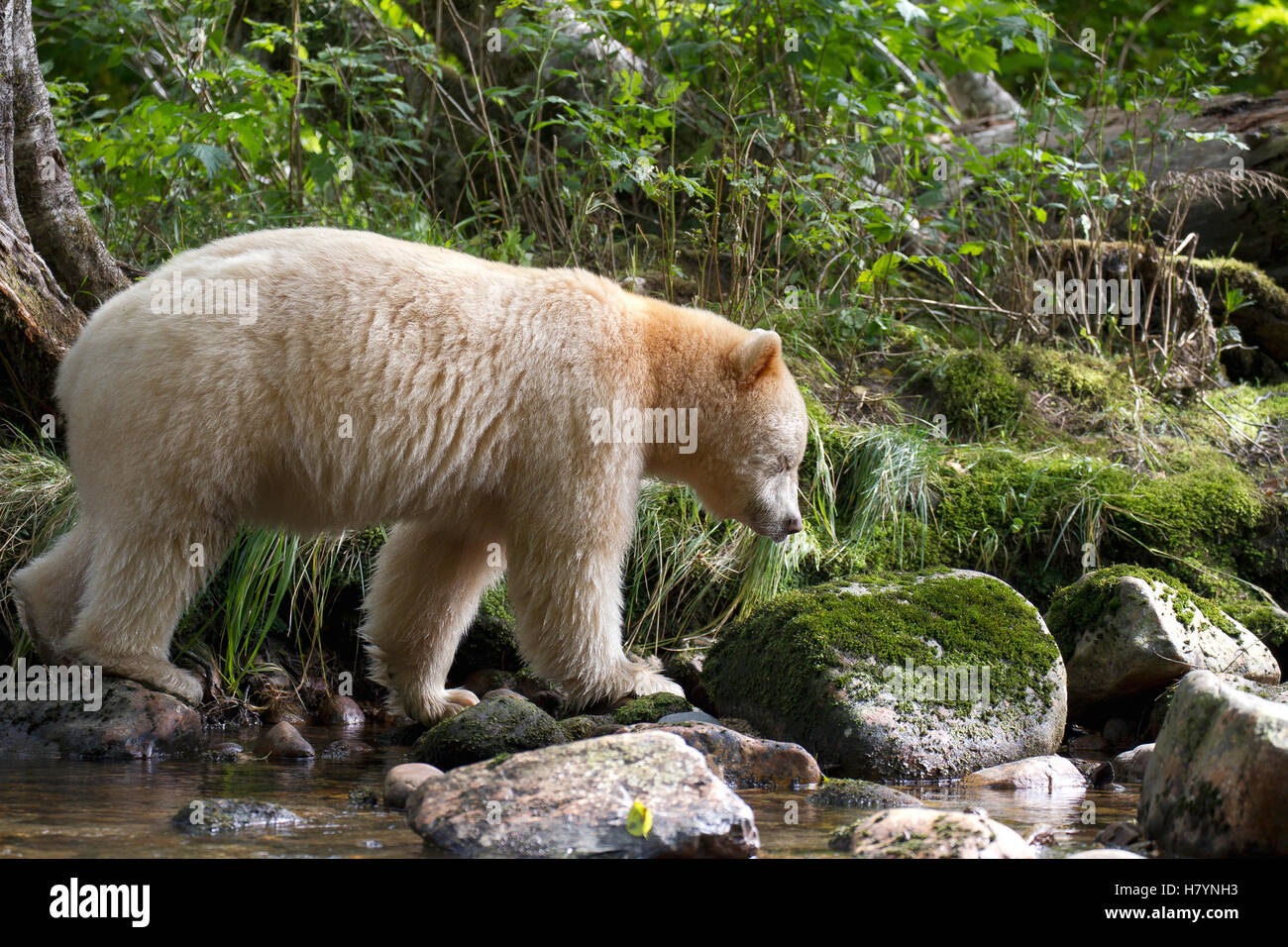
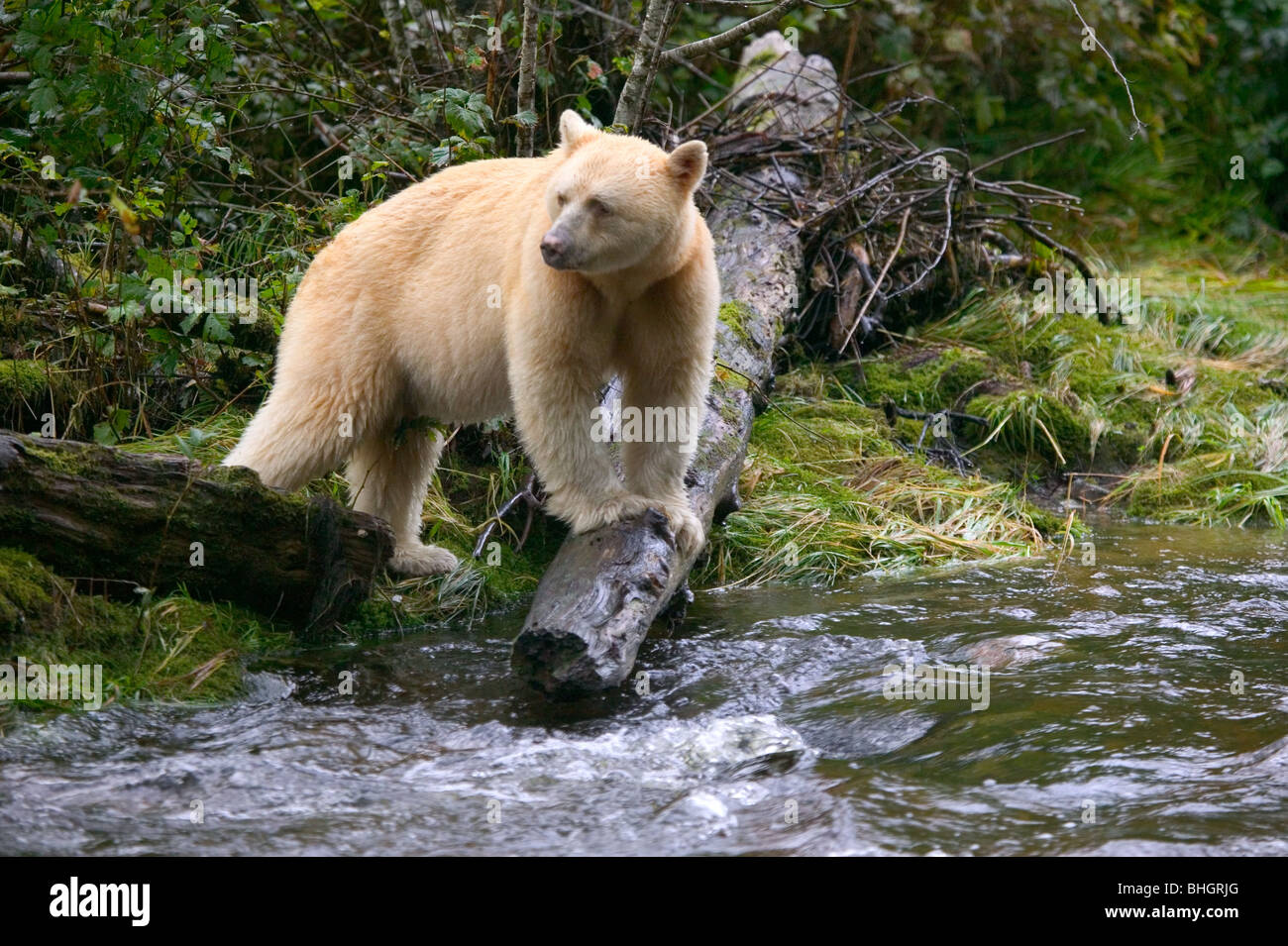
The spirit bear, scientifically known as the Kermode bear (Ursus americanus kermodei), is a rare subspecies of the American black bear. It is not an albino; rather, its distinctive white or cream-colored coat is the result of a rare recessive gene mutation. Understanding this biological distinction is critical for any wildlife photographer attempting to capture an accurate representation of the animal within its natural environment.
The Genetic Mechanism Behind the White Coat
The white coloration is controlled by a single recessive mutation in the melanocortin 1 receptor (MC1R) gene. For a cub to be born with the iconic white coat, both parents must carry the recessive gene. Interestingly, two black-phased black bears carrying the gene can produce a white cub, and conversely, spirit bears can give birth to black cubs. This genetic interplay means that a spirit bear photo captures a rare phenotypic expression rather than a separate species entirely.
Geographic Distribution and Ecosystem Dynamics
Kermode bears are found almost exclusively within the Great Bear Rainforest along the central and north coast of British Columbia, Canada. Key strongholds for these animals include:
- Princess Royal Island: Widely documented as having the highest concentration of white-phased individuals.
- Gribbell Island: Another critical sanctuary where a significant percentage of the local black bear population displays the white phase.
- The Mainland Fjords: Rivers and estuaries stretching from Kitimat down to the territory of the Gitga'at, Kitasoo/Xai'xais, and other First Nations.
This ecosystem is characterized by dense temperate rainforests, rugged coastlines, and salmon-rich rivers. The rainforest backdrop provides a dark, damp, and highly contrasting environment, which directly impacts exposure settings and compositional choices for a spirit bear photo.
Ethical Considerations in Wildlife Photography
Photographing rare and culturally significant wildlife requires adherence to strict ethical boundaries. For the First Nations of the Great Bear Rainforest, the spirit bear—known in the local Indigenous language as mooksgm—is a sacred entity deeply intertwined with creation stories and cultural heritage.
Respecting Indigenous Sovereignty and Land Access
Much of the prime habitat for Kermode bears lies within the traditional territories of coastal First Nations. Photographers must respect access restrictions, community guidelines, and sovereignty over these lands. Operating without proper permissions or local guidance can disrupt conservation efforts and disrespect cultural values. Many ethical operations partner directly with Indigenous-owned eco-lodges and guide services, ensuring that tourism benefits the local communities and supports ongoing habitat protection.
Minimizing Stress and Maintaining Wildlife Disturbance Protocols
Wildlife photography must never compromise the safety or natural behavior of the subject. When attempting to capture a spirit bear photo, professionals follow rigorous distance protocols:
- Use Telephoto Lenses: Employing long focal lengths (typically 300mm to 600mm or more) allows photographers to remain at a safe, non-invasive distance.
- Avoid Baiting: Ethical wildlife photography relies on natural behaviors. Baiting bears alters their foraging habits and creates dangerous habituation to humans.
- Read Body Language: If a bear alters its behavior, stops feeding, or exhibits signs of stress (such as jaw-clacking, huffing, or ground-swiping), the photographer must immediately increase the distance or retreat.
Technical Equipment and Field Strategies
The rainforest environment presents formidable technical challenges for photographers. Heavy cloud cover, dense tree canopies, and reflective white fur require careful gear selection and camera settings to secure a tack-sharp, well-exposed spirit bear photo.
Recommended Camera Gear
- Camera Bodies: High-resolution bodies with exceptional low-light performance and advanced autofocus tracking are essential, as bears frequently move rapidly through dappled light and shadows.
- Lenses: Fast telephoto primes (e.g., 300mm f/2.8 or 400mm f/2.8) or versatile telephoto zooms (e.g., 100-400mm or 200-600mm) provide the reach needed to isolate the subject from complex background foliage.
- Support Systems: Sturdy carbon-fiber tripods or monopods help maintain stability during long hours of waiting, though handheld techniques are often necessary in mobile skiff or shoreline scenarios.
Mastering Exposure in High-Contrast Environments
One of the most common pitfalls when taking a spirit bear photo is blowing out the highlights on the white fur while underexposing the dark forest background.
- Histogram Monitoring: Rely on real-time RGB histograms rather than the rear LCD screen to ensure the white fur retains detail without clipping.
- Manual Exposure with Auto-ISO: In changing light conditions—such as a bear moving from deep shade into bright river sunlight—using Manual mode with Auto-ISO and exposure compensation allows the photographer to lock shutter speed and aperture while managing shifting light.
- Metering Modes: Spot metering or highlight-weighted metering can prevent the camera from over-darkening the scene when the brilliant white fur dominates the frame.
Comparison of Photographic Approaches
| Approach / Location | Pros | Cons | Best Suited For |
|---|---|---|---|
| Land-Based Blind / Shoreline | Stable platform, lower angles, immersive eye-level perspectives. | Limited mobility, highly dependent on bear movement patterns. | Stationary salmon-spawning streams with established viewing areas. |
| Boat-Based (Skiff / Zodiac) | High mobility along complex coastlines, access to remote fjords and estuaries. | Movement from wave action, restricted heavy gear support, potential to disturb marine life. | Scouting large inlets, tidal flats, and intertidal feeding zones. |
| Indigenous-Led Cultural Tour | Expert local knowledge, authorized access, direct contribution to conservation and community. | Fixed schedules, higher costs, group size limitations. | Comprehensive, respectful, and high-probability wildlife expeditions. |
Frequently Asked Questions
Where is the best place to take a spirit bear photo?
The highest concentrations of Kermode bears are found on Princess Royal Island and Gribbell Island within British Columbia’s Great Bear Rainforest. Access is strictly controlled, and visiting via specialized, authorized eco-tours or Indigenous-led expeditions is the most reliable and legal method.
How do I prevent overexposing the white fur of a spirit bear?
Shoot in RAW format to maximize dynamic range recovery during post-processing. Use manual exposure settings or exposure compensation (underexposing slightly by -0.3 to -0.7 stops) to preserve the delicate texture and highlight details in the white coat against dark forest backgrounds.
When is the best time of year to photograph spirit bears?
The autumn months—specifically late August through October—coincide with the annual Pacific salmon runs. During this period, bears congregate near rivers and streams to feed, making them much easier to locate and photograph as they engage in active fishing behavior.
Are spirit bears dangerous to photographers?
Like all wild bears, Kermode bears are powerful apex predators and must be treated with extreme caution. While they are generally shy and avoid human contact, surprising a bear or getting too close during feeding can provoke a defensive reaction. Always maintain a safe distance and carry bear spray in an accessible location.
Can I use a flash for a spirit bear photo?
No. Using artificial flash or strobes is strictly discouraged and often illegal, as it can startle the animal, damage its sensitive night vision, and disrupt natural nocturnal or diurnal behaviors. Rely instead on fast lenses, higher ISO settings, and natural ambient light.
Next Actions and Field Preparation
If you are planning an expedition to capture your own spirit bear photo, begin by researching authorized tour operators who hold partnerships with coastal First Nations. Secure bookings well in advance, as access to the Great Bear Rainforest is heavily regulated to protect both the fragile ecosystem and the resident wildlife. Invest time in practicing high-contrast exposure management and telephoto stabilization techniques before embarking on your journey into the rain-shadowed fjords of British Columbia.
Image Gallery