Understanding House Cat Information: Taxonomy, Biology, Behavior, and Care
House cats are small, domesticated carnivorous mammals scientifically known as Felis catus, sharing our homes, adapting to human environments, and maintaining sophisticated predatory instincts that trace back directly to their wild anc...
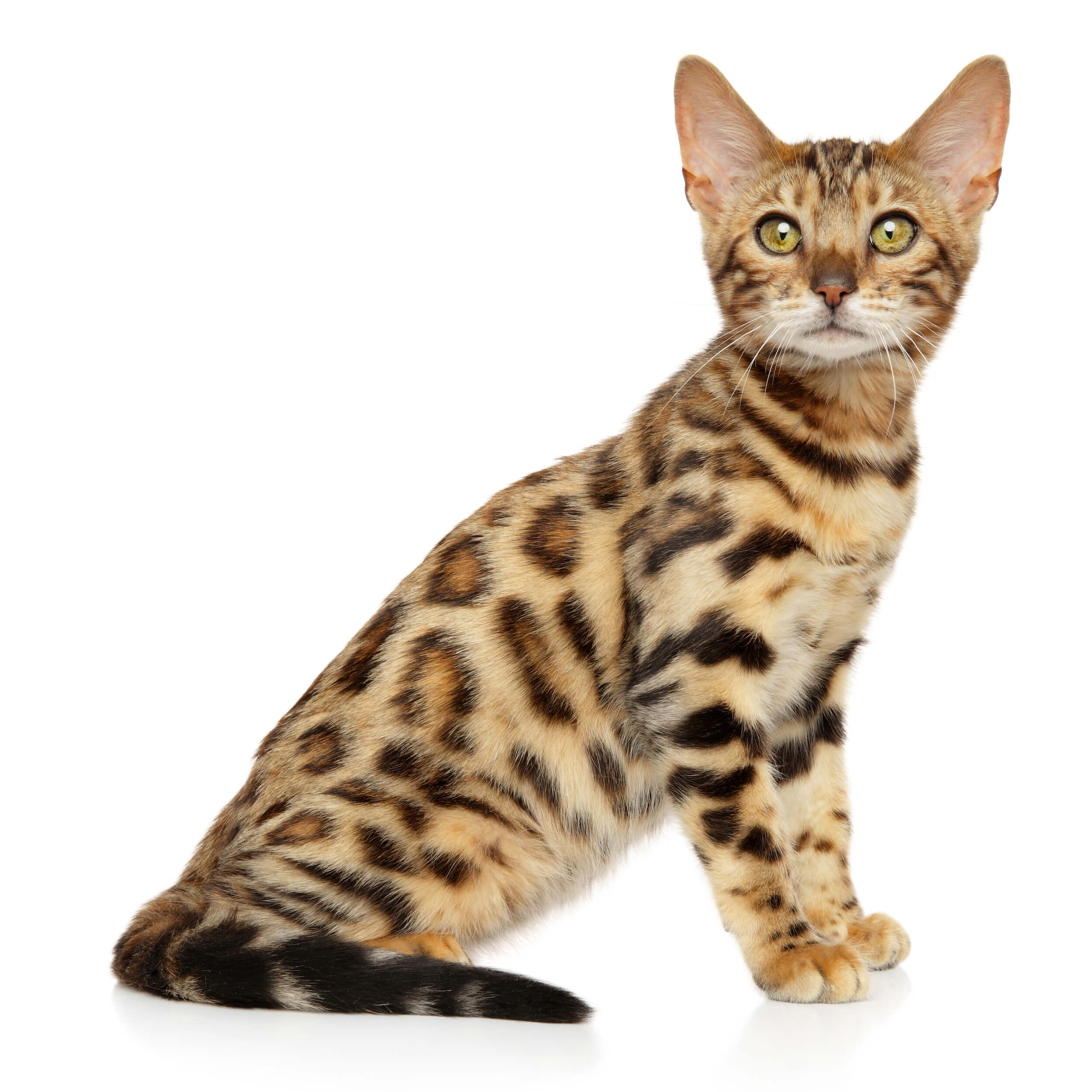
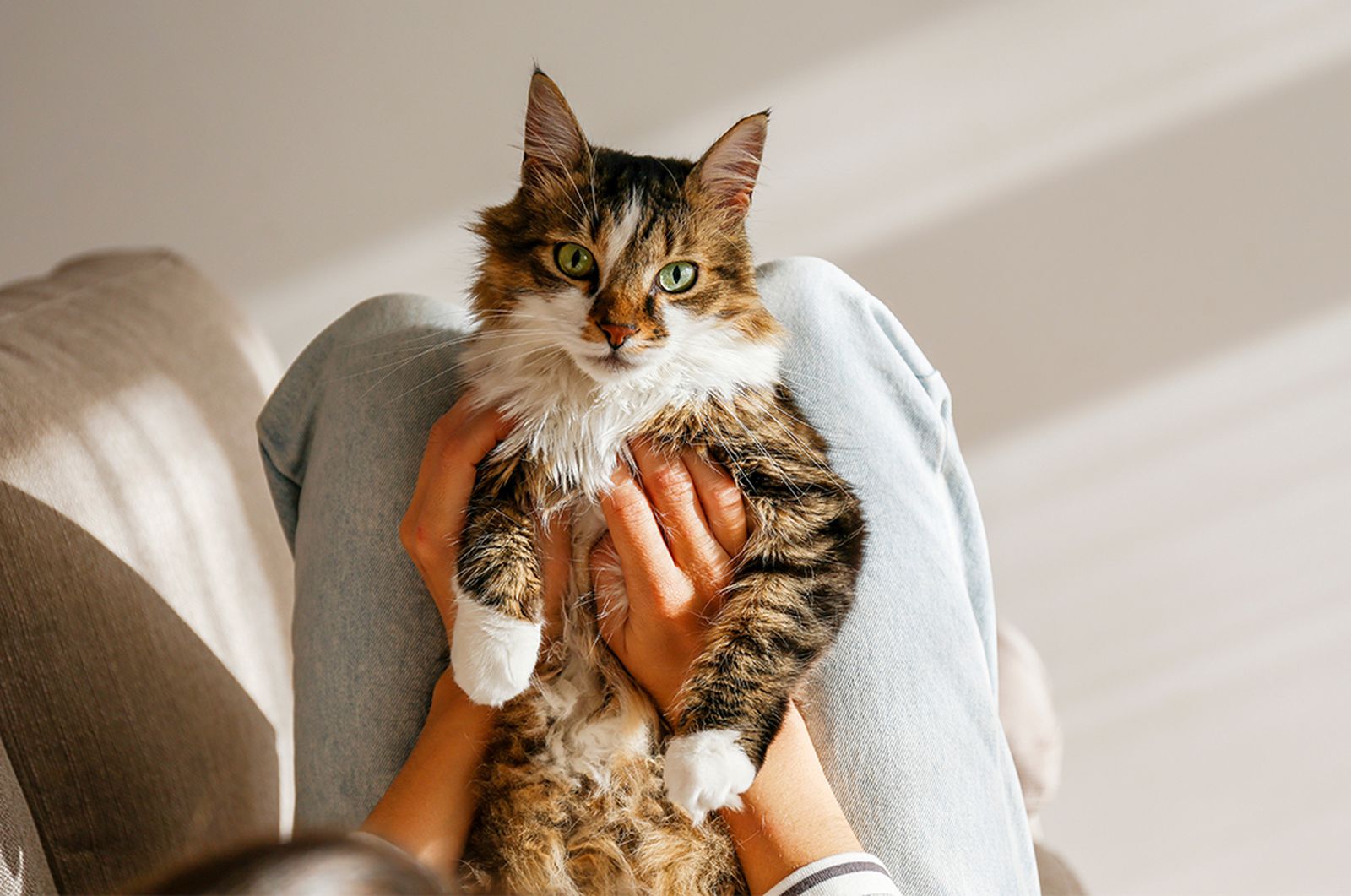
House cats are small, domesticated carnivorous mammals scientifically known as Felis catus, sharing our homes, adapting to human environments, and maintaining sophisticated predatory instincts that trace back directly to their wild ancestors.
Contents
Introduction to the Domestic Cat (Felis catus)
House cat information encompasses a vast scientific and practical domain ranging from feline taxonomy and evolutionary history to daily nutritional science, behavioral psychology, and preventative veterinary medicine. As one of the most popular companion animals globally, the domestic cat balances deep integration into human households with a fiercely preserved, independent biological architecture.
Resolving common ambiguities regarding house cats requires distinguishing between free-ranging feral populations, barn cats, and indoor companion pets. While all belong to the same biological species, their management requirements, health profiles, and interactions with human environments vary significantly. This guide explores the foundational elements of feline biology, behavioral patterns, environmental enrichment, and health maintenance to provide a comprehensive reference for pet owners, researchers, and animal welfare advocates as of 2026.
Evolutionary History and Taxonomy
The lineage of the domestic cat begins with the Near Eastern wildcat (Felis lybica), an adaptation that occurred approximately 10,000 years ago in the Fertile Crescent. Unlike dogs, which were domesticated primarily for hunting, herding, and protection, cats self-domesticated by gravitating toward early human agricultural settlements where grain stores attracted dense populations of rodents (Mus musculus).
Taxonomic Classification
Understanding the house cat requires examining its formal position within the animal kingdom:
- Kingdom: Animalia
- Phylum: Chordata
- Class: Mammalia
- Order: Carnivora
- Family: Felidae
- Subfamily: Felinae
- Genus: Felis
- Species: F. catus
This taxonomic lineage places the house cat alongside apex predators, though downsized for an ecological niche centered on small prey. Genetic studies confirm that modern house cats retain a high degree of genetic similarity to their wild ancestor, explaining why their physiological needs and natural behaviors remain largely unchanged despite millennia of human cohabitation.
Feline Anatomy and Physiological Adaptations
The anatomy of Felis catus is a masterclass in predatory evolution. Every physical feature, from their skeletal structure to their sensory organs, is optimized for detecting, stalking, and capturing small prey.
Sensory Systems
- Vision: Cats possess a high density of rod photoreceptors in the retina, granting them exceptional night vision—roughly six times superior to that of humans. Their tapetum lucidum, a reflective layer behind the retina, amplifies incoming light.
- Hearing: Feline ears act as acoustic funnels capable of detecting high-frequency sounds up to 65,000 Hz, far exceeding the human upper limit of 20,000 Hz. This adaptation allows them to pinpoint the ultrasonic squeaks of rodents hidden beneath snow or dense brush.
- Olfaction and Vomeronasal System: While cats have fewer olfactory receptors than dogs, they possess a specialized Jacobson's organ (vomeronasal organ) located in the roof of the mouth. By performing the flehmen response—drawing back the lips with an open mouth—they capture and analyze pheromones and chemical signals.
Skeletal and Muscular Specializations
The feline spine is exceptionally flexible, composed of extra vertebrae and elastic intervertebral discs that allow for extreme twisting and leaping capabilities. Their clavicles (collarbones) are free-floating, attached only by muscle rather than bone, enabling them to squeeze through narrow openings and absorb the impact of high falls through their famous righting reflex.
Behavioral Science and Social Structures
House cat behavior is frequently misunderstood. While dogs evolved strict pack hierarchies, cats evolved from solitary hunters, leading to a distinct social and communicative repertoire.
Communication Channels
Cats communicate through a complex matrix of vocalizations, scent marking, and body language:
- Vocalizations: Purring typically indicates contentment, though it can also signal pain or stress. Meowing is a specialized vocalization directed almost exclusively at humans to solicit food, attention, or access. Hissing and growling serve as defensive warnings.
- Olfactory Marking: Glands located on the cheeks, paws, and base of the tail secrete chemical markers. By rubbing against furniture, walls, or human legs, cats establish territory and security zones within their environment.
- Postural Signals: Tail positioning is a primary indicator of emotional state. An upright tail with a slight curve at the tip signals confidence and friendliness, whereas a puffed-out tail and arched back indicate fear or defensive aggression.
Predatory Play and Instincts
Even well-fed indoor cats retain a strong predatory sequence consisting of stalk, chase, pounce, and kill. Providing interactive play sessions utilizing wand toys mimics this cycle, preventing destructive behaviors such as redirected aggression, furniture scratching, and night-time vocalization.
Comprehensive Care, Nutrition, and Husbandry
Proper husbandry ensures that house cats live long, healthy lives. Meeting their specific dietary and environmental requirements prevents common chronic conditions like feline lower urinary tract disease (FLUTD) and obesity.
Nutritional Requirements
Cats are obligate carnivores, meaning their biological systems require specific nutrients found exclusively in animal tissue:
- Taurine: An essential amino acid required for heart function, vision, and reproductive health. Taurine deficiency leads to dilated cardiomyopathy and retinal degeneration.
- Arachidonic Acid: A fatty acid that cats cannot synthesize independently and must obtain through animal fats.
- Preformed Vitamin A and Niacin: Unlike omnivores, cats lack the enzymatic pathways to convert plant-based beta-carotene and tryptophan into usable vitamins, necessitating a meat-based diet.
Environmental Enrichment
Indoor cats require structured environmental enrichment to mitigate boredom and stress. This includes vertical territory (cat trees, shelving), scratching posts of appropriate height and texture, puzzle feeders, and clean, accessible litter boxes maintained according to the standard rule: one box per cat, plus one extra.
| Care Domain | Requirement / Standard | Recommended Frequency / Protocol |
|---|---|---|
| Dietary Profile | High-protein, grain-inclusive or grain-free meat-based diet; high moisture content (wet food). | Multiple measured meals daily or scheduled feeding; constant access to fresh water. |
| Litter Box Maintenance | Clay, silica, or paper litter in a quiet, low-traffic location. | Scooping waste daily; complete litter replacement and basin sanitation weekly. |
| Veterinary Wellness | Physical examinations, core vaccinations (Rabies, FVRCP), parasite control. | Annual wellness exams for adult cats; semi-annual exams for seniors (age 10+). |
| Grooming & Coat Care | Brushing to remove loose undercoat and prevent trichobezoars (hairballs). | Weekly for short-haired breeds; daily for long-haired breeds (e.g., Persians). |
Preventative Medicine and Common Health Challenges
Veterinary care has significantly extended the lifespan of the house cat, with indoor cats frequently living between 12 and 20 years. Proactive screening and early intervention remain critical for managing species-specific vulnerabilities.
Common Feline Ailments
- Chronic Kidney Disease (CKD): A degenerative condition common in geriatric cats, characterized by progressive loss of renal function. Management involves specialized prescription diets restricting phosphorus and maintaining hydration.
- Feline Diabetes Mellitus: Often linked to obesity and dietary carbohydrate levels, feline diabetes requires weight management, low-carbohydrate diets, and potentially insulin therapy administered under veterinary guidance.
- Dental Disease: Periodontal disease affects a vast majority of adult cats over three years of age. Routine tooth brushing, dental diets, and professional cleanings under anesthesia prevent systemic infection originating from the oral cavity.
Frequently Asked Questions
What is the average lifespan of an indoor house cat?
Indoor house cats typically live between 12 and 15 years, with many reaching 18 to 20 years or more with optimal nutrition, indoor confinement, and regular veterinary care. Outdoor access significantly reduces lifespan due to risks from vehicular traffic, predators, infectious diseases, and toxins.
Why do cats knead with their paws?
Kneading—often called "making biscuits"—is a vestigial behavior retained from kittenhood. Nursing kittens massage the mother's mammary glands to stimulate milk flow. Adult cats knead soft surfaces when feeling content, relaxed, or when preparing a comfortable resting area, also activating scent glands located in their paw pads.
Are house cats truly domesticated compared to dogs?
Yes, but through a different evolutionary pathway. While dogs underwent rigorous artificial selection for working roles, cats were selected primarily for pest control. They retain their hunting instincts, solitary survival traits, and anatomical structures largely unchanged from their wild ancestors, earning them the classification of a semi-domesticated species.
How much water should a house cat drink daily?
An adult cat requires approximately 50 to 60 milliliters of water per kilogram of body weight daily. Because cats evolved as desert dwellers with a low natural thirst drive, many do not drink enough standing water. Incorporating wet canned food into their diet or providing circulating water fountains encourages adequate hydration and protects kidney and urinary tract health.
What causes hairballs, and how can they be prevented?
Hairballs (trichobezoars) form when cats ingest loose fur during grooming, which accumulates in the stomach instead of passing through the digestive tract. Prevention strategies include regular brushing to remove loose hair, administering specialized hairball gels or high-fiber diets, and ensuring consistent hydration to facilitate normal gastrointestinal motility.
Conclusion and Next Actions
Maintaining the health and well-being of a house cat requires a holistic approach that honors their predatory lineage, carnivorous nutritional requirements, and complex behavioral needs. To provide optimal care, owners should establish a relationship with a feline-friendly veterinarian, implement a high-protein diet with adequate moisture, and construct a stimulating indoor environment equipped with scratching surfaces, vertical territory, and interactive play routines.
Image Gallery