Understanding What a Comprehensive Deductible Means for Your Insurance Policy
A comprehensive deductible is the fixed out-of-pocket amount you agree to pay toward the repair or replacement of your vehicle before your insurance provider covers the remainder of the costs for non-collision-related damage. This spec...
A comprehensive deductible is the fixed out-of-pocket amount you agree to pay toward the repair or replacement of your vehicle before your insurance provider covers the remainder of the costs for non-collision-related damage. This specific component of your policy functions as a financial trigger, activating your coverage only after you satisfy the pre-selected amount following incidents such as theft, vandalism, fire, or weather-related damage.
Contents
The Role of Comprehensive Coverage in Your Policy
To understand the deductible, you must first define the coverage it serves. Comprehensive coverage is a primary pillar of an automotive insurance policy, distinct from collision coverage. While collision insurance handles damages resulting from a crash with another vehicle or object, comprehensive coverage protects your financial interest against "acts of God" and other external factors that are often beyond your control.
Common scenarios where a comprehensive deductible comes into play include:
- Theft and Vandalism: If your vehicle is stolen or suffers intentional damage such as keyed paint or broken windows.
- Environmental Damage: Repairs required after hail, windstorms, hurricanes, or floods.
- Fire and Explosions: Damages resulting from accidental fires under the hood or external combustion.
- Animal Collisions: Accidents involving hitting a deer or other wildlife on the road, which are legally treated as comprehensive claims rather than collision claims in many jurisdictions.
- Falling Objects: Damage sustained from a tree limb falling on your car or debris from an overpass.
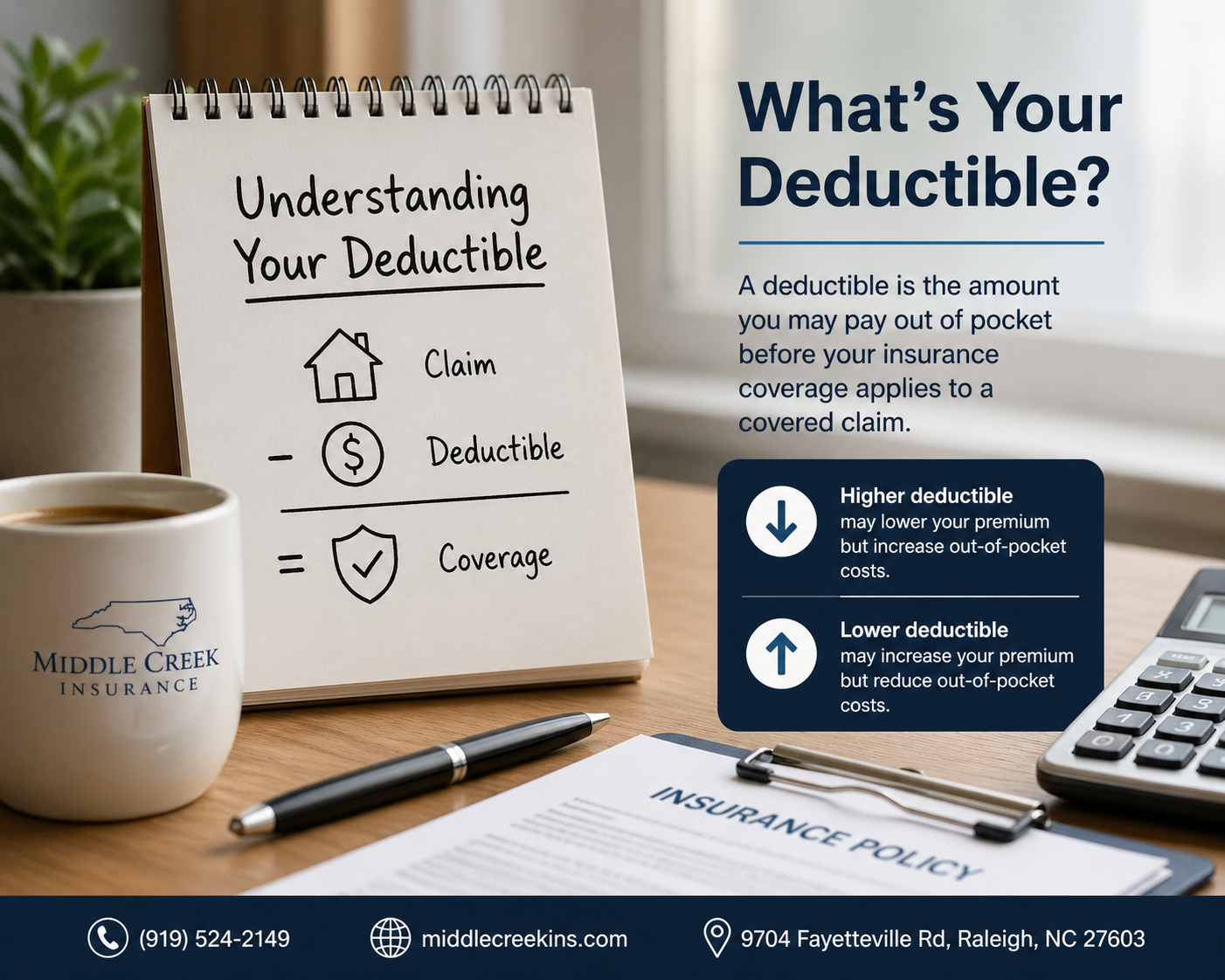
The deductible is the lever you pull to balance your monthly premiums against your personal risk tolerance. By selecting a higher deductible, you effectively assume more of the financial burden for minor incidents, which lowers the cost of your insurance premium. Conversely, a lower deductible shifts more of that risk back to the insurance company, resulting in higher recurring premiums.
Determining the Right Deductible Amount
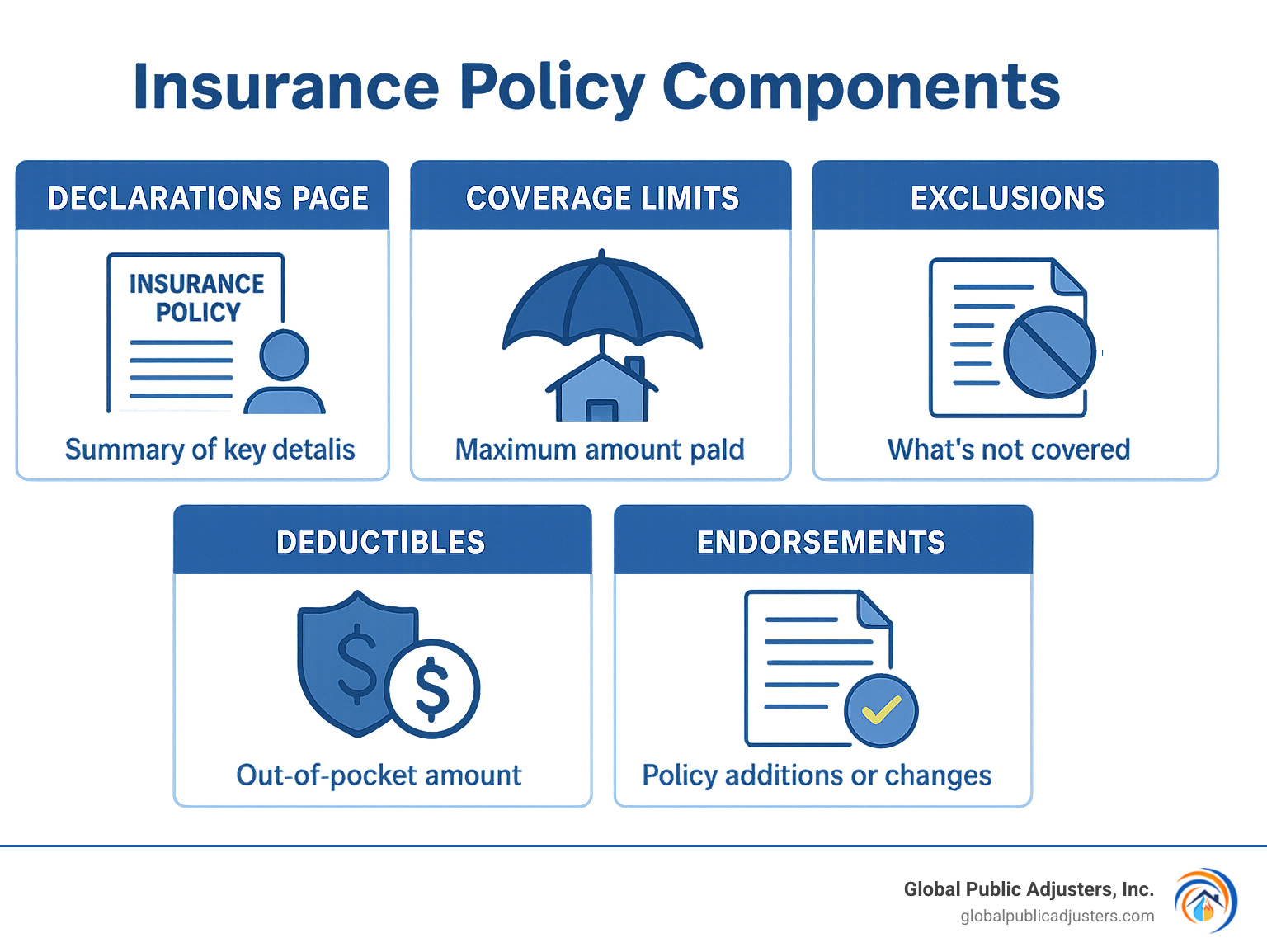
When you review your policy declarations page, you will likely see a dollar amount assigned to your comprehensive coverage, such as $250, $500, or $1,000. This is the amount you are responsible for paying at the moment of a claim.
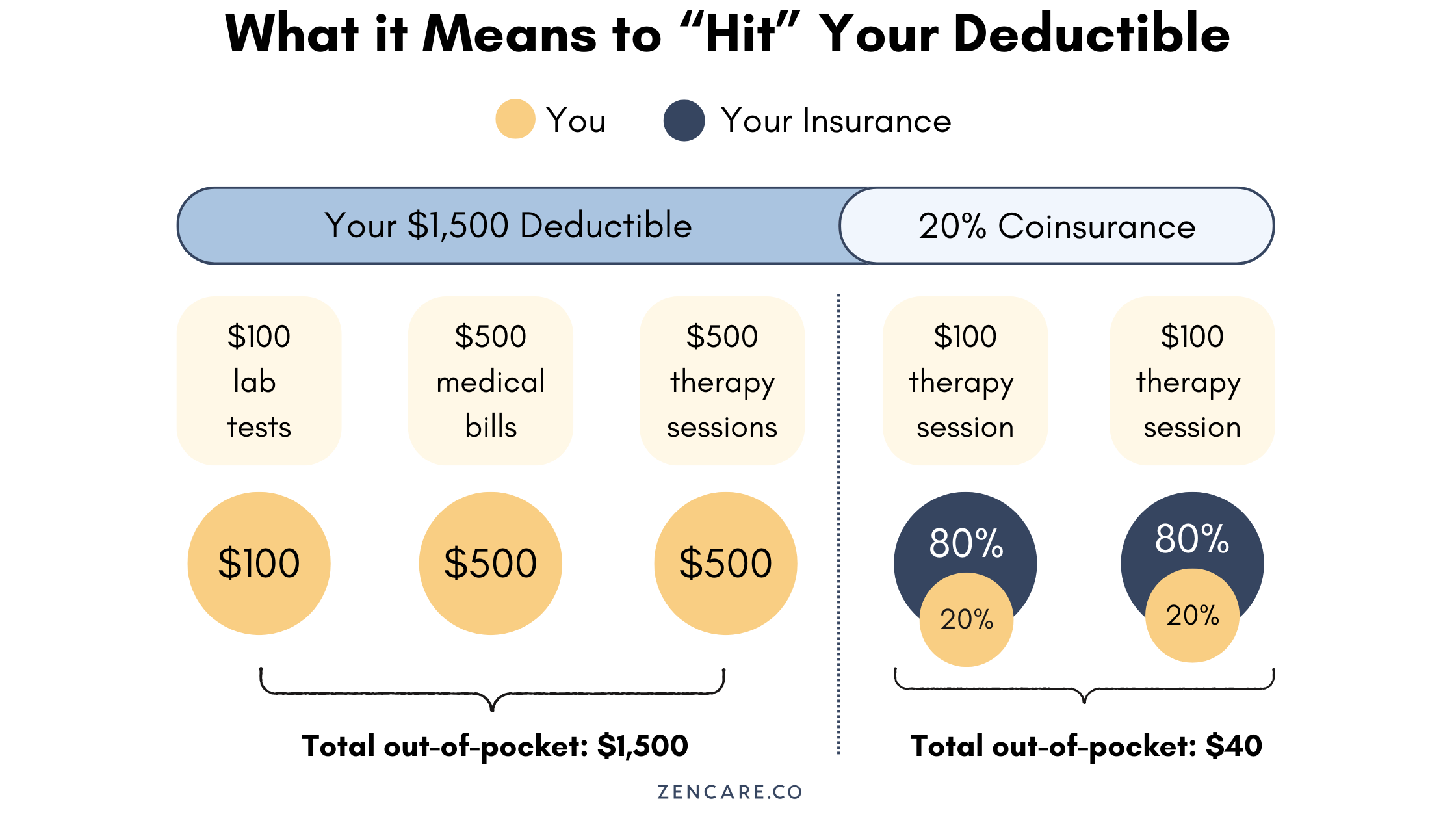
If you sustain $2,500 in damage from a storm and your comprehensive deductible is $500, the insurance company will subtract that $500 from the total payout, leaving you to pay the repair shop $500 while the insurer covers the remaining $2,000.
Selecting the "correct" amount is a balancing act. Consider the following factors:
| Deductible Level | Premium Impact | Out-of-Pocket Risk | Best For |
|---|---|---|---|
| Low ($100–$250) | High Monthly Cost | Minimal | Drivers who prefer predictable budgeting and limited sudden expenses. |
| Moderate ($500) | Standard Monthly Cost | Moderate | Most standard vehicle owners looking for a balanced risk profile. |
| High ($1,000+) | Lower Monthly Cost | Significant | Vehicle owners with emergency savings who want to minimize monthly overhead. |
How Deductibles Affect Claims Processing
The process of filing a claim remains consistent regardless of your deductible, but the financial settlement varies. When you report an incident to your insurer, an adjuster is typically assigned to inspect the damages. They will estimate the total cost of repair. Once the damages exceed your deductible, the insurer proceeds with the claim.
It is important to note that you do not "pay" the insurance company your deductible directly. Instead, the insurer deducts this amount from the total check issued to you or the repair facility. If the cost of repair is lower than your deductible, the insurer generally will not provide any payment, as the cost of the damage does not meet the threshold of the coverage.
Common Misconceptions Regarding Deductibles
Many policyholders mistakenly believe that they must pay their deductible every time a minor issue arises. However, it is vital to remember that insurance is designed to mitigate large, unforeseen financial shocks.
Another common point of confusion is whether the deductible applies to glass-only claims. In many states, insurance companies offer a "full glass" coverage add-on, which allows for windshield repair or replacement without the application of a comprehensive deductible. You must review your specific policy documents or speak with your agent to determine if your state regulations or carrier policy allow for this waiver.
Strategic Considerations for Your Financial Health
When deciding on a deductible for 2026, evaluate your current liquidity. If you were to face a sudden $1,000 expense, would it jeopardize your monthly budget? If the answer is yes, a higher premium with a lower deductible may be the more responsible choice.
Conversely, if you have built a robust emergency fund, choosing a higher deductible can serve as a form of self-insurance. By paying a lower premium, you can funnel the saved money into a high-yield savings account. Over several years of claim-free driving, the cumulative savings from lower premiums often outweigh the difference you might pay out-of-pocket during a single, rare claim event.
Prerequisites and Next Actions
Before adjusting your policy, verify your current coverage status. Follow these steps to ensure you are making an informed decision:
- Review Your Declarations Page: Locate the exact dollar amount listed next to "Comprehensive Deductible."
- Evaluate Vehicle Value: If your car is older and has a low market value, paying for high-tier comprehensive coverage may not be cost-effective. Use the current year’s depreciation data to see if the cost of insurance is approaching a significant percentage of the car's total value.
- Contact Your Agent: Ask about "full glass" waivers or accident forgiveness programs that might be available under your current contract.
- Assess Your Emergency Fund: Ensure that your chosen deductible is an amount you can readily access within 48 hours of an incident.
Frequently Asked Questions
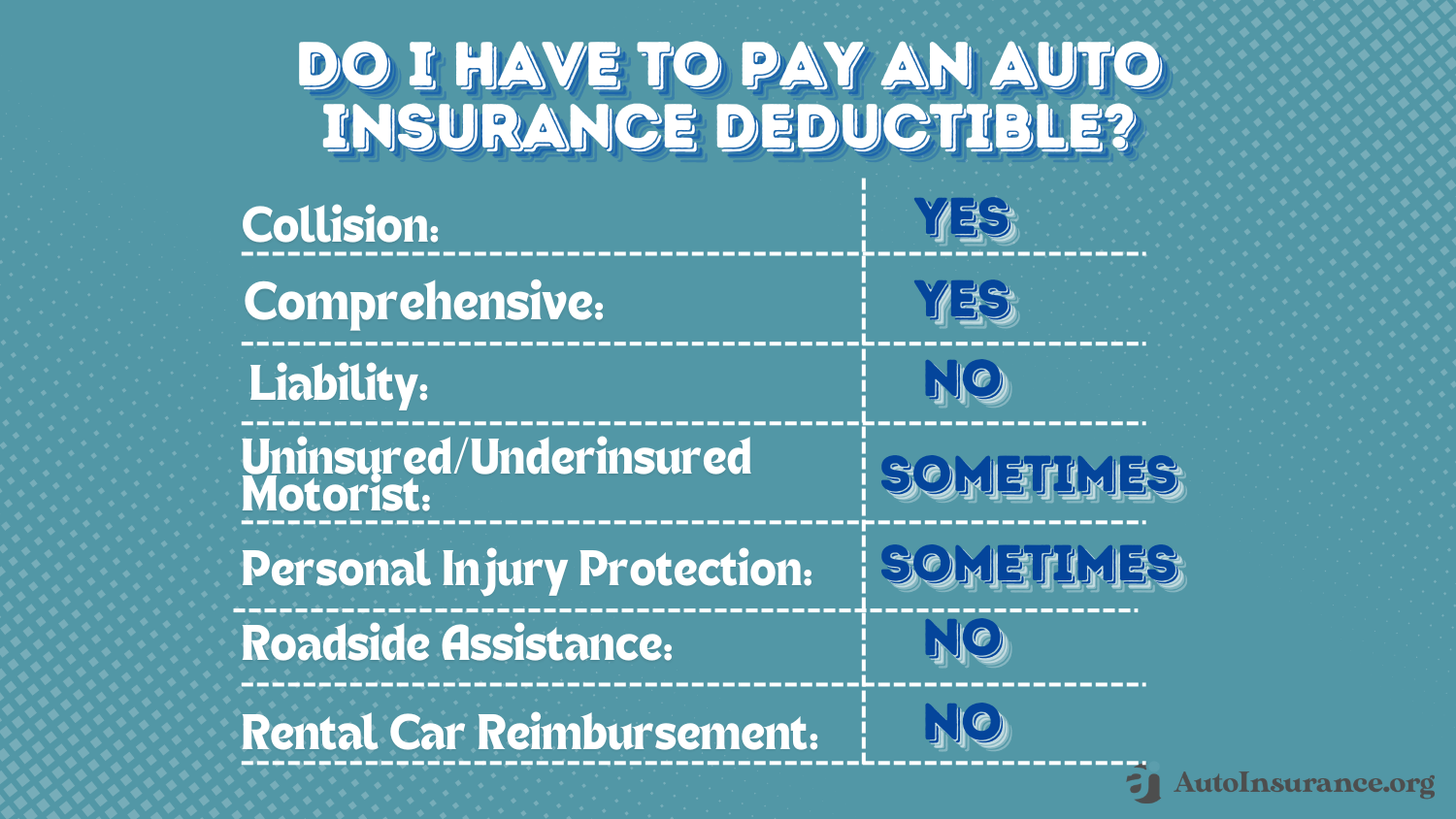
Does the comprehensive deductible apply to every incident? No, it only applies to claims filed under your comprehensive coverage. Other coverages, such as liability insurance, typically do not have a deductible.
Will my premium increase if I file a comprehensive claim? While this depends on your specific insurance carrier and local regulations, comprehensive claims are generally considered "no-fault." Because they involve events largely beyond your control, they are often less likely to trigger a rate hike than an at-fault collision claim.
Should I choose a $0 deductible? A $0 deductible is rare and often comes with a significantly higher premium. For most drivers, a $500 deductible provides the most efficient balance between upfront premium savings and long-term financial protection.
What happens if the repair cost is less than my deductible? If your repair costs are lower than your deductible (for example, a $300 repair with a $500 deductible), you are responsible for the entire cost. In this scenario, it is often better to pay out-of-pocket to avoid the potential administrative complexity of filing a claim.
Can I change my deductible mid-policy? Yes, you can typically request a change to your deductible at any time. However, most insurers will not allow you to lower your deductible immediately after a loss has occurred to facilitate a larger payout.
Recommendation
If you are currently evaluating your policy for the 2026 calendar year, audit your savings against your deductible. If you have at least $1,000 in liquid assets, moving to a higher deductible can provide immediate relief to your monthly cash flow. However, if you rely on your vehicle for daily work and lack a cash reserve, prioritize a lower deductible to ensure that a single storm or theft does not create an insurmountable financial barrier to your mobility.
Image Gallery